





 English
  Francês
  Alemão
  Italiano
  Japonês
  Norueguês
  Portuguese
  Spanish
  4 min of reading


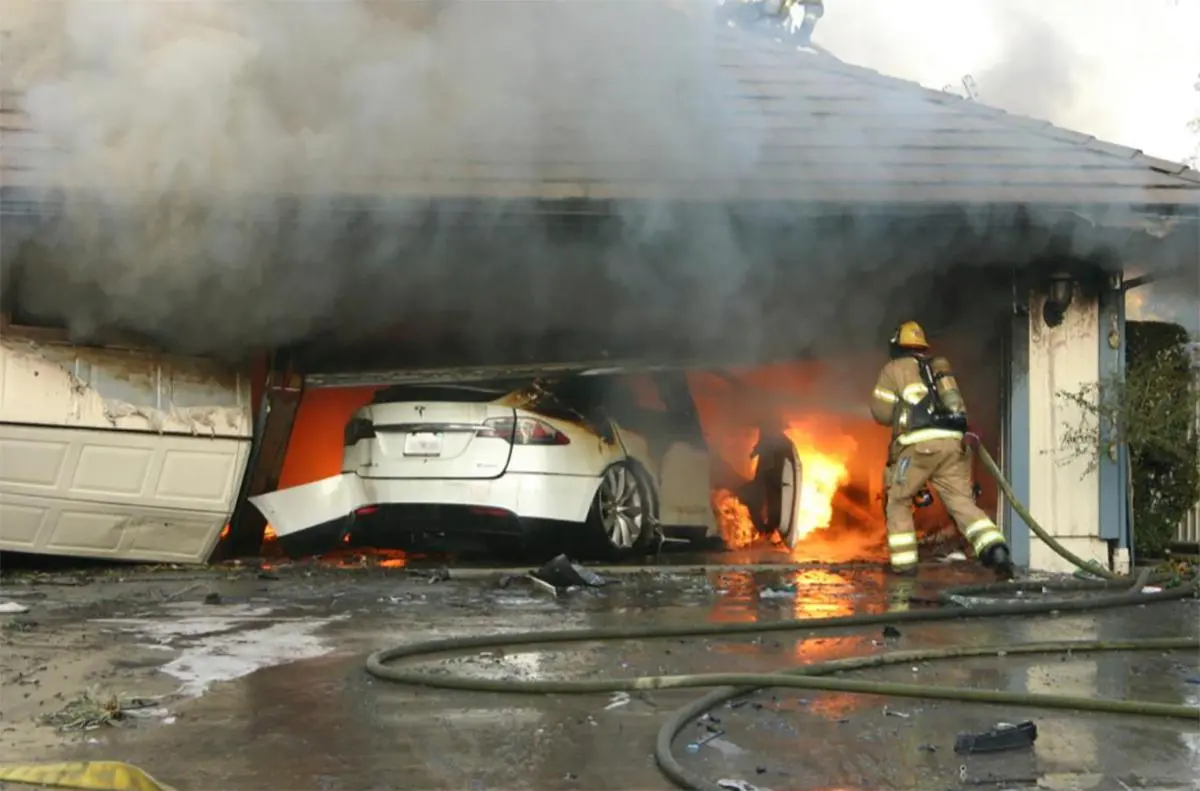
Fires in Electric Car Batteries, Although Uncommon, Are More Likely During Charging Phases and Often Receive a Lot of Media Attention
Although fires in electric car batteries are rare, there are many investigations aimed at preventing a short circuit caused in one of the cells from triggering a thermal runaway that affects adjacent cells and causes a fire. To solve this problem, a team of researchers from the National University of Singapore developed an additional shield located in the separator between the anode and cathode that prevents dendrites from growing and affecting the cell, causing a short circuit.
Read Also
- The Highest Average Price of Ethanol and Gasoline Was Found at Gas Stations in Rio de Janeiro, With an Increase Over 10% for Biofuel
- Senai Offers Over 565 Scholarships for Technical Courses with Certificates in Civil Construction, Logistics, Petrochemicals, Maintenance, Occupational Safety, and More, Secure Your Spot Now
- WEG, One of the Largest Manufacturers of Turbines and Electric Motors in the World, Develops a Line of Niobium-Based Coatings Resistant to Corrosive Agents in Partnership With Randon Companies
- Ford, the Multinational Vehicle Manufacturer, Calls for 80 Slots in a Free Online Course in Partnership With Senai Bahia
Dendrites are small, tree-like structures that grow inside a lithium battery as needle-like projections. These formations can even pierce the separator, which prevents electrodes (cathode and anode) from touching. Additionally, unwanted reactions also occur between the electrolyte, in which these electrodes are immersed and through which ions travel, and lithium, accelerating battery failures.
They are generated during the battery’s charging and discharging cycles caused by the clustering of lithium atoms and spread like a tumor, accumulating and ultimately causing the growth of the electrodes. In the most severe cases, dendrites can cross the separator, connecting the cathode and anode and causing a short circuit that can ignite the battery.
-
After launching the new GS3 with a 1.5 turbo engine producing 170 hp, GAC partners with Flamengo, enters the field with the largest fan base in Brazil, and accelerates an ambitious offensive to gain scale and confidence in the national market.

-
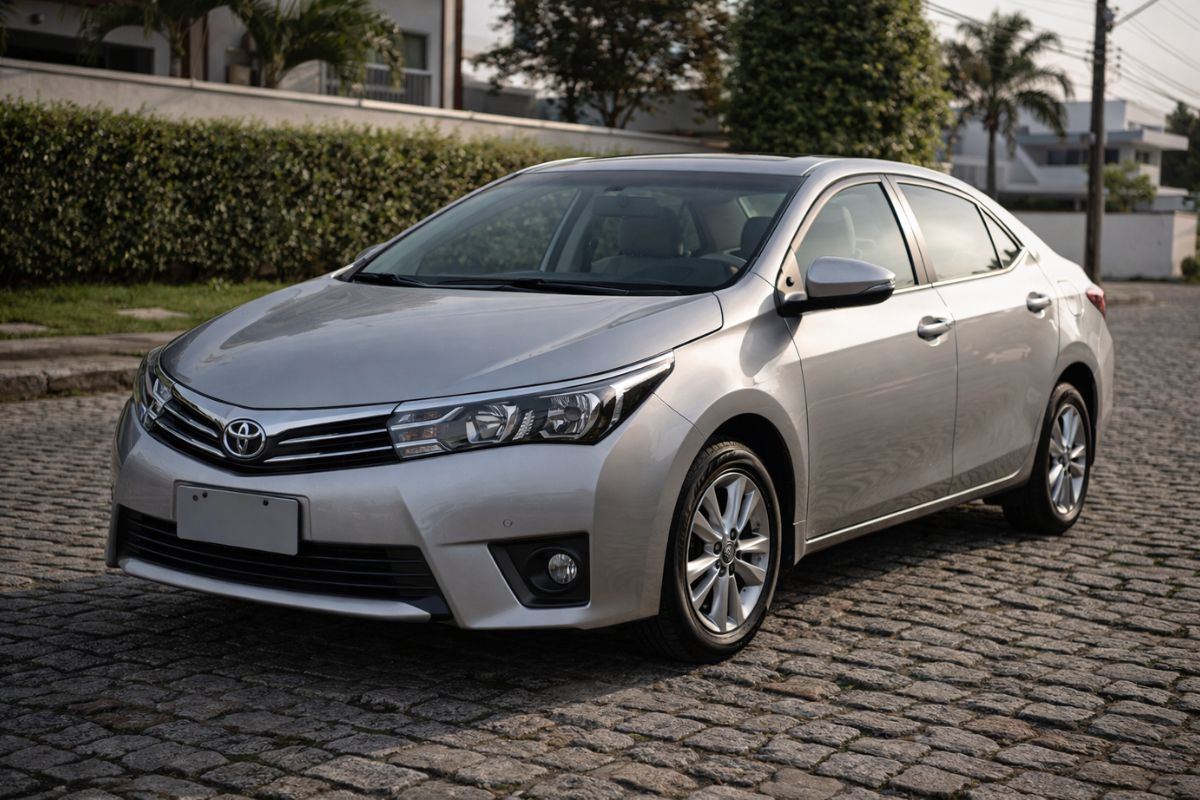
The Corolla from 2015 to 2019 depreciates so little that a 10-year-old model is still worth over 76 thousand reais, and owners treat this sedan as a safe investment thanks to its reputation for durability that no competitor has been able to match.
-
Is it worth considering a financed 2025 HB20 Comfort? A simulation with R$ 50,000 in the bank shows installments ranging from R$ 5,687 to R$ 2,365.

-
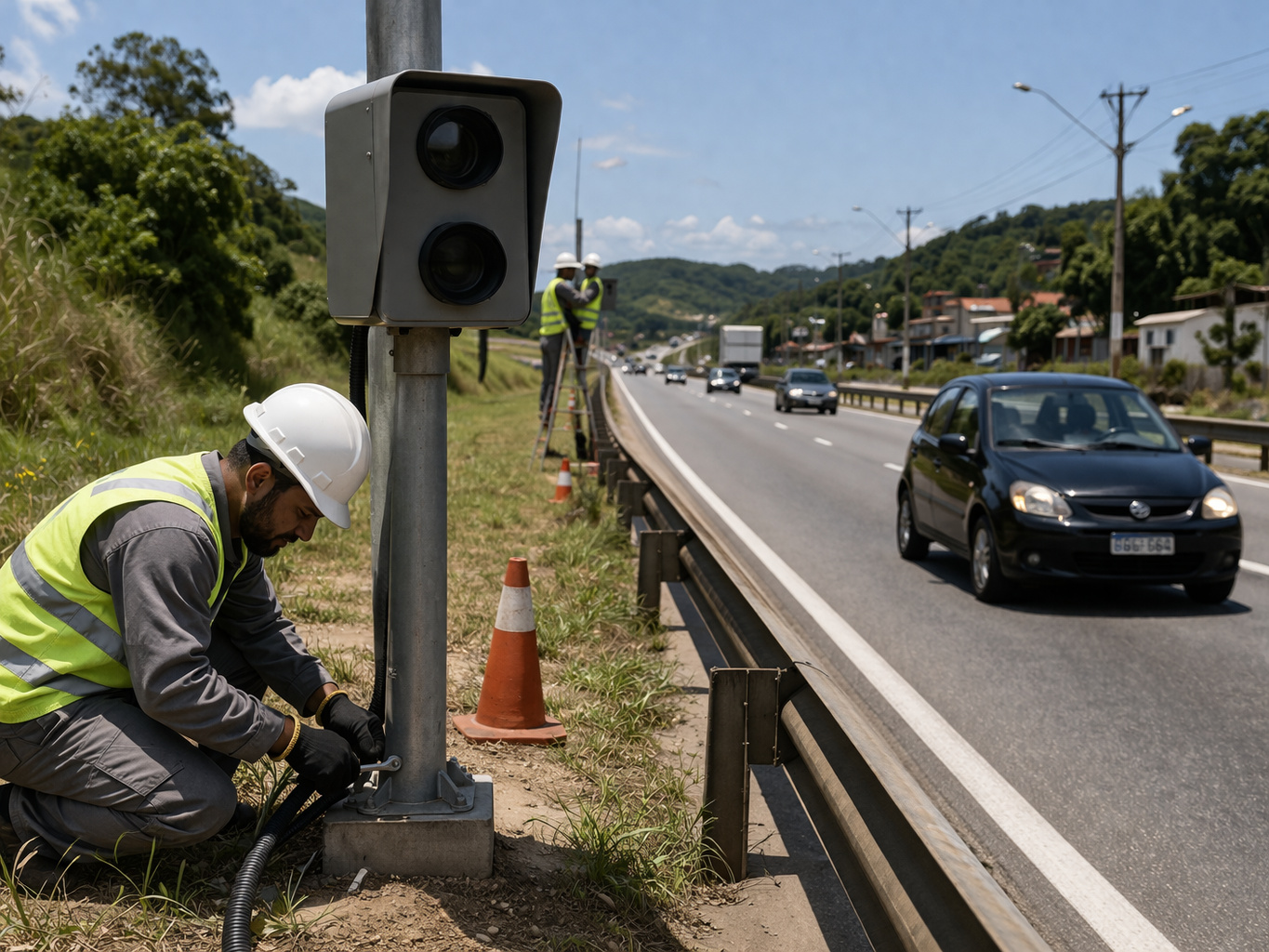
Road surveillance in Rio de Janeiro enters a new phase with the installation of more than 140 speed cameras on highways RJ-106 and RJ-104, and DER-RJ expands speed control in high-traffic areas.

Battery Fires Are Very Rare Compared to Combustion Vehicle Fires
Instances of battery fires are very rare compared to combustion vehicle fires and are more likely to occur during the charging process. When an electric vehicle’s battery catches fire, it usually starts with one or more cells. The chemical reactions that occur release a significant amount of energy, which can cause adjacent cells to catch fire as well. This effect, known as thermal runaway, is a fundamental safety problem and can lead to a chain reaction that can last for hours. Fortunately, this circumstance usually allows the occupants of the car to exit it.
To limit these risks, researchers at the National University of Singapore developed a specific layer, a kind of additional shield located in the separator that prevents the needle from hitting the cathode. Instead of preventing dendritic formation, they decided to use their intrinsic properties by coating the electrode separator with an additional layer of conductive material that allows dendrites to connect. Once this happens, they can no longer grow, preventing them from reaching the other electrode.
Technology Has Already Attracted Interest From Various Industries
The team at the National University of Singapore has successfully tested its system on more than 50 battery cells with different materials in their composition. The results of their tests are very encouraging, as none of them experienced short circuits, even during charging phases carried out beyond their life cycle.
According to the researchers, the material used for this shielding is commonly used in the industry so this technology can be easily integrated into the current separator manufacturing process. On the other hand, the additional cost that the technology would generate in the manufacturing process is estimated to be around 5%. Still awaiting patent approval, this technology has already attracted the interest of several companies in the sector and will be marketed by NTuitive, a spin-up from the National University of Singapore.
Tesla Sedan Electric Car Worth R$ 650,000 Explodes in Flames After 3 Days of Use and Traps Owner After Electronic Doors Fail
A Tesla Model S Plaid EV caught fire on June 29 in the U.S. state of Pennsylvania while the owner was driving, three days after the high-end car priced at US$ 129,900 (approximately R$ 650,000) was delivered, a lawyer for the driver told Reuters.
The driver, identified as an “executive businessman,” initially could not exit the car because his electronic door system failed, forcing him to “use force to push it open,” said Mark Geragos of Geragos & Geragos, on July 2 of this year.









Seja o primeiro a reagir!