





 Portuguese
  English
  Spanish
  2 min of reading
  2 comments


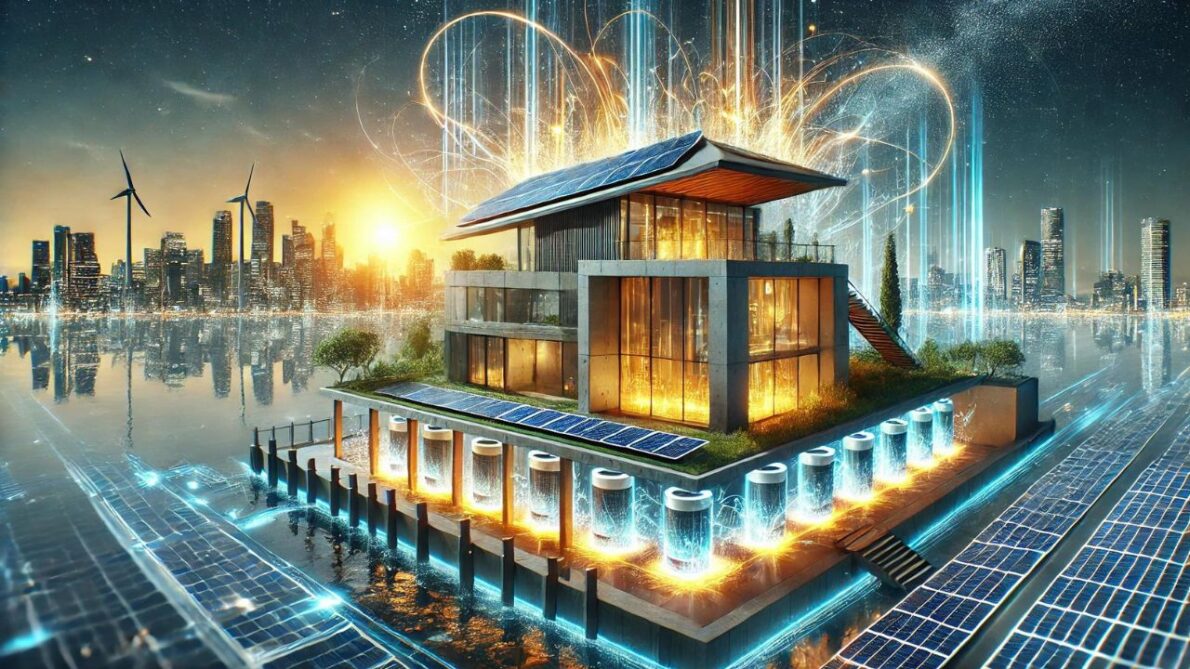

Imagine This: You Install Solar Panels on the Roof and the Walls of Your House Start Storing All the Energy Generated, Reducing Your Dependence on the Power Grid. Amazing, Right?
Well, this technology is becoming a reality. Researchers created an innovation that transforms your home into a giant solar energy battery using concrete supercapacitors.
Solar energy and wind energy are essential for the global energy transition, but they have a problem: intermittency. The sun doesn’t shine all the time, and the wind varies, which leaves us dependent on other energy sources. Lithium-ion batteries, although common and efficient, face material scarcity issues. And that’s where concrete comes in.
How the Supercapacitor Concrete Works
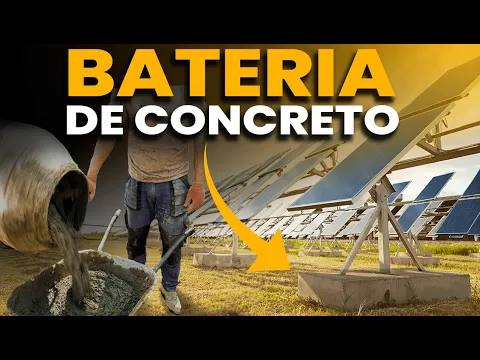

Researchers at MIT discovered a way to create an energy storage device using water, cement, and carbon black. This supercapacitor allows concrete to store energy efficiently. The concrete acts as the two plates of a capacitor, while the highly conductive carbon black positions itself in the internal spaces created during the concrete curing process, forming a network of conductive structures.
-
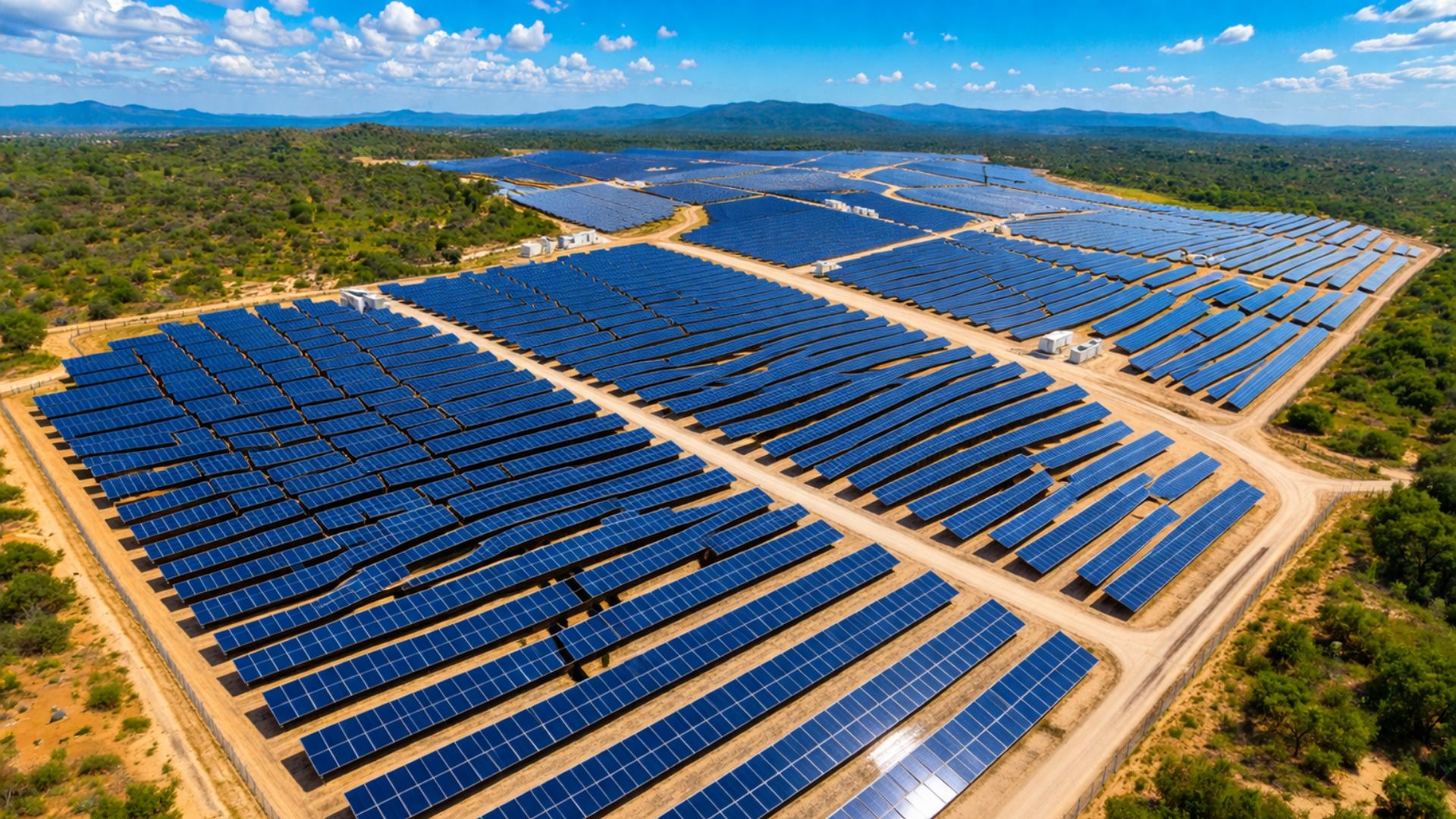
The Sol do Agreste Photovoltaic Complex begins operations in Pernambuco and accelerates the expansion of solar energy in Brazil, directly impacting the reduction of emissions and strengthening the sustainable energy matrix.
-
The Sol do Agreste Photovoltaic Complex begins operations in Pernambuco and accelerates the expansion of solar energy in Brazil, directly impacting the reduction of emissions and strengthening the sustainable energy matrix.
-
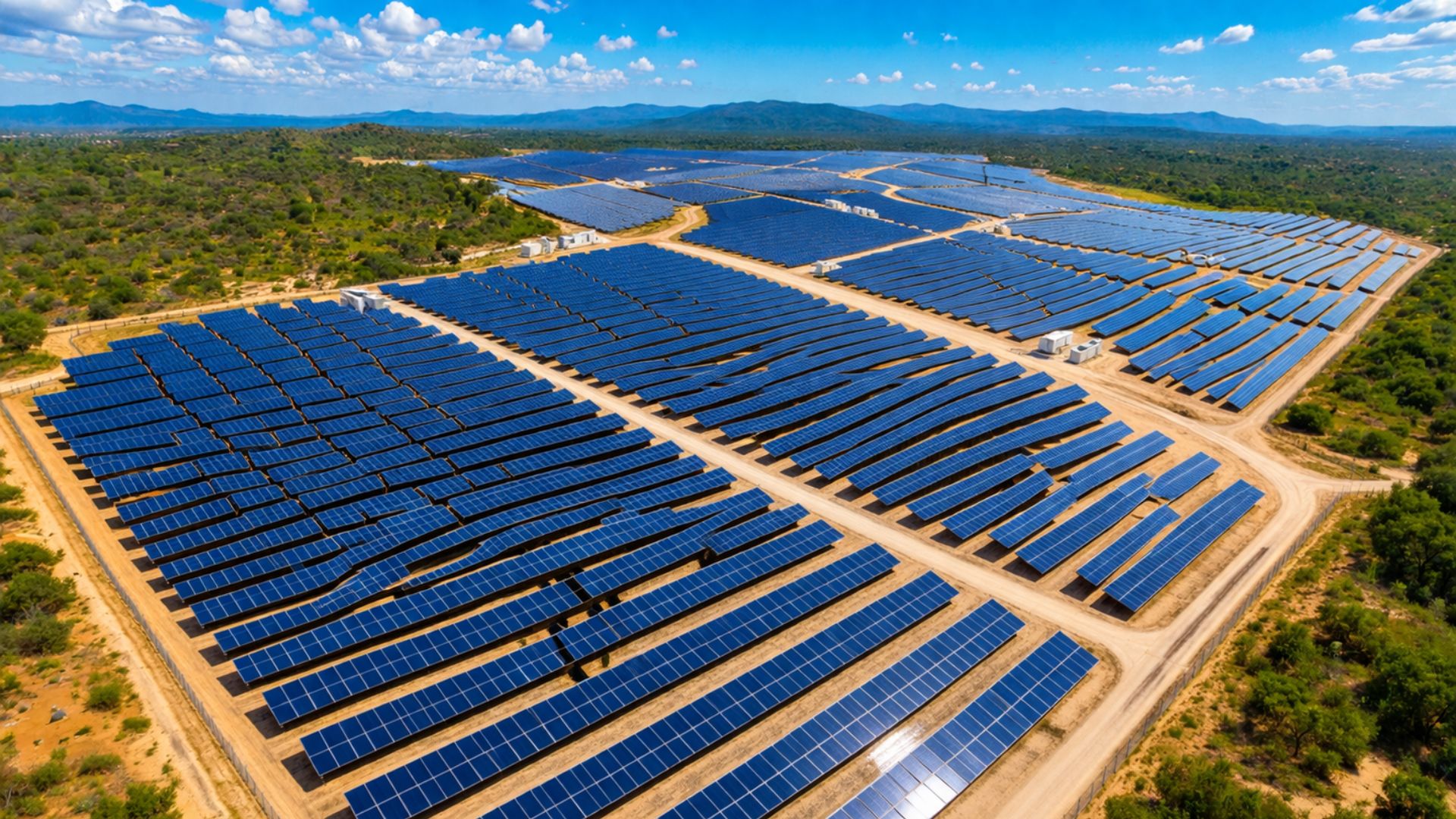
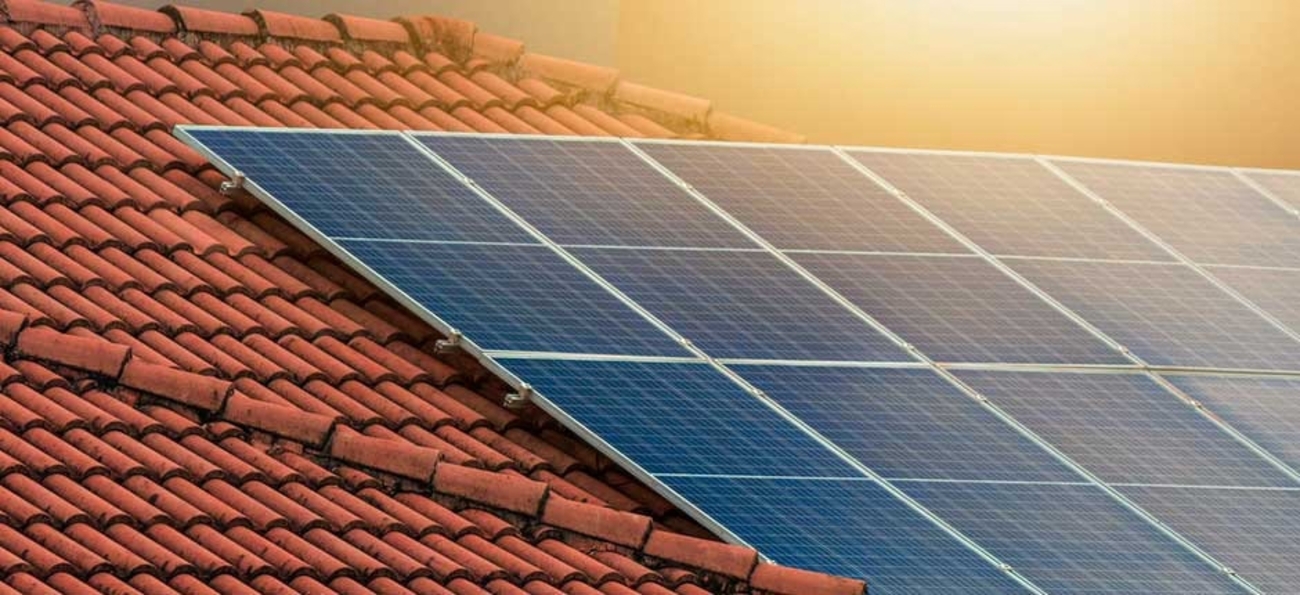
Roraima bets on the sun to escape high tariffs: Amid the energy crisis and price hikes, solar energy is growing in Roraima and transforming consumption in the North region.
-
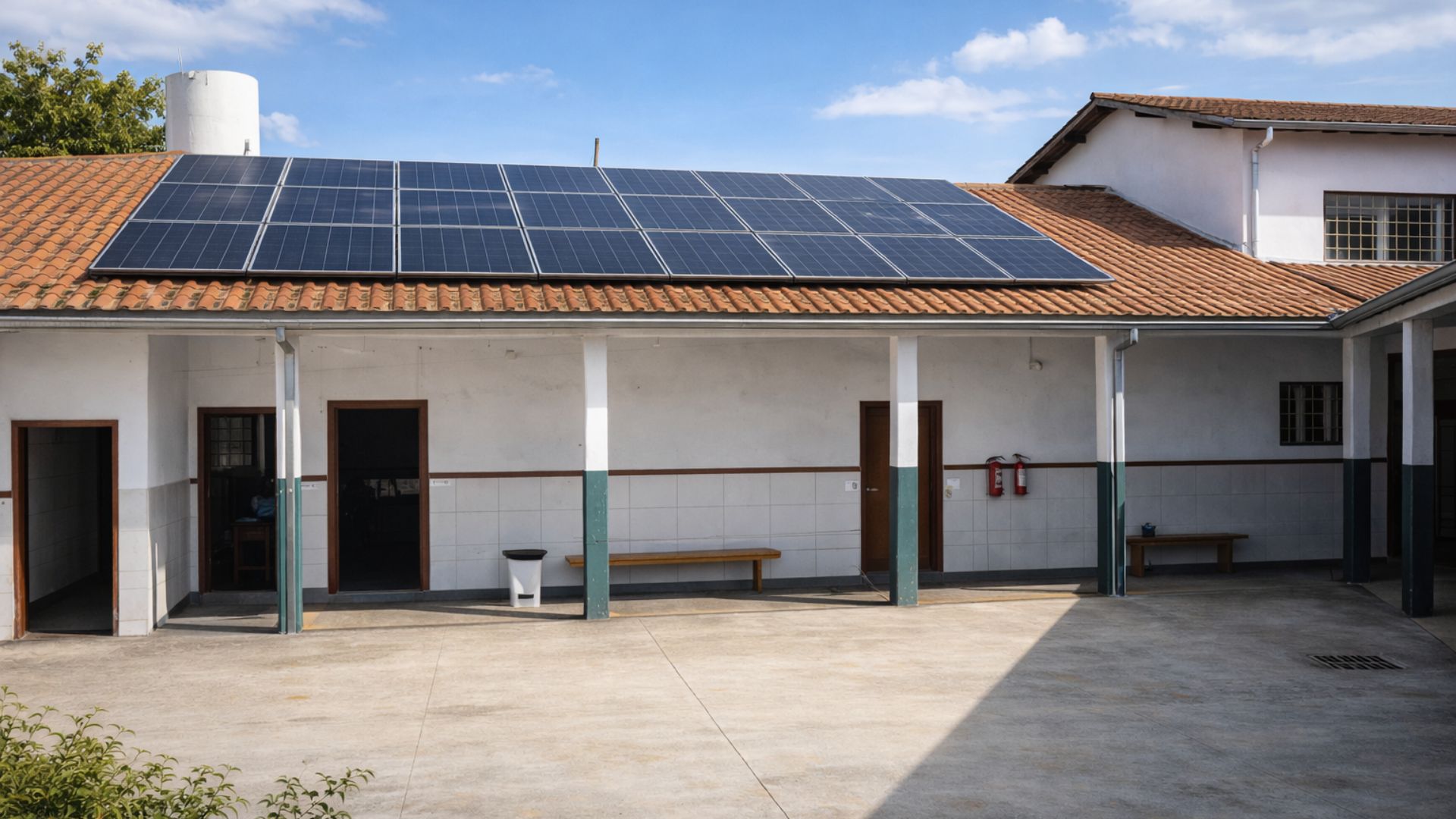
Copel boosts solar energy in Paraná and brings innovation to public schools, promoting savings on electricity bills, energy efficiency, and a direct impact on the quality of education.

Advantages and Future Applications of This Solar Energy
The concrete supercapacitors can be charged quickly and do not degrade over time, unlike lithium-ion batteries. Although the current storage capacity is still limited, with a foundation of 30 to 40 cubic meters of concrete being able to meet a household’s daily needs, the research team is developing versions that can store up to 10 kWh, enough to power a house for an entire day.
This technology can also be applied to roads that store energy during the day and transfer it to vehicles, using wireless technology similar to that used in cell phone chargers.
Challenges and Sustainability
There are challenges to overcome, such as finding the ideal ratio of carbon black without compromising the strength of the concrete. Additionally, cement production is a significant source of carbon dioxide emissions. Reducing these emissions or finding alternative materials will be crucial to minimize the environmental impact of this technology.
Even so, with advancements in research, this innovation has the potential to transform our homes, roads, and cities into giant batteries, promoting a more sustainable future.
Who wouldn’t want a house that stores its own solar energy, reducing dependence on traditional batteries and the power grid? It sounds like something out of a movie, but this revolution is closer than we think.







Depois do concreto armado vem aí o concreto recarregável
Seremos um elétron gigante, os marcianos vão gostar.