





 Portuguese
  English
  Spanish
  5 min of reading
  8 comments


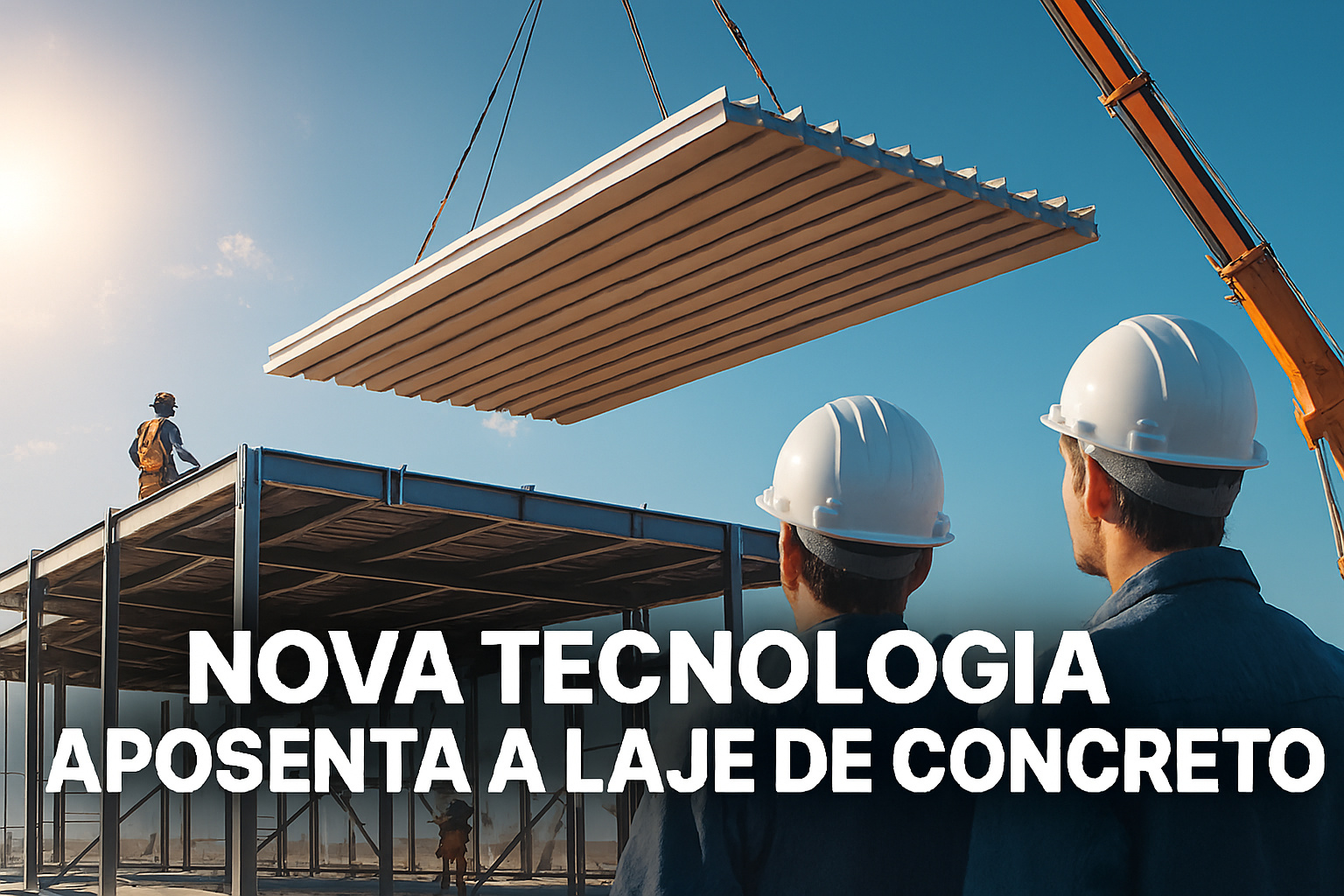


Industrialized Slab Technology Begins to Replace Traditional Concrete, Reducing Costs, Construction Time, and CO₂ Emissions in Civil Construction.
For over a century, the traditional concrete slab has reigned supreme at Brazilian construction sites. Heavy, durable, and widely known, it has become synonymous with structural safety. But a new generation of solutions is changing this landscape. Precast and lattice systems, developed to reduce concrete usage and accelerate construction, are already beginning to replace the conventional model in residential, commercial, and industrial projects. And the results are impressive: projects up to 40% faster, 25% lighter, and with virtually zero waste.
Engineers and construction companies report a true revolution in the way of building, driven by industrialization and the quest for efficiency. The promise of these new slabs is simple yet powerful: less concrete, less time, more performance.
The End of Traditional Concrete Pouring?
In a conventional project, the execution of solid slabs requires large volumes of concrete, wooden forms, supports, and a curing time of up to 28 days to achieve full strength. This entire process demands intensive labor and space to store materials, driving up project costs and extending delivery times.
-
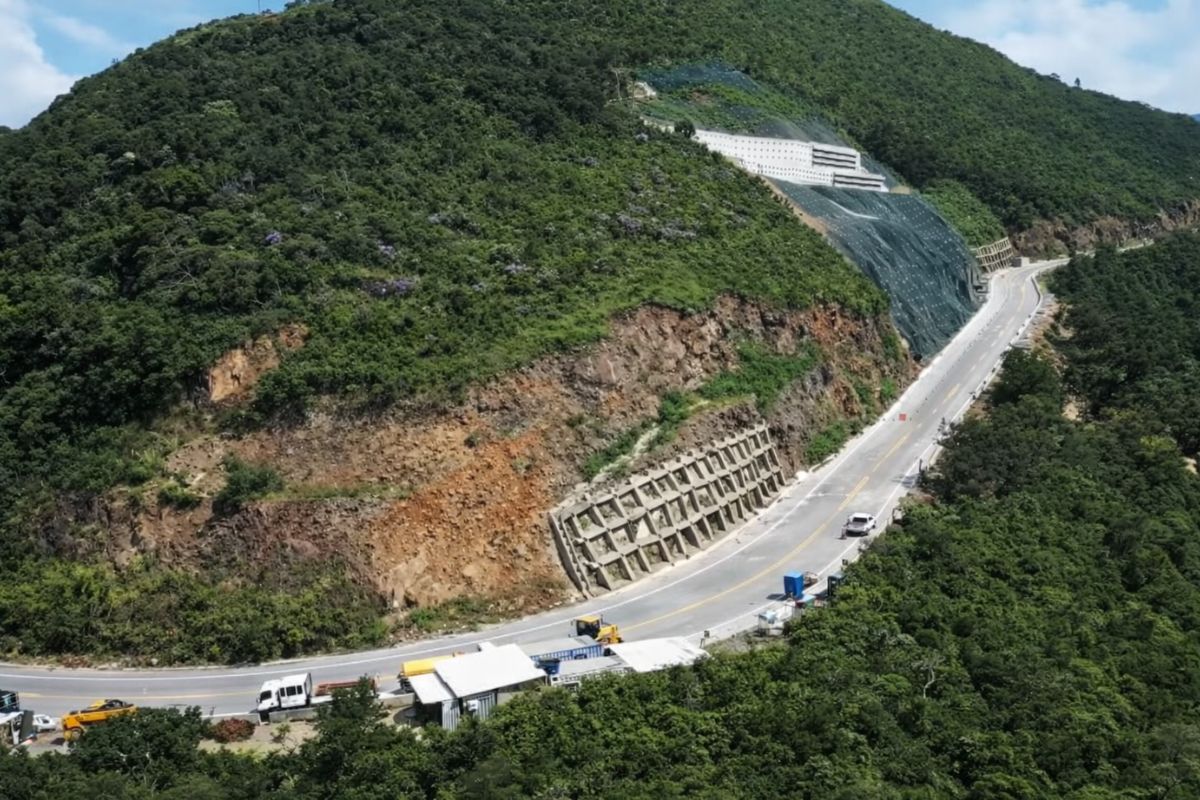
The section of Serra da Rocinha on BR-285 is now open in Timbé do Sul: 50 m tensioned curtains and top-down technique stabilize the slope, with a stairway duct controlling the water.
-
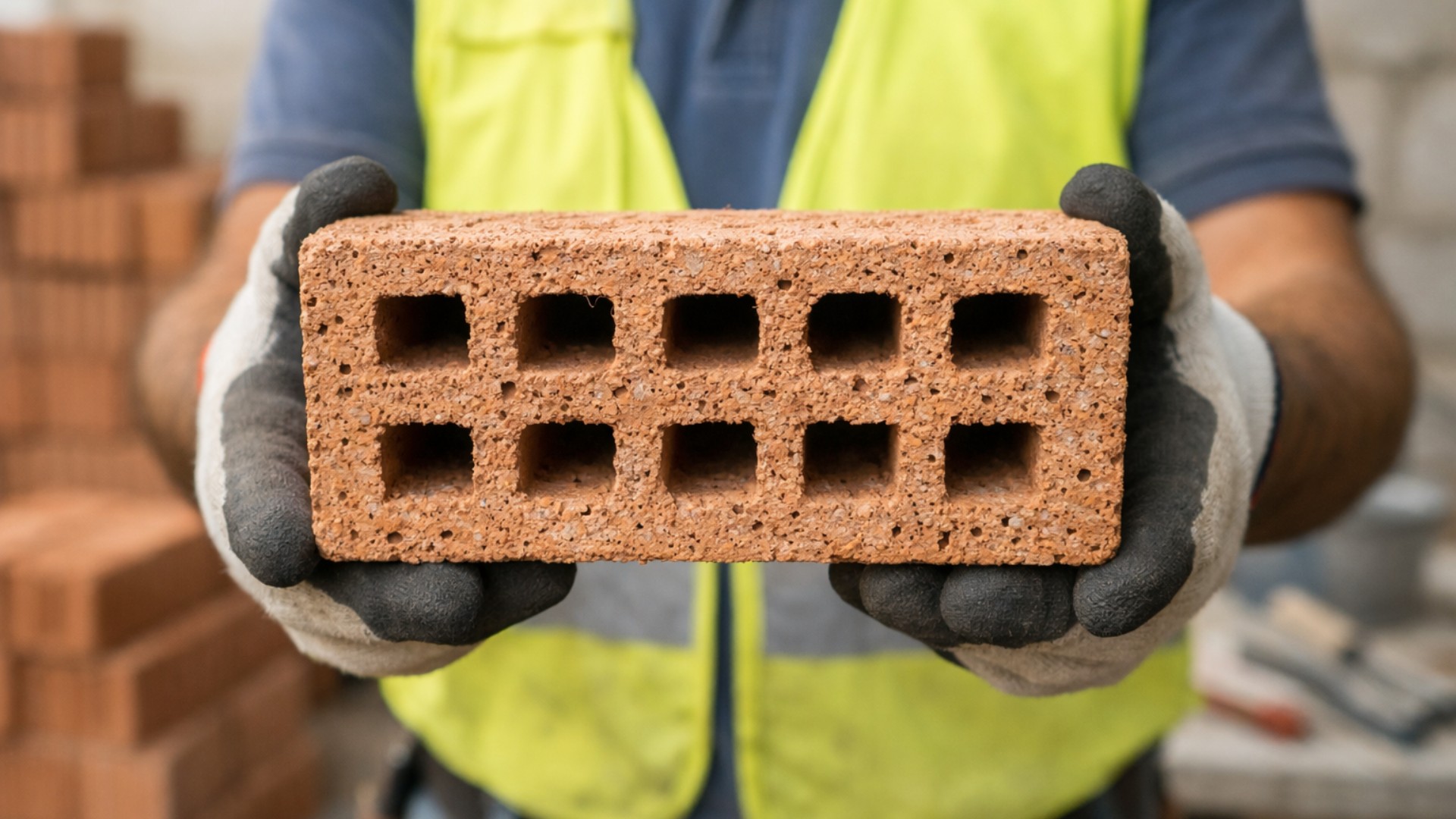
Scientists use sawdust mixed with clay to create a lighter brick, promising efficient thermal insulation and impressing by transforming waste into a solution for construction.
-
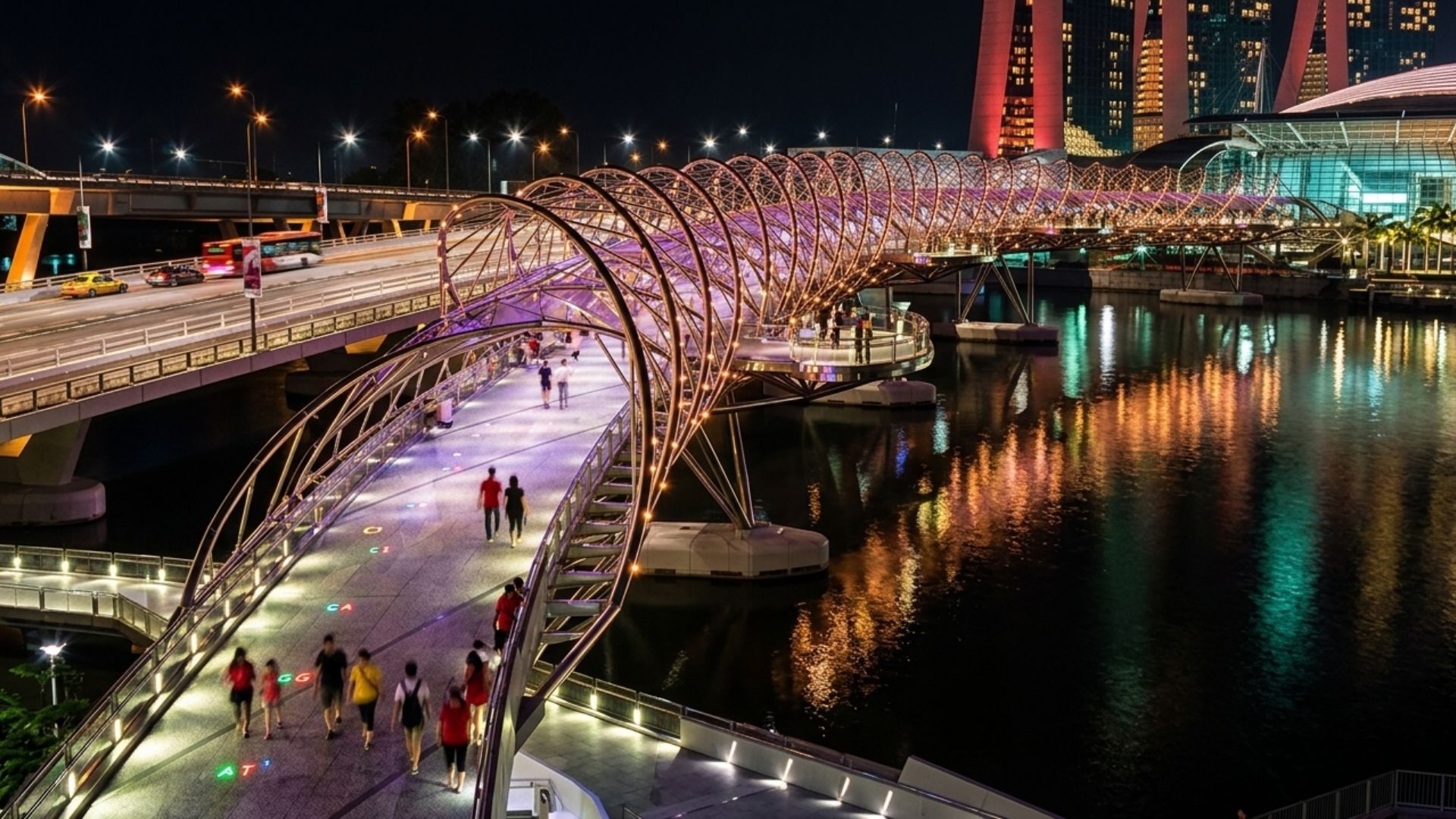
With a DNA shape, this bridge in Singapore draws attention in modern architecture and surprises tourists by transforming a simple crossing into an unforgettable visual experience in the urban heart.
-
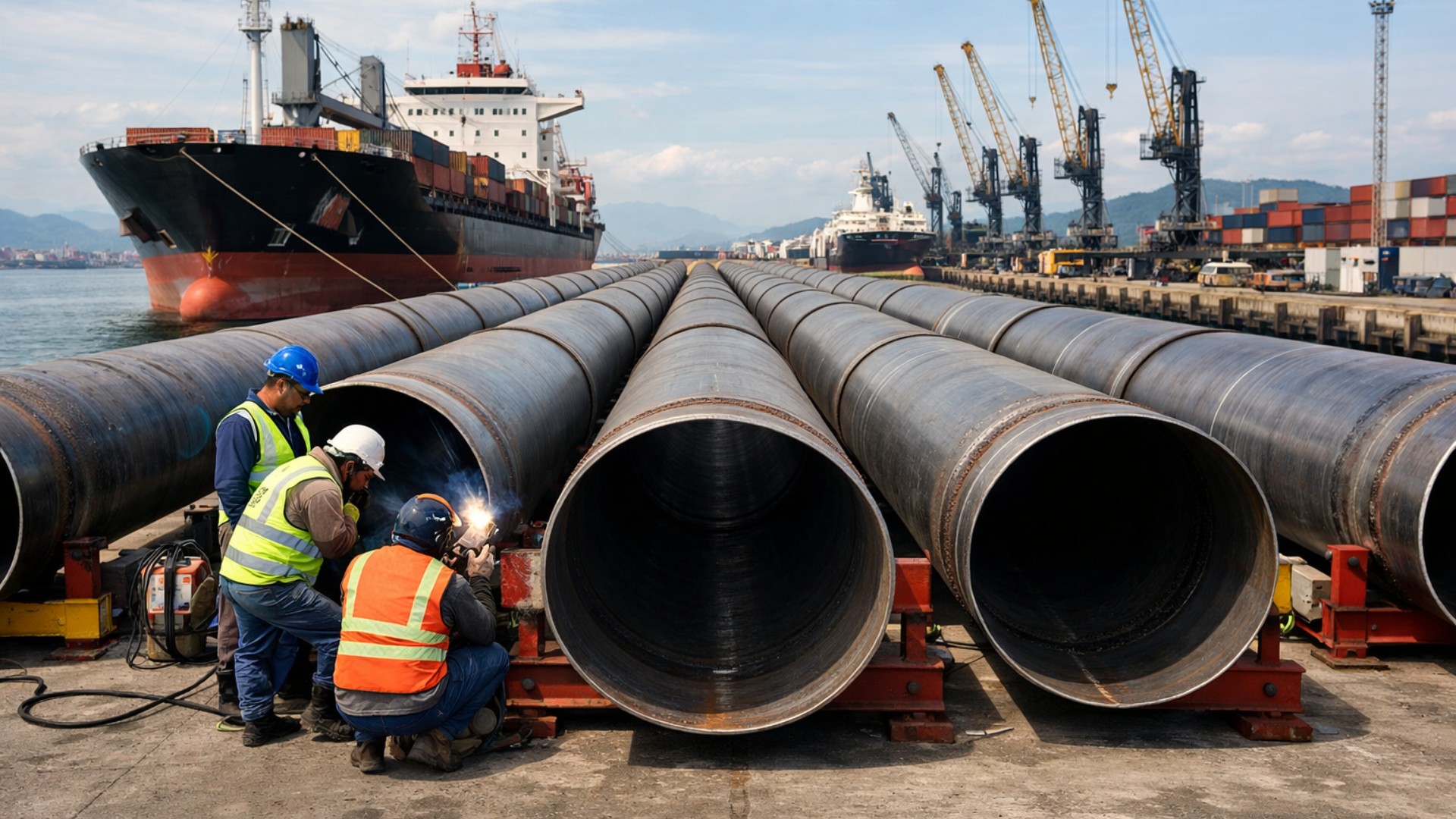
Giant underwater pipeline begins to take shape with a R$ 134.7 million project at the Port of Santos: the 1.7 km structure uses 12-meter and 700 mm pipes to supply water to 450,000 people in Guarujá.

The new technology breaks this logic. Based on prefabricated structural modules, it arrives at the site ready for assembly, eliminating the need for large forms and heavy pouring. The system consists of lightweight panels with internal metal reinforcements known in the sector as lattice slabs and precast panels that are precisely fitted and leveled, receiving only a superficial layer of concrete for finishing and bonding.
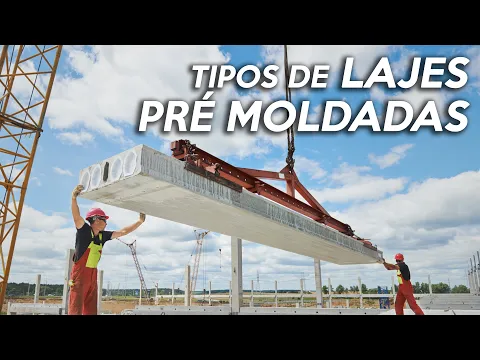

According to the technical manual of the Brazilian Association of Precast Industry (Abiprem), replacing conventional slabs with industrialized systems can reduce the total execution time of a structure by up to 60% and decrease cement consumption by about 35%.
Industrialization of Construction: Speed and Precision
Industrialized slabs are manufactured in a controlled environment, with metal molds and concrete dosed with additives that ensure uniformity and superior performance. This process eliminates quality variations typical of on-site concreting, as well as reducing the risk of structural pathologies such as cracks and infiltrations.
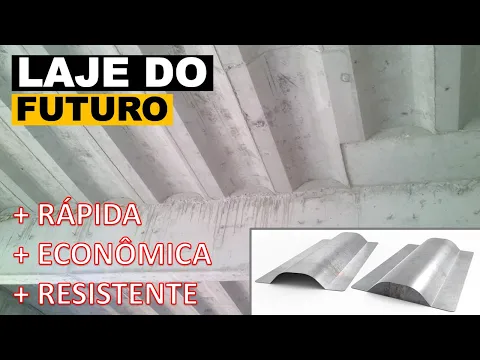
In a medium-sized building, using precast slabs can mean savings of up to R$ 150 per square meter when considering the reduction in labor, formwork, and occupancy time of the site. Furthermore, the pieces are designed with millimeter precision using 3D modeling software, such as BIM (Building Information Modeling), allowing them to be assembled like a structural puzzle.
Civil engineer Gustavo Ladeira, a specialist in prefabricated structures, summarizes the advantage:
“While a traditional slab takes almost a month to be ready, the new solutions can be installed and released for use in just a few days. The productivity difference is striking.”
Lightness and Strength: The Secret of New Materials
The advancement of hybrid structural materials, which combine steel, concrete, and special additives, is what enables this change. The new slabs use galvanized steel lattice reinforcements with high-strength concrete, ensuring rigidity even with thinner profiles. The technology also improves load distribution and increases resistance to bending and shear.
A study by the Federal University of Santa Catarina (UFSC) compared solid and lattice slabs under equivalent loads and found that the new model reduces the self-weight of the structure by up to 27%, while maintaining the same load performance. This lightness allows for smaller foundations, translating into savings of concrete, steel, and execution time.
Another highlight is sustainability. Production in specialized factories reduces material waste, optimizes water use, and enables the recycling of concrete and steel waste. According to the Brazilian Association of Portland Cement (ABCP), the precast sector can reduce CO₂ emissions by up to 40% per cubic meter constructed, compared to the conventional method.
Less Noise, More Agility, and Less Urban Impact
The transition to industrialized systems also brings benefits to the urban environment. The assembly of slabs is carried out in a clean, quiet, and fast manner, which reduces the impact of construction in residential areas or commercial centers.
Construction companies that have adopted the system report a 50% reduction in the number of workers on site and almost total elimination of debris. The result is a safer and more organized job site, with fewer accidents and disturbances in the surrounding area.
The architect Felipe Bortolossi, who works on vertical projects in the interior of São Paulo, states that the new technology is already becoming standard in high-end and affordable housing projects:
“Today we can raise complete floors in less than a week. Industrialized slabs not only speed up the process but also offer superior aesthetic quality. The precision of fitting and finishing reduces rework and maintenance costs.”
A Silent Revolution in Brazilian Construction Sites
The use of lattice slabs and precast panels is not new, but the technology has only reached maturity in recent years, with advancements in automated factories and digital quality control. What was once restricted to large industrial projects is now becoming popular in residential buildings, warehouses, and horizontal condominiums.
Specialized companies like Rangel Laje, Premodisa, and Protensão Brasil report a significant increase in demand and are already working on custom production, delivering tailored structures for each project.

For the construction industry, this transition represents a milestone comparable to the introduction of reinforced concrete in the last century. The traditional solid slab model is gradually being replaced, and those who embrace innovation gain in productivity, predictability, and competitiveness.
The Future of Civil Construction May Be Modular
The trend is for industrialization to advance to other components of the building. In addition to slabs, structural walls, beams, and modular columns are already being produced with the same technology, integrating into hybrid construction systems. The goal is to create fully modular works, assembled in just a few weeks with minimal interference on-site.
In countries like Japan and Germany, this model is already dominant. In Brazil, the path is being rapidly paved, driven by the shortage of skilled labor and the search for more sustainable solutions.
Experts believe that in a few years, conventional concrete slabs will become exceptions in large projects, replaced by systems that combine precision engineering, sustainability, and speed.
What used to take months can now be done in days — and without compromising safety. The revolution in civil construction has already begun, and it is happening under our feet.









Qual o nome da empresa e contato?
Qual o nome da empresa e contato
Onde comprar essa laje?
Onde posso comprar