





 Portuguese
  English
  Spanish
  3 min of reading
  3 comments


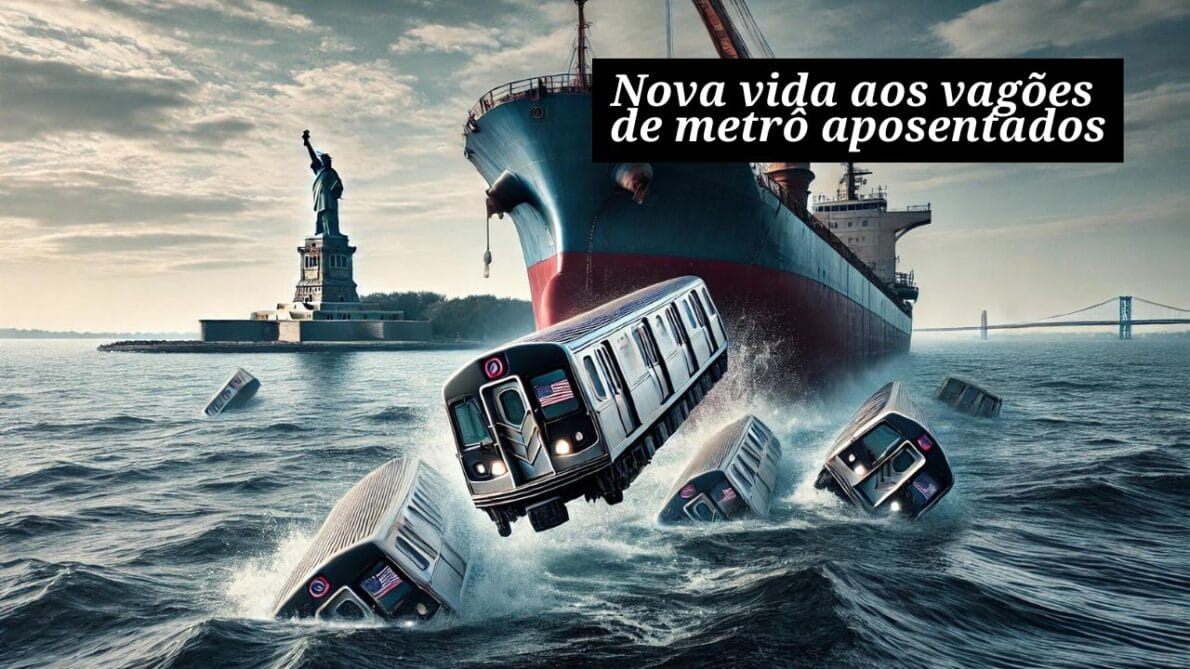


In A Bold Initiative, Subway Cars In The Ocean Have Become New York’s Latest Bet To Revitalize Marine Ecosystems.
You won’t believe what New York did with its old subway cars! Instead of simply retiring them, the city decided to transform more than 2,500 subway cars in the ocean into artificial reefs, and what happened is simply amazing.
Facing environmental challenges and the threats of climate change, New York found an innovative solution to give new life to its retired subway cars. The subway cars in the ocean now serve as a habitat for various marine species, revitalizing areas that were previously devoid of life.
How Are The Subway Cars Sunk In The Ocean?
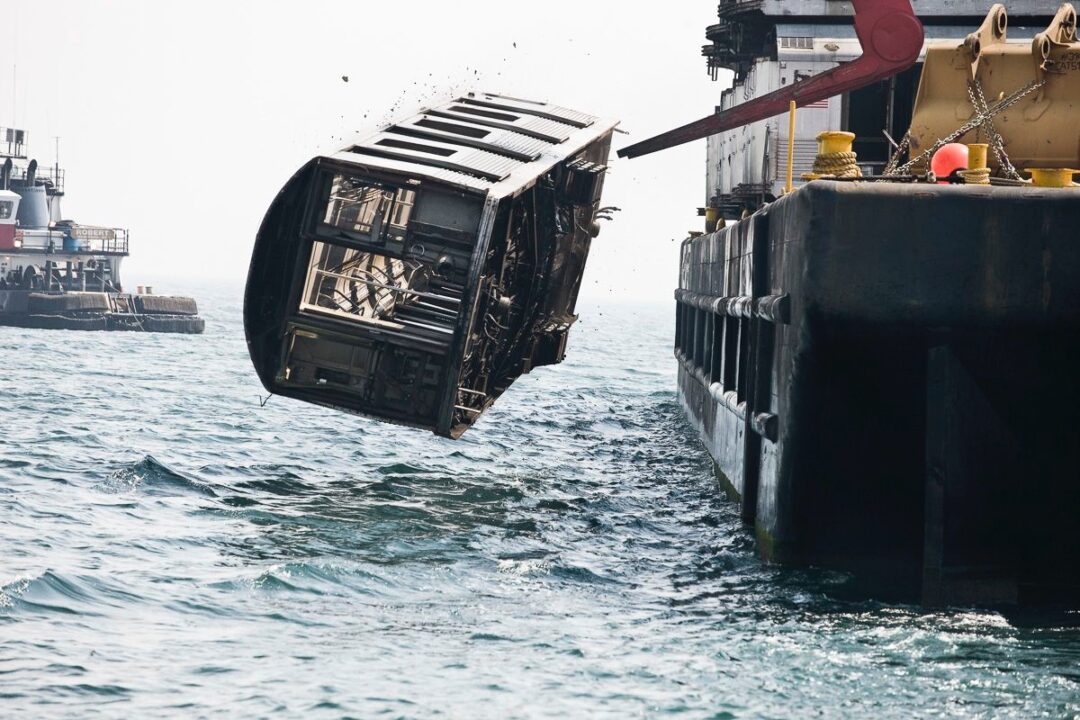
Before being launched into the sea, the cars undergo a rigorous preparation process. Workers remove glass, seats, signage, wheels, and any products that could pollute the ocean, such as oil and fuel. Only the metal structure of the cars remains, measuring about 15.5 meters long and 2.7 meters wide. Windows and doors are left open to allow water passage and marine life entry.
-
OceanPact Announces Acquisition of CBO and Creates One of Brazil’s Largest Maritime Support Structures with 73 Vessels, Annual Revenue Above R$ 4 Billion and R$ 14 Billion Backlog
-
With Extreme Winds, Giant Waves, and Unrestricted Currents, Drake Passage Is Considered the Most Violent Stretch of the Oceans
-
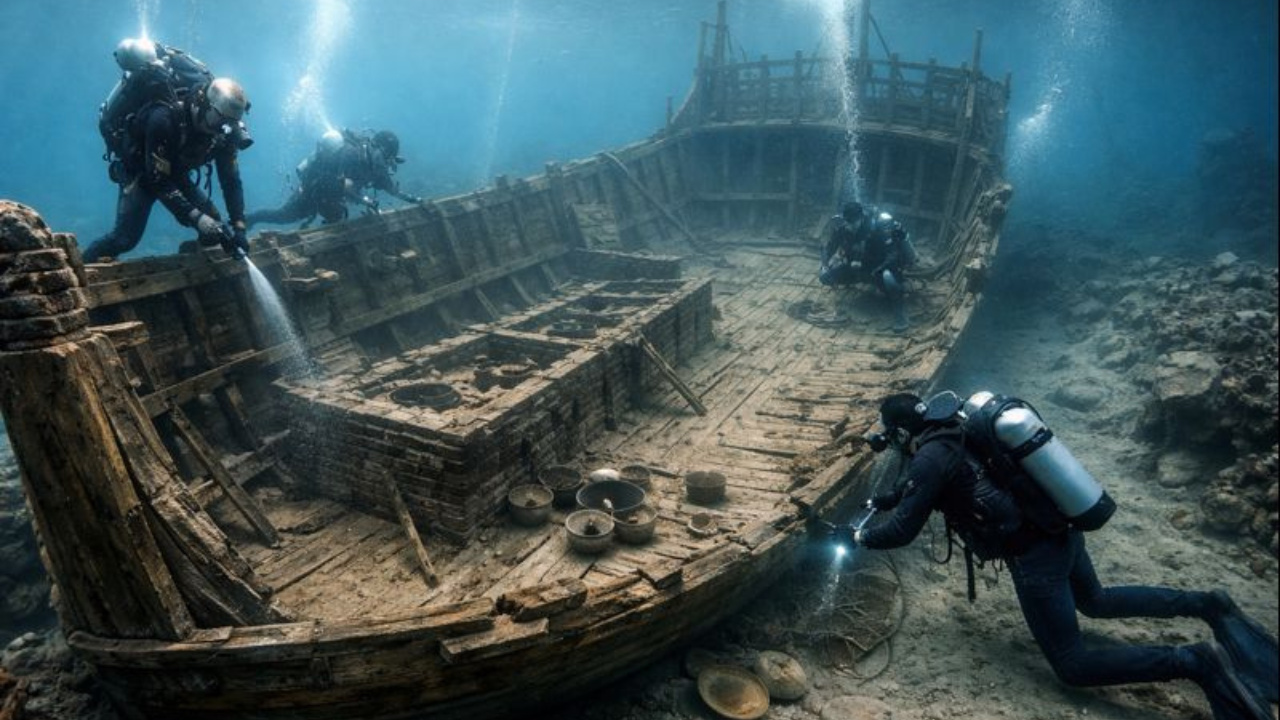
15th Century Merchant Ship Surprises Archaeologists
-
Odfjell Inaugurates First Operational Green Corridor Between Brazil and Europe Using Sustainable B24 on Maritime Routes and Reinforces Decarbonization Strategy

The Positive Environmental Impact
Once on the ocean floor, the subway cars in the ocean become homes to an impressive variety of marine species. They quickly become covered in algae and corals, providing shelter for 30 to 40 types of invertebrates, as well as shrimp, crabs, and marine worms. This new structure creates an abundance of food for the fish in the area, increasing local biodiversity.
Studies show that the amount of food around these artificial reefs is 400 times greater than on the sandy bottom surrounding them. This is especially beneficial for slower fish that have difficulty finding shelter and food.
Other Similar Initiatives
In addition to the subway cars in the ocean, a variety of other objects are used as artificial reefs along the U.S. East Coast. In Delaware, for example, there are at least 14 artificial reefs made from 89 thousand concrete products, 9 thousand tons of tires, and 86 decommissioned military vehicles and ships.
Despite the apparent benefits, some experts raise concerns about the potential negative impacts of this practice. There are fears that contaminated parts of the cars could pollute the marine ecosystem. Additionally, stainless steel cars may rust faster than expected, depending on the water conditions at each sinking site.
A Promising Future For Marine Life


Even with uncertainties, there is a growing optimism about the future of these artificial reefs. Over time, the subway cars in the ocean will further integrate into the surrounding ecosystems. Corals and various marine plants will thrive, strengthening the structure and creating an even richer and more diverse habitat.
Ultimately, the subway cars from New York are not just relics of the past, but also a bet on the future of marine life. Questions remain, but the hope is that, over time, they will become refuges for various species and help restore biodiversity.
And you, what do you think of New York’s initiative to transform subway cars in the ocean into artificial reefs? Share your opinion in the comments!






Eu acho q quem escreveu essa matéria não estudou nada ou foi pago pra fazer ela porque já tem anos que despejaram pneus no mar dos estado unidos com a intenção de fazer recifes d corais e já se sabe q foi um erro enorme além de não ajudar destruiu mais os recifes os pneus soltos são arrastados pela correnteza e batem nos recifes destruindo eles já foi até retirado alguns milhares desses pneus mas ainda tem muitos lá fodendo com a vida marinha mas enquanto tiver veículos de mídia como esse pagos para desinformar a população enquanto fala bem de projetos claramente destinados a facilitar a vida de políticos e empresários q querem encontrar formas baratas se se livrar de seus lixos sem gastar nada e ainda passando por bom samaritano
Eles já fizeram isso com pneus no passado. O resultado foi um impacto ambiental terrível. O filme se repete.
Isso é o maior KAO.