





 Portuguese
  English
  Spanish
  3 min of reading
  0 comments


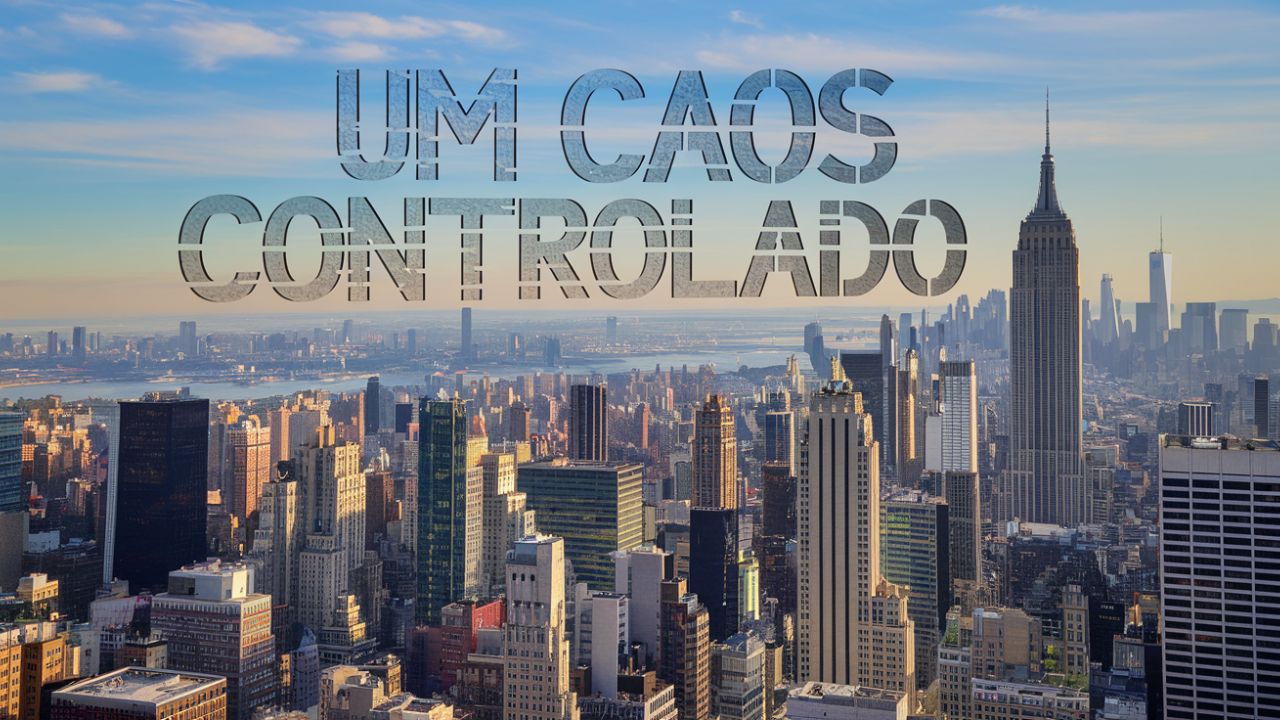
With More Than 100 Hours Annually Lost in Traffic and US$ 20 Billion in Losses, New York Implemented an Urban Toll That Reduced Vehicle Flow by 63% and Made Public Transport Up to 28% Faster.
New York without traffic jams? It seems like a distant dream, but the city managed something close to that in just two weeks. Known for historic traffic jams and crowded streets, the “capital of the world” resolved to transform urban chaos into efficiency with a bold solution: the urban toll. Let’s explore how this happened and what it could mean for other large cities.
The Urban Chaos That Paralyzed New York
When it comes to traffic, New York was the world champion of congestion. In 2023, drivers spent an impressive 101 hours per year stuck in traffic, especially in Manhattan. This number surpassed cities like London and Paris, showing the negative impact on productivity and on the mood of those who needed to get around the area.
According to the Xataka portal, these traffic jams had a high cost: US$ 20 billion in lost productivity per year. It was more than a mobility problem; it was a “theft” of time and money from New Yorkers. Something needed to change.
-
Brazilian city bets on the business environment to generate jobs and attract investments in the energy sector — secretary reveals strategy at Macaé Energy 2026.

-
50 viaducts, 4 tunnels, 28 bridges, and 40 kilometers of bike paths: BR-262 in Espírito Santo will receive 8.6 billion reais for the largest engineering project in the state’s history, inspired by the Immigrant Highway in São Paulo.

-
Brazil produces too much clean energy and doesn’t know what to do with it: over 20% of solar and wind capacity was wasted in 2025 while investors flee and 509 renewable generation projects were abandoned in the last year.

-
Piauí will produce a new fuel that replaces diesel without needing to change anything in the truck’s engine and reduces pollutant gas emissions by half: truck drivers from all over the Northeast are already celebrating the news that will arrive later this decade.

The Revolutionary Solution: Urban Toll

On January 5, 2025, New York implemented an urban toll in the most congested area of Manhattan, called the Congestion Relief Zone. The idea is simple but powerful: charge a fee to those entering the designated zone. The amount varies from US$ 14.50 for cars to over US$ 30 for trucks, with discounts for less busy hours and for E-ZPass users.
The goal? Encourage the use of public transport and alleviate traffic. All revenue collected goes directly to improvements in public transport, such as faster and more accessible buses.
Surprising Results in Record Time
The results appeared almost immediately in New York. In the first two weeks, vehicle flow in the zone dropped dramatically. In just the first week, 273,000 fewer cars circulated in the area. This resulted in clearer streets and speeds up to 40% higher on some bridges and tunnels.
Buses, which previously faced huge delays, are now much more efficient. The SIM24 route, which connects Manhattan to Staten Island, became seven minutes faster, while the B39 saved four minutes on its route. For those who depend on public transport, this was a transformative change.
The Population Reaction and the Challenges of the Project
Not everything was praise. Despite the obvious benefits, the toll faced resistance from residents, associations, and even the teachers’ union. Some argue that the measure harms workers who need to drive into Manhattan, while others question its long-term effectiveness.
There are legal challenges in New York. The project faces lawsuits and criticism within the Democratic Party itself, especially from politicians in New Jersey, who argue that the measure negatively affects residents of the neighboring state.










-

-

2 pessoas reagiram a isso.