





 Portuguese
  English
  Spanish
  4 min of reading
  0 comments



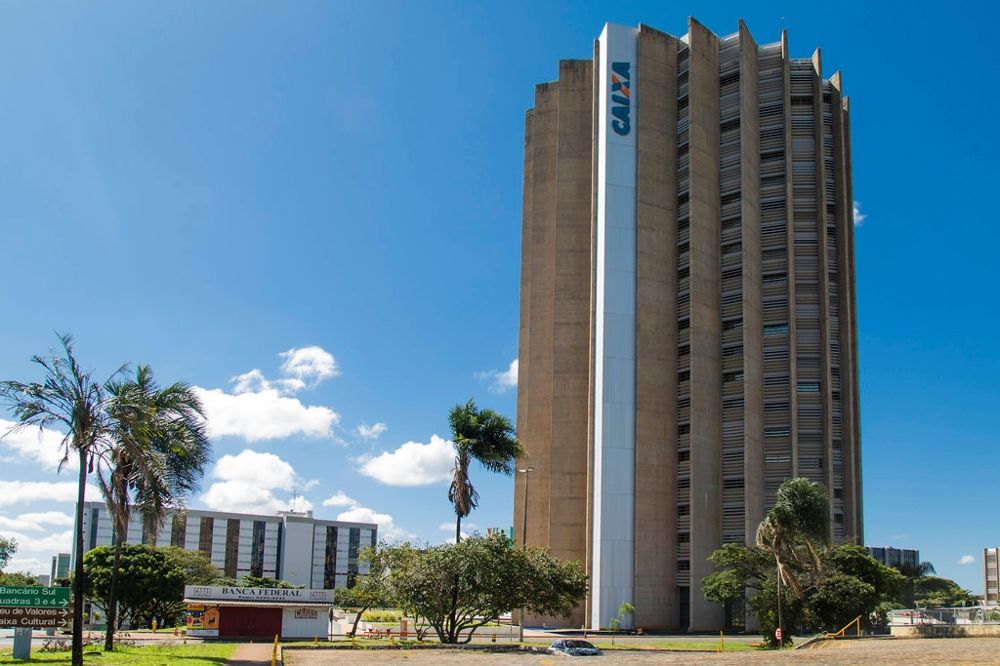
If You Thought Financing a Property in Brazil Was Complicated, Get Ready! The New Rules from Caixa Econômica Promise to Change the Scenario and, of Course, Make Home Acquisition a Little More Challenging. Starting November 1st, the state bank, responsible for about 70% of financings in Brazil, Will Implement a Series of Changes That Increase the Down Payment Required for Those Dreaming of Getting Out of Renting.
The Main Change Coming with the New Rules from Caixa Econômica Involves the Increase in the Down Payment for Financing. Previously, with the Constant Amortization System (SAC), the buyer Needed to Disburse 20% of the Property Value, Now This Percentage Has Increased to 30%. In the Price System, the Change is Even More Radical, with the Down Payment Rising from 30% to 50%.
These Changes Are Directly Related to the Need for Adjustment to the Current Economic Scenario, Which Includes the Constant Rise of Selic, the Basic Interest Rate. The Rise of Selic, Currently Above 10%, Pressures the Entire Real Estate Credit Market, Causing Banks to Adjust Their Conditions to Keep Up with the Cost of Money.
But the New Rules from Caixa Econômica Do Not Apply Only to the Bank
Other Major Players in the Sector, Such as Itaú, Bradesco, and Santander, Are Also Reviewing Their Rates. Itaú, for Example, Has Already Increased Its Average Rate, Which Is Now 10.79% per Year, Plus the Referencial Rate (TR). Bradesco, for Its Part, Is “Evaluating” Possible Adjustments, While Santander, in a Statement, Has Already Indicated That Rate Increases Are a Trend, Given the Long-Term Interest Rate Scenario.
-
Brazilian city bets on the business environment to generate jobs and attract investments in the energy sector — secretary reveals strategy at Macaé Energy 2026.

-
50 viaducts, 4 tunnels, 28 bridges, and 40 kilometers of bike paths: BR-262 in Espírito Santo will receive 8.6 billion reais for the largest engineering project in the state’s history, inspired by the Immigrant Highway in São Paulo.

-
Brazil produces too much clean energy and doesn’t know what to do with it: over 20% of solar and wind capacity was wasted in 2025 while investors flee and 509 renewable generation projects were abandoned in the last year.

-
Piauí will produce a new fuel that replaces diesel without needing to change anything in the truck’s engine and reduces pollutant gas emissions by half: truck drivers from all over the Northeast are already celebrating the news that will arrive later this decade.


How Will Financing in Brazil Be After the Changes?
These New Rules from Caixa Econômica May Further Hinder Access to Credit for Buying Properties, Especially for Families That Depend on Financing in Brazil to Achieve the Dream of Home Ownership. With the Higher Down Payment Required, Real Estate Financing Will Require Even More Robust Financial Planning from Buyers.
According to the Brazilian Association of Real Estate Credit and Savings Entities (Abecip), Real Estate Credit in Brazil Is Expected to Total R$ 270 Billion in 2024, with Significant Growth Already Recorded in the First Half of 2023. However, Even With This Growth, Credit Costs Are Increasing, Due to the Rise of Selic and the Decrease in Funding from Savings, a Traditional Source of Financing.
Sandro Gamba, President of Abecip, Has Already Warned That the Situation Is Likely to Continue to Get Complicated, Especially Following the Resolution 5.119 from the National Monetary Council (CMN), Which Extended the Liquidity Period for Real Estate Credit Letters (LCI). This Is Expected to Further Pressure Financing in Brazil.
Alternatives to Traditional Financing
Given the Challenges Imposed by the New Rules from Caixa Econômica and the Rise in Interest Rates, Many Consumers Are Seeking Alternatives to Overcome the High Cost of Real Estate Credit. According to Fabio Louzada, Financial Planner and Founder of Eu me Banco, Options Include Real Estate Consortia and Property Auctions.
“The Consortium Can Be Interesting for Those Who Are Not in a Hurry to Acquire the Property. Auctions, on the Other Hand, Offer the Possibility of Buying with Up to 50% Discount, but Care Must Be Taken with Details, Such as Condominium and IPTU Debts, Which May End Up Being More Expensive than the Property Itself,” Warns Louzada.
These Options, Although Viable, Require Attention to Contractual Details and Meticulous Financial Planning, Especially in the Case of Auctions, Which Involve Specificities Such as Settling Outstanding Debts from the Purchased Property.
New Rules from Caixa Econômica Impact Thousands of People
The New Rules from Caixa Econômica Promise to Affect the Finances of Those Who Wish to Buy a Property. With the Higher Down Payment Required and the Rise in Interest Rates, Real Estate Financing Will Become More Expensive and the Dream of Home Ownership Will Be More Distant for Many Brazilians. In the Meantime, Alternatives Such as Consortia and Auctions Are Emerging as Options, but Not Without Risks.
Now, More Than Ever, It Is Essential for Those Who Wish to Buy a Property to Be Aware of Credit Conditions and Carefully Assess the Right Moment to Close a Deal. After All, Every Real Saved Makes a Difference in This Challenging Real Estate Financing Scenario in Brazil.









Seja o primeiro a reagir!