





 Portuguese
  English
  Spanish
  3 min of reading
  0 comments


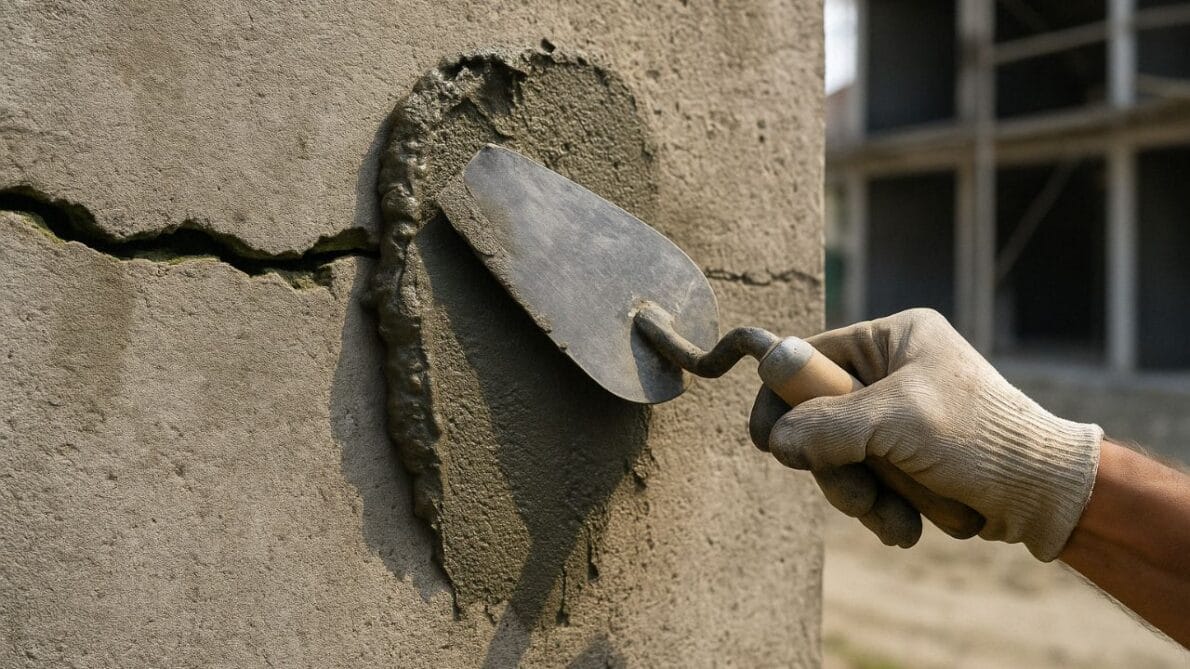
Material Uses Bacteria to Self-Heal and Promises to Reduce Maintenance Costs and Environmental Impacts
Researchers have developed a new type of concrete capable of self-repairing, called “living concrete.” The innovation uses bacteria that produce minerals to automatically close cracks, which could transform the way construction is done and maintained in the future.
How Does Self-Healing Concrete Work?
The so-called living concrete is a biotechnological material that incorporates bacteria during manufacturing. When cracks occur, these bacteria come into contact with moisture and activate a chemical process that generates mineral crystals capable of filling the fissures, autonomously sealing the structure. According to a report from Interesting Engineering, this technology represents a significant advancement in the durability of built structures.
The use of this type of concrete could drastically reduce maintenance costs, prevent leaks, extend the lifespan of bridges, buildings, and sidewalks, and decrease the environmental impact of large construction projects. With less need for repairs, material consumption and pollutant emissions during repairs are also minimized.
-
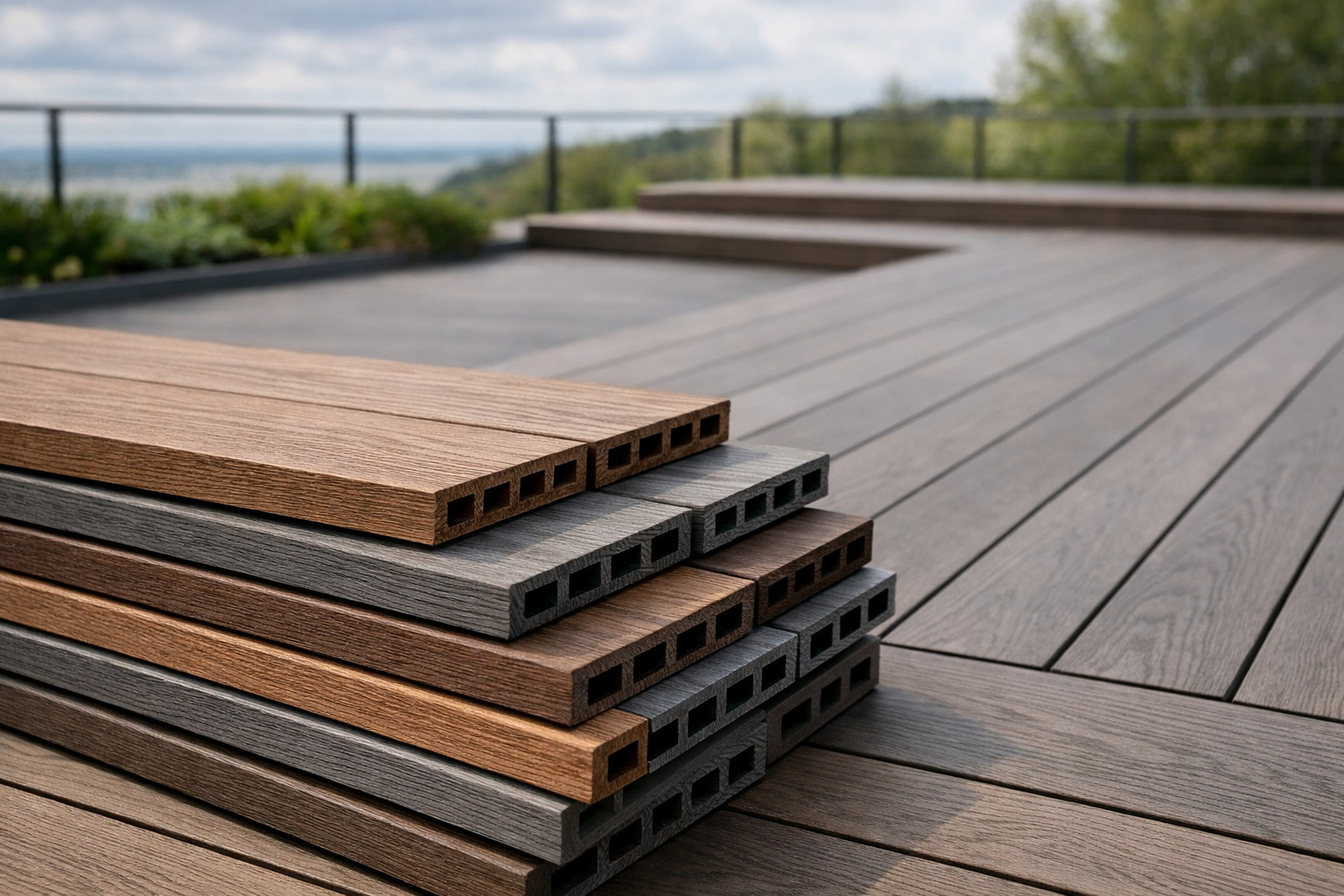
Made from recycled plastic, plastic wood is gaining space in the construction industry because it does not rot, resists moisture, and reduces maintenance costs over the years.
-
Florianópolis will receive a million-dollar BRT that will begin construction in 2026 with nearly 400 million in funding from the federal government and the Inter-American Development Bank, and the map already shows the routes for the exclusive bus corridors.

-
Without a blueprint, without an engineer, and using scrap from the dump, a father spends 15 years building an 18-room castle for his daughter, featuring tram tracks, 13 fireplaces, and over 700 m², which may now be demolished.

-
A megaproject worth R$ 89 billion is advancing in Iraq and promises to change the game in global trade by creating a new corridor between Asia and Europe, reducing traditional routes and repositioning the country as a logistics powerhouse.


Sustainability as a Priority in Construction


The construction sector is historically one of the biggest consumers of natural resources and energy. The adoption of smart materials like living concrete can represent a new paradigm, where durability is combined with environmental responsibility. Buildings that “take care of themselves” are not just a futuristic dream; they are already being tested and developed at universities and innovation centers around the world.
In addition to its practical function, living concrete also inspires new possibilities in architectural design. Being a responsive material, it allows engineers and architects to explore bolder structures without compromising integrity over time.
The Future of Engineering is Transforming
This technology is still in the testing phase, but it has already captured the attention of major companies in the sector. The expectation is that, with advances in bioengineering, self-repairing materials like living concrete will become commonplace in urban and civil infrastructure projects.
Over time, this innovation may not only change the way we build but also redefine the standards of sustainability, safety, and longevity in construction. The era of smart and resilient buildings has already begun, and all indications are that it is here to stay.
Practical Applications in Future Construction
Although still in testing, living concrete is already being studied for use in large infrastructure projects such as bridges, tunnels, parking lots, and public sidewalks, places where the emergence of micro-cracks is common. The technology could be especially useful in regions with high humidity levels, where cracks spread rapidly and compromise structural safety. The proposal is for these structures to “heal themselves,” without the need for interruptions for repairs, which also reduces logistical and operational costs.
Furthermore, universities and research centers have been testing the material in urban settings, simulating real usage conditions. The expectation is that, in the coming years, this type of smart construction will begin to integrate sustainable engineering standards in various countries, including incentives from public policies aimed at ecological innovation.
Living Concrete and Bioengineering in Construction
The advancement of living concrete is directly linked to the growth of bioengineering in the construction sector. The integration of living organisms into previously static materials represents a radical shift in the concept of building. By allowing a wall to “sense” and “respond” to structural damage, this technology breaks with traditional methods and paves the way for more resilient, intelligent buildings aligned with the environmental goals of the 21st century.
According to experts consulted by Interesting Engineering, it is possible to imagine, in the future, entire buildings that autonomously adjust their structure, responding to impacts, natural wear and tear, or even extreme weather conditions. Living concrete is just the first step in this transformation, and it is already beginning to leave its mark on global engineering.








-

Uma pessoa reagiu a isso.