





 Portuguese
  English
  Spanish
  4 min of reading
  0 comments


New Pix Scam Uses “Ghost Hand” to Drain Accounts in Fake Calls. Know How the Scam Works and How to Protect Your Bank Account in Brazil.
A new Pix scam is spreading quietly and worryingly in Brazil, allowing scammers to empty bank accounts in minutes without the victim realizing until it’s too late. Known as the “ghost hand,” this type of fraud takes advantage of customers’ fear and trust in their banks, turning a simple phone call into a financial nightmare. Just at the beginning of 2025, nearly 3,500 cases were reported in the country, according to Kaspersky, reinforcing the alert about the importance of understanding how it works and why it is so easy to fall into this trap.
How the “Ghost Hand” Fraud Works
Unlike traditional scams that rely on suspicious links or malicious apps, the new Pix fraud is based on phone calls that perfectly imitate the service of banking call centers. The scam begins when the victim receives a call from a supposed bank employee, usually informing them of suspicious transactions or security blocks, creating a sense of urgency that lowers the person’s guard.
During the conversation, the scammer instructs the victim to install a remote access application on their phone, claiming it is necessary to fix the problem. These applications are legitimate, used for technical support, which leads the victim to believe they are performing a safe procedure. It is at this moment that the trap is set.
-
China alone accounts for 70% of trade within the BRICS, while Brazil establishes itself as an essential supplier of food and minerals: understand how the group, which already represents nearly 40% of the world’s GDP, is changing the game.

-
Starting in May, those who do not have registered biometrics will not be able to apply for Bolsa Família, sickness benefits, or unemployment insurance: understand the new rule that changes access to benefits for millions of Brazilians.
-
A new law being voted on in Brazil proposes a minimum fare of R$ 10 per trip and R$ 2.50 per kilometer for Uber and 99 drivers, and promises to ensure they earn as well as taxi drivers did during the golden age of taxis in the country.

-
Bauer Group collapses after failed judicial recovery: 25 years, 800 vehicles, and a network of gas stations leave a debt of R$ 50 million and 100 layoffs, exposing costs, tight margins, and expensive credit in Brazil.



With access granted, the criminals take control of the device remotely, navigating the phone as if they were physically holding it. The victim watches, often not fully understanding what is happening, while the scammer accesses the banking app and makes transactions via Pix.
With each command, there is a feeling that an “invisible hand” is manipulating the phone, executing the operations swiftly and accurately. Hence the name “ghost hand,” which aptly defines the terror experienced by those who go through this experience.
Why This Pix Scam Is So Effective?
The effectiveness of the “ghost hand” scam lies in the use of social engineering techniques that manipulate emotions such as fear and urgency. By informing that the account may be blocked or that a fraud is being investigated, the scammers manage to break the victims’ resistance and lead them to follow each step without questioning.
Additionally, the use of known and legitimate applications for remote access decreases suspicion, and since the phone’s owner themselves authorizes the access, traditional security mechanisms are unable to block the fraud.
Another factor that makes the scam dangerous is the false sense of control on the part of the victim, who believes they are solving a real problem. While typing passwords or confirming accesses for “data verification,” they are actually allowing the scammer to complete the transactions via Pix. In many cases, when the victim realizes what has happened, the money has already been transferred, and the bank account is practically empty.
What Banks and Experts Are Warning About the “Ghost Hand”
According to cybersecurity experts, such as the team at Kaspersky, this scam does not occur merely by receiving the call, but rather by following the instructions of the supposed representative. Banks and consumer protection entities emphasize that no financial institution requests the installation of apps or passwords via phone, and any call with such requests should be immediately terminated.
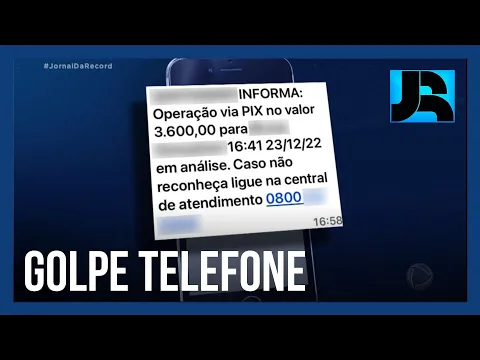
Despite this, the naturalness with which criminals conduct the conversation and the urgency created to force quick decisions are factors that continue to make new victims daily in Brazil.
The experts’ recommendation is clear: upon receiving any suspicious call, the victim should hang up immediately and contact the bank through official channels before taking any action on their phone. Keeping banking apps updated, using two-factor authentication, and adopting strong passwords are measures that help reduce risk but do not replace the need for attention and caution in situations involving unexpected phone contact.
The Importance of Acting Quickly If You Fall for the Scam
If you realize you have fallen victim to the Pix scam with the “ghost hand,” the guidance is to act quickly to try to reverse the damage. It is essential to immediately contact the bank to block transactions and activate the Special Mechanism for Refund (MED), which may allow the recovery of funds, depending on the time and situation of the transfer. It is also necessary to file a police report, change passwords, and monitor the account for suspicious movements.
The Pix has brought practicality and agility to the Brazilian financial system, but it has also opened doors for scams to become faster and harder to trace. The “ghost hand” scam reinforces that digital awareness is one of the best defenses for consumers, showing that the protection of your data and your account starts with paying attention to your own behavior, especially in situations involving urgency and emotional pressure.










Seja o primeiro a reagir!