





 Portuguese
  English
  Spanish
  4 min of reading
  1 comment


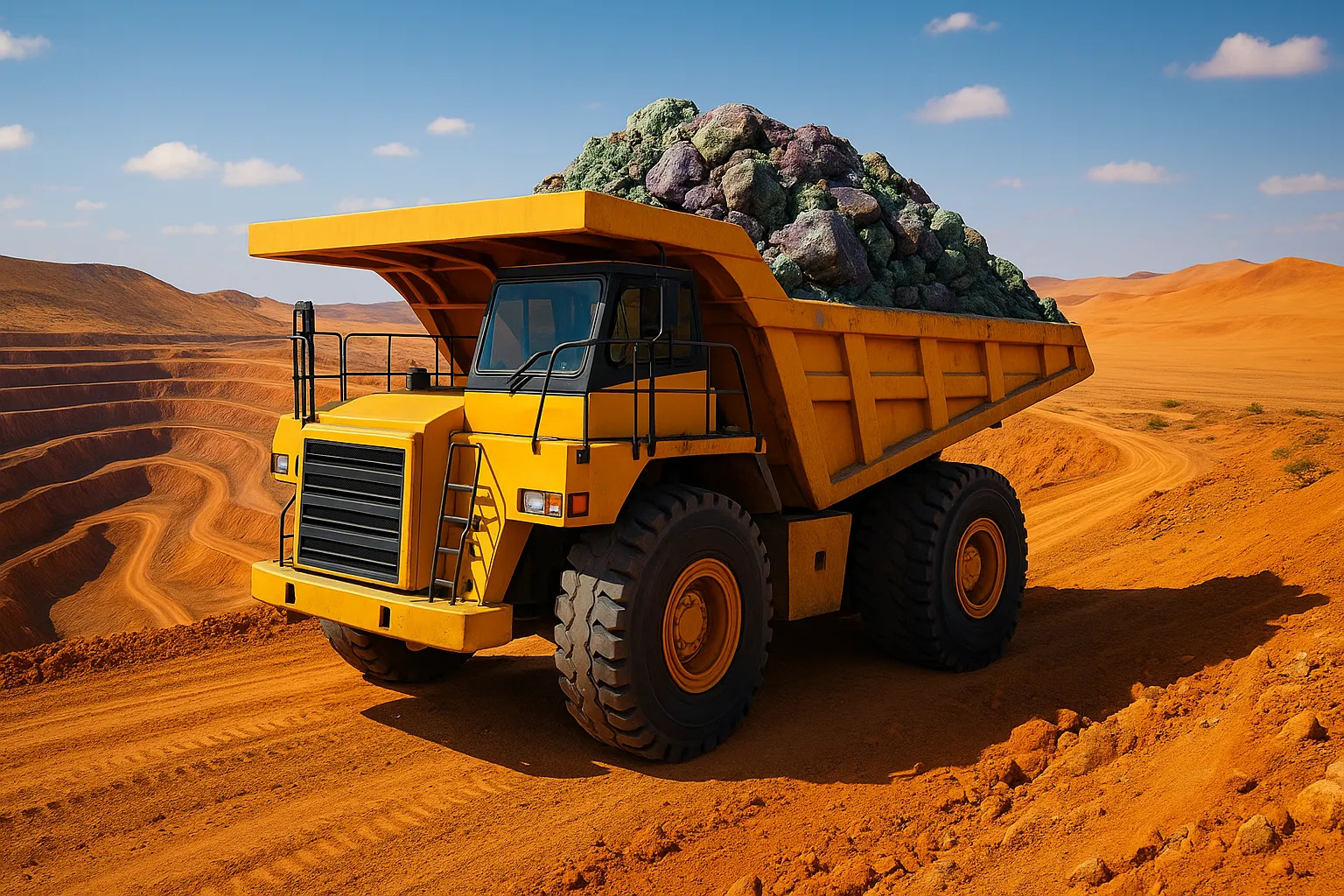


Deposit Identified in Clay Formations with Ionic Adsorption in Utah Contains 16 Strategic Minerals, Has an Average Grade of 2,700 ppm, and May Reduce the United States’ Dependence on Foreign Suppliers
An American manufacturer has confirmed the discovery of a large deposit of rare earths and critical minerals beneath the Utah desert, with potential to supply artificial intelligence, defense, and electric vehicles, reduce external dependence, and move towards production after independent analyses and current licenses.
Technical Confirmation and Location of the Deposit
Ionic Mineral Technologies, based in Provo, announced that independent analyses verified one of the most significant concentrations of rare earth elements and critical technology metals in North America, located in the Silicon Ridge project in Utah.
The deposit was identified in clay formations with ionic adsorption, considered strategic as they account for approximately 35 to 40% of China’s total rare earth production and over 70% of the global heavy rare earth supply.
-
What if the Sun disappeared suddenly? Simulation shows Earth in darkness within minutes, extreme cold, and rapid collapse of life on the planet.

-
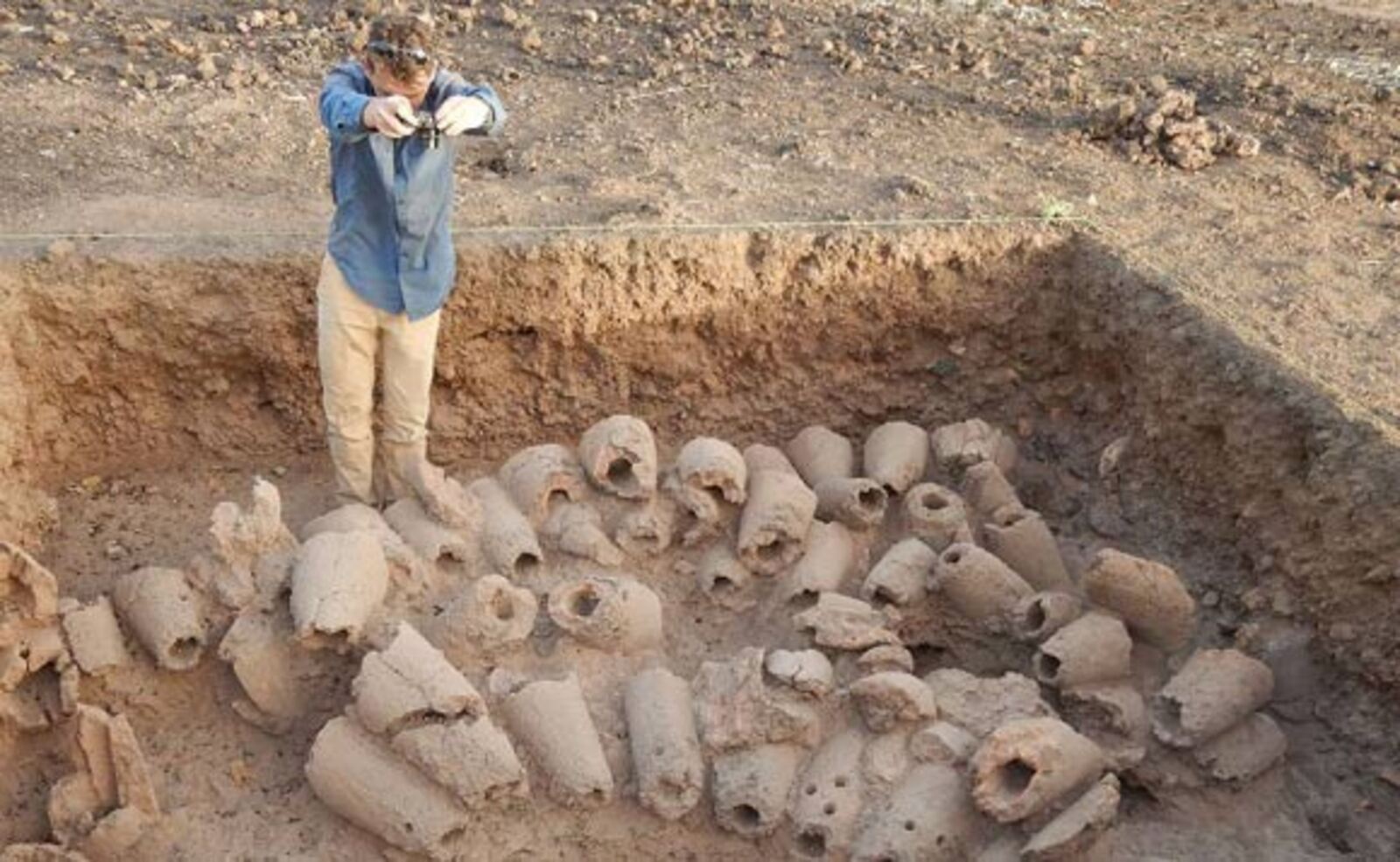
A 2,400-year-old iron foundry has been discovered in Senegal with 100 tons of slag, 35 furnace bases, and signs of nearly eight centuries of continuous metallurgical activity.
-
Four humans are flying towards the Moon inside the Orion capsule launched by the SLS rocket, and on April 6, Artemis II will disappear behind the far side of the Moon without communication with Earth for nearly an hour.

-
Worlds covered by water, atmospheres filled with hydrogen, and the possibility of life beyond Earth: ocean planets are rewriting the map of cosmic search and forcing scientists to rethink where to look.


According to the company, the confirmed area totals 74,000 square feet and contains about 16 different types of high-quality minerals, including lithium, gallium, germanium, rubidium, cesium, vanadium, tungsten, and niobium, as well as light and heavy rare earths.
Drilling Data and Verified Average Grade
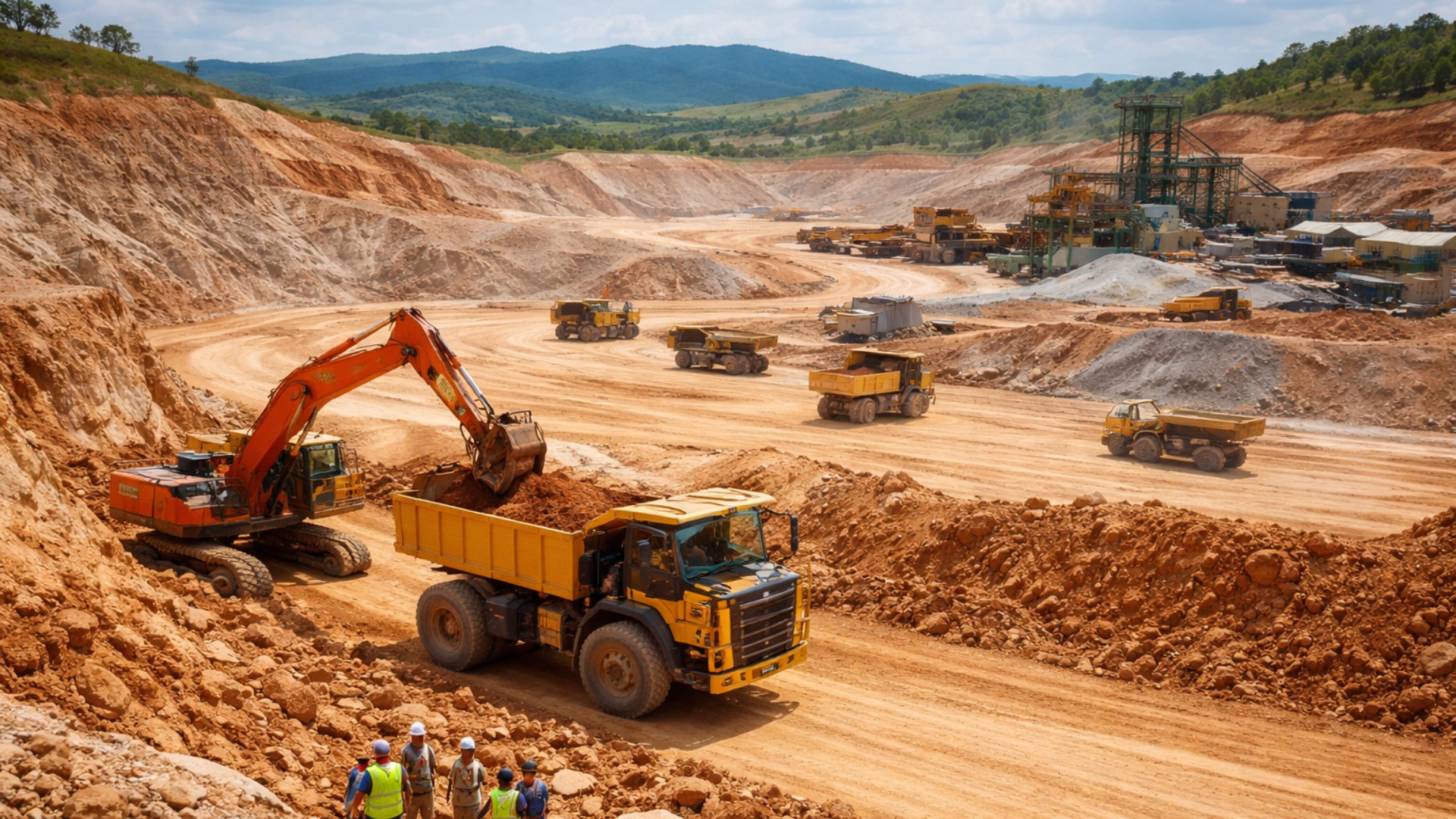
Ionic MT reported that the results are based on data from 106 drill holes, totaling over 10,000 meters drilled, equivalent to 32,808 feet, as well as 35 trenches distributed over an area of 650 acres.
These works revealed a combined average grade of rare earths and critical metals of approximately 2,700 parts per million in the clay fraction, a value considered high compared to similar international deposits.
For technical reference, Chinese ionic adsorption clay deposits have grades ranging from 500 to 2,000 ppm. In the Utah project, this grade has been confirmed so far in only 11% of the assessed area and at depths close to 30 meters.
According to the company, this initial confirmation stage indicates significant potential for expansion both in area and volume as new exploration phases advance over the remaining available land.
Company Statements and Extraction Method
“This confirmation represents a turning point for the United States’ resource independence,” said Andre Zeitoun, CEO and founder of Ionic MIT, commenting on the technical results validated by independent analyses.
Zeitoun highlighted that the deposit creates a rare opportunity to produce a broad spectrum of critical minerals on American soil, using a faster and cleaner extraction process than traditional hard rock mining.
The method employed by Ionic MT is based on low-temperature ion exchange, eliminating the need for high-temperature processing or the use of strong acids, with recovery rates that can reach 95%, according to data released by the company.
“With our mining licenses and processing facilities operational, we can now move quickly to production,” said Zeitoun, adding that this reduces a critical strategic vulnerability for the United States.
Strategic Impact and Political Positioning
The discovery comes in a context of growing concern over global supply chains, marked by China’s historical dominance in the rare earth market and recent restrictions on the export of critical minerals.
U.S. officials have warned that the shortage of these materials could jeopardize advanced manufacturing, energy technologies, and electronics production, directly affecting sectors related to national security and industrial competitiveness.
“Utah is proving once again that we have the largest resources, vision, and determination to drive America’s future,” said Stuart Adams, President of the Utah Senate, commenting on the project’s potential in the state.
Mike Schultz, Speaker of the Utah House of Representatives, stated that “our energy and national security depend on a reliable supply of critical minerals,” emphasizing that the state is uniquely positioned to lead this process.
Schultz added that Ionic Mineral Technologies is helping to reduce dependence on foreign adversaries while creating opportunities, long-term stability for Utah families, and strengthening the local economy, even with some initial impact.
Next Steps and Economic Timeline
Ionic MT reported that it has already initiated a Preliminary Economic Assessment to gauge the financial viability of the project, including costs, production capacity, and market prospects for the identified minerals.
Initial results of this assessment are expected in the first half of 2026. Meanwhile, the company has hired a major investment bank to act as a capital markets advisor, supporting the next stages of the undertaking.








Depósitos de 2000 ppm não tem viabilidade econômica devido aos autos custos dos insumos para separação.