





 Portuguese
  English
  Spanish
  5 min of reading
  0 comments


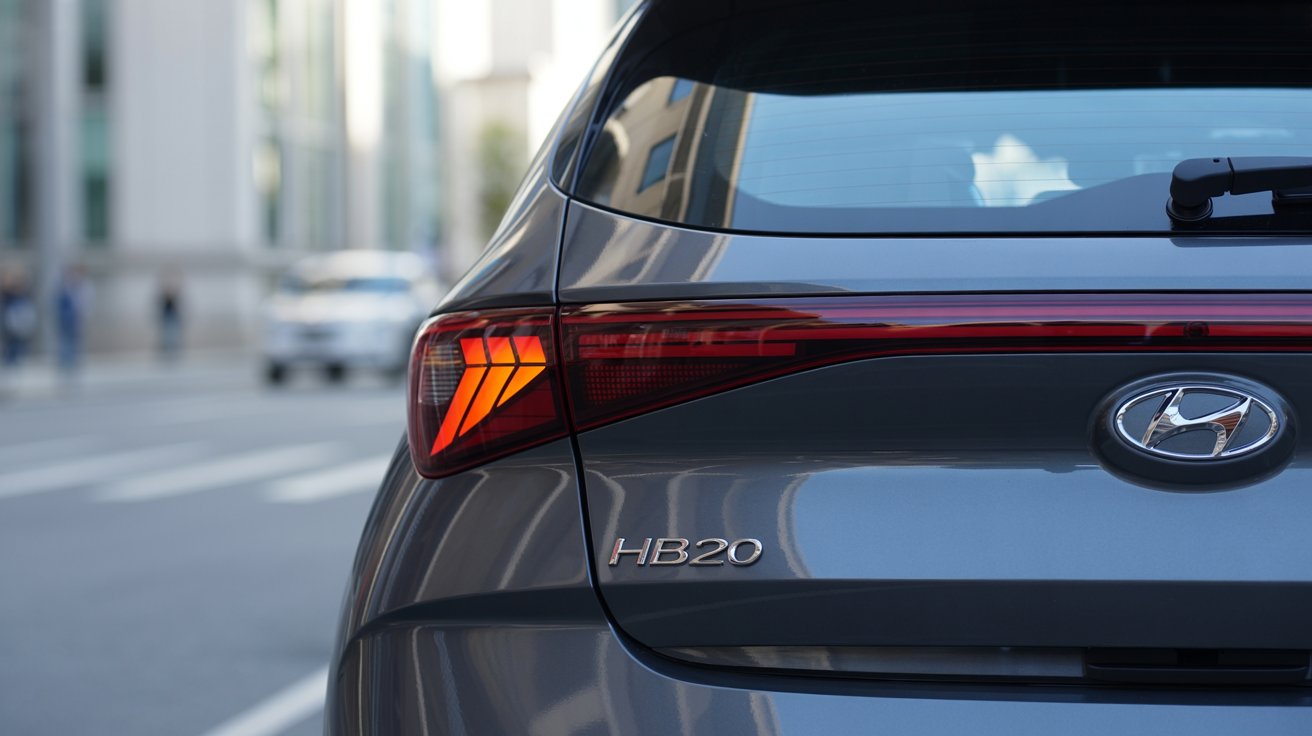
With Design Inspired by Global Models and Technological Innovations in the Mechanical Set, the Hyundai HB20 2026 Promises to Energize the National Market and Raise the Standard Among Compacts.
The Hyundai HB20 2026 has been spotted testing again on the streets of Piracicaba, a city in the interior of São Paulo where Hyundai’s main factory in Brazil is located.
Even under dense camouflage, the hatchback indicates that it will undergo deep changes to compete in the compact segment against models like Volkswagen Polo, Chevrolet Onix, and Toyota Yaris, aiming to meet an increasingly demanding audience in design, technology, and efficiency.
Futuristic Design and Dimension Expansion
Currently, automotive media vehicles, such as Mobiauto, indicate that the new generation of the HB20 will be accompanied by an unprecedented coupe SUV, designed to replace the HB20S sedan and compete directly with the Volkswagen Nivus.
-
The car stored for 38 years: when opening the barn door, what appears is breathtaking and looks like a scene from a movie!

-
Fiat works miracles in the Brazilian market, lowers the price of its 0 km hatch to R$ 69,990, reestablishes the model as the cheapest car in the country, and reignites the battle against Kwid and C3.
-
Chevette with cooking gas: How the gas cylinder ends up being used in cars clandestinely and why this makeshift solution can result in leaks, explosions, damaged engines, and seized vehicles.

-
Fiat launches the new 2027 Toro hybrid with 48V, 176 hp, an electric motor of 15.5 hp, a 0.85 kWh battery, up to 7% fuel savings, 8% fewer emissions, and possible exemption from IPVA.

The launch of the new HB20 is scheduled for 2026, while the derived SUV will arrive shortly after, strengthening the South Korean brand’s presence in the Brazilian market.
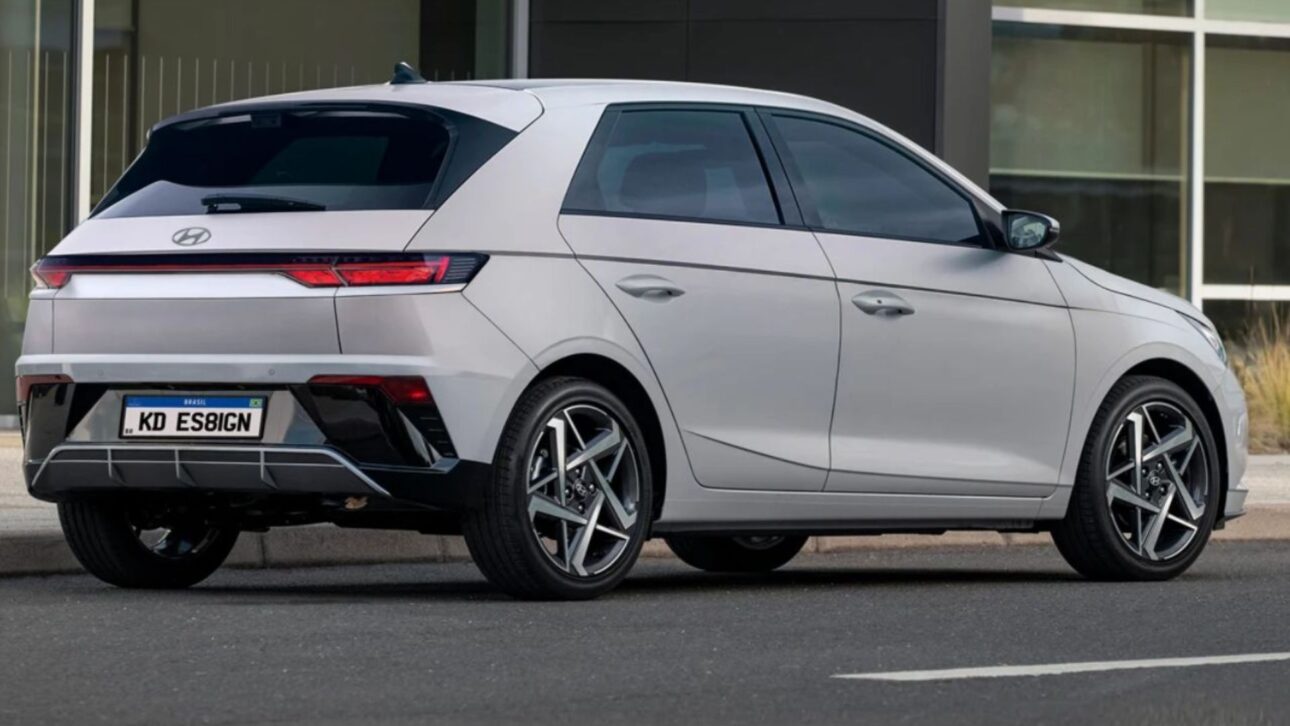
The design of the Hyundai HB20 2026 remains a secret, but information from industry sources reveals that the next generation will follow a visual language inspired by global models such as Ioniq 5, Nexo, and Palisade.
It is expected that the body will adopt a wedge shape, a trend in futuristic vehicles, giving the compact an innovative look.
Additionally, the hatch will have expanded dimensions, reaching about 4.10 meters in length and 2.58 meters in wheelbase, measurements that surpass the current model, which has 4.01 meters in length and 2.53 meters in wheelbase.

With this growth, the new HB20 is approaching the size of the Volkswagen Polo, which features a 2.57-meter wheelbase.
New Technologies in the Mechanical Set
Among the aesthetic innovations, it is speculated that the front will feature a LED strip connecting the headlights, a solution already present in other Hyundai models that reinforces the proposal for modernity.
At the rear, the taillights are expected to be interconnected, evolving the concept already adopted in the current HB20, but with internal lighting, a technology previously restricted to the sedan version, the HB20S.
In the mechanical set, the brand bets on a balance between tradition and innovation to maintain profitability and competitiveness.
The 1.0 flex aspirated engine, which develops up to 80 horsepower and a maximum torque of 10.2 kgfm, is likely to be retained for entry-level versions.
The 1.0 turbo engine, recognized for delivering up to 120 horsepower and 17.5 kgfm of torque, is expected to receive significant updates.
Among these, the adoption of direct fuel injection from the SmartStream family stands out, a technology that improves energy efficiency and performance.
This evolution is already seen in other models from the Hyundai-Kia group, such as the Kia Stonic, and represents an important step to meet new emission standards and the profile of Brazilian consumers, who are increasingly attentive to fuel economy.
Mild Hybrid System and Focus on Efficiency
Another innovation expected for the Hyundai HB20 2026 is the implementation of the mild hybrid system.
This is a technological feature that replaces conventional alternators and starter motors with a small electric motor, powered by a low-capacity battery, that assists the combustion engine in specific situations, such as starts and accelerations.
According to specialists, this solution provides greater energy efficiency without significantly raising the vehicle’s cost.
According to an analysis by Autoesporte, Hyundai’s strategy is to align the HB20 with the global trend of electrification, making it more competitive against rivals Volkswagen Polo, Chevrolet Onix, and Toyota Yaris, who are also investing in innovations to reduce consumption and emissions.
Equipment Package and Focus on the Brazilian Consumer
The technological evolution of the HB20 is not limited to the engine.
The 2026 model is expected to bring a more advanced equipment package, including state-of-the-art multimedia center, new connectivity options, and enhanced safety features, such as driving assistants and improved stability and traction controls.
Additionally, there is an expectation that driver assistance systems will be improved, similar to what happens in other markets where Hyundai operates, consolidating the hatch as one of the most modern in the national segment.
According to industry sources, Hyundai’s strategy with the HB20 2026 aims not only to attract new customers but also to maintain the loyalty of those who already own the model.
The hatch is currently one of the best-selling vehicles in Brazil, often ranking highly in the National Federation of Automotive Vehicle Distribution (Fenabrave) sales chart.
In 2024, the HB20 ended the semester among the sales leaders, confirming its relevance in the national landscape.
Intense Competition in the Compact Segment
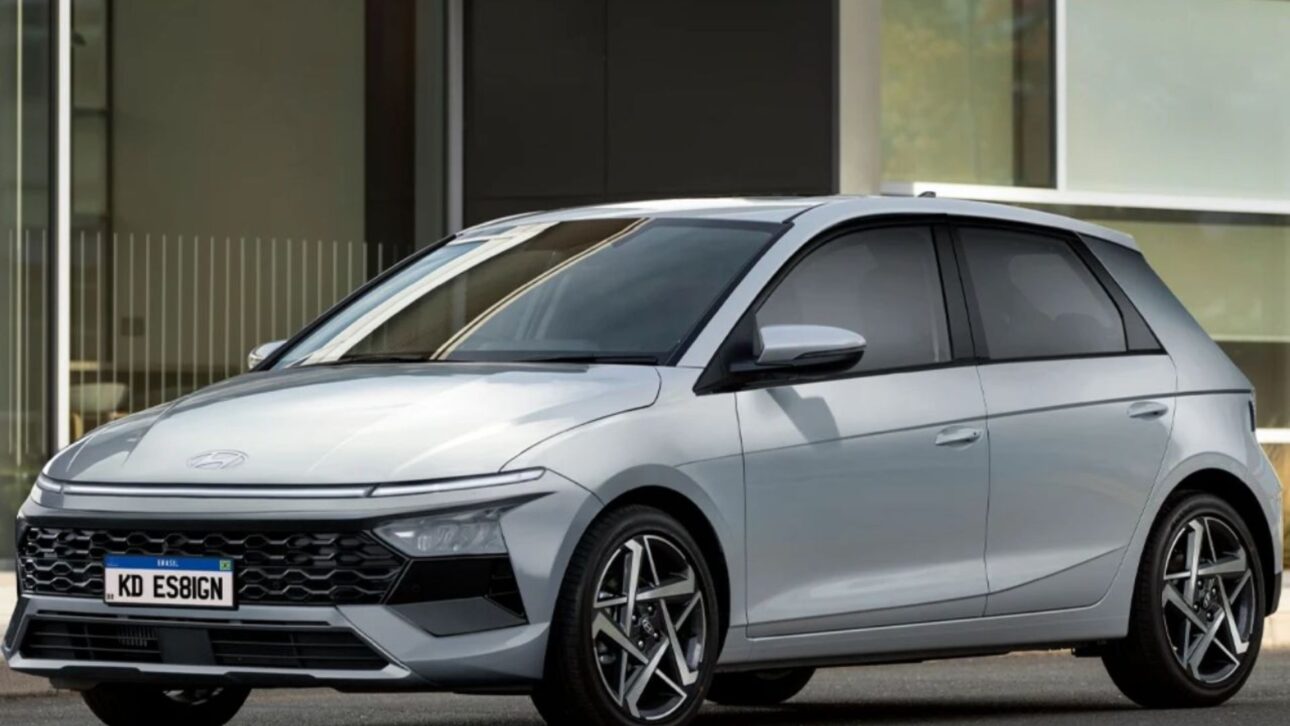
The compact segment, contested by Volkswagen Polo, Chevrolet Onix, and Toyota Yaris, remains one of the most dynamic in the country.
The HB20, by incorporating technologies such as direct fuel injection and the mild hybrid system, seeks not only to keep up with the competition but also to differentiate itself with a bold design proposal and mechanical efficiency.
According to an industry executive, “the arrival of these innovations in the HB20 represents an important milestone in Hyundai’s strategy for the Brazilian market”.
There is still no official information on prices or versions, but it is expected that the HB20 2026 will maintain its policy of offering a wide variety of configurations, ranging from more affordable versions to options with premium finishes.
The launch of the new HB20 is scheduled for early 2026, expected to be one of the main highlights of the national automotive market next year.
Perspectives for the Hyundai HB20 2026
Given the proposed innovations for the Hyundai HB20 2026, the expectation is that the model will further increase its share among compacts, raising the standard of technology, efficiency, and design in the segment.
Will these innovations be enough to ensure the HB20’s leadership against competitors Volkswagen Polo, Chevrolet Onix, and Toyota Yaris in the coming years?






-

-

3 pessoas reagiram a isso.