





 Portuguese
  English
  Spanish
  3 min of reading
  0 comments


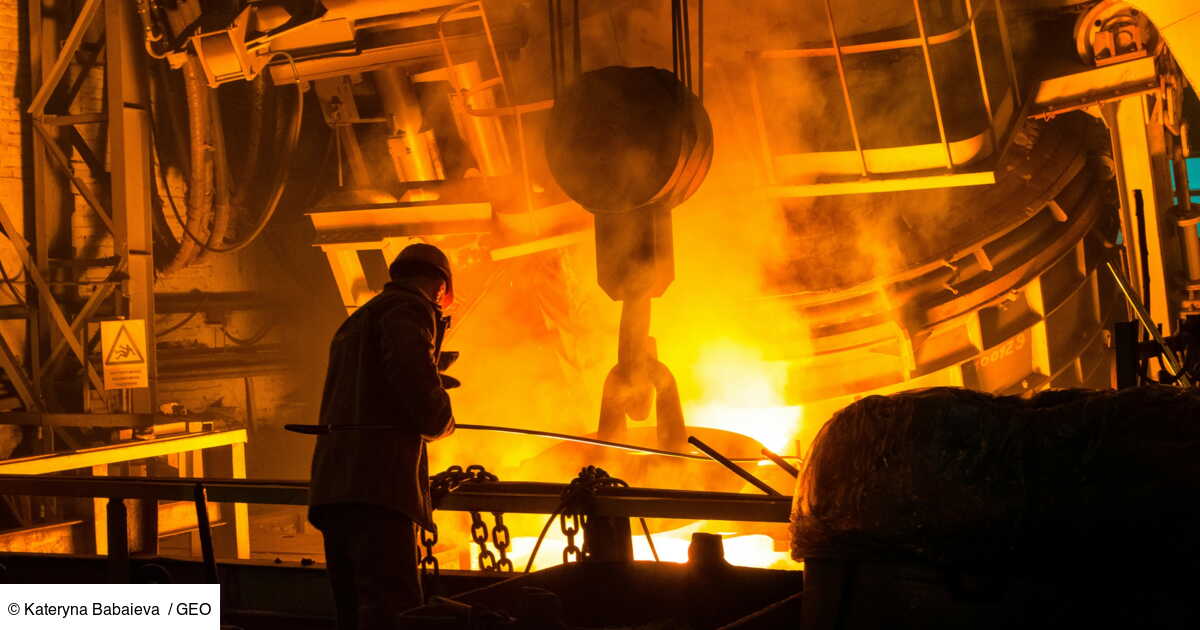
The New Chinese Technology Produces Steel in Just Six Seconds, Without Coal, CO₂ Emissions, and One-Third Energy Consumption
Steel manufacturing, an essential process for numerous industries, has always been associated with high energy costs and long production periods. For centuries, the traditional method has dominated the sector, requiring hours of intensive work and resulting in significant carbon dioxide emissions (CO₂).
Now, researchers in China have presented an innovative technique that promises to transform the industry: the production of steel in just six seconds, without using coal.
The Traditional Method
The conventional steel manufacturing process begins with iron ore, which is crushed and turned into pellets. Then, the material is heated to temperatures above 1,300 °C and placed in a blast furnace.
-
Recent Studies on Ancient Metallurgy Reveal That Various Tools Made Over Three Thousand Years Ago Used Iron from Rare Material That Fell from the Sky Long Before Humanity Mastered Iron Production
-
Steel Production Falls 6.9% in Minas Gerais, Raising Alert in Brazilian Steel Industry
-
Brazilian Steel Industry Grows in Third Quarter of 2025, Maintains Margins, Reduces Costs, and Faces Imported Steel Surge Amid Commercial Uncertainties
-
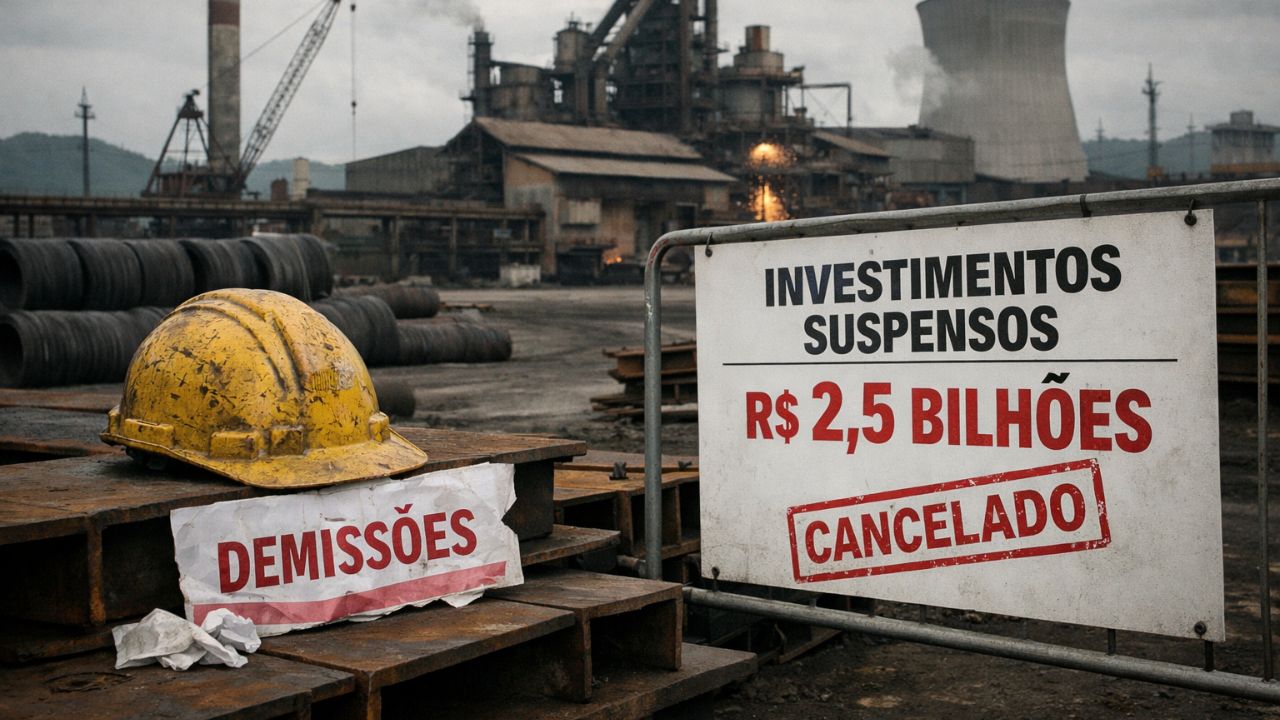
Brazil’s Steel Industry Records Cut of 5,100 Jobs and Suspension of R$ 2.5 Billion in Investments

This furnace uses coke, a refined form of coal, to extract iron, which is then processed to become steel. Although effective, this method takes five to six hours to produce steel.
During this time, large amounts of CO₂ are released, significantly contributing to global emissions. The reliance on coal and high energy consumption make the process costly and harmful to the environment.
A Revolution: Steel in Six Seconds
The discovery made by Professor Zhang Wenhai and his team represents an impressive advancement. They developed a technique capable of producing steel in just three to six seconds. This innovation marks a drastic shift from the traditional process.
The secret of the new method is the use of ultrafine iron ore powder. This material is injected into a superheated furnace through a vortex launch.
The chemical reaction occurs rapidly, forming droplets of molten iron. These droplets fall to the bottom of the furnace, generating a continuous flow of high-purity iron, ready to be transformed into steel.
The process is even more impressive for its specifics. It works equally well with both low and high-quality iron ores.
As China has vast reserves of low-quality iron ore, the new technique may reduce its dependence on imports of more expensive and high-quality materials from countries like Australia, Brazil, and African nations.
Environmental and Economic Impacts
The most notable aspect of the Chinese innovation is the complete elimination of coal in the production process. This can reduce energy consumption by up to one-third. The energy savings make the steel industry more efficient and decreases CO₂ emissions.
This innovation aligns with China’s carbon neutrality goals. As the world’s largest steel producer, the country could trigger a cascading effect in the global industry, reducing emissions and promoting more sustainable practices.
In addition to environmental impacts, this new technique positions China to further dominate sectors that depend on steel, such as automotive, construction, and infrastructure.
Producing steel more quickly, cleanly, and economically can enhance the country’s competitiveness in the global market.
With information from Jason Deegan.








Seja o primeiro a reagir!