





 English
  Francês
  Alemão
  Italiano
  Japonês
  Norueguês
  Portuguese
  Spanish
  3 min of reading
  0 comments


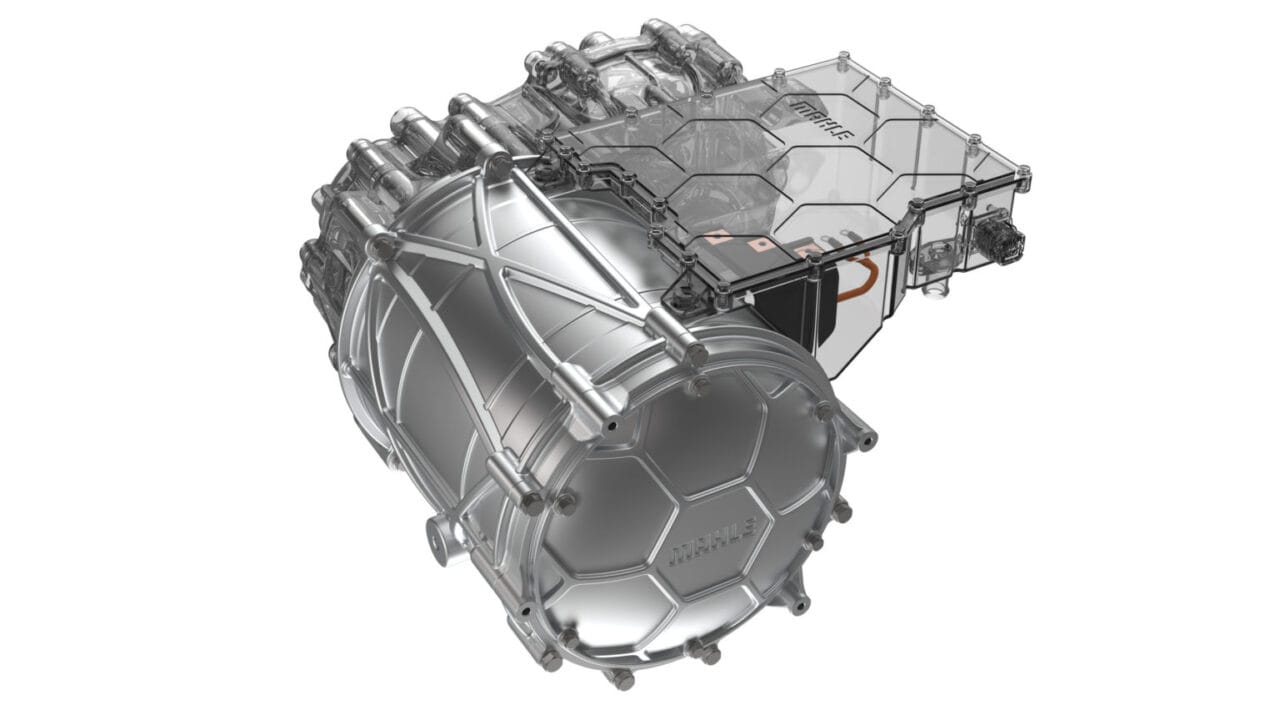
Company Innovates With Revolutionary Electric Motor, Eliminating The Need For Rare Materials And Magnets.
ZF is innovating in the electric car sector with the development of a new electric motor, ready for mass production, that promises to be a game changer in the market. This motor stands out for dispensing with the use of magnets, a notable feature compared to current externally excited electric motors that do not utilize magnets.
ZF’s model, known as In Rotor Inductive Excited Synchronous Motor (I2SM), differs from traditional concepts by transmitting energy to the magnetic field via an inductive exciter located within the rotor shaft, representing a significant advancement in electric motor technology.
New Electric Motor Promises To Make Electric Cars More Powerful
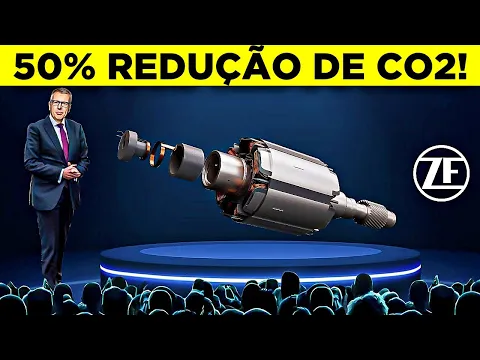

ZF highlights its new motor as “exceptionally compact, offering the highest power and torque density”. This advanced version of an externally excited synchronous motor (FSM) emerges as a robust alternative to permanent magnet synchronous machines (PSM), which currently dominate electric vehicles.
-
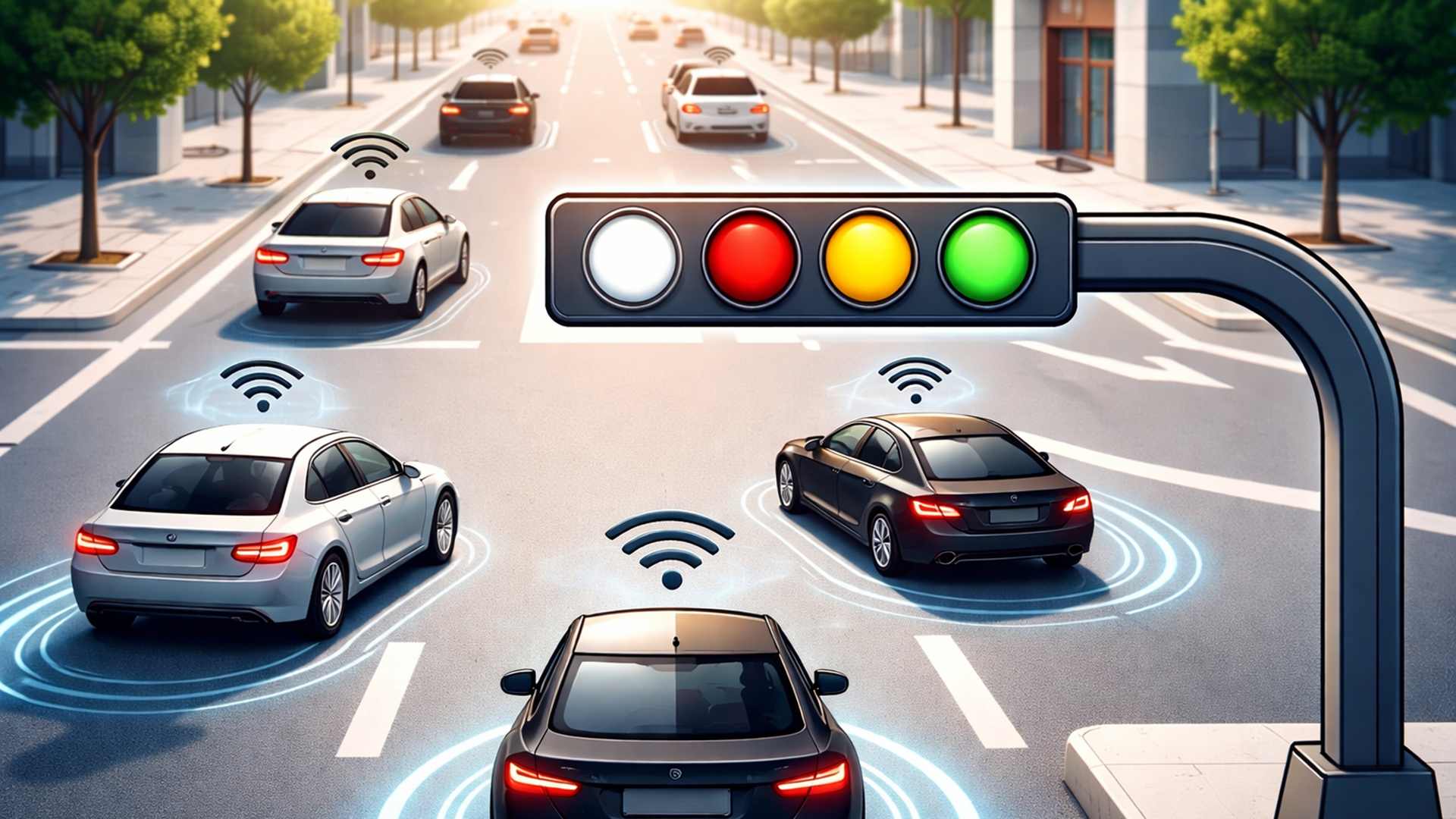
Engineers propose a fourth traffic light for intersections – the change promises to affect crossings, queues, and waiting times.
-
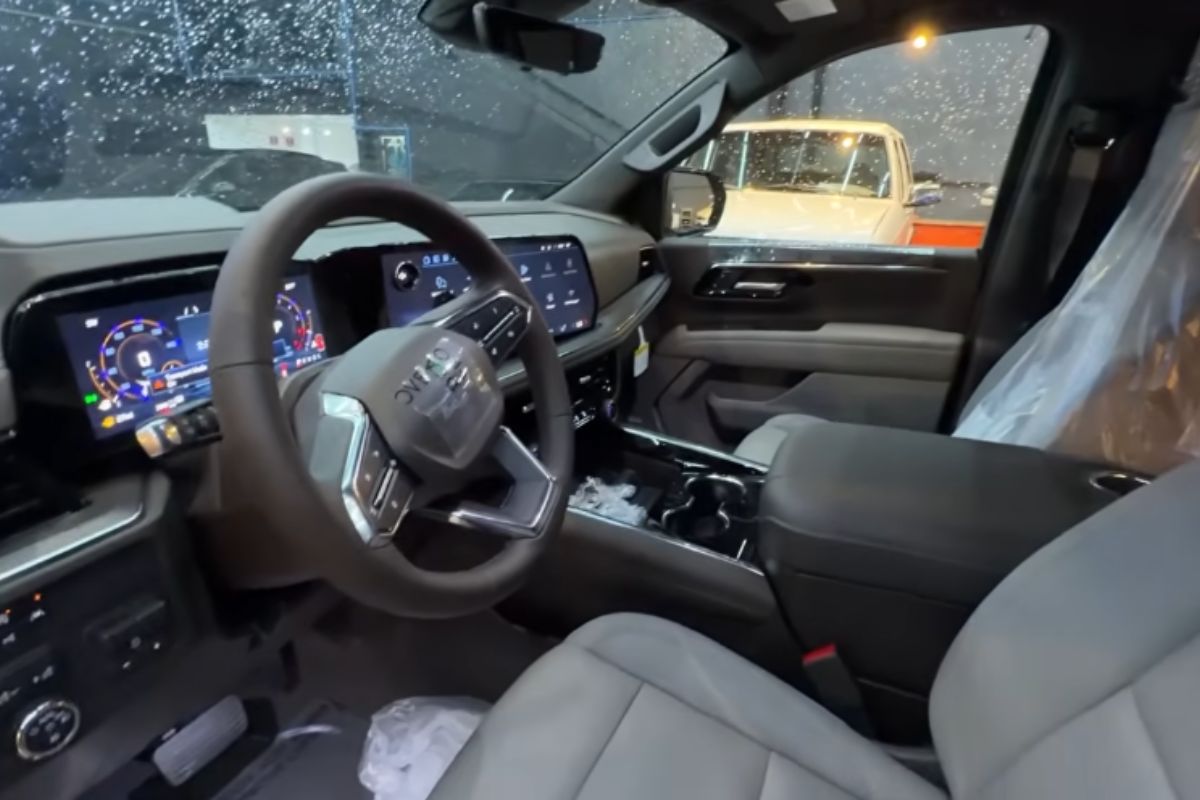
Chevrolet Suburban Z71 lands in Brazil with a V8 engine, off-road design, air suspension, seven seats, and colossal size, a rare version imported for around R$ 1.3 million with luxury and exclusivity.
-
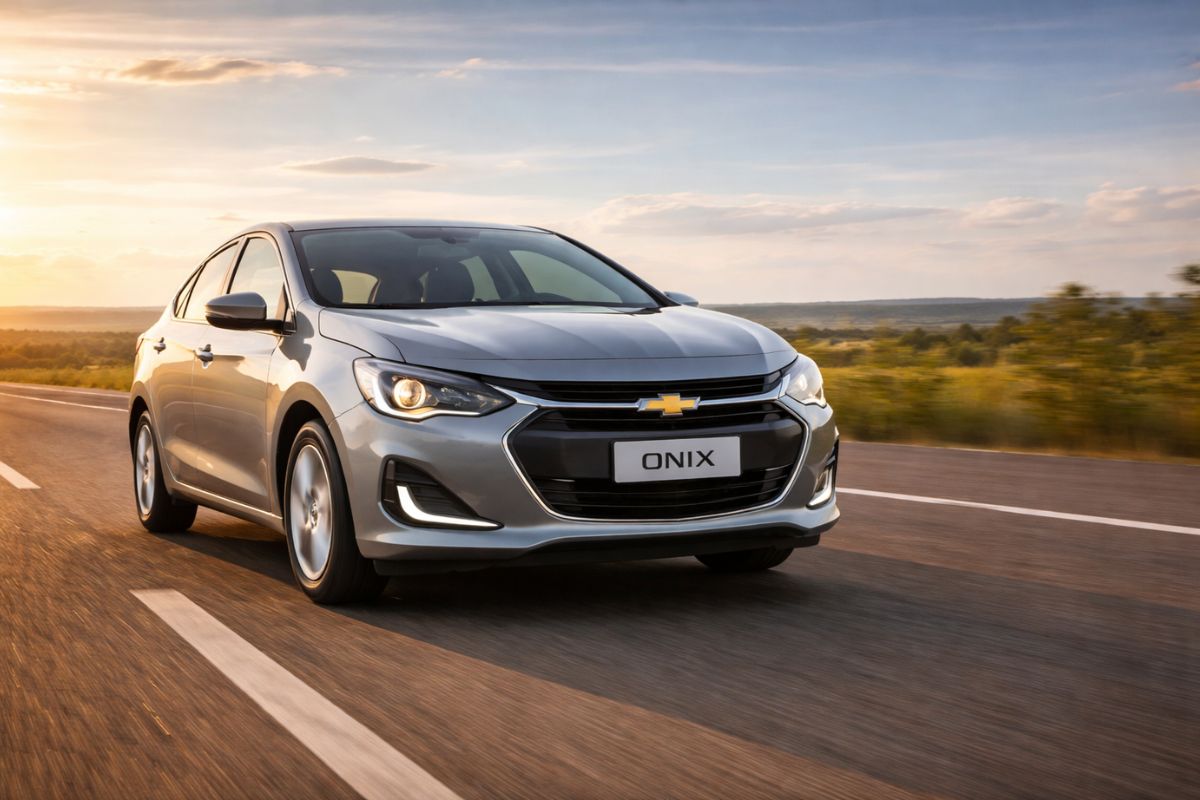
The Chevrolet Onix 1.0 turbo achieves 17.7 km per liter on the highway and ranks among the three most economical cars in Brazil in 2026, alongside two more expensive Toyota hybrids available at dealerships.
-
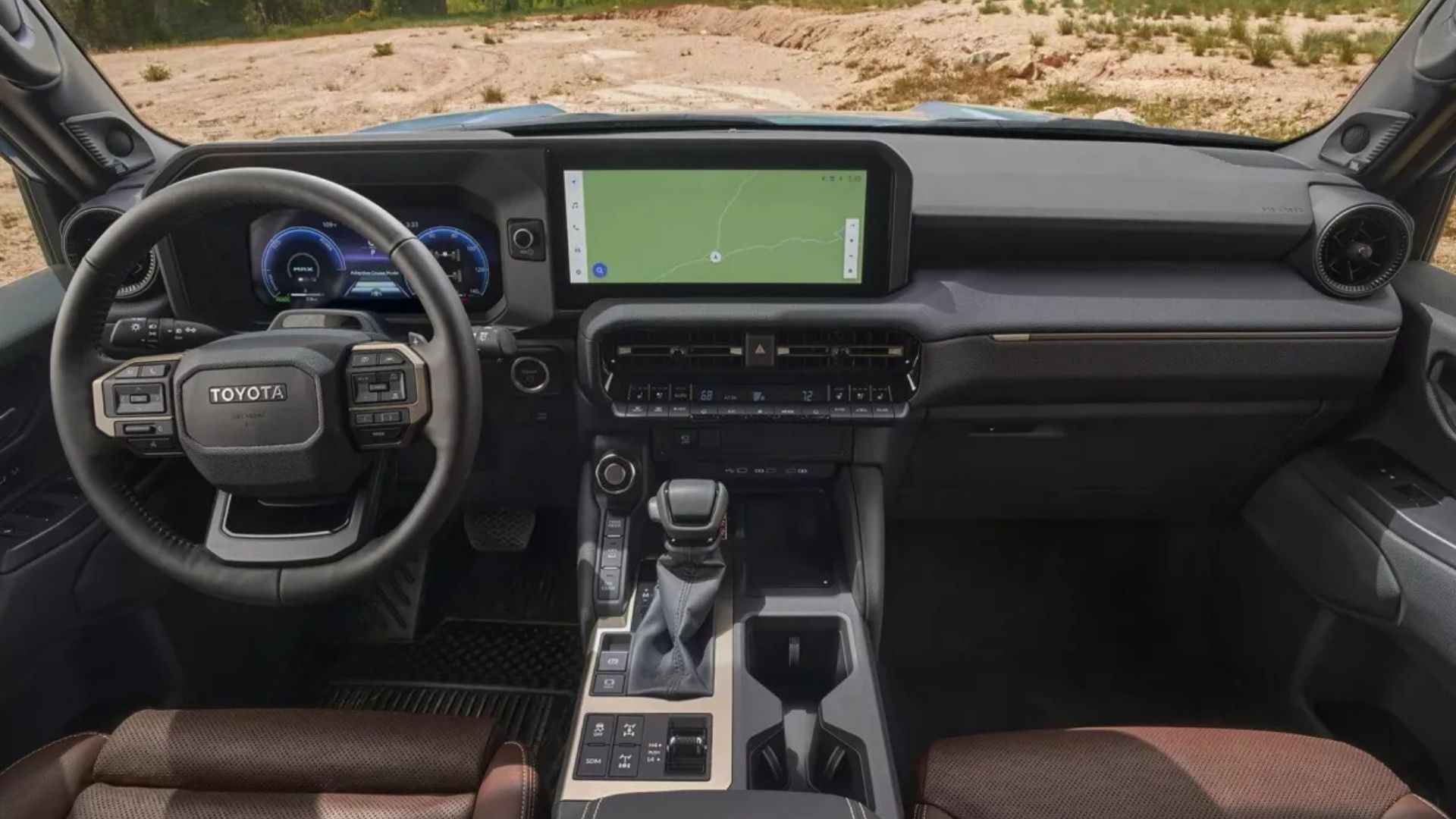
Little sister of the Hilux: Toyota launches Land Cruiser FJ with 4 radical versions, 2.7 engine with 166 hp and 4×4 traction with locking.

The distinguishing feature of ZF’s new electric motor lies in the elimination of magnets that require rare earth materials, a significant step towards sustainability in production, while ensuring high power and operational efficiency.
As explained by Dr. Holger Klein, CEO of ZF, the innovative electric motor without magnets and rare earth materials reflects an important advancement in reducing the company’s electric drive portfolio, aligning with the commitment to promote sustainable and efficient mobility. This principle guides all of ZF’s new products, which currently stand out in the market for dominating this technology in an extremely compact format.
Compared to traditional FSMs, the inductive exciter of ZF’s new motor reduces energy transfer losses to the rotor by 15%. Additionally, the manufacturing of this motor can reduce CO2 emissions by up to 50%, particularly compared to PSM-E motors that utilize rare earth magnets.
Advantage Of The New Electric Motor
In ZF’s view, not using rare earth materials not only saves valuable resources in production but also reduces dependencies in supply chains. Furthermore, there are no drag losses due to permanent magnets compared to PSMs. This enables better efficiency at certain operating points, such as long trips on highways at high speeds.
For the magnetic field of the rotor to accumulate via current instead of magnets, the FSM concept still generally requires sliding or brush elements in most cases, which imposes limitations: a dry installation space with additional seals is necessary, meaning it is not accessible for oil cooling.
As a result, these conventional FSMs occupy about 90 mm more axial space. Therefore, automakers typically cannot flexibly and effortlessly vary between PSM and FSM variants in their model planning. To be able to offer these synchronous machine advantages competitively, ZF has managed to offset the disadvantages associated with the design of common externally excited synchronous machines.
I2SM Does Not Use Any Brushes Or Sliding Rings
Among the offset disadvantages is the significantly increased torque density compared to the state of the art, due to the innovative rotor design for electric cars.
Due to the integration of the exciter in the rotor without impacting the installation space, there are no disadvantages in axial installation space. Furthermore, an increase in rotor power density leads to an improvement in performance.
ZF’s innovation requires energy to be transferred inductively, that is, without contact to the rotor, generating a magnetic field through coils. This means that the new electric motor does not require any brush or sliding ring elements. Additionally, it is no longer necessary to maintain a dry area with seals.








Seja o primeiro a reagir!