





 Portuguese
  English
  Spanish
  5 min of reading
  0 comments


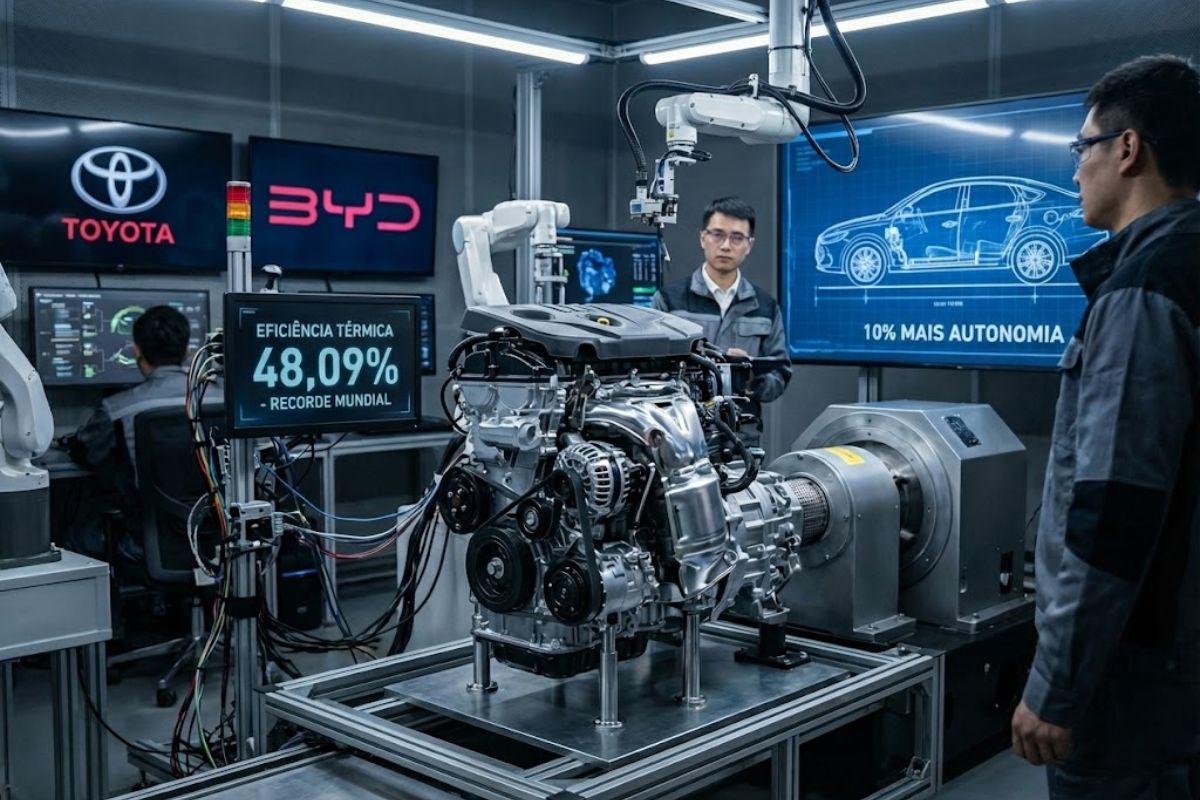
Presented By Dongfeng In December 2025, The New 1.5T Chinese Hybrid Engine Reaches 48.09 Percent Thermal Efficiency, Promises Up To 10 Percent More Range And Repositions China In The Global Hybrid Car Dispute By Surpassing Benchmarks Like Toyota And BYD In Real Road Use Efficiency
On December 12, 2025, amidst the technological competition among global automakers, Dongfeng Motor unveiled the new Mach 1.5T Chinese hybrid engine, announced with a record thermal efficiency of 48.09 percent in a mass-produced gasoline hybrid engine. The announcement marks a significant step in China’s strategy to compete directly with Japanese manufacturers in electrified propulsion technology.
With this figure, Dongfeng claims to surpass Toyota’s Atkinson cycle hybrid engines, which traditionally achieve thermal efficiency ranging from 40 to 41 percent, and BYD’s latest setups, which remain between approximately 46 and 46.5 percent. The new 1.5T Chinese hybrid engine is presented as a new benchmark for efficiency in hybrid combustion engines, with an additional promise of up to 10 percent more range under the same usage conditions.
Thermal Efficiency Record And Chinese Certification

Thermal efficiency is one of the central indicators of engine engineering, as it measures how much of the energy contained in the fuel is actually converted into useful work.
-
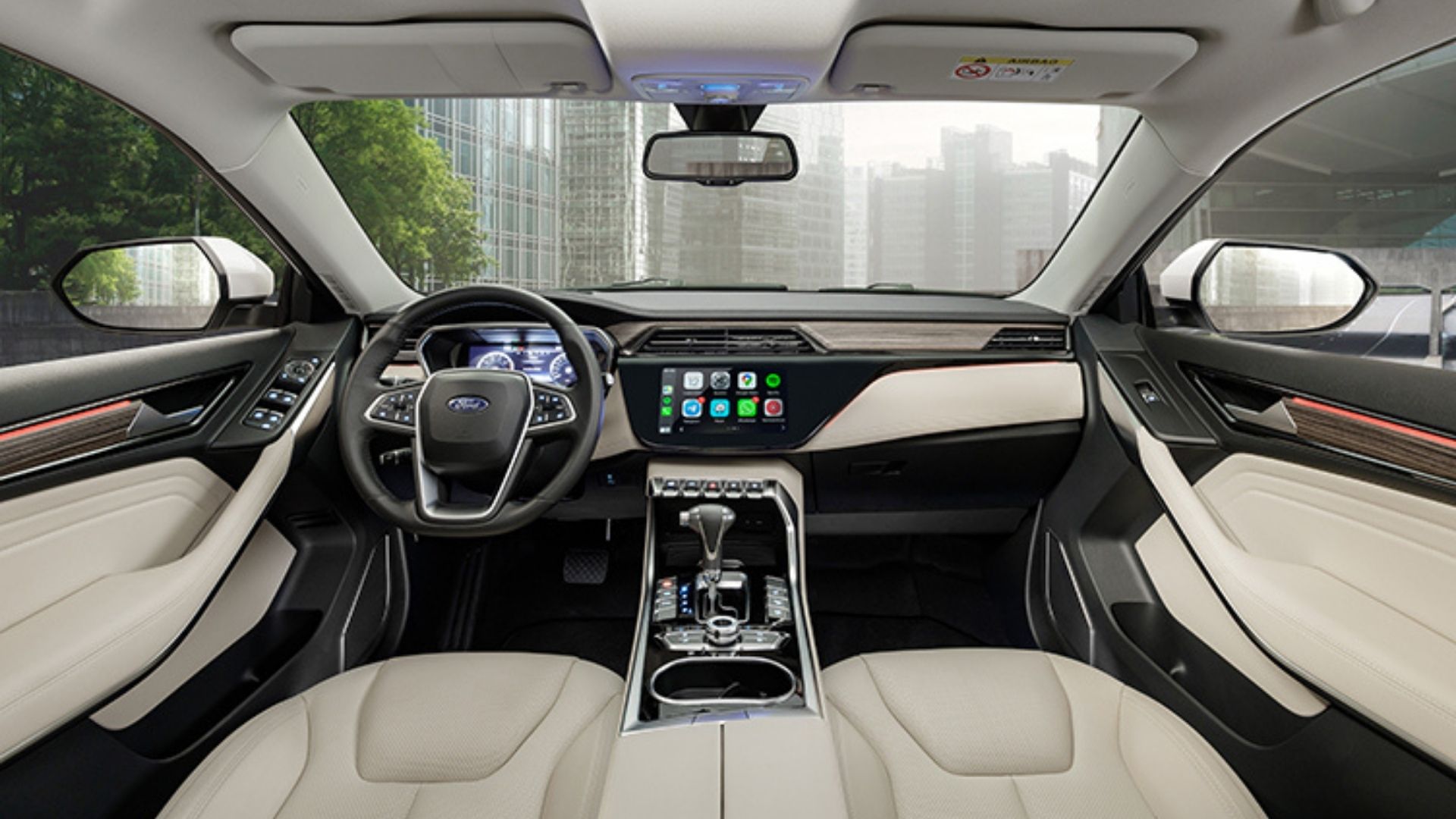
Around R$ 24,000: 4 used Ford SUVs with up to 253 hp, V6 engine, all-wheel drive, 7 airbags, panoramic sunroof, and a complete package that surprises with its price and performance in Brazil.
-
A brand new car starts at around R$ 75,000 in Brazil, but what stands out the most is seeing streets filled with SUVs and expensive sedans in a country where millions remain in debt.

-
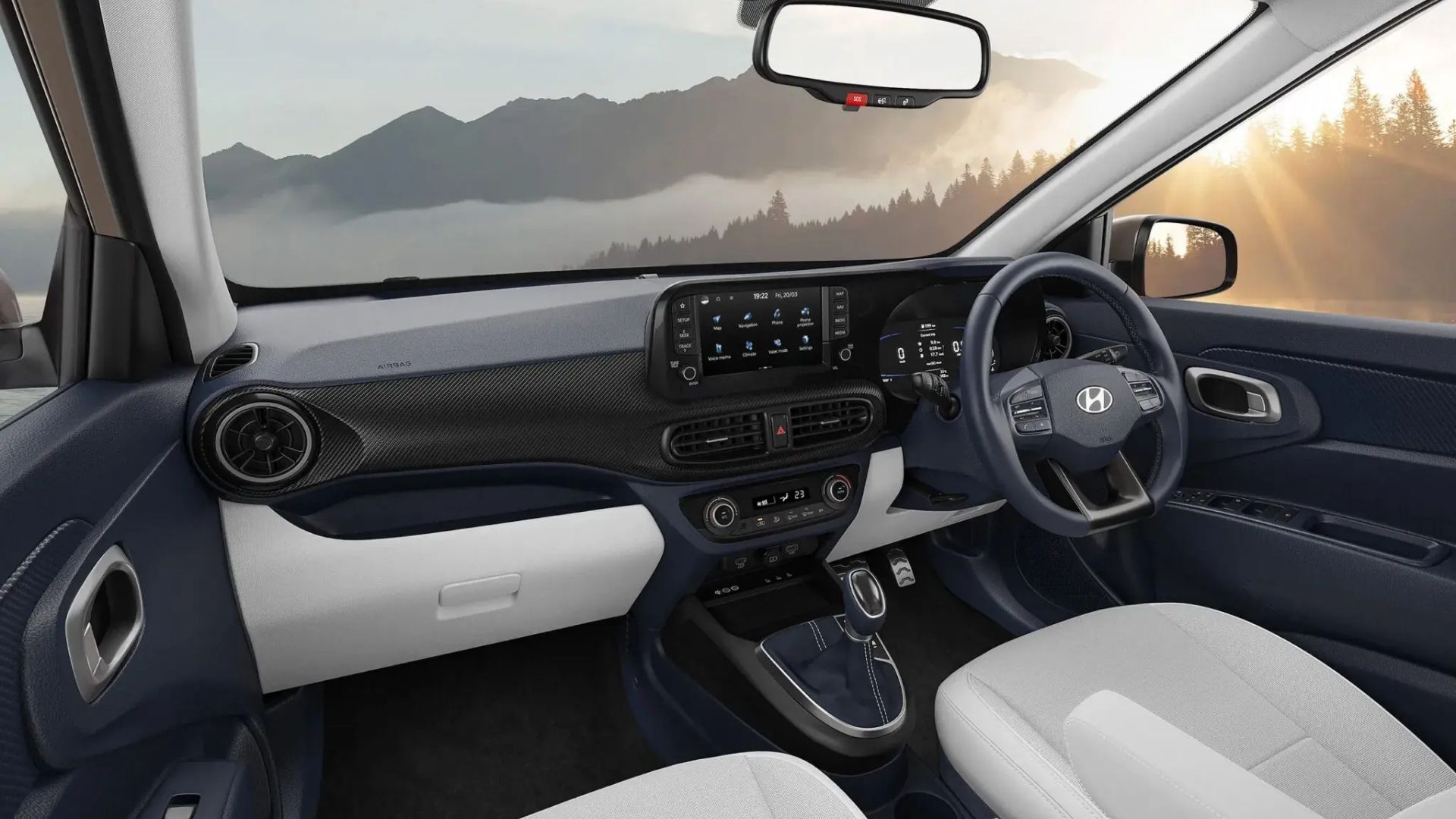
For R$ 32,000, a brand new Hyundai car is a rival to the Kwid with a 1.2 engine producing 82 hp, 6 airbags as standard, multimedia with wireless Android Auto, up to 391 liters in the trunk, and a refreshed look for 2026 in India.
-
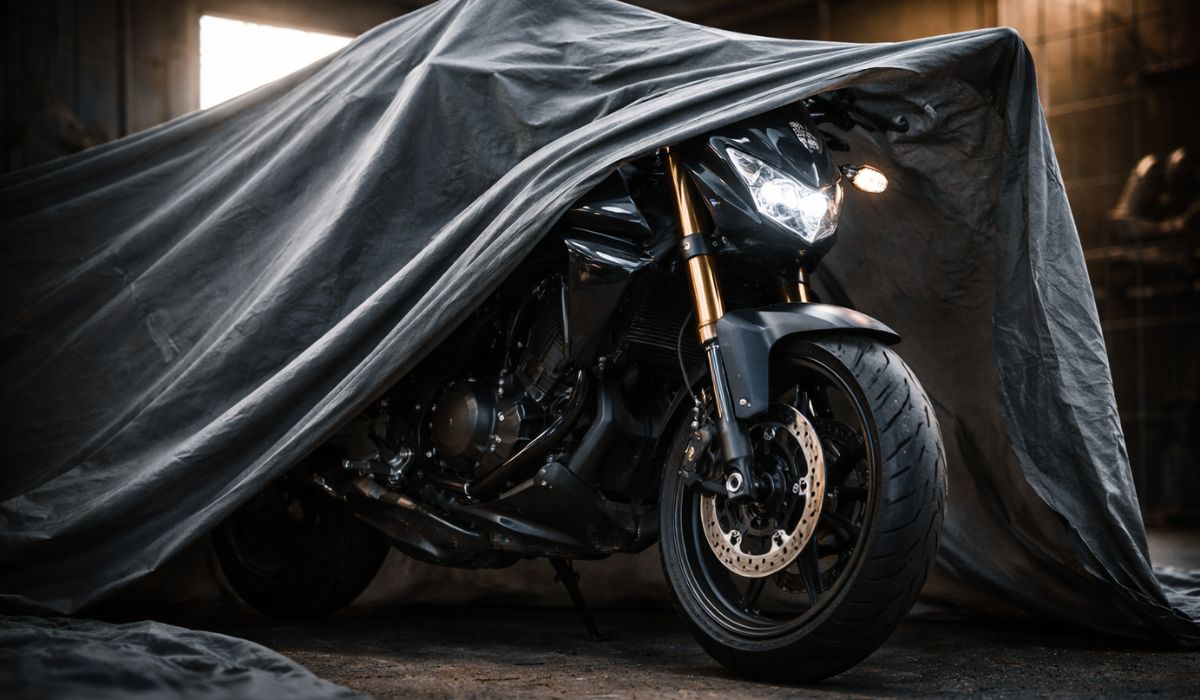
He bought a new car in 1983, locked it in the barn in 1988, and no one opened the door for 38 years until the family discovered what was stored inside and realized it looked like something out of a movie.


In practical terms, the higher the thermal efficiency, the less waste and lower the consumption for the same power output.
By achieving 48.09 percent thermal efficiency, the new 1.5T Chinese hybrid engine Mach 1.5T establishes a new standard among gasoline hybrid engines intended for mass production.
Dongfeng associates the result with obtaining the Chinese certification Energy Efficiency Star, awarded only to technologies that achieve performance classified as exceptional within national consumption and emissions standards.
High Compression Combustion And 500 Bar Injection
The performance of the Mach 1.5T is supported by a set of solutions aimed at extracting the maximum energy from each drop of fuel.
According to the manufacturer, the engine adopts a combustion process considered revolutionary, supported by a compression ratio exceeding 15.5 to 1, a value rare in commercially used engines on a large scale.
The architecture includes a direct injection system of 500 bar, which increases the homogeneity of the air-fuel mixture and accelerates combustion.
With better-controlled mixture and quicker combustion, the new 1.5T Chinese hybrid engine can reduce losses within the combustion chamber, increasing energy utilization without relying solely on electrification to compensate for inefficiencies.
Optimized Hybrid Architecture To Operate Longer In Ideal Range
In addition to combustion, Dongfeng worked on integrating the combustion engine with the electric system.
The Mach 1.5T project incorporates a variable geometry turbocharger VGT, which changes the gas flow according to the RPM, maintaining a good response at both low and high speeds.
The set also features a variable electric valve timing, responsible for adapting the airflow under different driving conditions.
According to the automaker, these elements allow the new 1.5T Chinese hybrid engine to operate over 50 percent of the time in its maximum efficiency zone, which is crucial for translating theoretical lab efficiency into real consumption gains on the road and in the city.
Extreme Friction Reduction And Mechanical Smoothness
Another focus of the project is the reduction of internal friction.
Dongfeng cites more than ten specific solutions aimed at mechanical smoothness, including an oil pump integrated into the electric motor, which reduces the internal effort required for lubrication under various load conditions.
The cylinder walls received thermal spray coating, a technology that decreases friction between the piston and the cylinder and improves heat dissipation.
By addressing mechanical losses at multiple points, the new 1.5T Chinese hybrid engine converts a larger portion of the fuel energy into effective motion, which helps to consolidate the claimed 48.09 percent thermal efficiency.
China, Toyota And BYD In The New Hybrid Hierarchy


Until the arrival of the Mach 1.5T, the top efficiency in hybrid engines was occupied by Toyota’s Atkinson cycle setups, with thermal efficiency values around 40 to 41 percent.
BYD, a reference in plug-in hybrids and electric vehicles, had raised this range to something close to 46 to 46.5 percent, keeping the Japanese under pressure.
With the announced record of 48.09 percent, Dongfeng indicates that the new 1.5T Chinese hybrid engine takes the lead among industrial-scale gasoline hybrid engines, at least under the thermal efficiency metric.
More than an isolated technical figure, this advancement is used as a demonstration of the maturity of Chinese automotive engineering, positioning itself not only as a volume automaker but as a developer of foundational technology.
Impact On Range, Consumption And Global Hybrid Dispute
In addition to the record thermal efficiency, Dongfeng claims that the Mach 1.5T can guarantee up to 10 percent more range under the same usage conditions compared to the brand’s previous hybrid engines.
In a scenario of expensive fuels and increasingly stringent environmental regulations, this gain is likely to be decisive for both fleets and individual consumers.
The automaker also emphasizes that the package was designed to deliver faster responses in urban routes and at high cruising speeds, a typical condition on highways.
The combination of high efficiency, greater range, and better dynamic response transforms the new 1.5T Chinese hybrid engine into a central piece of Dongfeng’s hybrid vehicle strategy, with the potential to influence projects from other manufacturers and accelerate the development of new generations of engines.
Next Steps In The Hybrid Car War
The launch of the Mach 1.5T serves as a direct response to global demands for lower consumption and reduced emissions and signals that China intends to compete for technological prominence in high-efficiency combustion as well, not just in batteries and full electrification.
In practice, the new 1.5T Chinese hybrid engine inaugurates a new level in the hybrid car war, forcing rivals such as Toyota and BYD to revisit their own high-efficiency gasoline engine projects to avoid losing ground.
The speed with which this response reaches the market will likely determine the next phase of the dispute between Japanese and Chinese automakers in the segment of electrified vehicles.
After this leap in thermal efficiency of the new 1.5T Chinese hybrid engine, do you believe the next more aggressive response will come first from Toyota, BYD, or another global automaker?









-

Uma pessoa reagiu a isso.