





 English
  Francês
  Alemão
  Italiano
  Japonês
  Norueguês
  Portuguese
  Spanish
  4 min of reading
  1 comment


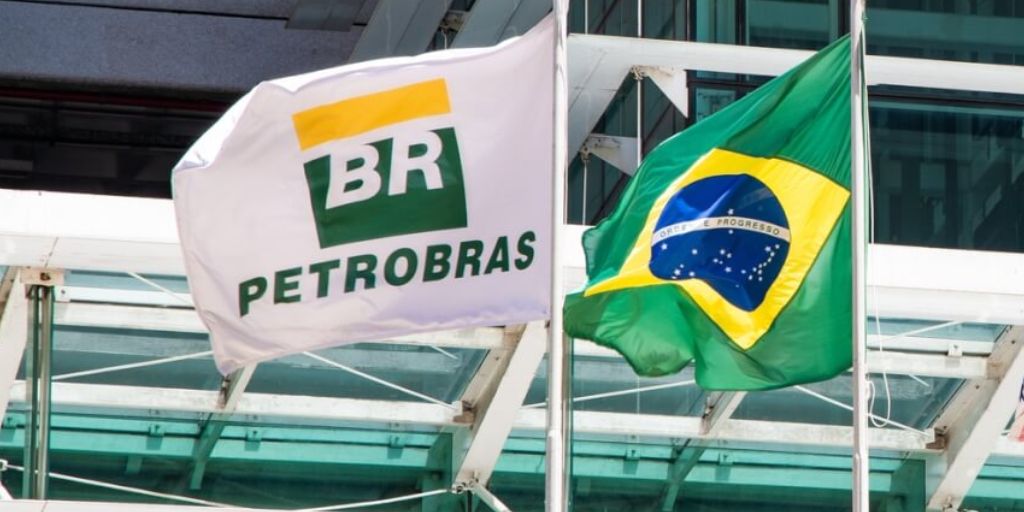

The Brazilian Government and Petrobras Are Eyeing the Equatorial Margin, a Promising Region on the Coast of the North and Northeast Regions of the Country. This Area, Considered by Many as the “New Pre-Salt,” Could Be the Salvation of the Brazilian State Oil Company.
The decision to prioritize exploration in the Equatorial Margin has rekindled debates about the future of Petrobras and the environmental and economic viability of oil extraction in this new frontier.
Last week, the National Agency of Petroleum (ANP) listed the basins of the Equatorial Margin among the priorities of its strategic calendar for geological and economic studies for 2025.
This decision was made one day after a meeting of President Luiz Inácio Lula da Silva with the ministers of Mines and Energy, Alexandre Silveira, of the Environment, Marina Silva, and the president of Ibama, Rodrigo Agostinho.
-
Chinese giant worth nearly R$ 4 billion that manufactures cables for electric cars, solar energy, and robotics wants to open a factory in SC.
-
Many employers do not know, but the law guarantees domestic workers a 25% increase in salary during trips, 50% for overtime, 20% for night shifts, and 17 additional benefits that can lead to labor lawsuits if not paid.

-
Gasoline prices soar and the question arises: is ethanol more advantageous? The 70% rule reveals the limit with gasoline.
-
The government has made a decision and is starting a test with more ethanol in gasoline, anticipating a mixture of up to 35%, diesel with 25% biodiesel, and a study to assess the impacts on engines.
Following this, the Ministry of Mines and Energy opened a public consultation regarding the granting of licenses for oil exploration in the region.
Lula Reinforces Strategic Interest in the Equatorial Margin
In recent visits to Rio de Janeiro and Maranhão, President Lula emphasized the importance of oil exploration in the Equatorial Margin.
According to sources close to the government, Lula has pressured Ibama and the Ministry of the Environment (MMA) to facilitate the granting of the necessary licenses for exploration.
The region, which extends from Amapá to Rio Grande do Norte, faces challenges due to Ibama’s refusal to grant an environmental license for Petrobras in the Foz do Amazonas basin, in Amapá, in May 2023.
Petrobras Awaits Ibama Decision
Petrobras is still waiting for a response from Ibama to determine its next steps in the Equatorial Margin.
In a statement, the company said it is committed to obtaining the license and that it has met all requirements made by the environmental agency.
The state-owned company emphasizes the importance of replenishing its reserves and exploring new frontiers, always respecting the environment and the people involved.
Magda Chambriard, president of Petrobras since late May, has stated on several occasions her desire to detail the exploration plan in the Foz do Amazonas to the National Energy Policy Council (CNPE), but the meeting has yet to take place.
“The Margin was auctioned in 2013. Total studied it and withdrew, as did BP. Petrobras is now there making every effort. It is not credible that three major oil companies are performing poorly in terms of licensing,” Chambriard stated in June.
Economic and Political Importance of the Equatorial Margin
In an interview with the Valor Econômico portal, Allan Kardec, a professor at the Federal University of Maranhão and president of Gasmar, highlights the relevance of including the Equatorial Margin in the ANP’s agenda.
According to him, this decision signals that the blocks may be auctioned in 2025, attracting the industry to deepen the debate on exploring the region. “Now the political weight of the Equatorial Margin gains volume,” emphasizes Kardec, who is also a former director of the ANP.
The Equatorial Margin represents new hope for Petrobras, which seeks to diversify its operations and ensure the sustainability of its reserves. Exploration in this area could be a milestone in the Brazilian oil industry, but faces significant challenges in terms of environmental licensing and public acceptance.
Environmental Issues and Government Pressure
Ibama’s refusal of the environmental license in the Foz do Amazonas basin underscores the environmental challenges faced by Petrobras. The region is sensitive and has unique biodiversity, making oil exploration a complex and controversial issue. Environmentalists and non-governmental organizations have expressed concern about the potential environmental impacts of exploration in the Equatorial Margin.
On the other hand, the federal government sees exploration as a strategic opportunity to boost the economy and ensure the country’s energy self-sufficiency. Political pressure to facilitate the licenses reflects the importance that the government attributes to this new frontier.
Future Prospects
The Equatorial Margin has the potential to transform the Brazilian oil industry, but the success of this undertaking will depend on careful consideration of environmental impacts and obtaining the necessary licenses.
For experts, the public consultation opened by the Ministry of Mines and Energy is an important step in this process, allowing various stakeholders to contribute to the debate.
Will the Equatorial Margin become the “new pre-salt” and save Petrobras? Or will environmental challenges and public resistance impede the exploration of this new frontier? Share your opinion in the comments!






Depender de Marina Silva, representante DA ELITE DE SÃO PAULO-PRÓ ESTADOS UNIDOS, o brasil, vai pro Ralo.