





 English
  Francês
  Alemão
  Italiano
  Japonês
  Norueguês
  Portuguese
  Spanish
  3 min of reading
  0 comments


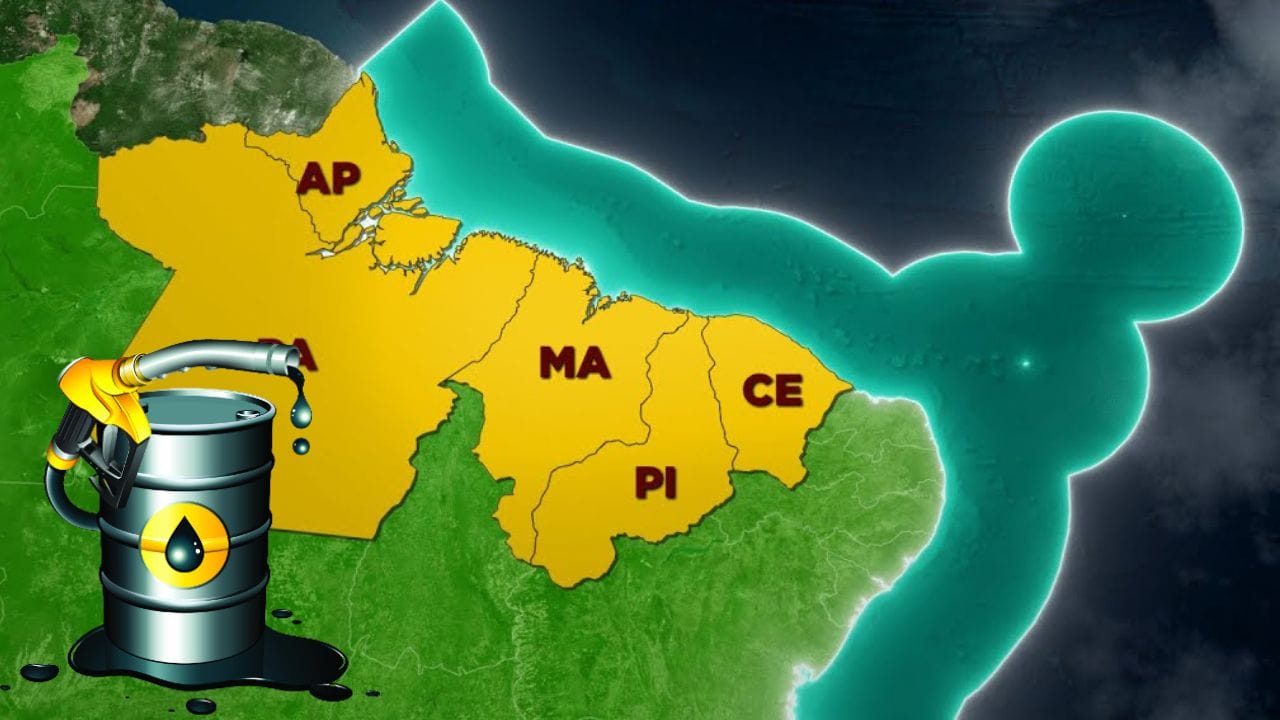
Anyone over two decades old certainly remembers the oil “boom” brought about by the discovery of the pre-salt, especially off the coast of Rio de Janeiro. Discovered in 2006, the pre-salt catapulted Brazil to the 15th position among countries with the largest oil reserves.
Now, new signals point to another opportunity that may or may not elevate Brazil to a new level of oil production. The new “gold mine” is located in the so-called Blue Amazon, a vast maritime area under Brazil’s exclusive rights.
This “new pre-salt” could be a driver to accelerate the Brazilian economy in the next decade. However, the endeavor is filled with technical, political, and, mainly, environmental challenges. To explore the new area, Petrobras depends on the license from Ibama, which has not yet been granted due to serious environmental concerns.
In the Amazon Basin region, the risks of an ecological disaster are considerably higher compared to traditional pre-salt areas. An oil spill in this area could severely impact the mouth of the Amazon River and its tributaries.
-
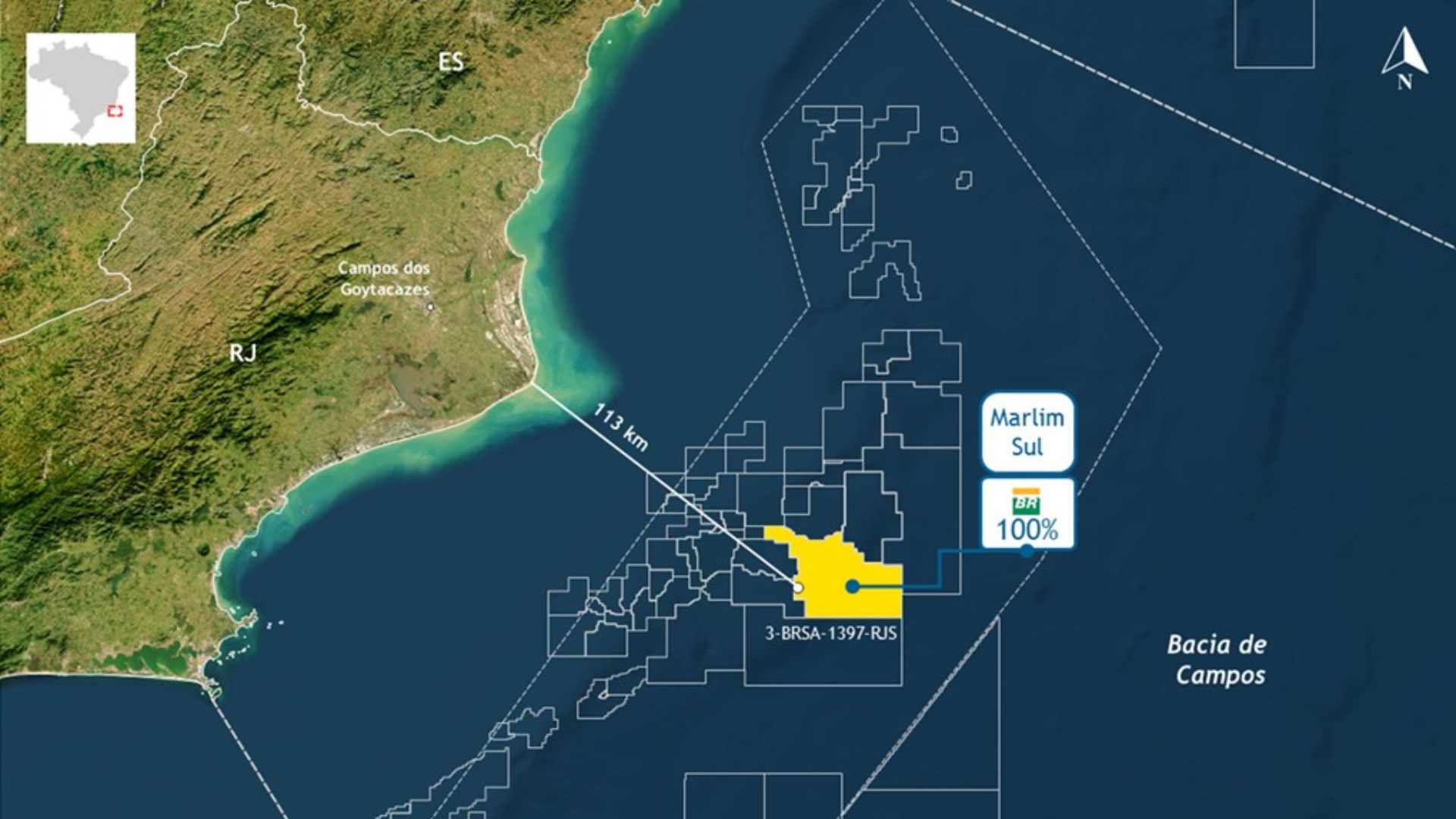
Petrobras finds high-quality oil in the pre-salt at 113 km from RJ and reignites expectations about strategic reserves in the Campos Basin.

-
Ocyan opens registrations for startups focused on innovation in the oil and gas sector and will select projects for Innovation Day with the support of Nexio.

-
Petrobras announces new oil discovery in the pre-salt of the Campos Basin and reinforces Brazil’s prominence with high-quality reserves that can increase production and energy revenues.
-
Alert in the fuel market: Analysts and a former director of ANP warn that oil prices may worsen in the coming months due to global instability.

Economic And Geopolitical Context Of The New Pre-Salt


The exploration of the pre-salt made Brazil self-sufficient in oil. The country expects to become the largest South American oil producer by 2035. However, over-dependence on “black gold” can lead to financial problems, as already happened with Venezuela.
The neighboring country, despite being rich in oil, faces a devastating economic crisis, in part because it failed to diversify its economy. Luiz Inácio Lula da Silva, the current president, points out that the technical issues raised by Ibama can be resolved by Petrobras.
But this raises a new question: even if Brazil manages to explore these new reserves, will the country know how to manage this wealth? Or will it follow the example of Venezuela, which failed to invest its resources wisely?
The “New Pre-Salt” Offers Brazil A Unique Opportunity To Accelerate Its Economic Growth, But Also Brings Delicate Issues And Huge Challenges
We are at a critical point where the decision made now will have deep repercussions for the future of the country and the environment. We must wait for the scenes of the next chapters, certain that the choices made today will determine our tomorrow.
This new reserve is a double-edged sword. With great economic potential, it also carries environmental and social dilemmas that cannot be ignored.
After all, progress is necessary, but not at any cost. Brazil’s future in the global oil scenario is still uncertain, and this uncertainty should make us think twice before “putting the cart before the horse”.







Seja o primeiro a reagir!