





 Portuguese
  English
  Spanish
  3 min of reading
  0 comments


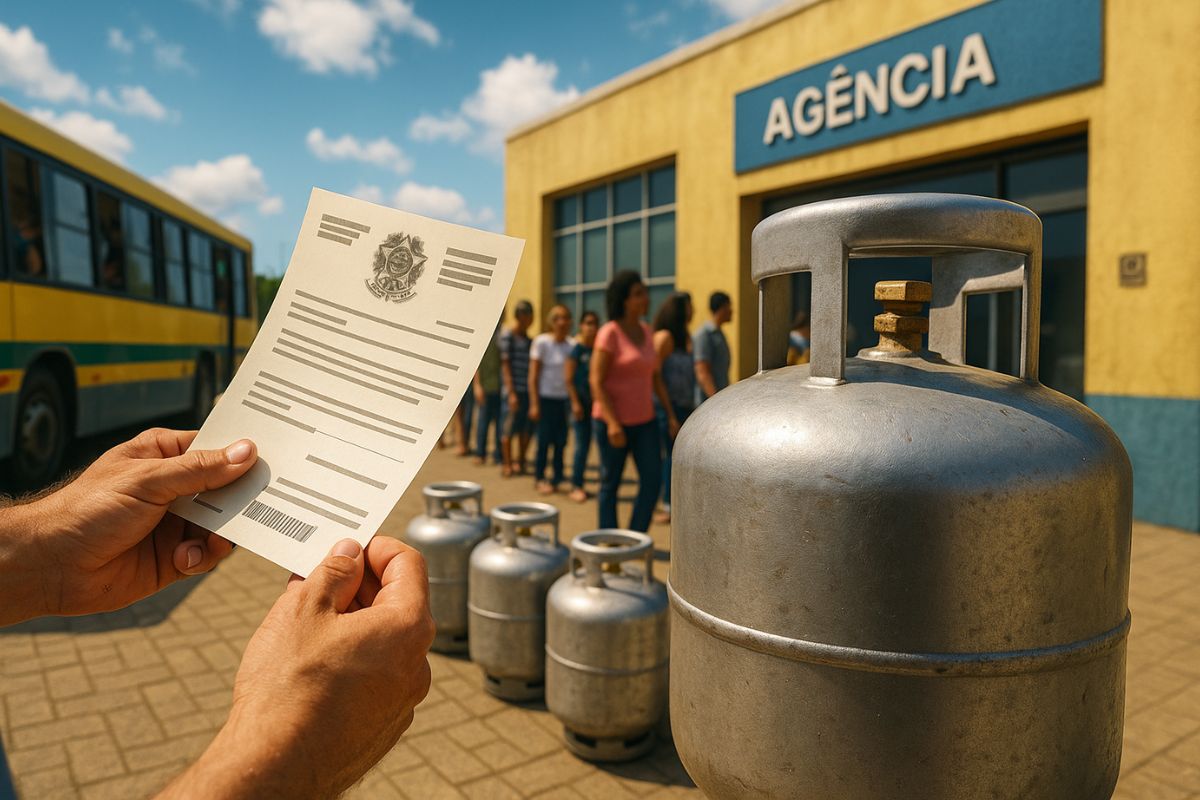
New Social Program Will Expand Access to Cooking Gas and Replace the Current Assistance of R$ 100 Paid Every Two Months
The president Luiz Inácio Lula da Silva announced the expansion of one of the most symbolic social policies of his administration: access to free gas cylinders for low-income families. The measure, which is expected to benefit up to 17 million Brazilians, represents a step forward compared to the current Gas Assistance, which today serves 5.6 million households with an average value of R$ 100 every two months.
According to the Ministry of Mines and Energy, the new program — which will be officially announced soon — will be called Gas for All. Instead of cash transfers, the government intends to provide direct vouchers for the collection of gas cylinders at authorized distributors. The initiative aims to ensure food security and reduction of inequalities, especially in the most vulnerable regions of the country.
Who Will Be Entitled to Free Gas Cylinders?
According to information released by the FDR portal, eligibility rules will be based on socioeconomic criteria defined by the Unified Registry (CadÚnico). Families that:
-
A new Brazilian shopping center worth R$ 400 million will be built in an area equivalent to more than 4 football fields, featuring 90 stores, 5 cinemas, a supermarket, a college, and parking for 1,700 cars, potentially generating 3,000 jobs.

-
Larger than entire cities in Brazil: BYD is building a 4.6 km² complex in Bahia with a capacity for 600,000 vehicles per year, but the discovery of 163 workers in conditions analogous to slavery has shaken the entire project.

-
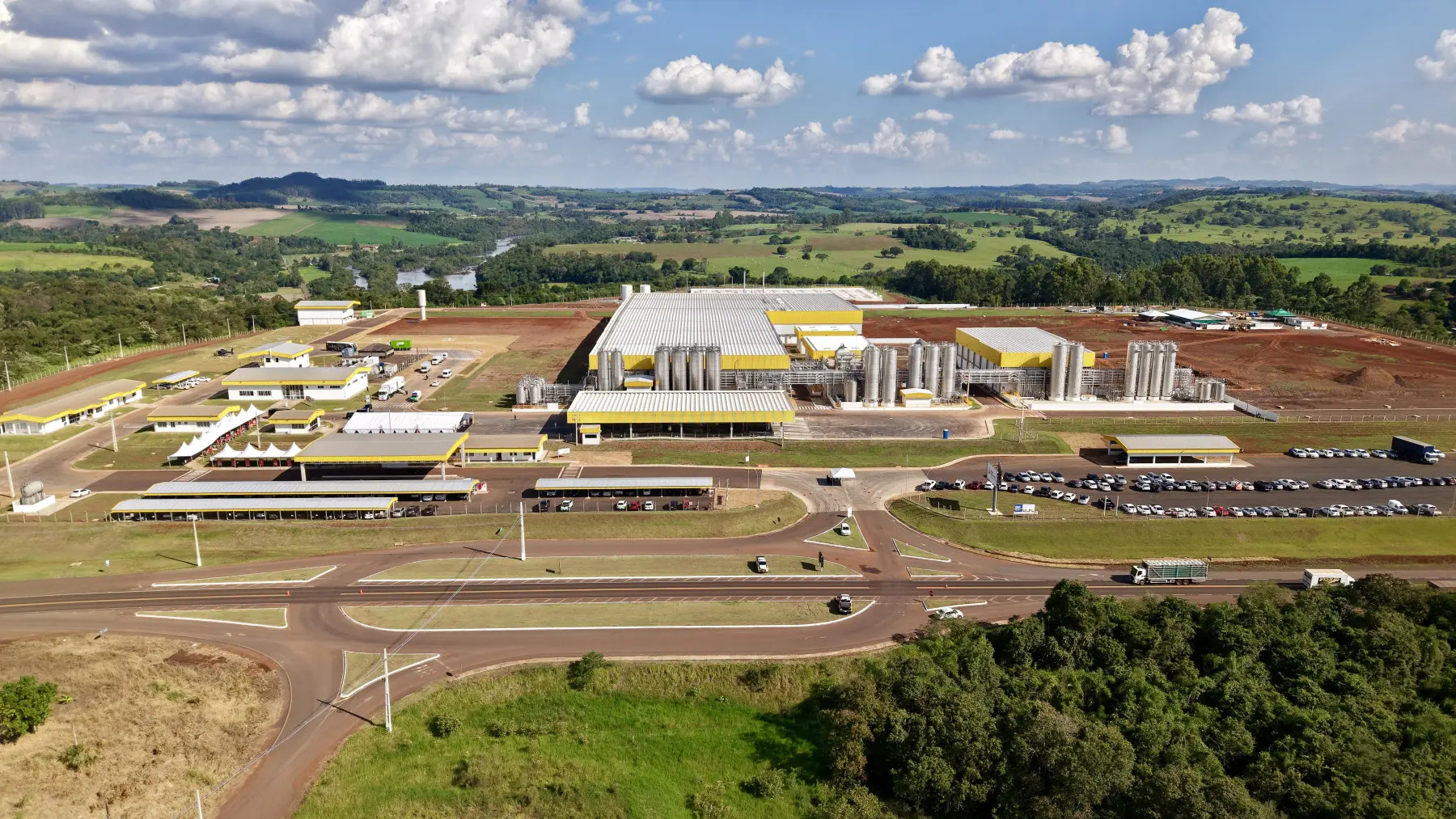
With an investment of R$ 612 million, a capacity to process 1.2 million liters of milk per day, Piracanjuba inaugurates a mega cheese factory that increases national production, reduces dependence on imports, and repositions Brazil on the global dairy map.
-
Brazilian city gains industrial hub for 85 companies that is equivalent to 55 football fields.


- Are registered in the CadÚnico;
- Have a per capita income of up to half a minimum wage;
- Are participating in other social programs, such as Bolsa Família.
The proposal is to replace the current cash payment model with a digital or physical voucher, which can be exchanged directly for a gas cylinder at partner establishments.
Why Did the Government Decide to Change the Model?
The government argues that the new strategy increases the effectiveness of the public policy, ensuring that the benefit is specifically used for purchasing cooking gas — a basic item that still weighs on the budgets of millions of families.
With the cost of the cylinder varying between R$ 90 and R$ 120 in various regions of the country, the current assistance value does not always cover the full price of the product. By providing the gas cylinder in full, the new program seeks to prevent misuse and ensure the resource is used for its original purpose.
What Are the Advantages of Gas for All?
The impact of the policy goes beyond household savings. According to government officials, the main benefits of the new program include:
- Food Security: ensures conditions for families to cook basic food items with dignity.
- Financial Relief: frees up resources in the family budget for other essential expenses, such as medicines or transportation.
- Reduction of Inequality: contributes to social inclusion, especially among women heads of households and peripheral populations.
Furthermore, the program may boost the gas distribution sector, generating a positive impact on the local economy through partnerships with authorized resellers.
When Does the New Program Start?
There is still no official launch date, but Gas for All is already in the final stages of development and is expected to be implemented soon through a presidential decree, as indicated by Lula himself during an event in Salesópolis (SP). The voucher model is being adjusted to integrate with the Digital Citizen Wallet, facilitating access to the benefit via app.
Do you agree with replacing cash assistance with direct gas cylinders? The new format promises greater control and effectiveness, but also changes how millions of families receive the benefit. Do you think this model guarantees more security or limits freedom of choice? Leave your opinion in the comments — your experience can inspire fairer policies.






-

-

-

-

8 pessoas reagiram a isso.