





 Portuguese
  English
  Spanish
  3 min of reading
  0 comments



New Phase of Knowledge Brazil Will Focus on Strategic Areas and High-Value Scholarships
The government program Knowledge Brazil is set to enter a new phase this year, now focusing on attracting foreign scientists and Brazilians residing abroad. The initiative will be restricted to areas considered strategic, such as artificial intelligence, medicine, and climate change, according to the president of CNPq, Ricardo Galvão.
The new stage aims to respond to a growing demand from high-level researchers interested in working in Brazil, especially from the United States and neighboring countries like Argentina. At the same time, part of the program will be aimed at doctors who have completed their training in the country — in response to criticism that the previous phase favored those who were abroad.
Stricter Rules and Ties with Brazilian Institutions
The CNPq (National Council for Scientific and Technological Development), responsible for implementing the program, has defined that candidates must be linked to national research institutions. Researchers will only be allowed to develop projects aligned with priorities previously established by universities and already structured centers of excellence.
-
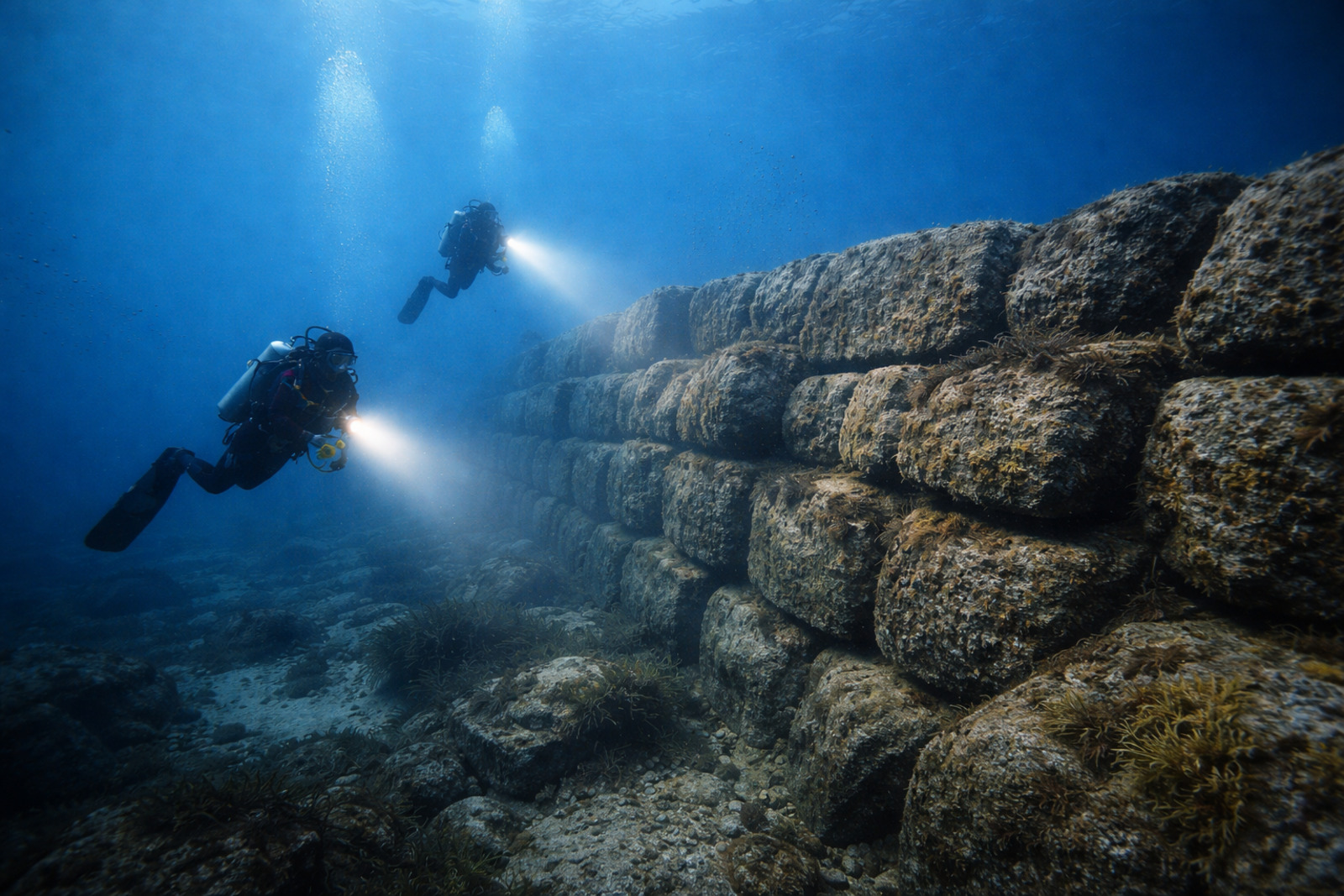
Archaeologists have discovered a colossal submerged wall in the Atlantic, dating back 7,000 years and weighing 3,300 tons, regarded as the largest prehistoric submerged structure ever found in France.
-
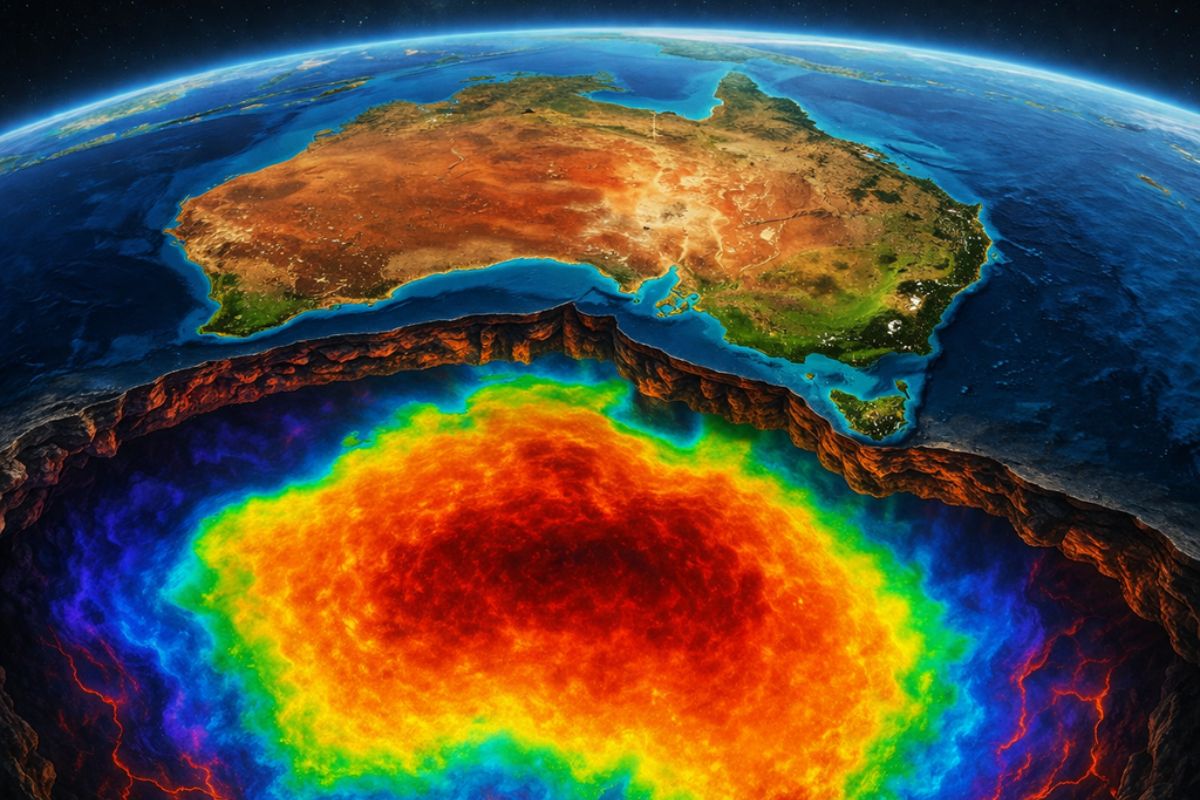
Scientists have discovered a gigantic magnetic anomaly hidden beneath the soil of Australia that mirrors the shape of the entire continent and holds geological records of two and a half billion years that could change what we know about the Earth.
-
The heatwave that has been affecting Brazil in recent weeks is coming to an end: a cyclonic vortex is moving in during Holy Week with heavy rains, and a cold air mass is already threatening to lower temperatures in the South starting in April.

-
(VIDEO) Cameras from an astronomical observatory captured two meteors falling over Santa Maria in Rio Grande do Sul with only a one-minute difference and such close trajectories that scientists are now investigating whether the two objects have the same origin.


According to Galvão, the government program will not be aimed at young doctors but rather at professionals with established careers. “It will be for high-level researchers who want to come to Brazil,” he stated in an interview with Folha. The goal is to strengthen scientific production in critical areas and respond to the investment shortfall experienced by other nations.
Strategic Areas Should Concentrate Resources
Although the CNPq has not yet released the definitive list of the areas covered, Galvão mentioned likely beneficiaries as the fields of engineering, IT, physics, medicine, and artificial intelligence. The new phase will feature scholarships of higher value than traditional postdoctoral programs, funded with resources from the FNDCT (National Fund for Scientific and Technological Development).
The decision to restrict the scope of the program, according to Galvão, aims to ensure a real impact in priority sectors for national development. “In a special program, you have to define priorities,” he said.
Criticisms and Reformulations After First Stage
The previous phase of Knowledge Brazil, aimed exclusively at Brazilian scientists abroad, was criticized for ignoring the challenges faced by researchers working in the country. According to Galvão, the inclusion of doctors trained in Brazil in the new phase was already planned from the beginning, but was delayed due to caution and lack of complete data.
The current program selected 567 researchers and is expected to last up to five years. The new phase does not yet have a specific launch date, but the announcement should be published by the end of 2025, with activities expected to start in 2026.
Do you think the new phase of the program is correct in prioritizing strategic areas and high-level researchers? Or should the government open more space for those already researching in Brazil? Leave your opinion in the comments — your experience can enrich this debate.







-

-

-

14 pessoas reagiram a isso.