





 Portuguese
  English
  Spanish
  4 min of reading
  0 comments


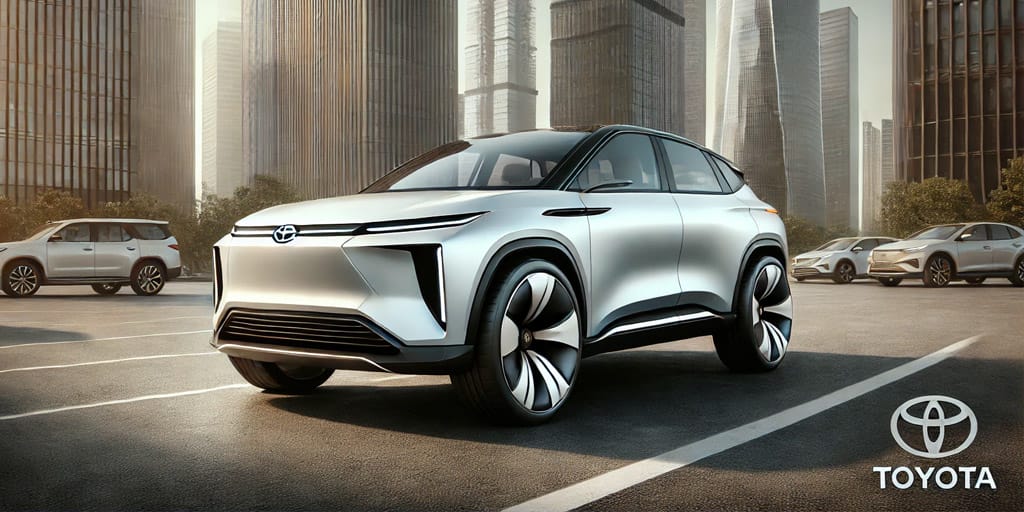
Toyota BZ3c Is An Electric SUV That Combines Japanese Technology With Chinese Components. With A Modern Design And Focus On Sustainability, It Promises To Revolutionize The Global Automotive Market And Has A Great Chance Of Success In Brazil.
Toyota, one of the giants in the automotive industry, has just announced a a model that promises to revolutionize the global market.
Although the Japanese brand is already known for its innovation in electric vehicles, the BZ3c arrives with an unexpected surprise.
Behind this SUV, which has everything to win over the public, is a collaboration between Japan and China. But why is this union of forces generating so much buzz? Find out below.
-
A 250cc motorcycle that can reach 560 km with a 14-liter tank, features disc brakes on both wheels and is among the most well-known in Brazil.
-
Man finds over 200 rare cars abandoned on a lot and tries to do the impossible in 8 hours with a surprise at the end.

-
An irregular parking case gains attention after a Mercedes Classe A was removed in such a strange way that it even raised doubts about damage to the car.

-
Costing R$ 16,000, the new Yamaha features a 125 cc hybrid engine with electric assistance, delivers 8.3 hp, includes ABS, optimized fuel consumption, Y-Connect connectivity, 25 liters of storage space, and a surprising 4-year warranty in the urban segment.

On September 21, 2024, Toyota presented new details about the BZ3c electric SUV.
Although the vehicle’s first public appearance was at the Beijing Auto Show, the most intriguing details are only now being revealed.
According to the Ministry of Industry and Information Technology of China (MIIT), this new model stands out for its unexpected engine: a Chinese engine, manufactured by BYD, known for its electric battery sector.
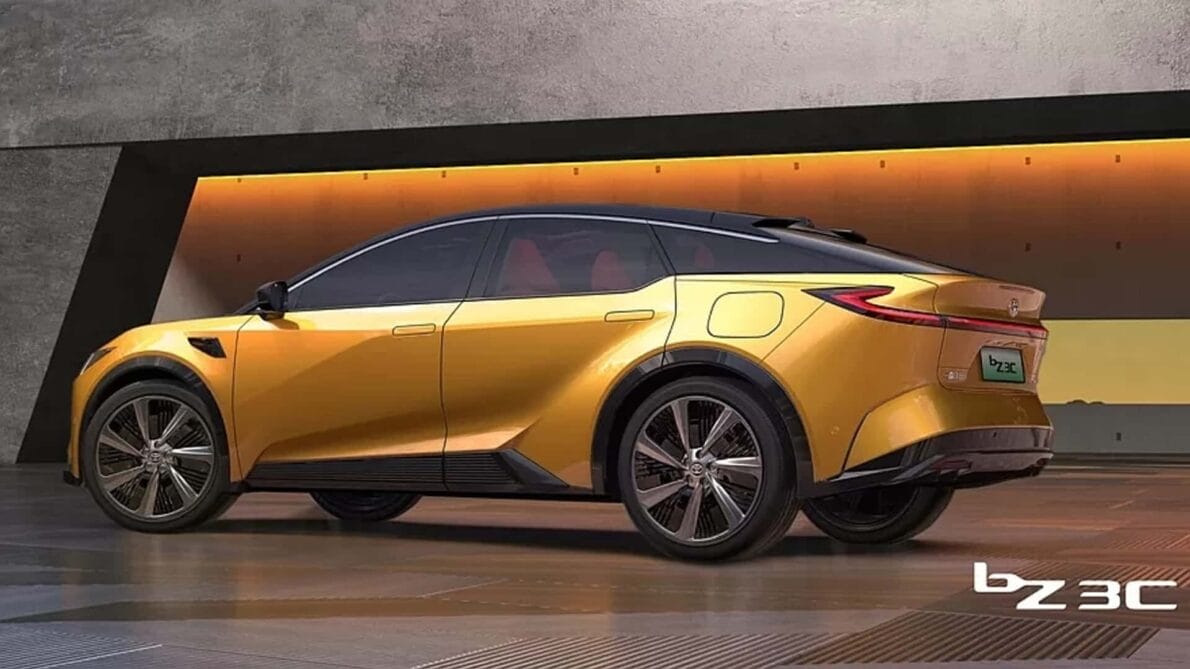
BZ3c: The Union Of Two Automotive Powers
According to MIIT, the Toyota BZ3c has been certified as part of the vehicle approval process in China, and through this procedure, technical details and photos of the vehicle have leaked, generating expectations among electric SUV enthusiasts.
With an impressive length of 4.78 meters, the SUV positions itself as a strong competitor in the segment. For comparison, the BZ3c is significantly larger than the Toyota Prius, which measures 4.60 meters.
The SUV comes equipped with an LFP (lithium iron phosphate) battery, manufactured by BYD, although there are still no details about the exact size of the battery.
However, it is known that the electric motor delivers 200 kW, which is equivalent to 272 horsepower, and has front-wheel drive, ensuring competitive performance for a vehicle in this category.
Minimalist Design, But With An Innovative Soul
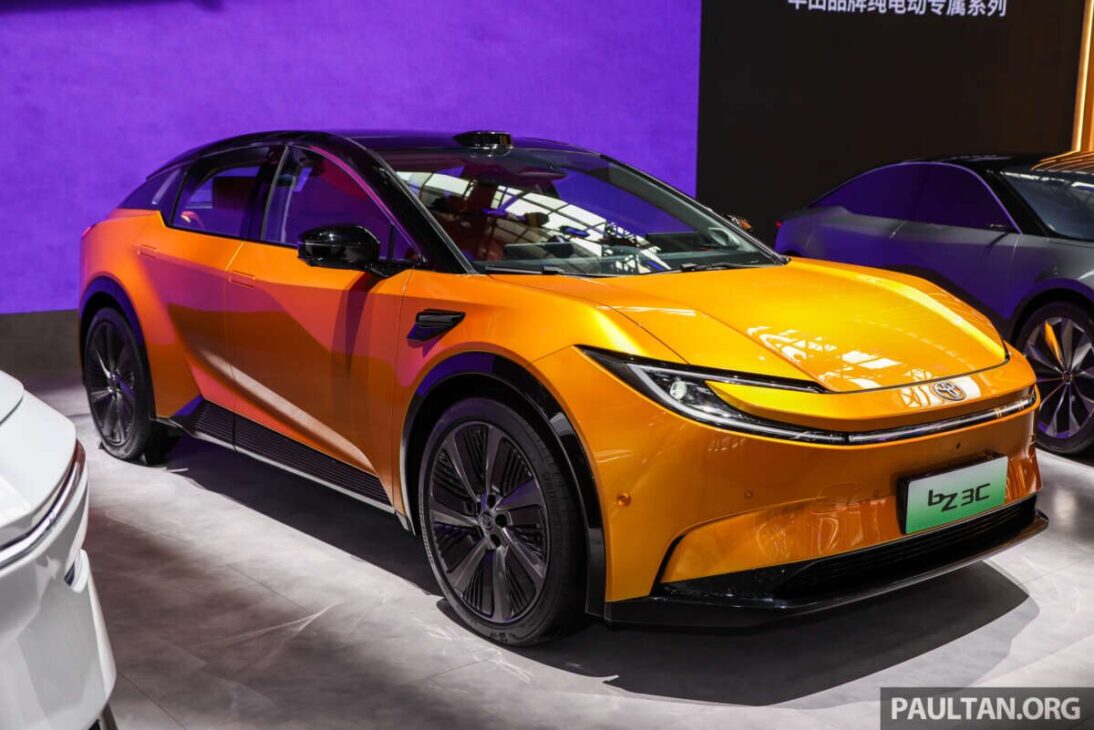
The first images of the BZ3c, which leaked during the approval process, showed a simple and minimalist design, with white paint, basic hubcaps, and untinted windows.
However, the version presented to the public during the Beijing Auto Show was completely different.
With a sophisticated design aligned with the trends of Toyota’s electric vehicles, the SUV promises to attract attention not only for its specifications but also for its style.
Export And Tariff Challenges
Toyota has not yet confirmed the exact platform used by the BZ3c, but there are strong indications that it is the e-TNGA, the same platform used for other electric vehicles from the brand.
This choice facilitates exportation to other markets, such as North America and Europe.
However, the use of Chinese components, such as the BYD motor and battery, may bring challenges regarding import tariffs.
The brand is aware of these obstacles and is already looking into ways to adapt the model for different markets.
Adjustments to the drivetrains or even local production in some regions may be a solution to keep the price competitive, especially in areas with high demand for electric vehicles.
The BZ3c In Brazil: Potential To Lead
In Brazil, where the electric SUV market is in full expansion, the BZ3c has a promising path.
Toyota, which already has a solid base in the country, could make adjustments to make the model even more appealing to Brazilian consumers.
Possible adaptations include changes in the drivetrain and the use of local components, which could reduce the final cost of the vehicle and, consequently, make it a more accessible option.
The growing demand for electric vehicles in Brazil, driven by the search for sustainable alternatives and innovation, positions the BZ3c as a sure bet for Brazilian consumers.
Toyota, with its partnership strategies, such as the one established with BYD, positions itself as one of the leading automakers to lead this transformation in the country.
Partnerships That Shape Toyota’s Future
Toyota’s partnership with BYD is not just a technical union, but a strategic alliance that opens doors for the development of new technologies and solutions in the automotive sector.
According to sources close to the company, Toyota intends to maintain its leadership position by investing more and more in innovation and sustainability.
This approach aims to meet both global and local market demands, especially in emerging markets like Brazil.
The BZ3c is a clear demonstration of how Toyota is looking to the future, not only in terms of technological innovation but also in how it is integrating with new trends and markets.
The Future Of Electric SUVs Is Closer Than You Think
In summary, the Toyota BZ3c represents a significant innovation in the brand’s portfolio, being a model that combines sustainability, modern design, and global success potential.
Brazil, with its growing electric vehicle market, is on Toyota’s radar, and the arrival of the BZ3c could mark a new era for the automaker in the country.
Will the BZ3c win over Brazilians? Will the combination of Japanese technology and Chinese components overcome tariff barriers and make the SUV a viable option for local consumers? Leave your opinion in the comments!





Seja o primeiro a reagir!