





 Portuguese
  English
  Spanish
 5 min of reading
  1 comment


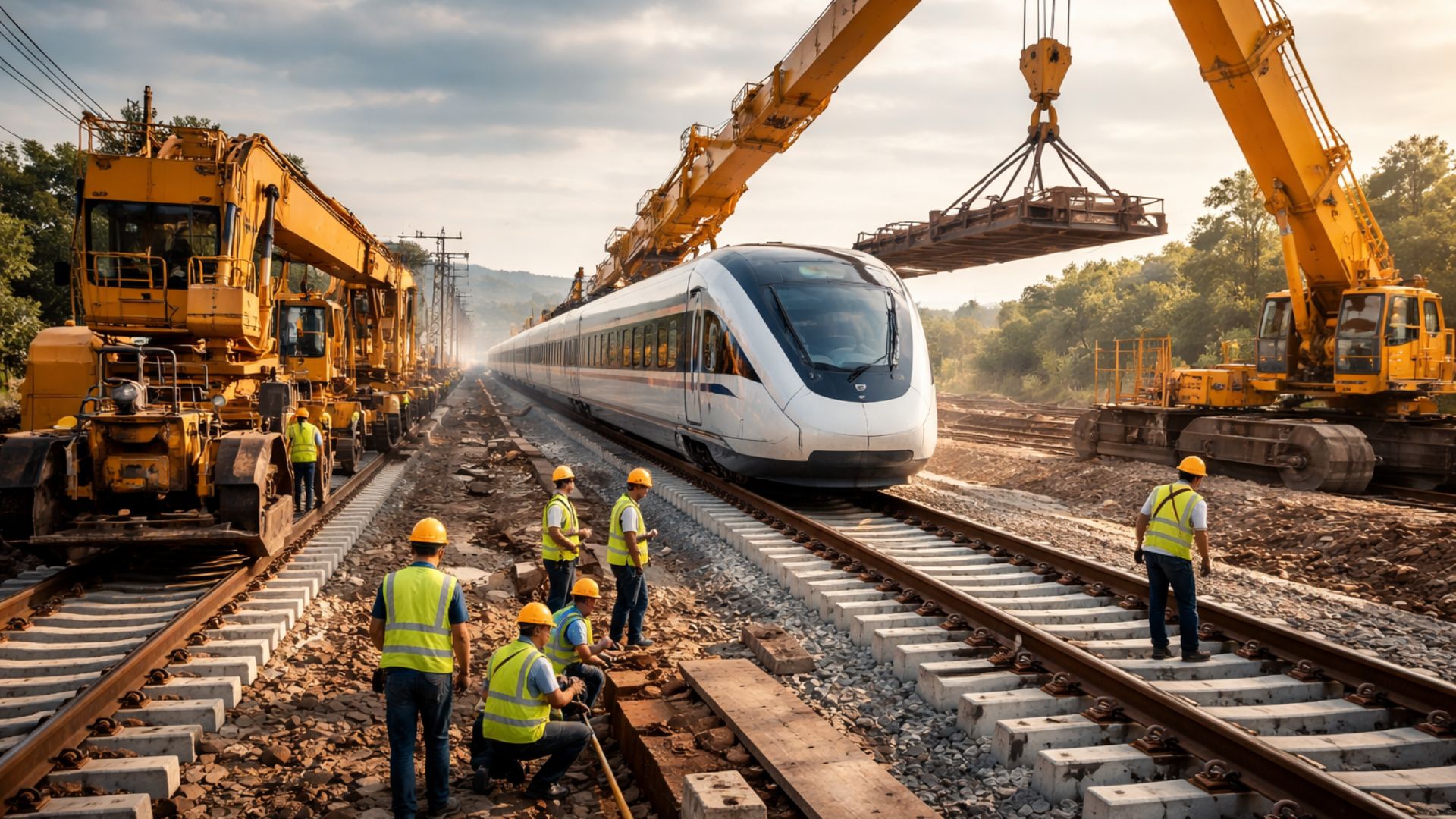


São Paulo Railway Project Bets on Medium-Speed Train Inspired by Chilean Model to Shorten Travel Between Capital and Interior, Promising Journey in About 64 Minutes and Integration with Existing Railway Network Between São Paulo, Jundiaí, and Campinas.
The train that is set to operate the Intercity Train North Axis between São Paulo, Jundiaí, and Campinas was presented with a configuration inspired by a model already used in Chile and with a promise to shorten the trip to about 64 minutes.
The official project from the São Paulo government proposes a route of 101 kilometers, starting at Barra Funda, stopping in Jundiaí, and arriving in Campinas, with delivery scheduled for 2031.
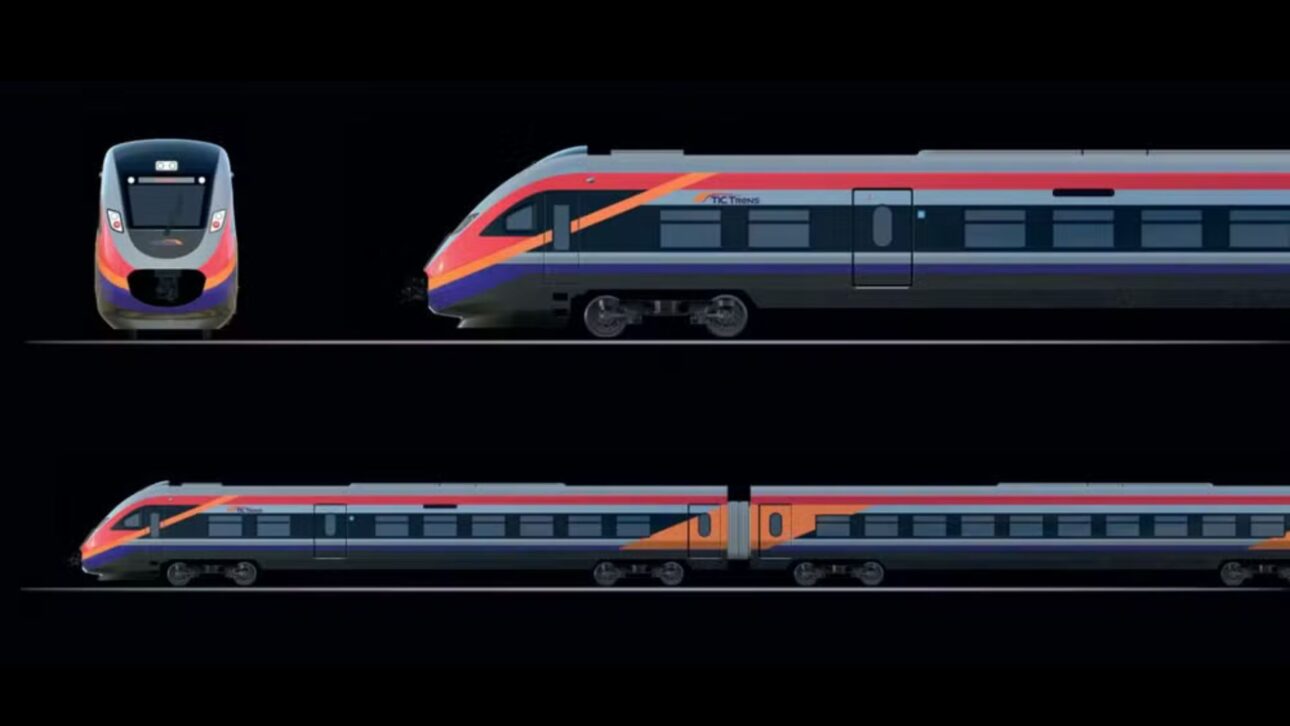
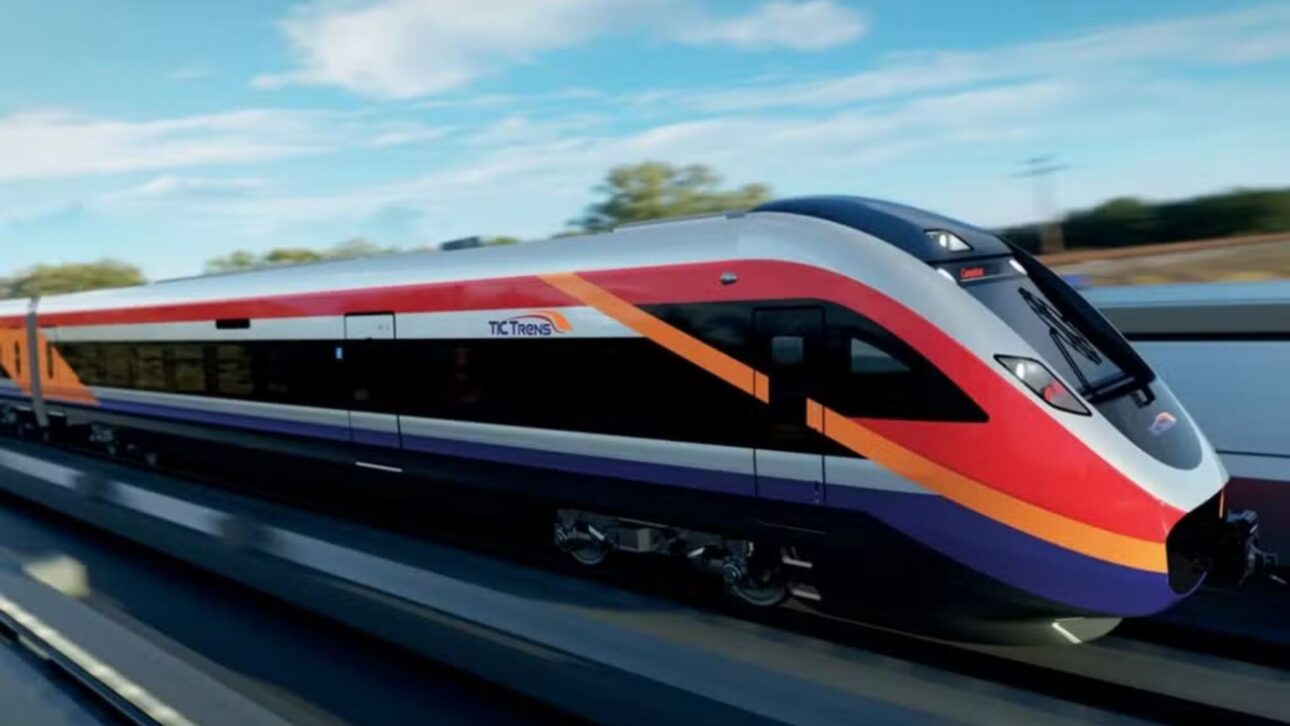
The images released by the TIC Trains concessionaire show a four-car train, aerodynamic design, and visual proposal aligned with the first medium-speed rail service planned for passengers in Brazil.
-
In 200 days, a Finnish man builds with his own hands an 11-meter boat powered by solar energy with “infinite autonomy,” capable of dispensing with refueling and already used as a floating house.

-
Neurologist Richard Restak issues a severe warning to all people over 65: there is a daily habit he recommends completely eliminating from your life because it is destroying your neurons and accelerating memory loss.

-
With 6.1 meters and 33 steps, the spiral staircase of the Loretto Chapel in the United States gained fame worldwide for making two complete 360-degree turns without a central support.

-
With 30 meters in length, a house in England appears to float in the air and surprises engineers and architects around the world due to its visual effect and construction method suspended over sloped terrain.
Although the commercial operation of the São Paulo axis is expected to run at 140 km/h, the presented composition is based on a train with an operational capacity of 160 km/h, manufactured by CRRC Sifang and entered into service in Chile in 2024.
In practice, the main change promised is in the travel time between the São Paulo capital and the interior.
Currently, this route relies on congested highways or longer trips by other modes of transport.
With the new railway service, the São Paulo government maintains that the connection between the two regions will combine greater travel predictability, integration with the metropolitan network, and reduced travel time.
Intercity Train Inspired by Railway Model Used in Chile
The visual and technical reference presented for the TIC North Axis is similar to the SFB-500, a train produced by CRRC Sifang for the Chilean state company EFE.
This model entered operation on the corridor between Santiago and Chillán and was released with 236 seats, 104 meters in length, and a maximum speed of 160 km/h.
These attributes have become the basis for comparison in the presentations of the São Paulo project.
In addition to its size, the configuration also draws attention for its ability to operate in multiple units.
This means that two compositions can run coupled, increasing the seating capacity according to demand.
In the case of the Chilean train, the solution was designed for faster regional services, with accessibility, climate control, and a higher comfort standard than traditional metropolitan trains.
This design helps explain the choice of this reference for the railway corridor between São Paulo and Campinas.
The concessionaire has not yet detailed, to the same extent, all suppliers and final specifications of the train that will be delivered in Brazil.
Even so, the presentation material indicates a composition with characteristics similar to those of the Chilean model.
Among the highlighted points is the internal layout aimed at medium-distance regional travel and a visual identity closer to intercity services.
Train Speed and Estimated Travel Time Between São Paulo and Campinas
The TIC North Axis project was structured to achieve about 64 minutes on the express service between Campinas and São Paulo, with a stop in Jundiaí.
This is one of the central goals of the concession and appears in both the government’s institutional materials and the concessionaire’s pages.
The commercial speed reported by TIC Trains for the operation is up to 140 km/h.
This figure is below the maximum potential of the reference train but is considered sufficient to sustain the estimated travel time disclosed in the project.
Internally, the composition presented for the service includes amenities aimed at comfort during medium-distance travel.
Among them are restrooms, including space adapted for people with reduced mobility.
There are also independent climate control systems per car, camera monitoring, and security equipment, such as smoke and fire sensors.
Technical data associated with the reference composition includes power of 3,000 kW, acceleration of 0.7 m/s², and emergency deceleration of up to 2.5 m/s².
The train would also have an approximate weight of 207 tons, a figure that helps to define the expected operational profile for a faster regional service.
This performance allows for maintaining characteristics superior to conventional metropolitan trains while remaining compatible with the railway infrastructure planned for the corridor.
Project Includes Regional Train, Metropolitan Line, and Modernization of Line 7-Rubi
The TIC North Axis is not limited to the express train between the capital and Campinas.
The concession also includes the Intermetropolitan Train (TIM).
This stopping service will connect Jundiaí to Campinas, with stations in Louveira, Vinhedo, and Valinhos.
In addition, the contract provides for the operation, maintenance, and modernization of Line 7-Rubi, which connects Barra Funda station to Jundiaí.
This is a broader railway package aimed at reorganizing rail mobility in one of the main urban and economic axes of the state of São Paulo.
In the project documents, the São Paulo government reports R$ 14.2 billion in investments.
The expectation is to serve about 15 million people in 11 municipalities, in addition to generating more than 10,000 direct, indirect, and induced jobs.
The schedule presented in institutional materials indicates start of works in 2026.
The Intermetropolitan Train is expected to begin operations in 2029.
Meanwhile, the Intercity Train between São Paulo and Campinas is expected to start operating in 2031.
The concession was auctioned on February 29, 2024.
The project was won by the C2 Mobility on Rails consortium, linked to the Comporte Group and the Chinese manufacturer CRRC.
Since then, the concessionaire TIC Trains has taken over the operation of Line 7-Rubi and has been focusing on implementing the new railway services for the north axis.
In its institutional presentation, the company claims that the future Intercity Train could transport up to 860 passengers per trip, considering the full operation of the service and not just the seated capacity of a single composition.
The disclosure of the train layout reinforces that the project has entered a more concrete phase of communication with the public.
Nevertheless, implementation depends on the progress of civil works, the construction of railway infrastructure, and the final definition of the rolling stock that will be delivered for operation.
Among the points already consolidated in the official documents are the 101-kilometer railway corridor, the estimated travel time, and the creation of an express medium-speed service between São Paulo and Campinas.







Achei fantástico ,o Brasil ganharia muito se fosse movido pelos trens ,não seríamos prisioneiros dos combustíveis poluidores ,a agricultura agradeceria pois a cana acaba com o solo e rios ,a gasolina com ar .. é um caso a ser estudado …