





 English
  Francês
  Alemão
  Italiano
  Japonês
  Norueguês
  Portuguese
  Spanish
 3 min of reading


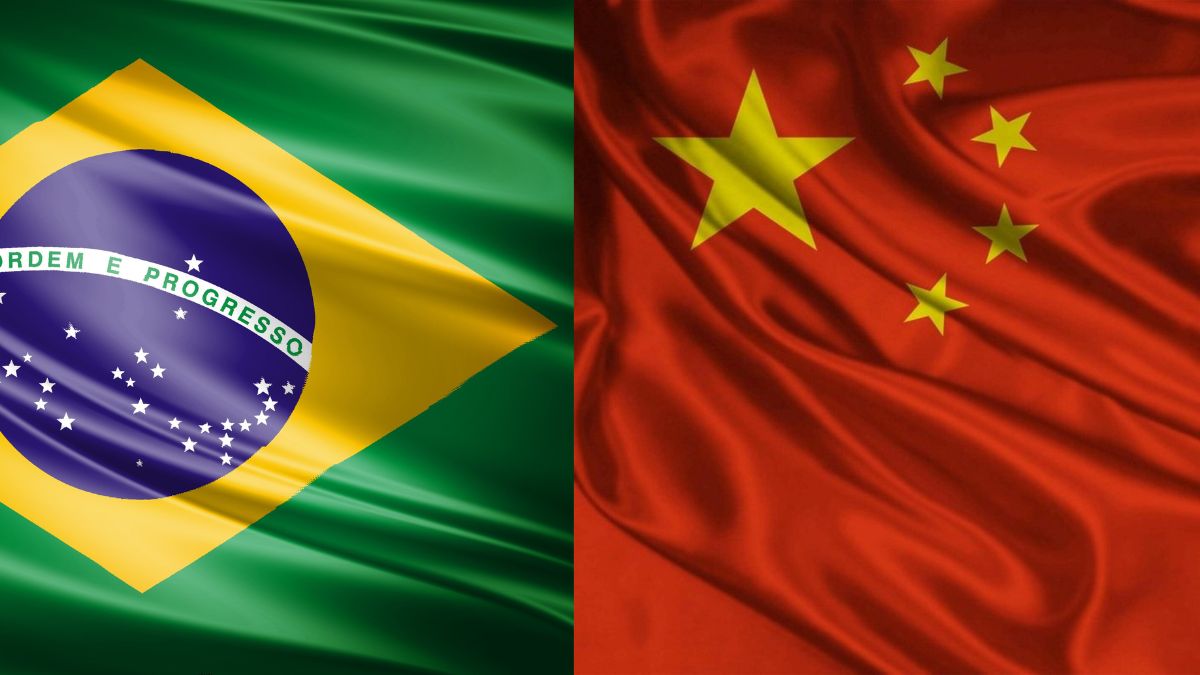
The Relationship Between Countries in the Economy Was Shaken by Covid-19, but Now It Shows Signs of Strengthening
The Covid-19 pandemic was a global chaos and exposed several countries to the need for an abrupt closure, the famous “lockdown”. However, China experienced this in an even more intense way, which disrupted its good economic relationship with Brazil. Thus, we faced some impasses regarding exports and commodity trading.
However, after a slight reduction in Covid-19 cases and after the recent inauguration of President Luis Inácio Lula da Silva, the Prime Minister of China, Xi Jinping, gave a positive nod to diplomacy. Therefore, we can expect a rapprochement between the two countries, especially for strengthening sustainability and energy transition. To learn more, continue reading!
Understand a Little More About Economic Relations Between China and Brazil With the Video Below
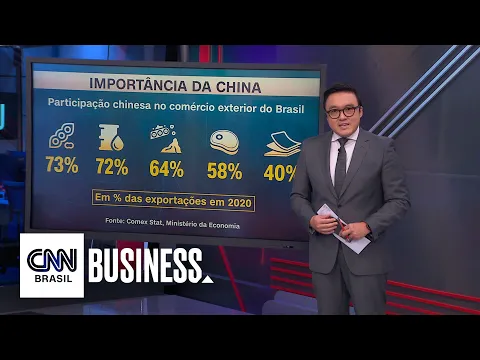

With the Inauguration of the New President, Experts Point Out That It May Increase the Confidence of the Chinese Government in the Economy
Some economists and experts from the country’s leading universities point out that the government left by Bolsonaro caused a certain fear among Chinese investors. However, with the inauguration of the new president, experts indicate that this scenario may change for greater confidence and desire for investment.
-
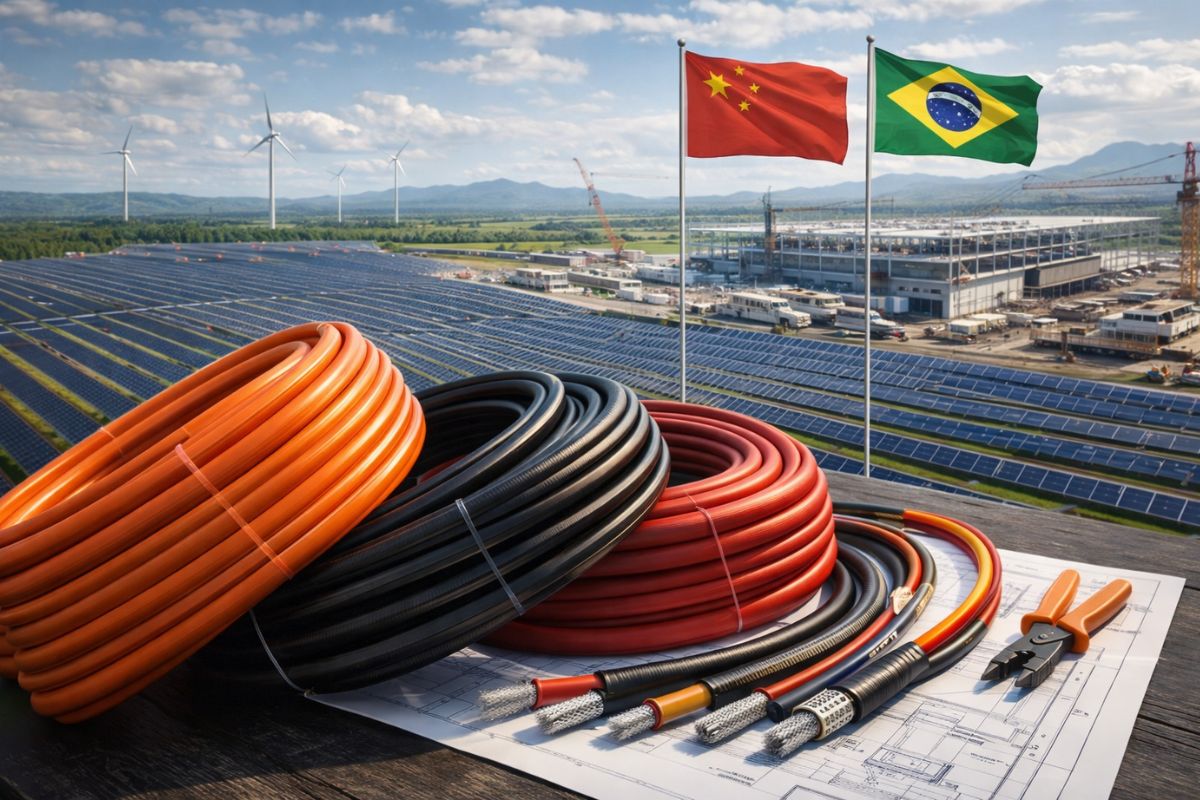
Chinese giant worth nearly R$ 4 billion that manufactures cables for electric cars, solar energy, and robotics wants to open a factory in SC.
-
Many employers do not know, but the law guarantees domestic workers a 25% increase in salary during trips, 50% for overtime, 20% for night shifts, and 17 additional benefits that can lead to labor lawsuits if not paid.

-
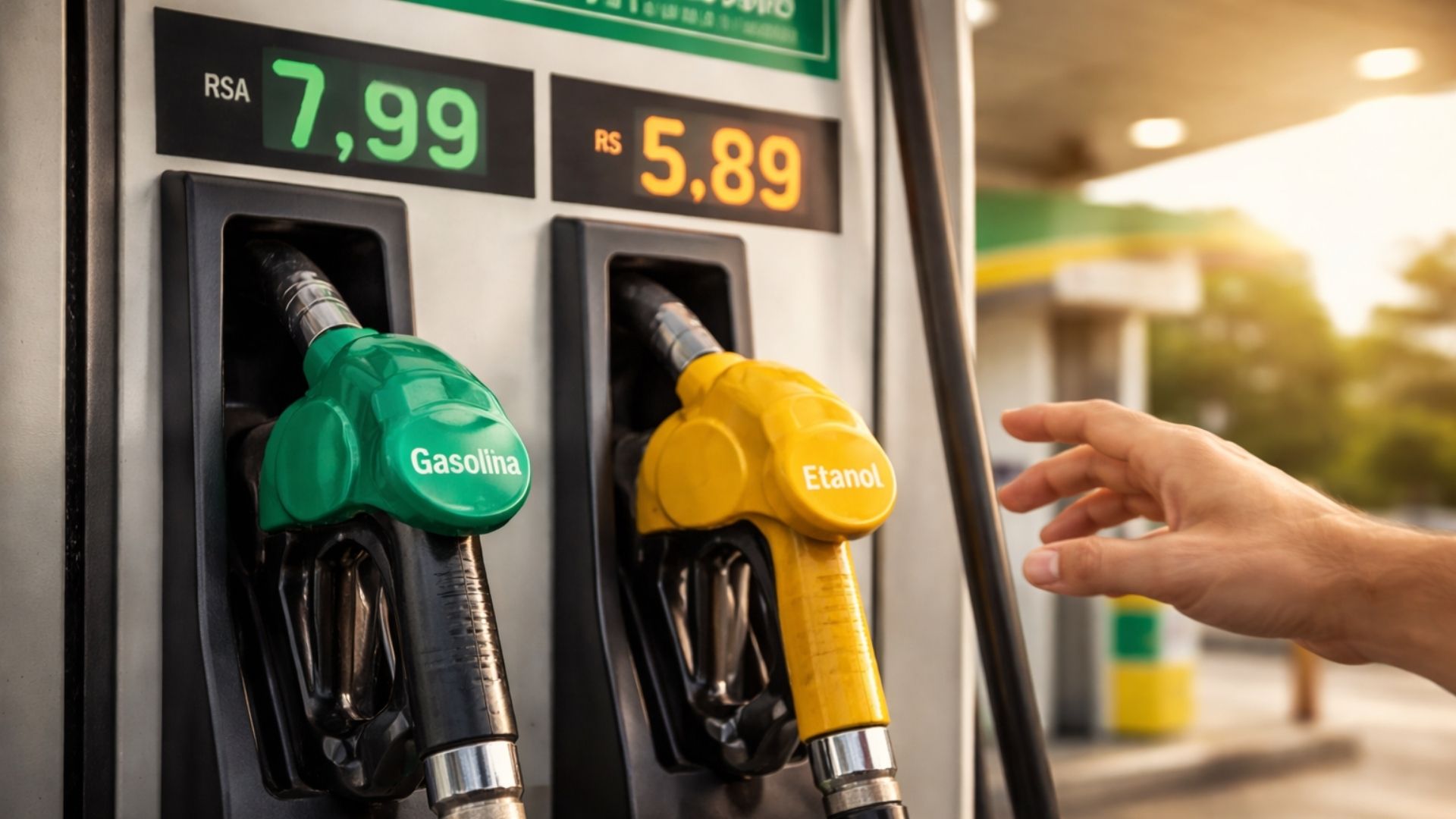
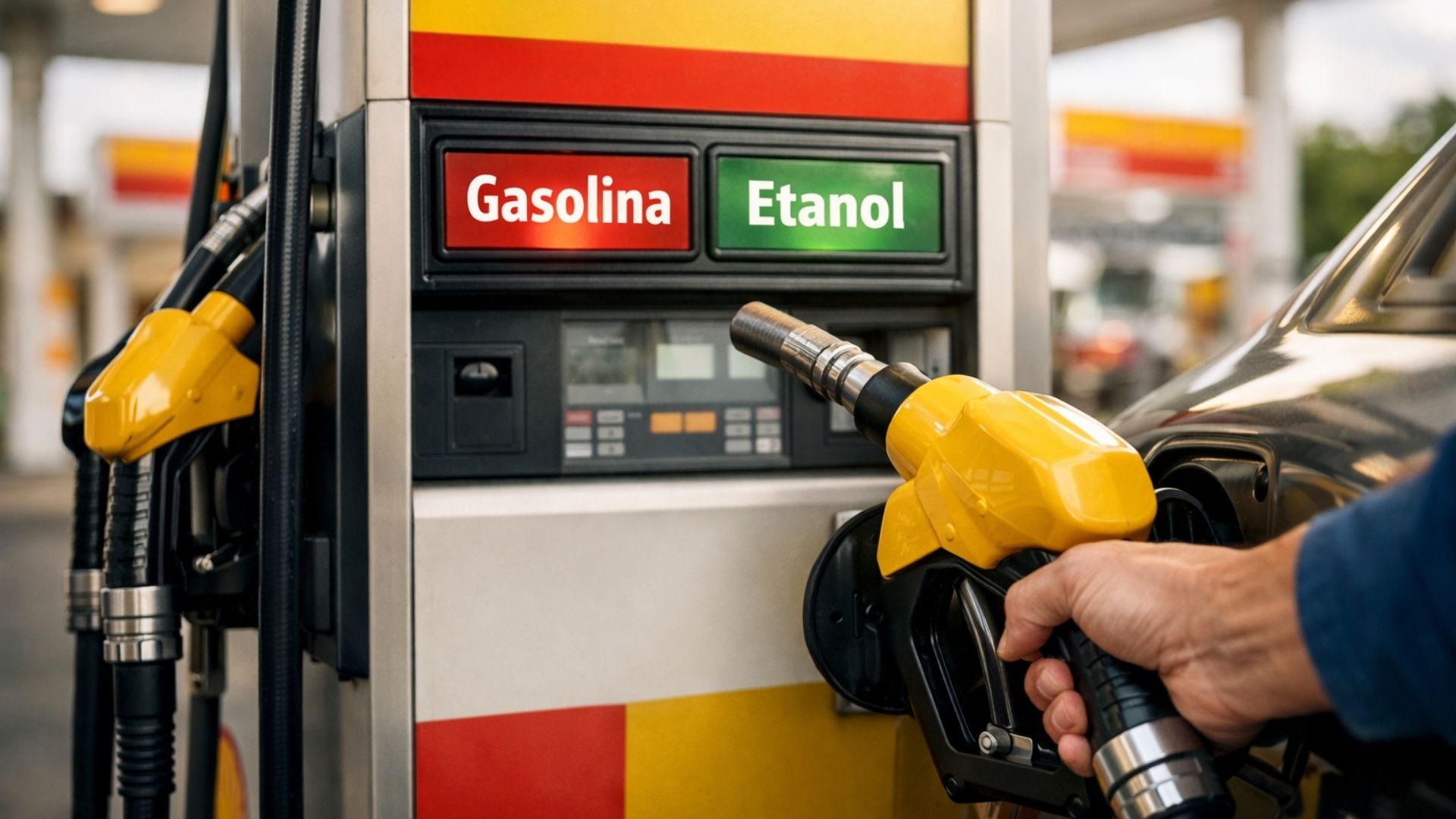
Gasoline prices soar and the question arises: is ethanol more advantageous? The 70% rule reveals the limit with gasoline.
-
The government has made a decision and is starting a test with more ethanol in gasoline, anticipating a mixture of up to 35%, diesel with 25% biodiesel, and a study to assess the impacts on engines.

First of all, what is expected is an increase in cooperation in the technological aspect and even a technology transfer from China. All of this is aimed at improving economic relations and also promoting activities that align with sustainability and energy transition.
In China, Xi Jinping Is Also Assuming His Third Unprecedented Term in the Country
It is not only in Brazil that a historic event of a third term is happening. After all, Chinese President Xi Jinping is also assuming the most important position in the country for the third time. Furthermore, both presidents are considered popular leaders focused on social causes.
Moreover, the presidents converge on the goal of strengthening the economy and foreign policy. Thus, both seek a stronger position in business at a global level and greater investments in their countries.
New Environmental Goals from China May Demand More from Brazilian Exporters in Favor of Sustainability
China is eagerly seeking to commit to reducing its carbon emissions in the coming years and, for that, is imposing conditions on exporting countries. In this sense, Brazilian agriculture will be greatly impacted by these new requirements.
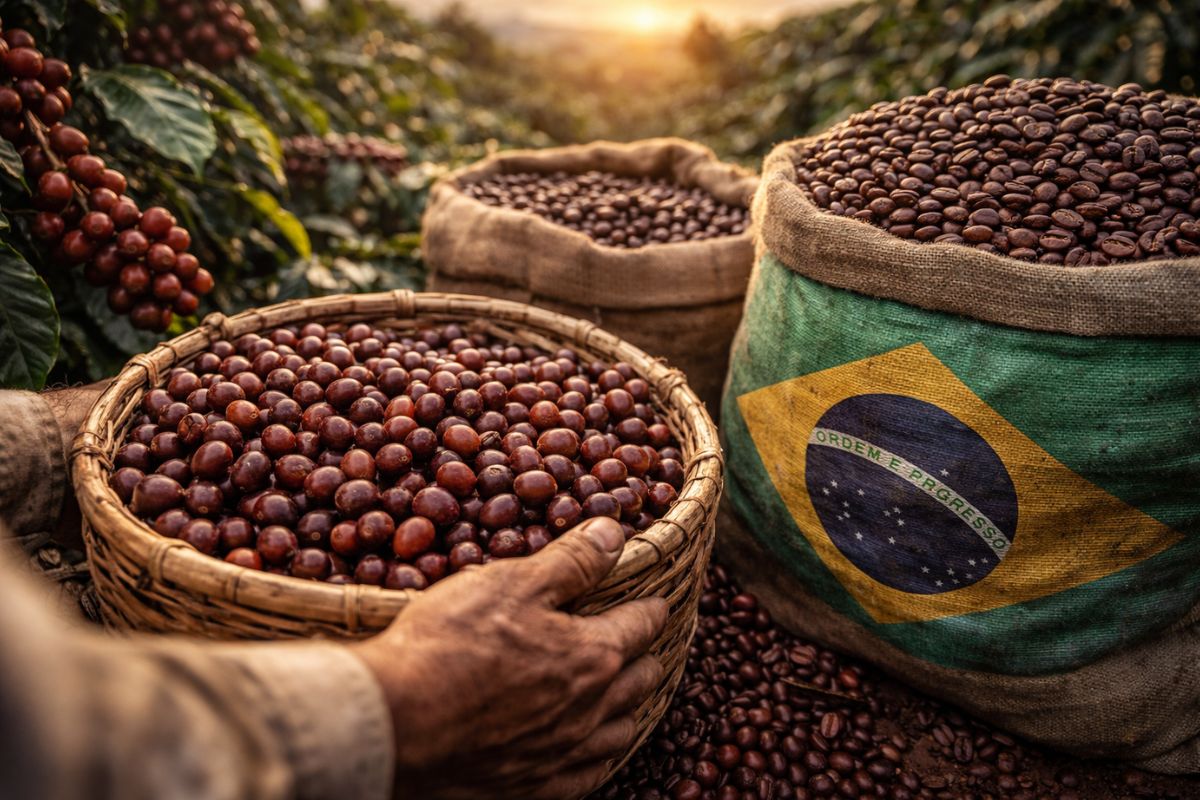
After all, the great power may require that agribusiness products be produced and cultivated using renewable energies. Moreover, the Chinese have shown a preference for domestic productions, modernization of agriculture, and diversification of technology. Therefore, this may directly affect how we export our products.
The Asian country also has significant long-term goals for energy transition and ensuring food supply for the entire population. Therefore, economic ties will be reshaped, especially since there was a decline in the export of certain products like iron ore.
China Also Seeks Technological Self-Sufficiency, Which Stimulates Energy Transition and Sustainability
Finally, everything that has been said is directly related to China’s greater goal of achieving technological self-sufficiency. Thus, the country will increasingly invest in technology and exchange it with Brazil for agricultural primary products. This process is called technology transfer and benefits both countries.
However, it is projected that the coming years will be favorable for energy transition, sustainability, and the use of renewable energies. Furthermore, the economic relationship between the two countries is only beneficial and will elevate Brazil’s name on the international stage.







Seja o primeiro a reagir!