





 English
  Francês
  Alemão
  Italiano
  Japonês
  Norueguês
  Portuguese
  Spanish
  3 min of reading


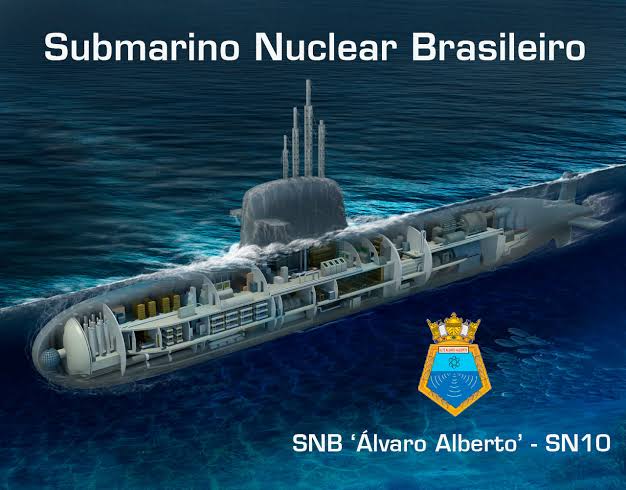
ICN and NUCLEP Move Toward Another Industrial Leap by Joining Forces to Manufacture the First Qualification Section of the SN-BR Álvaro Alberto, the First Nuclear-Powered Submarine in Latin America.
A meeting on the afternoon of this Friday, August 2, between the president of Nuclebras Equipamentos Pesados (NUCLEP), C. Alte Carlos Henrique Silva Seixas, and the CEO of Itaguaí Construções Navais (ICN), André Portalis, sealed another important advancement of the National Submarine Development Program (Prosub) of the Brazilian Navy.
Accompanied by the Administrative Directors of NUCLEP, C. Alte. Oscar Moreira Filho, and Industrial Director of ICN, Carlos Adolpho, they initiated discussions for the construction of the Qualification Section of the Nuclear-Powered Submarine Álvaro Alberto. This component will allow engineers, technicians, and workers to perform their activities, in a testing phase, before applying them definitively to the sections that will be built for the SN-BR.
-
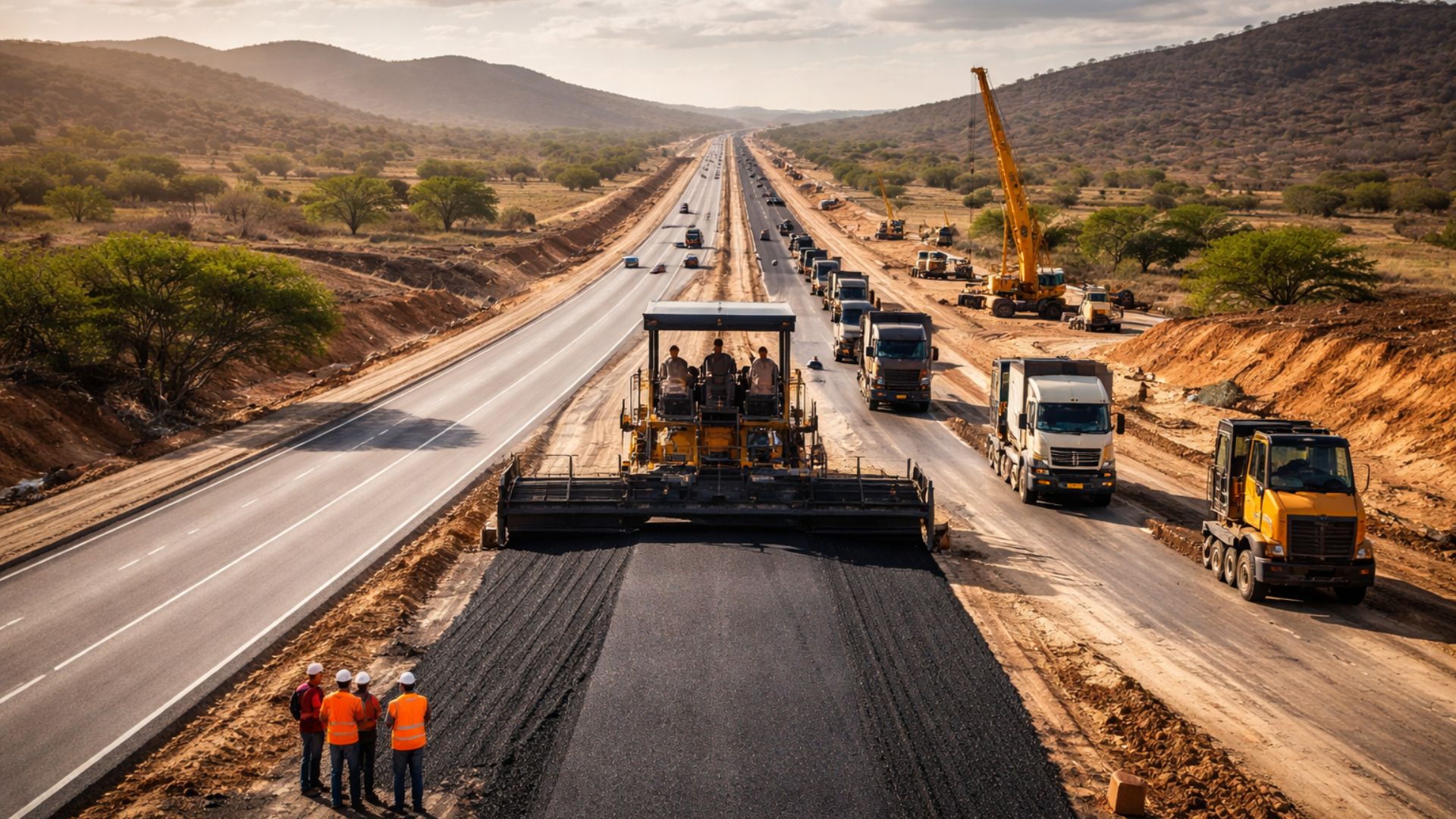
Government unlocks R$ 554 million for a highway that has been requested for decades and accelerates the duplication of BR.
-
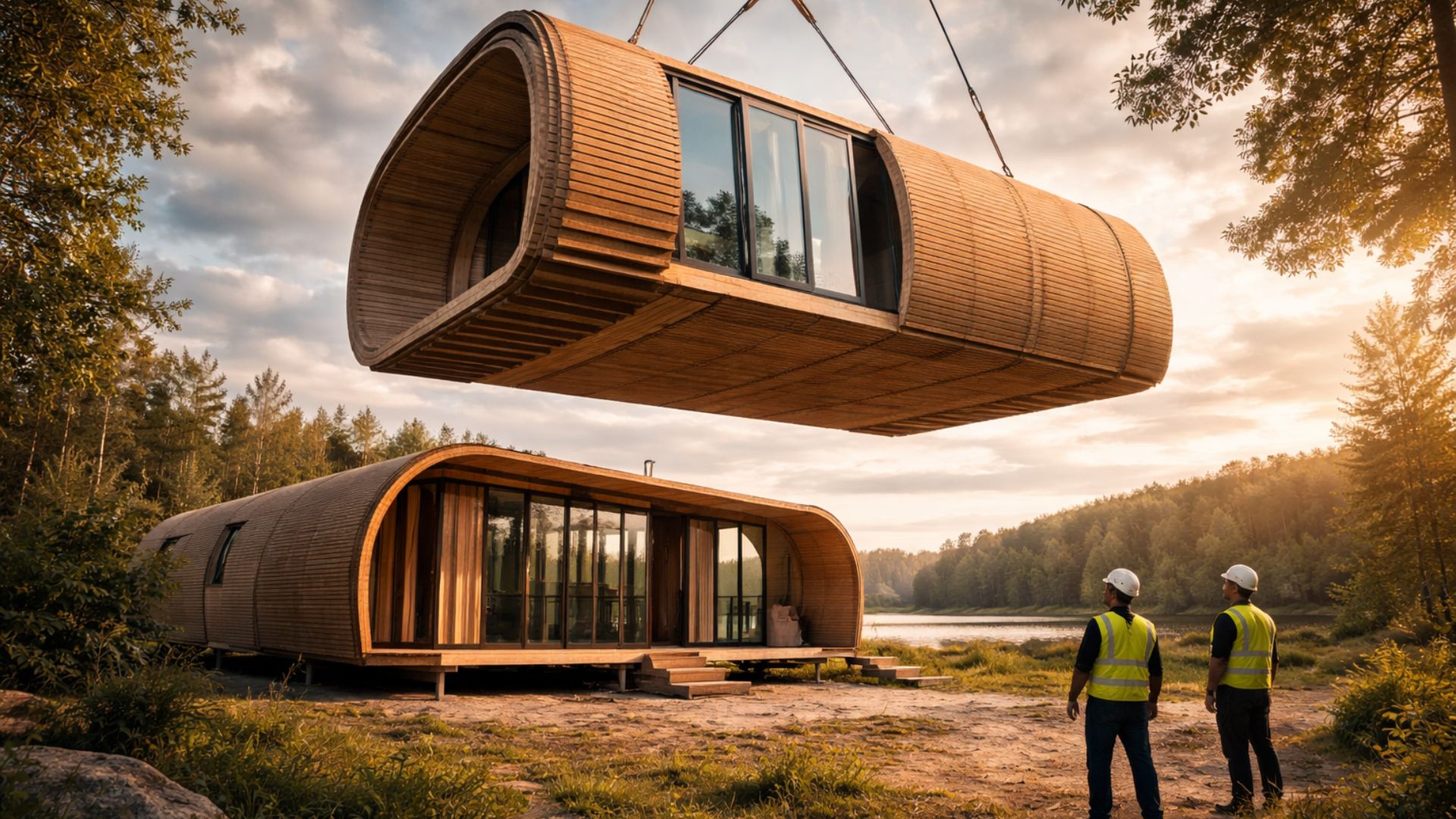
Without bricks, without cement, and without endless construction: the cardboard house that is assembled in modules and can be moved.
-
Billions of barrels on the equatorial margin could lead Amapá to double its oil production in Brazil — the state aims to enter the route of companies in the Campos Basin, attract investments, and boost jobs and businesses in the oil and gas sector.

-
Without bricks, without cement, and without endless construction: the cardboard house that is assembled in modules and can be moved.

With French technology, the most modern in this market, 100 meters in length, and a displacement of 6,000 tons, the SN-BR will be the first nuclear-powered submarine in Brazil’s history, as well as the first to be built in the Southern Hemisphere.
Brazil is one of the few countries in the world that has a project for constructing a nuclear submarine solely aimed at hunting other submarines, which will not carry ballistic missiles.
Prosub: Comparison of Tupi, S-BR, and SN-BR
Autonomy – One of the pieces of information released by the Itaguaí Naval Complex is the considerable difference in autonomy between the S-BR and the “Tupi” class: an increase from 45 days to 70 days. For comparison, the original Scorpene, like the model operated by Chile, without the section added to the S-BR that allowed for increased fuel and provisions capacity (in addition to improving habitability), has an autonomy of about 50 days.
In relation to the “Tupi” class, the S-BR will be able to navigate up to 13,000 miles (with snorkel), compared to 10,000 nautical miles. In the case of the SN-BR, due to the nuclear reactor that can generate power for several years before the replacement of the nuclear fuel elements, the limit for its autonomy is determined by the endurance of its crew and the duration of the provisions carried on board, rather than by the fuel (diesel) stored in the tanks, as is the case with conventional submarines.
Speeds – The maximum “snorkeling” speed of the S-BR and the “Tupi” class exceeds 11 knots, according to the table.
Size of the SN-BR – In relation to the nuclear submarine, its size first draws attention: with a total length of over 100 meters and an internal diameter of the resilient hull greater than 9 meters, the displacement of the SN-BR is projected at approximately 6,000 tons when on the surface and 6,500 tons when submerged. These figures are similar to those of the renowned “Los Angeles” class of nuclear submarines of the United States Navy.
Petrobras Drives Its Profits by Focusing on the Exploration of Ultra-Deep Waters







Seja o primeiro a reagir!