





 Portuguese
  English
  Spanish
  3 min of reading


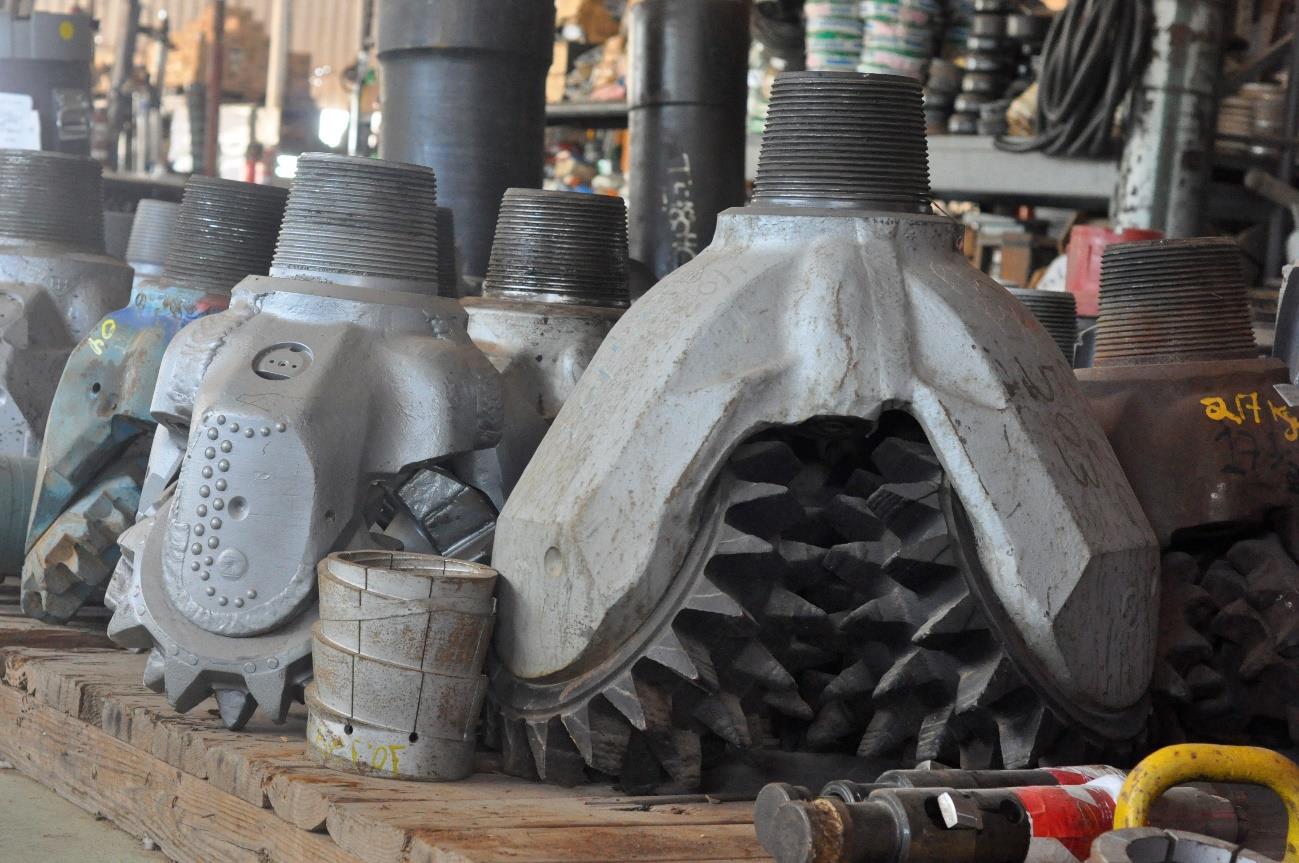
The COVID-19 Pandemic Halted Oil and Gas Activity, a Phenomenon That Now Affects the Drilling Market in Terms of Wells Drilled and in Terms of Related Demand for Drilling Equipment, According to Energy Intelligence Company Rystad Energy
An analysis by Rystad Energy shows that the number of wells drilled globally is expected to reach about 55,350 this year, the lowest since the beginning of the century. The decline is an impressive 23% drop from the 71,946 wells in 2019. Rystad’s forecast, which extends through 2025, does not consider it likely that last year’s number will be met or exceeded within the estimated timeframe.
See Also Other News:
- Construction Workers, Reinforcers, Carpenters, and More Professionals Called for Job Vacancies in Civil Construction, Today July 15
- 50 Job Vacancies Offered for Electricians, Mechanics, Civil Technicians, Quality Technicians, Safety Engineers, Civil Engineers, and More
- Offshore Contracts in Scale 56 x 56 Demand Vacancies for Mariners in Rio de Janeiro. Salary Up to R$ 21,160.00 Plus Benefits!
It is expected that the number of wells drilled will partially recover to just over 61,000 in 2021, as governments ease travel restrictions, increasing demand and oil prices. Then, numbers are expected to rise further to just above 65,000 in 2022 and remain below 69,000 until the end of 2025.
-
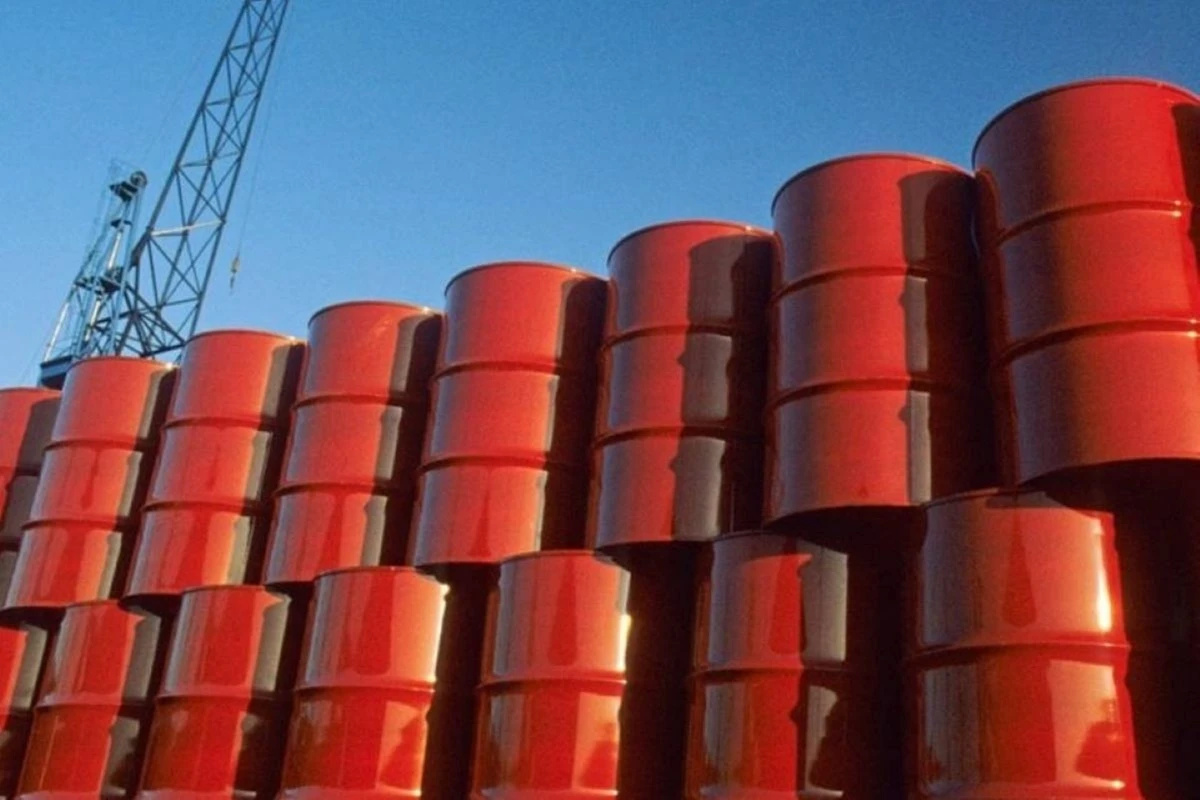
New escalation of tensions and oil crisis in the Middle East forces world powers to accelerate energy transition plans.
-
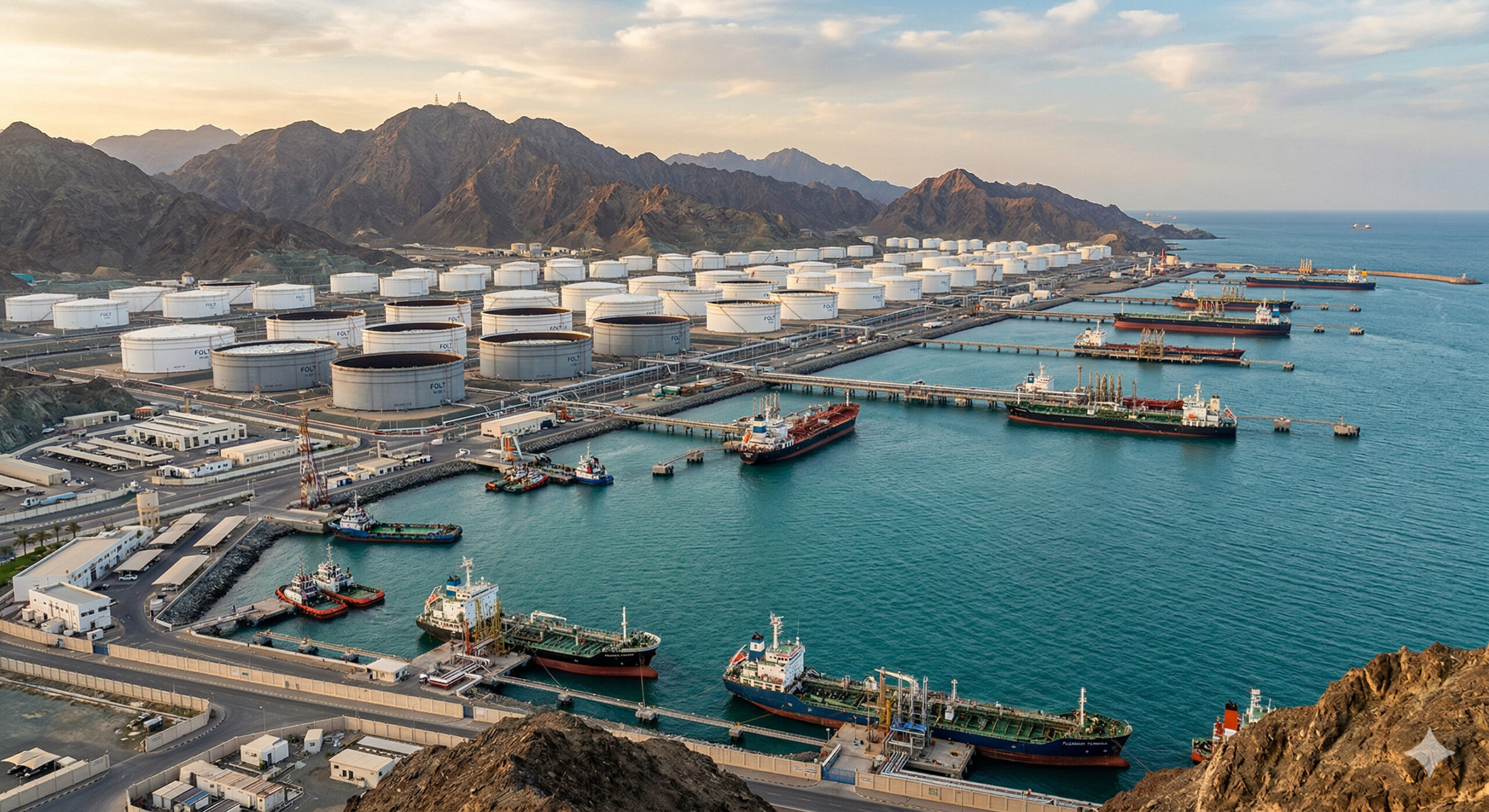
Giant reservoirs with a capacity of 18 million cubic meters have turned Fujairah into one of the largest energy vaults on the planet. This facility, located outside the Strait of Hormuz, stores oil on a colossal scale and has become a silent piece that supports the global flow of fuels.
-
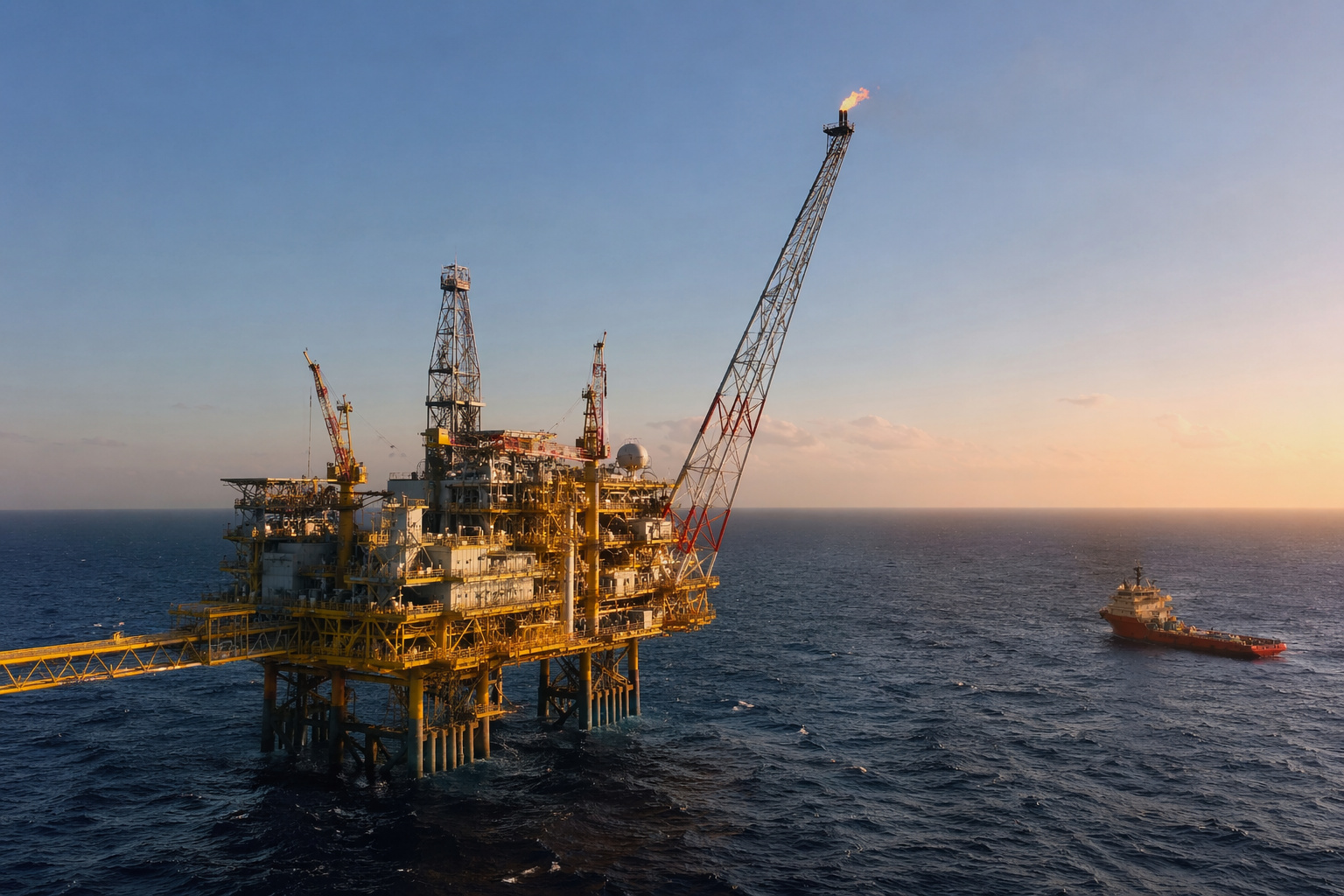
The next exploration auction in the pre-salt will offer 23 blocks in the Campos and Santos basins and may change the interest of oil companies in Brazil.
-
The next exploration auction in the pre-salt will offer 23 blocks in the Campos and Santos basins and could change the interest of oil companies in Brazil.
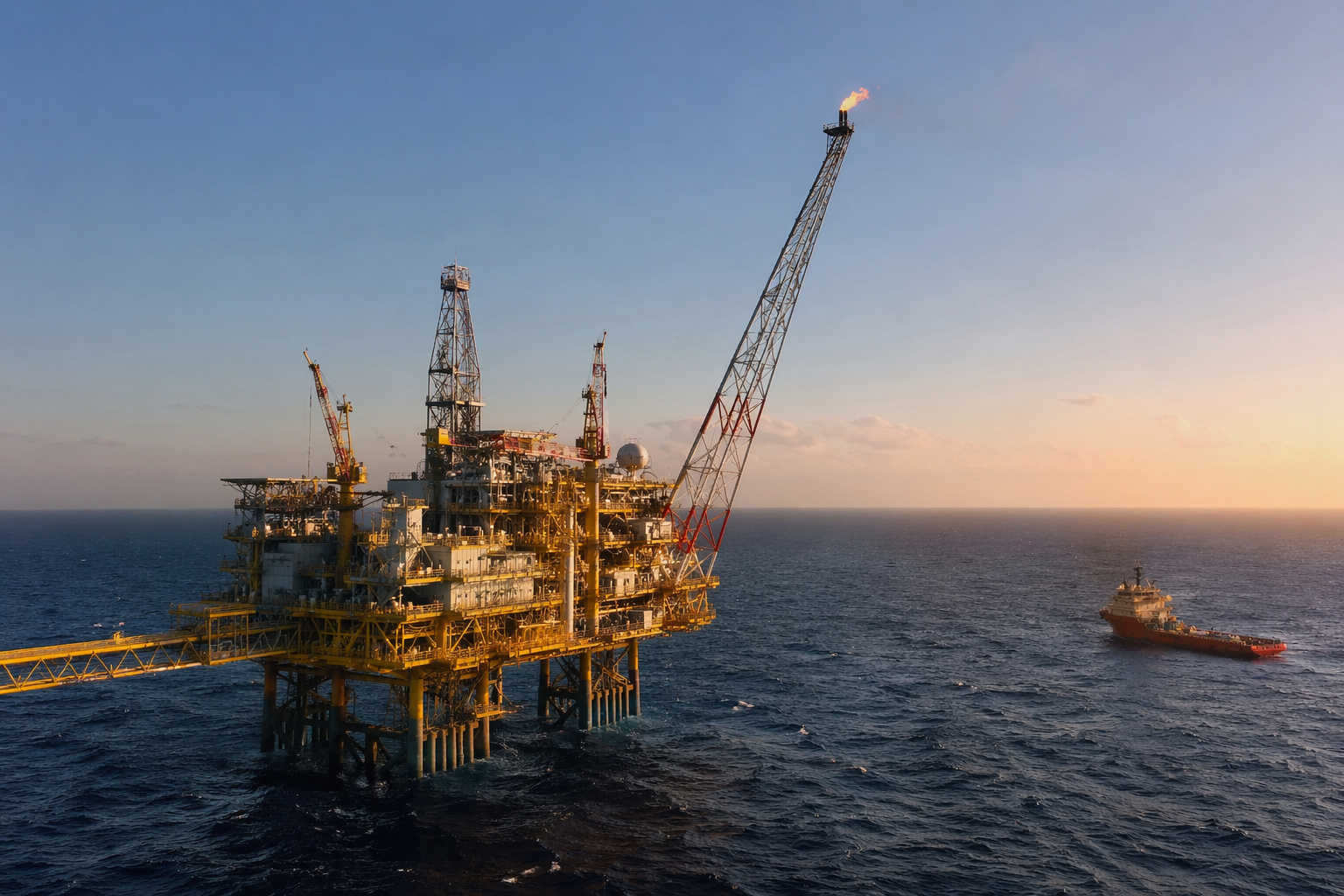
North America is likely to be the most affected, with the country’s rig count already dropping to historical lows in just a few months.
While a modest recovery is possible in 2020, drilling activity will remain more than 50% below the levels observed at the same time last year, according to Rystad.
Of the 55,350 wells to be drilled in 2020, 2,238 are offshore and 53,112 onshore. Prior to COVID-19, Rystad Energy expected the total number of wells to rise year-on-year to 74,575, of which 2,896 would be offshore and 71,679 onshore wells.
“Both new wells and drilling lengths will be reduced as E&P investments decline, affecting the entire supply chain associated with these services. This includes drilling tools, which will decline by 35% in 2020 compared to 2019,” says Reza Hassan Kazmi, energy services analyst at Rystad Energy.
In analyzing drilling tools, Rystad includes blowout preventers (BOPs), downhole drilling tools, drill bits, drilling pipes, jars, drilling collars, and other drilling tools, except for downhole pumps used for artificial lift, in the generic services segment.
It is estimated that the drilling length, another essential factor for drilling tools, especially for drilling pipes, collars, heavy drilling pipes, and bits, will drop by 25% this year before improving in 2021.
On a more granular level, such as at the regional or country level, the percentage reduction in wells does not always result in a proportional reduction in total drilling length, as drilling depths per well can vary significantly between different regions and countries.
From a demand perspective, Rystad expects onshore and offshore drilling tool purchases to fall from US $ 16 billion in 2019 to US $ 10 billion in 2020. In addition to North America, Africa and Russia will be the biggest contributors to this loss, where purchases will drop by 36% and 27%, respectively, this year.
Overall, onshore markets are expected to recover as early as 2021 and grow at a rate of 7% per year until 2025, while offshore markets will experience ups and downs and maintain a generally leveled overall rate until 2025.
Despite the overall stagnation in growth, Brazil, Australia, and China will continue to offer exciting opportunities in the short term, with growth prospects of 20% to 40% for offshore drilling in these countries, while the UK, Guyana, and Mexico look promising in the medium and long term. The United States remains the focal point for spending on drilling tools on land, while Norway is expected to lead the list of spending on offshore drilling tools.
In the onshore market in the U.S., more than 80% of spending on drilling tools will be for shale drilling. The Permian and Appalachian basins will drive 60% of the total shale spending on drilling tools, followed by some conventional activity in other basins.
Off the coast of Norway, Troll, Balder / Ringhorne, and Johan Sverdrup will drive demand for drilling tools.




Seja o primeiro a reagir!