





 Portuguese
  English
  Spanish
  4 min of reading
  0 comments



The Increase in Labor Lawsuits Towards 2.3 Million in 2025 Is Not Due to New Rights Created, but to Decisions by the STF and TST That Weakened Central Points of the 2017 Reform and Expanded the Granting of Free Justice Even to High-Income Individuals.
Brazil could register 2.3 million labor lawsuits in 2025, the highest number since the 2017 reform. According to a survey released by Gazeta do Povo, just in the first half of the year, 1.15 million actions have already been filed, compared to 1.044 million in the same period in 2024. If this pace continues, the number of actions will surpass the 2.1 million recorded last year, highlighting a reversal of the downward trend observed after the reform.
Experts explain that the growth is not due to new rights created, but to decisions by the STF and TST that weakened central points of the labor reform, especially regarding free justice and the costs for those who lose a case.
This movement has encouraged an increase in litigation and raises concerns about the financial and institutional impacts on the justice system and on businesses.
-
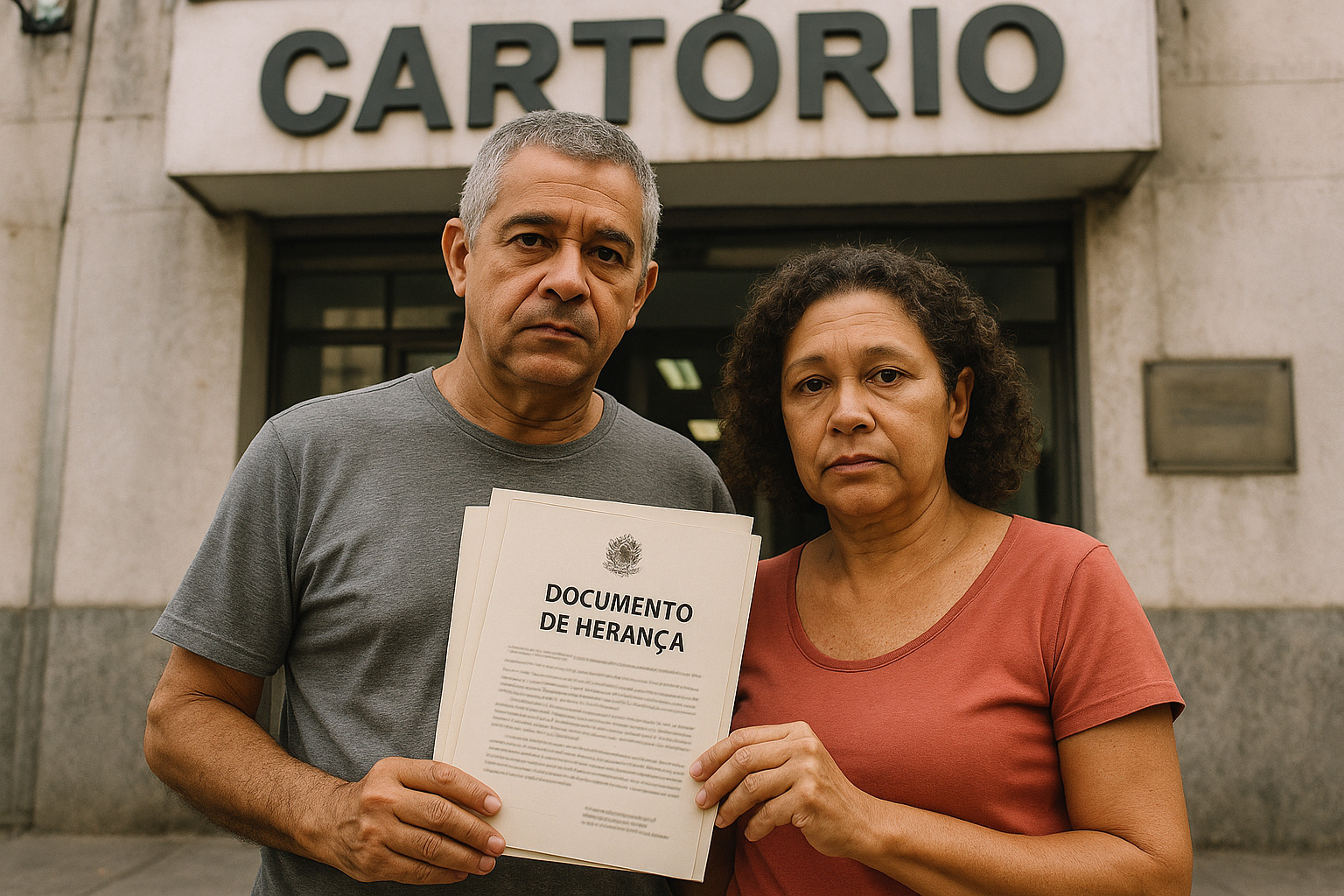
The new Civil Code could revolutionize marriages in Brazil with “express divorce” and changes that could exclude spouses from inheritance.
-
Banco do Brasil sues famous influencer for million-dollar debt and intensifies debate on delinquency, risks of seizure, and direct impact on Gkay’s credibility.

-
The Senate approves a bill that criminalizes misogyny, hatred, or aversion towards women, and includes the crime in the Racism Law with a penalty of up to 5 years.

-
Chamber Approves Bill That Allows Pepper Spray for Women Over 16 and Imposes Strict Rules for Purchase, Possession, and Use as Self-Defense


How the 2017 Reform Changed the Landscape
The reform approved during Michel Temer’s government aimed to reduce legal uncertainty and discourage frivolous lawsuits.
Two measures were central: limiting the granting of free justice to those earning up to 40% of the INSS ceiling and requiring defeated workers to bear costs and attorney fees. The effect was immediate: the number of lawsuits fell from 2.7 million in 2016 to 1.4 million in 2020.
This environment of reduced litigation was noted in studies by USP and Insper as favorable to job creation.
Between 2017 and 2022, 1.7 million formal jobs were created, a result attributed in part to the greater predictability of labor relations.
Judicial Decisions Changed the Trajectory
The situation began to change in 2021 when the STF ruled unconstitutional the collection of expert fees and expenses from beneficiaries of free justice.
The decision eliminated the so-called “financial risk,” which discouraged workers from filing low-potential lawsuits.
In 2024, the TST further expanded the granting of free justice, allowing workers with income above 40% of the INSS ceiling to obtain the benefit merely with a self-declaration of economic insufficiency. In practice, it is enough to claim a lack of financial means to obtain the exemption.
This loophole opened the way for distortions. Cases raised by sociologist José Pastore (USP) highlight emblematic examples: one claimant with two BMWs valued at R$ 800 thousand each and a Harley-Davidson worth R$ 240 thousand obtained free justice; another, a financial sector employee with a salary of R$ 43.6 thousand, received exemption and, at the end of the process, compensation of R$ 960 thousand paid by the State.
Billion-Dollar Costs and Impact on the System
According to data from Labor Justice, between 2019 and 2024, 79.8% of requests for free justice were accepted based solely on self-declarations, resulting in an estimated loss of R$ 5.59 billion in costs and R$ 300 million in expert fees.
For critics, this flexibilization encourages reckless lawsuits and shifts costs that should be borne by litigants to the State.
In addition to the fiscal impact, the increase in lawsuits raises insecurity for businesses, which once again face unexpected costs and legal uncertainties.
Economists recall that, at the height of the reform, the reduction in lawsuits helped to decrease unemployment by up to 1.7 percentage points. Now, there are concerns that the opposite effect may weigh on the labor market again.
Debate on Judicial Activism and Worker Protection
The reversal of barriers created in 2017 has reignited the debate about the role of Labor Justice. Critics speak of “judicial activism” and “paternalism”, which weaken the text approved by Congress and reinforce a view that labor relations are still marked by conflict.
For professor Paulo Renato Fernandes, from FGV, “labor relations cannot be class struggle. Without companies, there are no jobs.”
On the other hand, supporters of the changes argue that free justice is a constitutional right and that the restrictions of the 2017 reform limited many workers’ access to justice.
For them, the increase in lawsuits reflects pent-up demands and cannot be interpreted merely as excessive litigation.
What to Expect for 2025
The ruling in the STF on the validity of the self-declaration of economic insufficiency remains pending after a request for review by Minister Gilmar Mendes.
The outcome could redefine the criteria for free justice and directly impact the volume of lawsuits in the coming years.
In the meantime, the accelerated growth of labor lawsuits in 2025 already indicates a structural change.
The country is approaching pre-reform levels, putting into question the balance between worker protection and legal security for companies.
And you, do you believe that the increase in labor lawsuits represents a step forward in access to justice or a threat to the legal security of companies?
Leave your opinion in the comments; we want to hear your experience on this issue that impacts millions of Brazilians.










-

Uma pessoa reagiu a isso.