





 Portuguese
  English
  Spanish
  4 min of reading
  3 comments


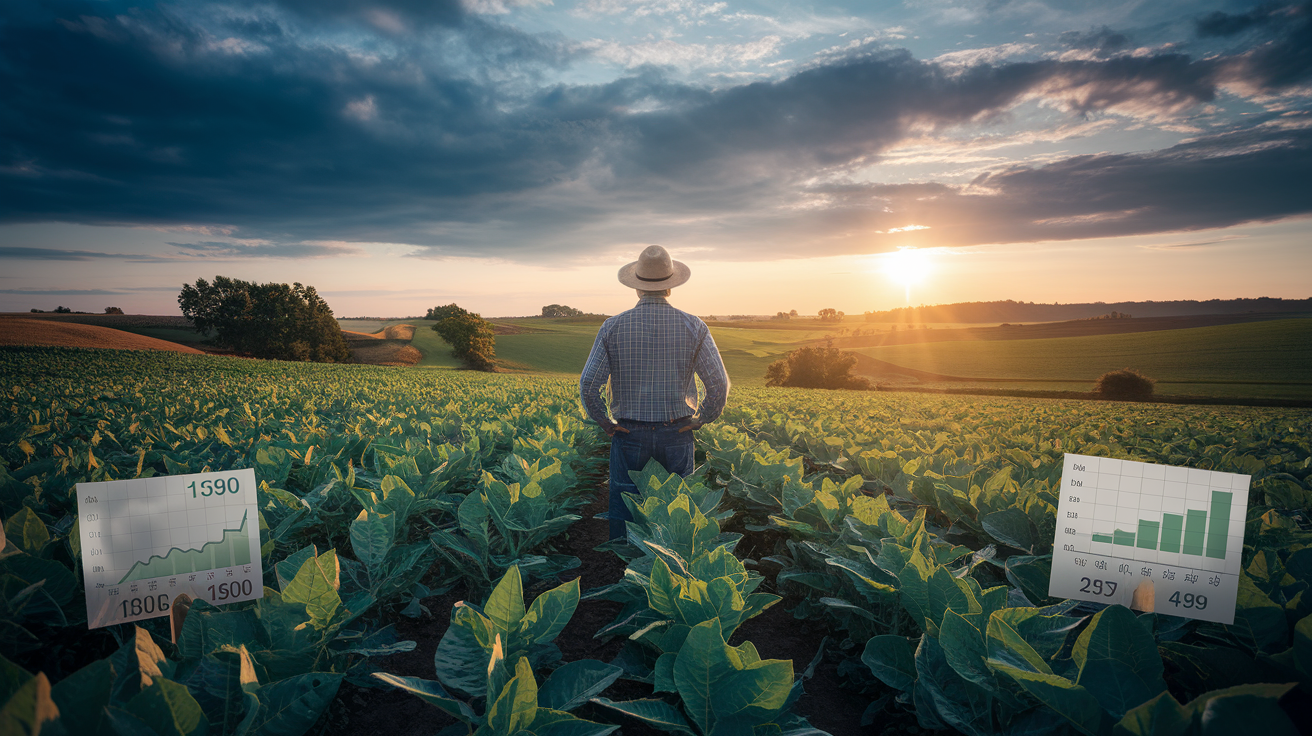


In Just Five Years, Agricultural Land in Brazil Soared, Increasing 110%. The Leasing Market Also Faces Difficulties. Is It Time to Invest in Land? Check Out the Forecasts from Experts About the Future of Agriculture.
Buying agricultural land used to be considered one of the safest investments in Brazil.
However, in recent years, the appreciation of rural property prices in the country has surprised even the most optimistic analysts.
We are not talking about a simple increase, but a historic leap that caused the values of agricultural land to rise more than 110% in just five years.
-
Mercado Livre has just started selling medications with delivery in up to three hours to your door, and this move could completely change the way Brazilians buy medicines on a daily basis.

-
In Dubai, rising tensions from the war in the Middle East are causing super-rich individuals to leave the Gulf and direct their fortunes to a new financial refuge in Asia.

-
The sugar-energy sector advances with agricultural technology, but agricultural productivity still raises concerns.

-
“No one will make us change the Pix,” says Lula after the US report.


If you have ever thought about investing in a piece of land, know that current prices can leave anyone wide-eyed. But what is behind this appreciation?
And will the land market continue with rising prices? Let’s explore the data and understand what lies behind this phenomenon.
Impressive Appreciation of Land Prices
According to data from Scot Consultoria, between 2019 and 2024, the average price of agricultural land in Brazil increased by 113%, soaring from R$ 14,818.10 per hectare in July 2019 to R$ 31,609.87 in the same month of 2024.
In regions dedicated to pastures, the increase was even more expressive, reaching 116%, with the price per hectare rising from R$ 8,267.14 to R$ 17,886.94.
This growth is not just nominal. Adjusting these figures for inflation, the real increase was 59.9%.
According to S&P Global Commodity Insights, the scenario reflects an appreciation much higher than that observed in other investments.
While the Ibovespa had an appreciation of only 25.89% and savings accounts 28.66% during the same period, agricultural land stood out with a much more robust performance, surpassing the 100% growth mark.
The Impact of the Pandemic and the Rise of Commodities
But what motivated this explosion in agricultural land prices? Various factors influenced this increase, including the Covid-19 pandemic, the commodities boom in 2022, and the global stock shortage.
According to the channel Compre Rural, land has begun to be seen as a safer asset, especially as it is “dollarized,” meaning it is directly tied to the prices of agricultural products such as soybeans, corn, and coffee, which are sold in foreign currency.
José Eduardo Daronco, from Suno Asset, emphasized this connection, stating that “agricultural lands have become an even more attractive investment as they yield dollars.”
This trend was driven by increased demand for land to expand agricultural production, along with growing competition with pasture areas, which pressured prices, especially in regions with good infrastructure, such as proximity to ports and agribusinesses.
The Appreciation of Specific Regions
Although the average price of land has increased across Brazil, certain regions have stood out even more, particularly in agricultural frontiers.
In Rondônia, the price of agricultural land rose an impressive 300%, and pasture lands increased by 286%. States like Maranhão and Piauí also posted increases of over 200%.
On the other hand, the South of Brazil, especially Paraná, is known for its quality soil and established infrastructure, resulting in extremely high prices. According to data from S&P Global Commodity Insights, land values in Paraná have reached nearly R$ 60,000 per hectare.
The Future of Agricultural Land Prices
And what can we expect for the coming years? Although prices have reached astonishing levels, the expectation for 2024 and 2025 is for price stability, without major fluctuations.
Anderson Galvão, an analyst at Céleres Consultoria, points out that the lack of “surplus income” for some farmers, declining yields in some regions, and a more pessimistic outlook indicate that interest in new acquisitions will be more limited.
In other words, although the value of land has skyrocketed in recent years, the trend now is towards a “period of accommodation” in the market, with less liquidity and a slower pace of transactions. The market has stabilized, but without major fluctuations for 2024 and 2025.
The Leasing Market and Declining Liquidity
Another important point about the agricultural market in Brazil is the leasing market. In 2023, the liquidity of the land market fell considerably.
With the decline in commodity prices, many producers faced difficulties in balancing their accounts, directly impacting the pace of negotiations in the market.
Additionally, farmers who entered into leasing contracts at high prices between 2022 and 2023 are now facing financial challenges.
Given this situation, many of these farmers have two options: renegotiate the prices with the owners or return the land.
This dynamic may directly impact the leasing market in the coming months, with a possible decline in leasing prices, especially in regions that experienced the largest increases in recent years.
The Role of Fiagro
With the land market increasingly valued, alternatives are emerging for investors who wish to take advantage of this trend without directly acquiring land. Fiagro, a fund for investing in agribusiness assets, has proven to be an interesting option.
Suno Asset, for example, has invested in land in Mato Grosso, as well as agribusiness-related securities, such as the Agribusiness Receivables Certificate (CRA), which offers returns tied to commodities.
Opportunities or Risks?
The agricultural land market in Brazil remains one of the most valued in the world, with prospects for stability and caution for 2024 and 2025.
With the rising land prices, the opportunity can be advantageous for investors with capital and the capacity to wait for the right moment to enter the market.
However, the volatility of commodities and high interest rates require careful analysis for those wishing to invest in this sector.
Do you think land prices will continue to rise, or are we at the peak of an inflated and saturated market? Share your thoughts in the comments!








Tenho que rir lendo que terrar agricultavel no sul está 60 Mil a ec tá 150 isso sim
Cresce no mundo a necessidade por alimentos, por outro lado alterações climáticas, guerras, catástrofes naturais tornam mais difícil a produção de alimentos, ao passo que as leis ambientais mais rígidas não permitem abertura novas fronteiras agrícolas, certamente o preço da terra continuará subindo principalmente se houver segurança jurídica (respeito a direito de propriedade
Acho que agora com a queda das comoditt
Elevação dos juros a tendência é de queda.