





 Portuguese
  English
  Spanish
 5 min of reading
  0 comments


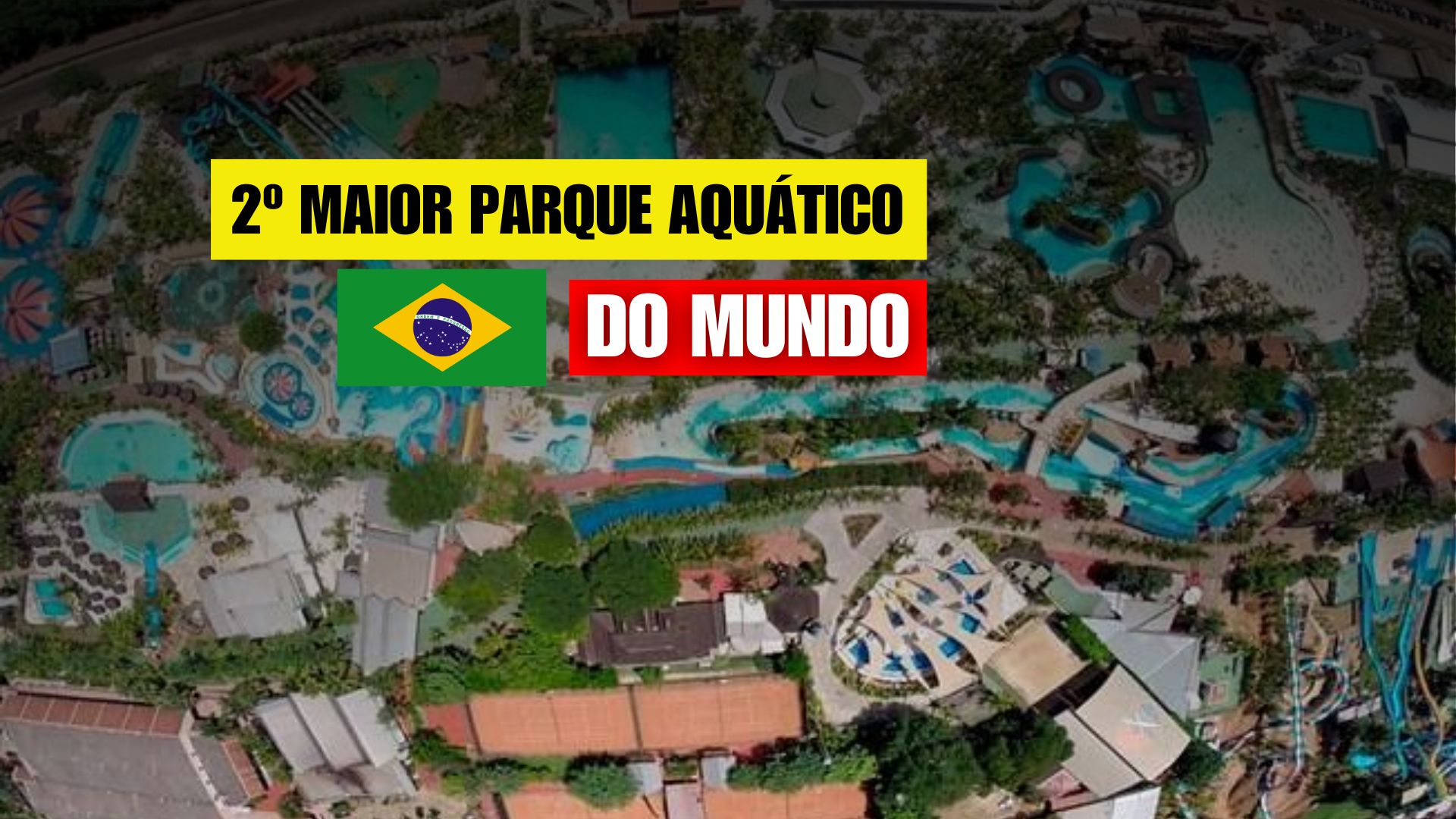
Park in Olímpia Brings Together Record Attendance, Million-Dollar Investments, and Technological Innovations That Promise to Transform Brazilian Tourism.
The Thermas dos Laranjais, in Olímpia (SP), has established itself as the 2nd most visited water park in the world, with about 2 million entries per year and an annual revenue of R$ 240 million.
In the final phase of assembly, the park is preparing to debut the “Nations” complex, featuring a structure of 33 meters and eight experiences that includes a unique simulated looping in the West, according to management.
The strategy is reinforced by a plan of over R$ 300 million in investments by the end of the decade, including the construction of a second park in the city.
-
The Argentine government celebrates the lowest poverty rate in 7 years, but experts warn that the methodology has changed, real wages have fallen, unemployment has risen, and the number of people on the streets of Buenos Aires has increased by 57% since Milei took office.

-
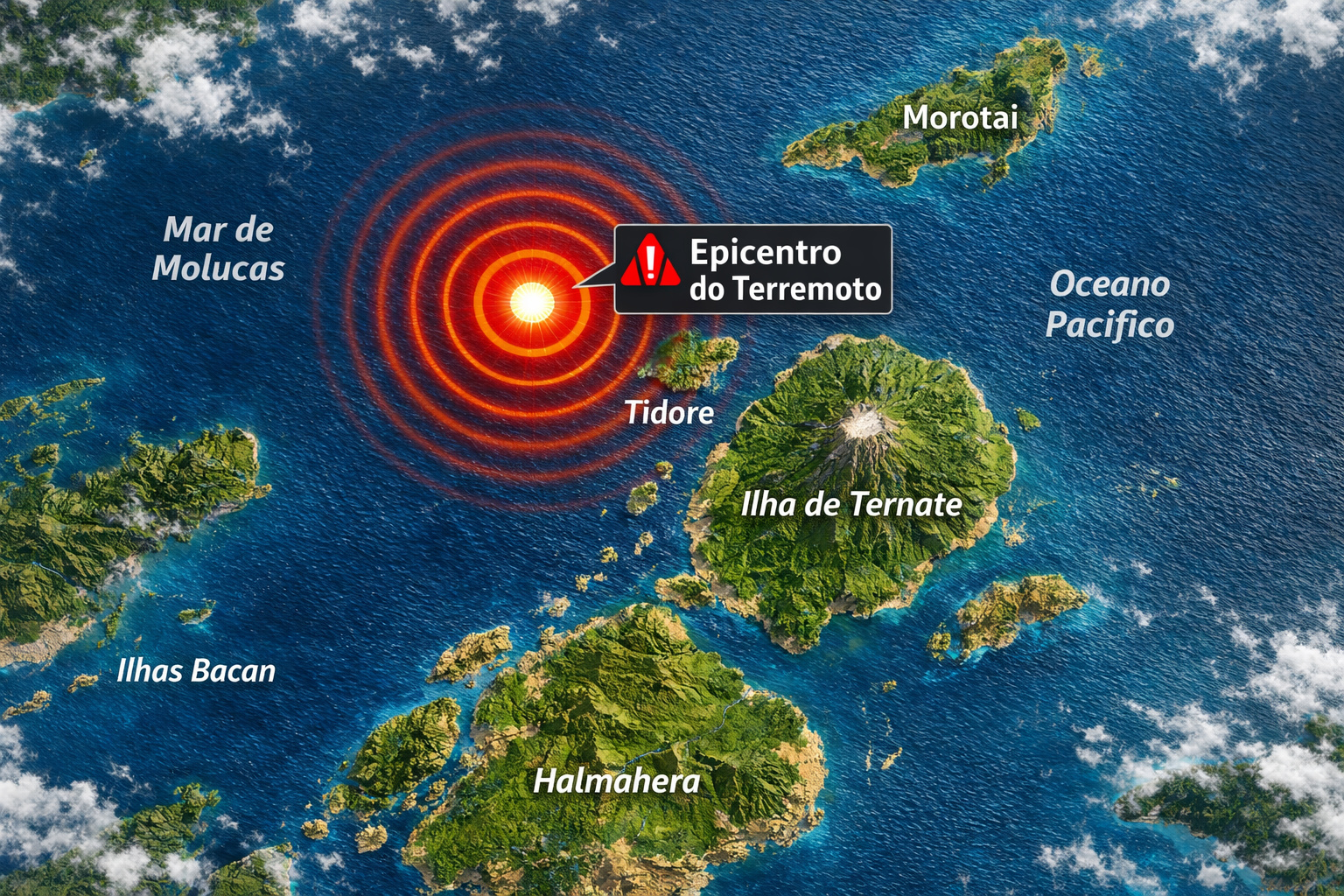
7.8 magnitude earthquake in Indonesia frightens the population, triggers tsunami alert, and hits an island with over 200,000 inhabitants this Thursday.
-
Google will finally let you change that embarrassing Gmail address you created in your teenage years without losing any accounts, logins, or old emails: the feature is already available in the United States.

-
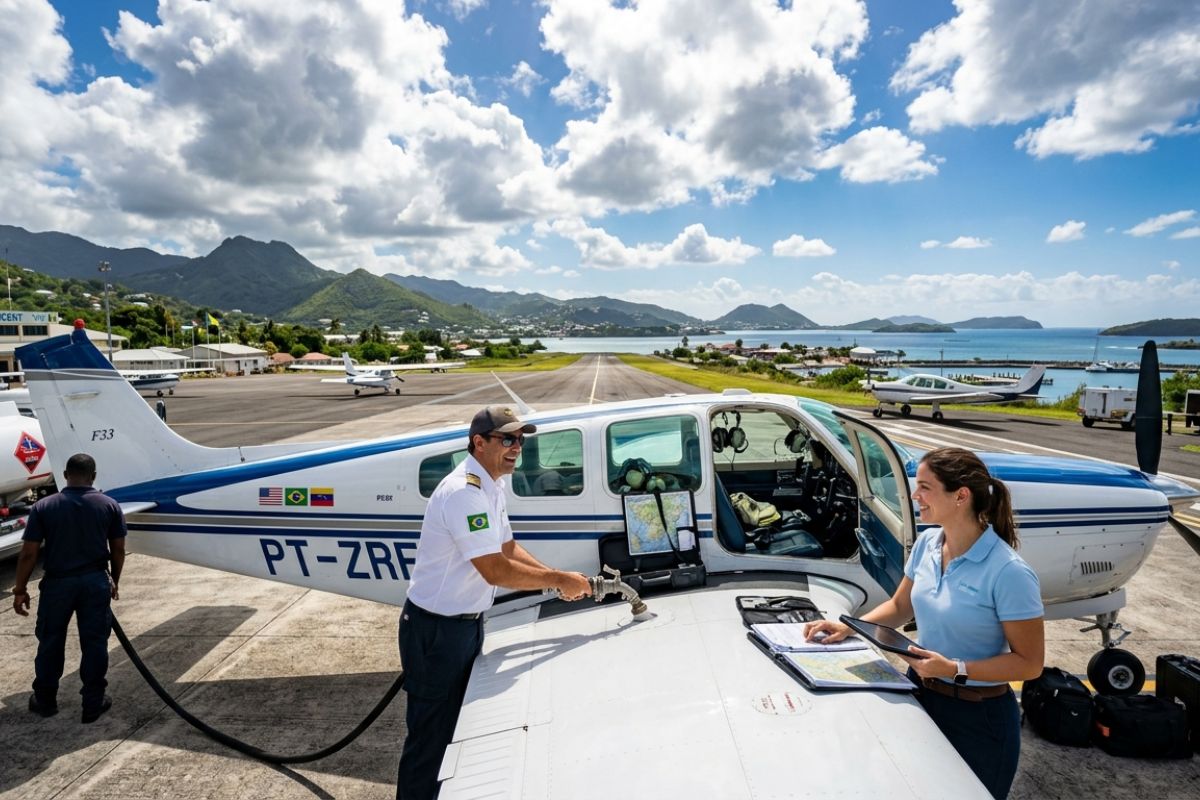
Heading to Brazil in a Bonanza F33 single-engine aircraft: a couple departs from Florida on a visual flight, makes technical stops in the Caribbean to refuel and organize paperwork, and begins the staged crossing until they reach the country.

Attendance, Revenue, and Continuous Expansion
Recognized by international industry rankings, the park has maintained steady growth in attendance. In 2023, there were 1.95 million visitors, a performance that placed it behind only the Chimelong Water Park in China.
The revenue, currently around R$ 240 million per year, is continuously reinvested in construction, maintenance, and new attractions, which, according to management, ensures visitor recurrence.
“If you stop creating, the audience stops coming back. Our business is to surprise,” says Jorge Noronha, the architect responsible for the project and president of Thermas. The internal guideline is to launch relevant innovations annually to sustain the demand curve.
From Social Club to Driver of Tourism in Olímpia
The Thermas emerged in the mid-1980s as a social club, when Olímpia had fewer than 20,000 residents and relied on citrus farming.
The turning point came with the discovery of thermal waters, making naturally heated pools viable and gradually leading to a large water park.
Without external capital for over two decades, the project progressed slowly, using in-house labor and strict cost control — a practice maintained to this day.
The repertoire of attractions was born from observations of travel and nature.
There is a saltwater pool that simulates the Dead Sea effect, an area with submerged chairs inspired by Jalapão, and a resurgence pool that pushes bathers up with quartz sand, referencing a natural phenomenon from Bonito (MS).
This artisanal approach was, according to the park, a differentiator in creating experiences that went beyond the “pool and trampoline” standard of the 1980s.
What the Nations Complex Brings
The Nations complex will bring together eight experiences in a set divided into two thematic slides.
On the route inspired by Brazil, there will be the Orbiter (which simulates a looping with a buoy), the Master Blaster (acceleration on slopes), and the Anaconda, described as the largest diameter waterslide in the world — currently only present in Dubai, according to the venture.
On the Italy descent, the visitor will face two Tailspins (circular acceleration), two Mega Drops (intense drops and recoveries), and the Galaxy Bowl, featuring spins and drops.
The entire route will have internal lighting and floats for up to six people.
Budgeted at R$ 60 million, the complex was designed with Canadian technology and custom-developed. “It is the first ride of its kind in the West. There is nothing like it in the world,” says Noronha.
The return calculation bets on the novelty effect: if 5% of the annual audience migrates motivated by the attraction, that would represent 100,000 extra tickets — a volume sufficient, according to management, to quickly pay back the investment.
Management Learnings from the Pandemic
The park was closed for eight months during the pandemic, with zero revenue. The company retained all employees using a R$ 20 million cash reserve and prioritizing the payroll after temporarily suspending payments to suppliers and taxes.
According to Noronha, the crisis forced a revision of processes and exact measurement of the daily operational cost, information that began to guide investment and maintenance decisions.
Recovery came with reopening. In about one year, the overdue taxes were settled, and for two years, the park reduced large investments to focus on maintenance and financial health.
Management continues to be based on in-house projects and direct involvement of partners, which, according to management, reduces the final cost of deliveries.
New Land and Second Park
For the next phase, Thermas acquired a 40-hectare lot, three times larger than the current area, with the goal of building a second park that combines water attractions and nature experiences, such as zip-lining and canopy tours, in settings inspired by Capitólio (MG).
The proposal includes a common area connecting the two parks, with walkways and shared parking, similar to large international complexes.
“The new park will also be more water-focused, but with a different approach,” summarizes Noronha.
The pipeline also includes a new large-scale attraction, estimated between R$ 60 million and R$ 70 million.
Sustainable Operation and Local Impact
Even with seasonal peaks, the operation was designed to function year-round, favored by the warm climate of inland São Paulo and the thermal waters.
The park employs 560 permanent employees, with no temporary hires.
Within the complex, the policy is to control prices of consumables — such as soda, which is kept at a level similar to city bars, according to management — to encourage repurchase and visitor return.
The presence of Thermas has altered the economic profile of Olímpia, which now has about 60,000 inhabitants.
The destination, once associated with oranges, gained national visibility and entered the international tourism map, boosting hotels, restaurants, and the service chain.
On June 19, 2025, the city bid farewell to Benito Benatti, the park’s founder, who passed away at the age of 93. The municipal administration began to honor him in streets and public naming proposals.


Why the Strategy Aims for Annual Innovations
The investment in annual projects has an explicit goal: to increase return frequency and keep the brand on the visitor’s agenda.
“Every year there has to be a major novelty,” states Noronha. The internal slogan summarizes the ambition for continuous expansion: “we will never stop growing”.
Alongside the Nations complex, the investment package by the end of the decade is expected to exceed R$ 300 million, calibrating the launch schedule, integration between parks, and meeting the pent-up demand for water experiences.
With this growth agenda, one question remains on the horizon for the sector: What will be the impact of the Nations and the second park on the dynamics of Brazilian tourism and in the global competition among major water parks?









Seja o primeiro a reagir!