





 Portuguese
  English
  Spanish
  2 min of reading
  1 comment


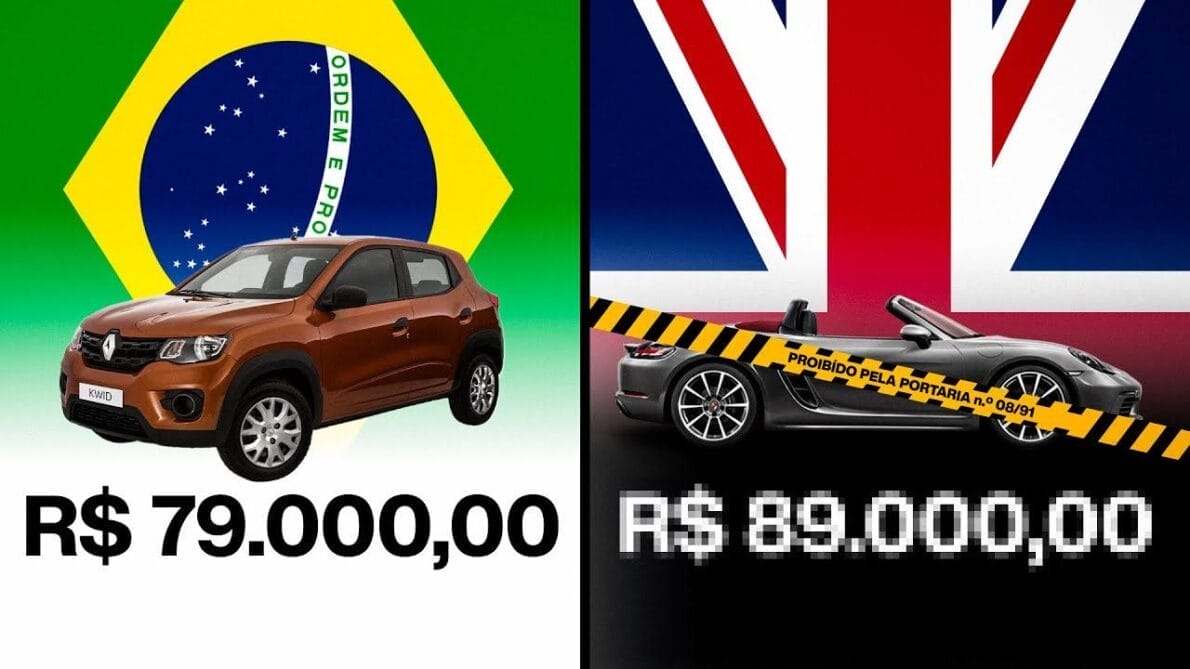

The Real Solution Lies In Creating A More Competitive And Efficient Industry Capable Of Offering Quality Products At Fair Prices. Until Then, Brazilian Consumers Will Continue To Pay High Prices For “Popular” Cars In A Market Marked By Inefficiency And High Costs.
Buying a car in Brazil has never been cheap. With taxes that can reach 50% of the vehicle’s value and “popular” cars being sold for over R$ 100,000, the reality of the market in the national automotive industry is a challenge for consumers. Even after 70 years of government subsidies and protectionist policies, the Brazilian automotive industry remains extremely unproductive and inefficient.
The comparison with international markets is disheartening. While an Onix Plus in Brazil can cost over R$ 100,000, luxury cars like the BMW 330i are sold in the UK for lower prices. This discrepancy highlights the inefficiency and high local production costs, as well as the lack of competitiveness of our industry.
Since The Implementation Of Protectionist Policies, The Brazilian Automotive Industry Has Been Subject To Heavy Criticism For Its Low Productivity And Inefficiency


With a tax burden that is one of the highest in the world, the Brazilian consumer pays high prices for popular cars that often offer less technology and quality compared to international models.
-
Engineers propose a fourth traffic light for intersections – the change promises to affect crossings, queues, and waiting times.

-
Chevrolet Suburban Z71 lands in Brazil with a V8 engine, off-road design, air suspension, seven seats, and colossal size, a rare version imported for around R$ 1.3 million with luxury and exclusivity.
-
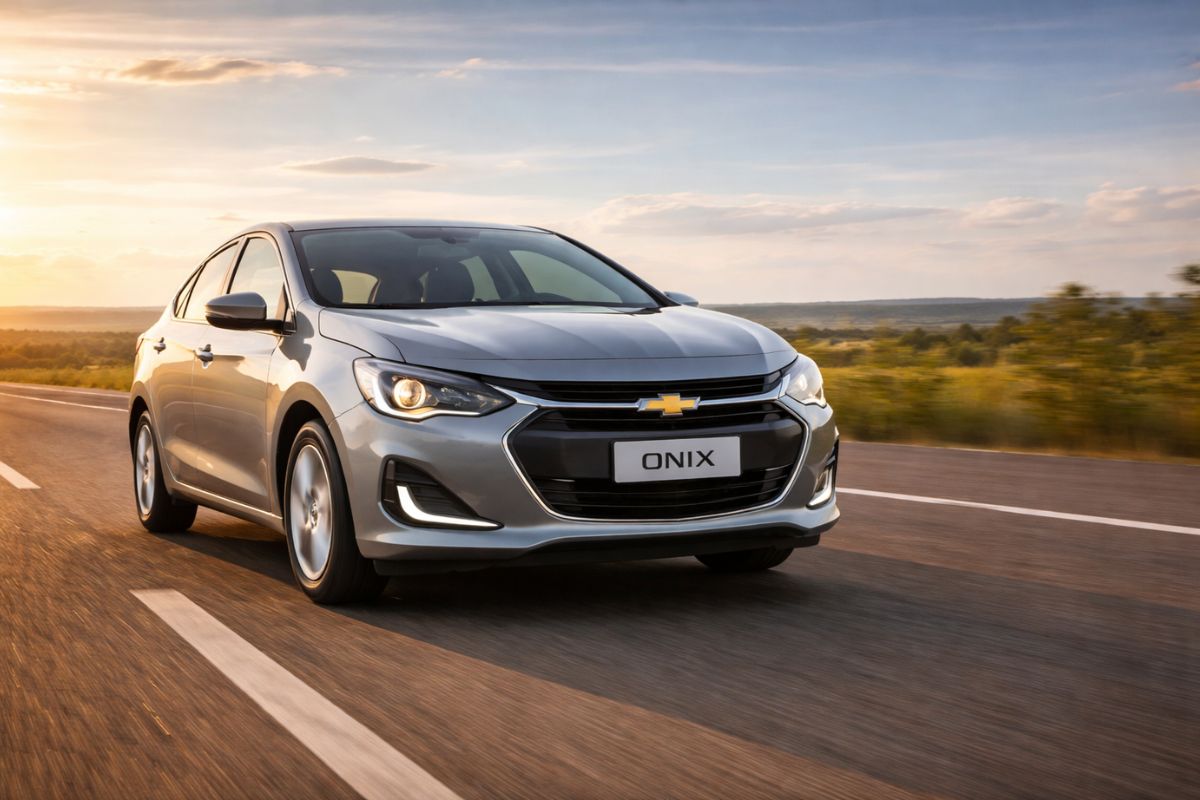
The Chevrolet Onix 1.0 turbo achieves 17.7 km per liter on the highway and ranks among the three most economical cars in Brazil in 2026, alongside two more expensive Toyota hybrids available at dealerships.
-
Little sister of the Hilux: Toyota launches Land Cruiser FJ with 4 radical versions, 2.7 engine with 166 hp and 4×4 traction with locking.

For example, a recent study showed that, if all taxes were removed, the price of a car in Brazil would still be higher than the price of the same model in the United States, even including American taxes. This is due to higher profit margins and the inefficiency of Brazilian factories, which operate with high levels of idleness and are unable to compete in the export market.
Incentive Programs Like Inovar-Auto Were Implemented With The Intention Of Strengthening The National Industry, But Ended Up Creating An Environment Of Dependency And Inefficiency
These programs imposed high taxes on companies that did not carry out manufacturing steps in Brazil, forcing local production even when it was more expensive and less efficient. The comparison between factories in Brazil and abroad is revealing. While a Land Rover factory in Brazil produces 3,000 cars a year, the same factory in Slovakia achieves this number in just one week. This lack of efficient scale contributes to the high cost and low competitiveness of cars manufactured in Brazil, especially “popular” cars.
To reduce prices and improve the quality of cars in Brazil, a long-term plan to discontinue subsidies and open the market to imports would be necessary. However, such changes face strong resistance due to the immediate political and economic costs they would cause.









Até que enfim a midia-LIXO de belzebu porstituta do cão está expondo VERDADES.
FALTOU falar do absurdo do IPVA, multas, seguro, estacionamento e os cambaus