






 Portuguese
  Spanish


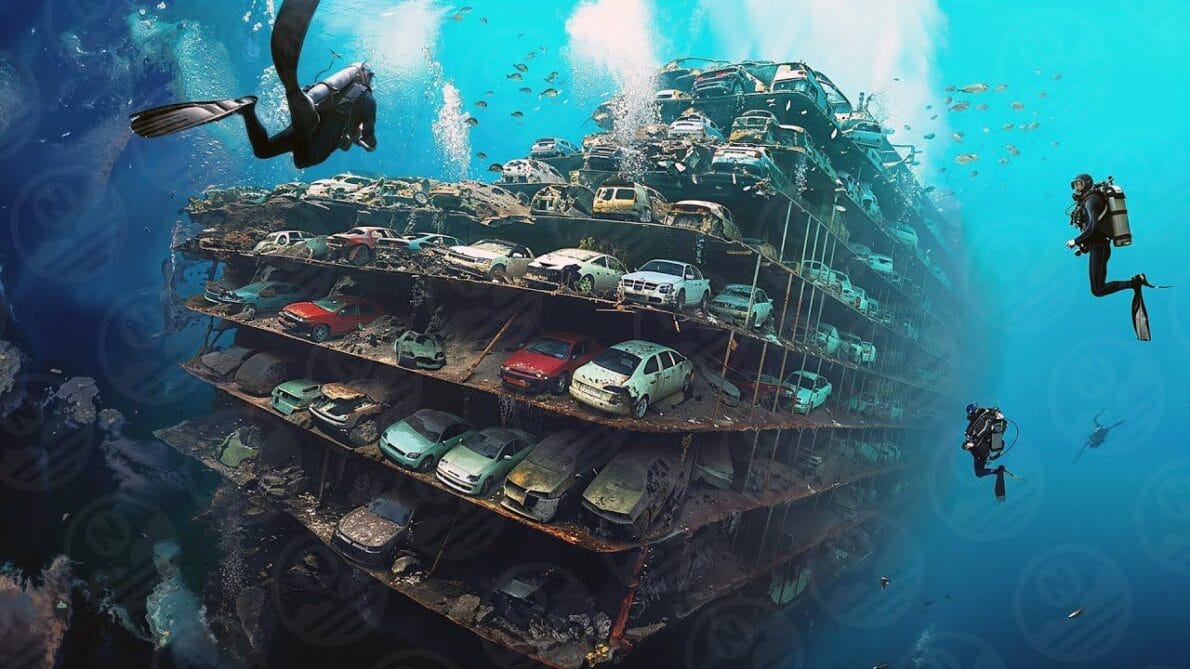


In 2022, the RO-RO Ship Felicity Ace Suffered a Fire That Resulted in the Sinking of More Than 4,000 Luxury Cars.
In February 2022, the Felicity Ace, loaded with luxury cars, suffered a terrifying fire while sailing across the Atlantic. Aboard were nearly 4,000 vehicles from prestigious brands like Porsche, Volkswagen, Audi, and Lamborghini.
The fire, suspected to be linked to lithium batteries used in electric vehicles, caused estimated losses of up to US$ 401 million. All 22 crew members were safely evacuated, but the ship and its cargo could not be saved, sinking on March 1 near the Azores Islands.
Other Notable Incidents Involving RO-RO Ships


Sincerity Ace: On New Year’s Eve 2018, the Sincerity Ace faced a fire in the middle of the ocean, forcing the 21 crew members to abandon the ship. Of the 3,500 vehicles on board, none were saved, and four crew members lost their lives. This incident highlights the risks in maritime transport, especially with electric vehicles.
-
Eni Acquires 25% Stake in Chilean Lithium Project, Plans to Invest Up to $225 Million in Eco-Friendly Extraction Method

-
French Brand Transforms 6 Million Brazilian PET Bottles into Sustainable Sneakers for Global Fashion Market
-
Abandoned Factory in Rio’s North Zone Becomes Urban Hazard with Standing Water and Debris

-
The U.S. Navy Conducts Submarine Tests in Idaho Lake to Detect Underwater Noises Hidden by the Ocean


Cougar Ace: In 2006, the Cougar Ace lost stability during a ballasting operation, dangerously tilting. Carrying 4,800 vehicles, the accident resulted in losses of approximately US$ 103 million. All 23 crew members were rescued, but the incident highlighted technical and human failures in maritime transport.
Hoegh Osaka: In January 2015, the Hoegh Osaka severely tilted and ran aground while carrying a diverse cargo of vehicles and equipment. Fortunately, there were no fatalities, but the incident demonstrated the challenges in handling and stability of RO-RO ships.
MV Golden Ray: In September 2019, the MV Golden Ray, carrying 4,200 vehicles, suffered a steering system failure, capsizing and trapping four crew members who were rescued by cutting through the hull. Inadequate ballast management was identified as the primary cause. The clean-up and dismantling of the ship, which began in 2020, highlighted the environmental and financial risks of these incidents.
MV Baltic Ace: In 2012, the MV Baltic Ace collided with a container ship, sinking in 15 minutes and resulting in the deaths of 11 crew members. Carrying 1,400 cars, the accident underscored the importance of safety at sea.
These disasters emphasize the inherent dangers of maritime transport of vehicles and the need for strict safety measures and careful navigation. Incidents like the Felicity Ace and other RO-RO ships serve as reminders of the importance of technology and safety protocols in preventing maritime tragedies.







