





 English
  Francês
  Alemão
  Italiano
  Japonês
  Norueguês
  Portuguese
  Spanish
  4 min of reading
  9 comments


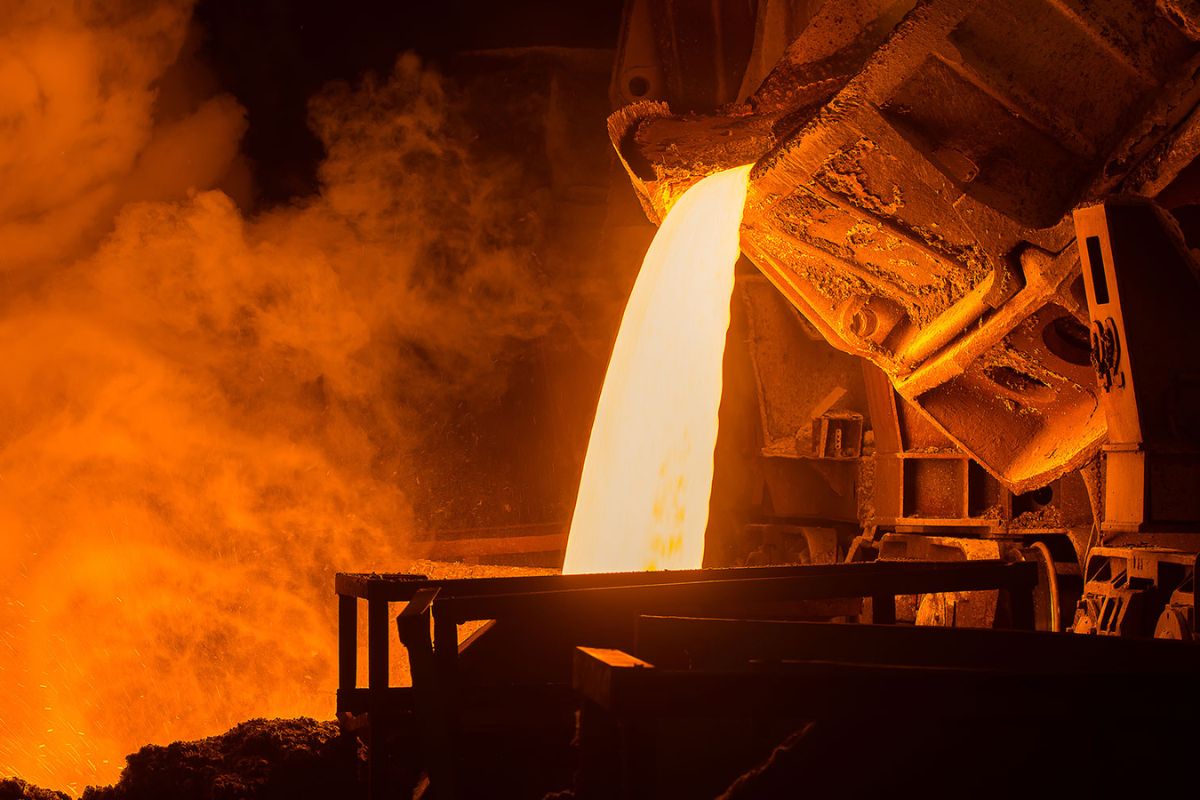


This Chemical Reactor, One of the Largest in the World, Transforms Iron Ore and Coal into Liquid Steel, and Its Lining Needs to Withstand Decades of Continuous Operation.
At the center of steel production, a colossal structure challenges the limits of engineering: the blast furnace of a steel mill. Operating continuously for periods that can exceed 20 years, this vertical chemical reactor reaches internal temperatures above 2,000°C to transform basic raw materials, such as iron ore and coal, into liquid pig iron, the basis for steel manufacturing.
The capacity of a steel structure and refractory materials to contain such an extreme process for so long is the result of a complex symphony of design, material science, and operational control. In plants like those of Gerdau in Ouro Branco (MG) and Usiminas in Ipatinga (MG), the technology of the blast furnace of a steel mill represents the pinnacle of high-temperature process engineering.
The Zones and Flow That Transform Ore into Pig Iron
A blast furnace is a vertical reactor that operates in countercurrent: the solid charge (ore, coke, limestone) descends while hot gases rise, ensuring maximum efficiency. Its structure is divided into zones, each with specific functions and temperatures.
-
Seen from space, a colossal ‘Y’ cuts through the largest desert in China, blending a jade-filled river, red and white mountains, and revealing the absurd scale of the transformation of the Taklamakan surrounded by a green wall with billions of trees.

-
The Pacific Ocean reveals what the cliffs of Big Sur have hidden for millennia: Pfeiffer Beach, in California, features swirling purple sand formed by garnet crystals and displays a stone arch that is illuminated by the sun in winter for just a few days each year.

-
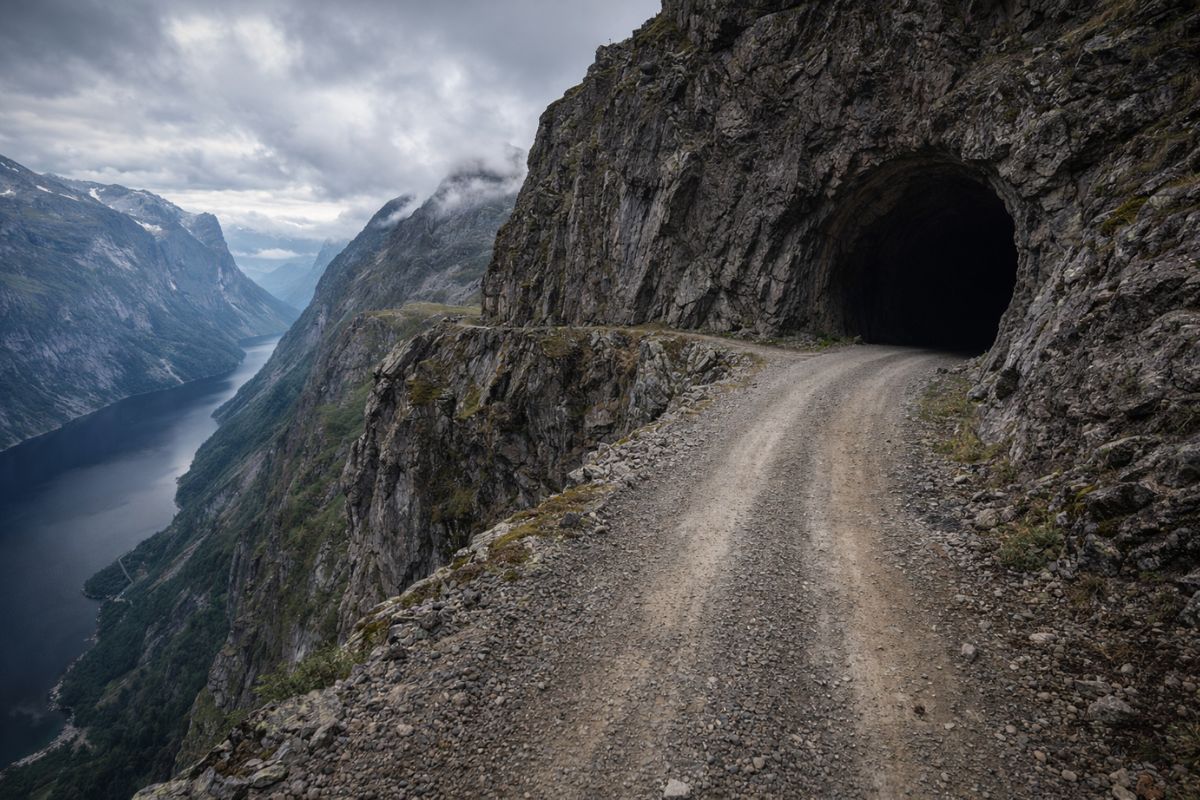
Aursjøvegen in Norway is a 100-kilometer gravel road that crosses chasms and dark tunnels carved into the rock at an altitude of 947 meters in the fjords and is only open for four months a year.
-
With about 4,000 m², the building constructed in a traditional neighborhood in France looks like a rainbow, has a colorful facade, mixes vibrant glass, and creates one of the most unusual visuals in Bordeaux.

Top (Bocca di Carico): where the raw materials are loaded. It is the “coolest” zone, with outflowing gases below 300°C.
Hearth (Tino): the longest part, where the charge is heated and the first reduction reactions start at around 800°C.
Belly and Ramp: here, melting begins and is completed. The temperature rises to 1,800°C to 2,000°C, and hot air is injected through tuyeres to burn the coke.
Crucible (Crogiolo): the base of the furnace, where liquid pig iron and slag accumulate, separated by density, at about 1,600°C.
The 20-Year Marathon: The “Campaign” and the Science Behind the Longevity of a Blast Furnace of a Steel Mill
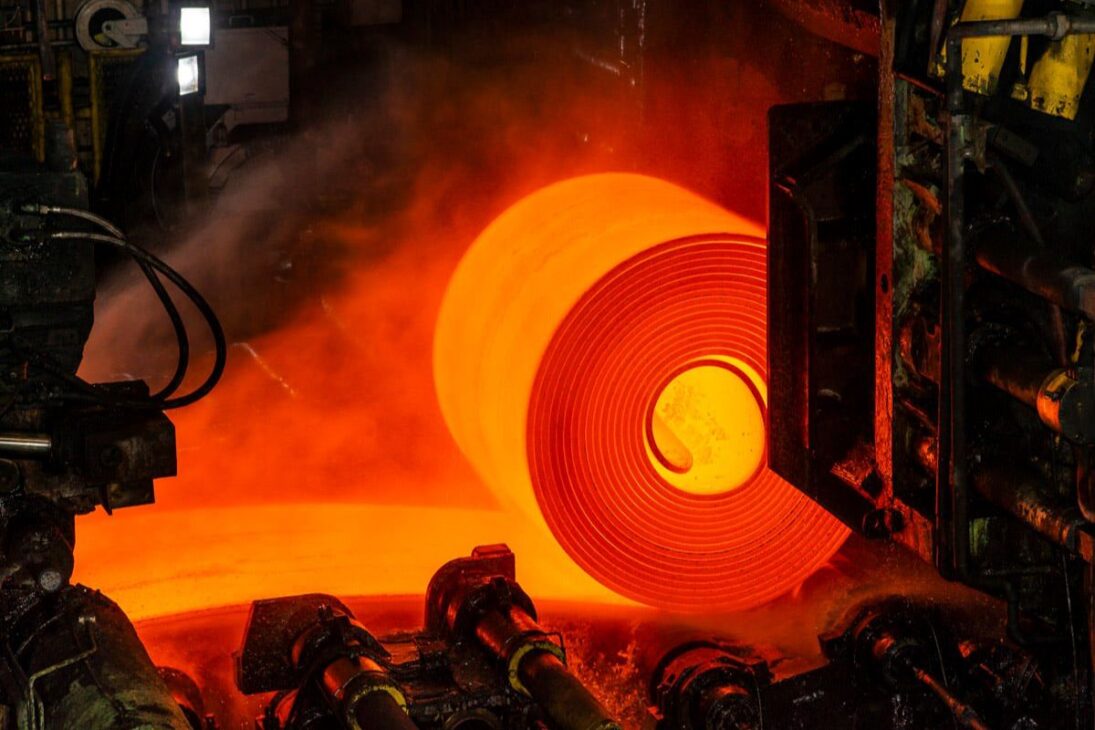
The lifecycle of a blast furnace of a steel mill is measured in “campaigns” — the continuous operating period between two major repairs. The duration of a campaign can be extraordinarily long. One example is Blast Furnace 1 of ArcelorMittal Tubarão, which operated for over 28 years in its first campaign.
However, the average longevity is about 17 years. The end of a campaign is almost always dictated by the degradation of the internal refractory lining, especially in the crucible, which undergoes the most intense wear. Keeping a blast furnace of a steel mill operating for two decades is a high-performance goal, achieved only with a robust design and impeccable operation.
The Refractory Materials and the “Skull” Layer That Resist Heat
The ability to withstand extreme heat comes from its internal lining. Each zone of the furnace uses specific refractory materials for the threats it faces:
Crucible: uses high-purity carbon and graphite blocks, which resist well to liquid metal.
Hearth and Ramp: use silica-alumina bricks and advanced silicon carbide (SiC) ceramics, which withstand abrasion and intense heat.
Perhaps the most important secret is the formation of a protective layer of solidified slag and iron, called “skull”, on the inner wall of the furnace. This crust acts as a dynamic and sacrificial shield. Maintaining this layer, controlled by operators, protects the original lining from direct contact with liquid metal, being crucial for the longevity of the blast furnace of a steel mill.
The Modernization of Blast Furnaces at Usiminas and Gerdau
Brazilian steel mills are examples of how this technology continues to evolve. In 2023, Usiminas completed the renovation of its Blast Furnace 3 in Ipatinga, a project costing nearly R$ 3 billion. The modernization resulted in more efficient equipment with lower pollutant emissions.
Gerdau, at its plant in Ouro Branco, announced in 2024 a contract for the renovation of its Blast Furnace 1. The project focuses on a new design for the crucible, with the explicit goal of ensuring a campaign life of over 15 years, and integrates modernization into a 4.0 Industry strategy, with “digital twins” and artificial intelligence to optimize production.
Validating Operation at 2,200°C and the Future of Technology
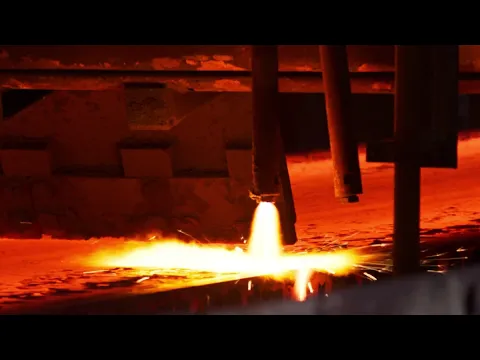

The mention of a temperature of 2,200°C is accurate and refers to the “Adiabatic Flame Temperature of the Combustion Zone” (RAFT). This is a calculated parameter that represents the maximum flame temperature in front of the tuyeres, where hot air is injected. The ideal operating range for a high-performance furnace lies between 2,000°C and 2,400°C.
Maintaining this temperature is a delicate balance, controlled by the injection of hot air, oxygen, and auxiliary fuels. The major challenge for the future of the blast furnace of a steel mill is its carbon footprint. The 19th-century technology survives in the 21st century thanks to continuous innovation in materials and control, but its future relevance will depend on the industry’s ability to integrate low-carbon solutions, such as the use of green hydrogen, to make the process more sustainable.








Aprendi mais com os comentários do que com reportagem!!!
Boa reportagem de vida útil e performance produtiva dos alto-fornos, uma observação alto-fornos de siderúrgicas não produz aço líquido, sua produção é gusa líquido matéria prima que segue pra aciaria outro fluxograma da **** produtiva siderúrgica para a transformação do do gusa em aço líquido em seguida o lingotamento pra a produção de aço em lingotes, barras, placas de aço consequentemente laminados em aços planos e não planos na **** produtiva de uma usina siderúrgica integrada e não integrada. Resultados mais riqueza para o país e seus trabalhadores e trabalhadoras. Parabéns
Excelente matéria. Moro em Ipatinga e todo ano tem visitação pública aberta pra conhecer e realmente é uma tecnologia muito legal. E APERAM é outra siderurgia próxima aqui, em Timóteo, antiga ACESITA, também opera em altos fornos especiais em inoxidável. Houve