





 Portuguese
  English
  Spanish
 3 min of reading
  0 comments



Petrobras Has Laid Its Cards on the Table and Is Doubling Down on the Most Historic Sedimentary Basins of the State-Owned Company
The Campos Basin, for decades the main oil production hub in Brazil, is undergoing a moment of reconstruction. Petrobras aims to double its production by 2035, jumping from the current 500,000 barrels of oil equivalent per day (boed) to 1 million boed, firmly investing in a revitalization program that promises to change the region’s fate.
According to the company’s Exploration and Production Director, Sylvia dos Anjos, the planned investments total US$ 23 billion by 2029, focusing on platform modernization, reconfiguration of old reservoirs, and implementation of technologies to enhance oil recovery.
From Euphoria to Decline: The Peak of the Campos Basin Was in 2011
The production of the Campos Basin peaked in 2011, when, according to the National Agency of Petroleum (ANP), 1.64 million barrels per day were extracted — equivalent to 84% of the national production at the time.
-
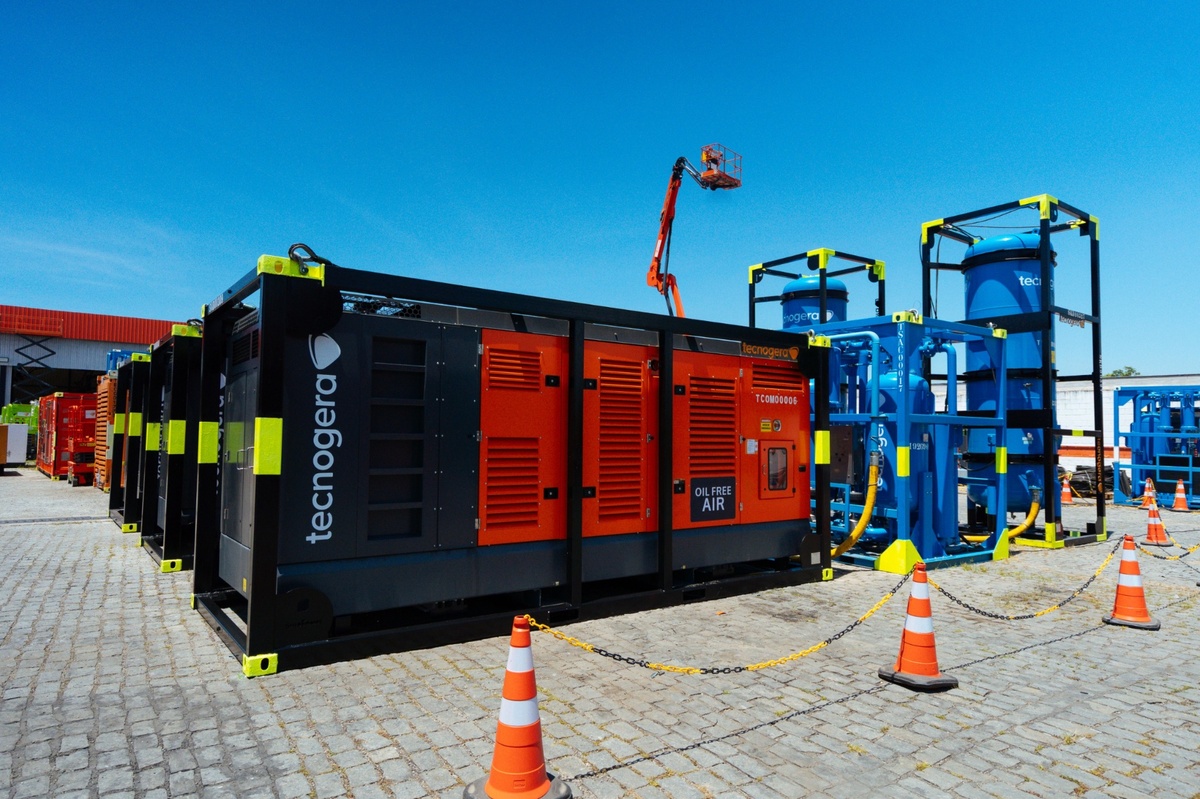
Offshore industrial demand in Macaé skyrockets with the recovery of oil and gas and could grow by up to 396% by 2026 in the Campos Basin.
-
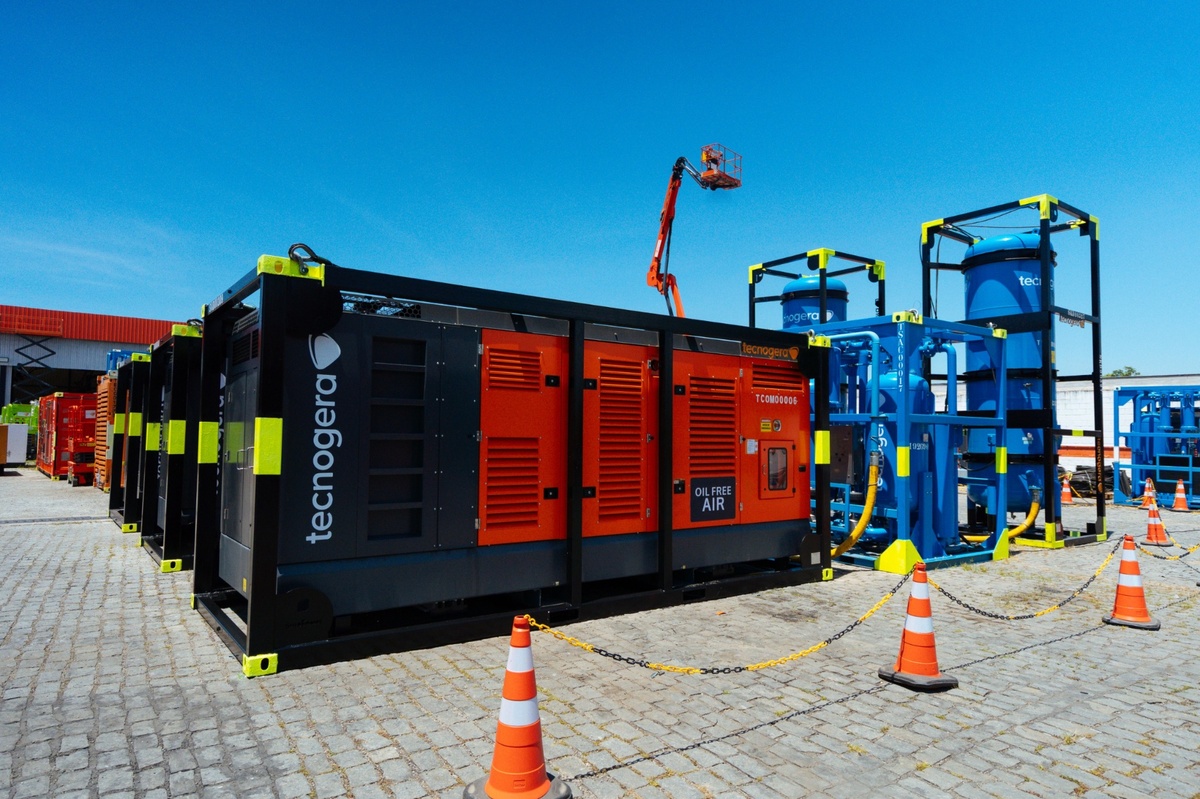
Offshore industrial demand in Macaé surges with the recovery of oil and gas and could grow by up to 396% by 2026 in the Campos Basin.
-
Brazilian giant expands borders in the Southeast: Petrobras confirms new oil discovery in ultra-deep waters in the pre-salt of the Campos Basin.

-
Alert in the global energy market: Severe tropical cyclone hits the coast and disrupts gas production at major plants in Australia, threatening global supply.


But the decline was inevitable.
From 2012, the mature fields began to show signs of exhaustion. Production fell to 1.3 million in 2015 and dropped even more sharply in the following years, reaching less than 900,000 barrels per day in 2019. By 2024, this volume fell to around 500,000 boed, according to data from the ANP monthly bulletin of August 2024.
The Shock in Cities That Depended on Petrobras Royalties
With the drop in production, cities such as Macaé, Campos dos Goytacazes, Quissamã, and Rio das Ostras suffered a true financial shock.
The city of Macaé, for example, which in 2012 collected more than R$ 1 billion in royalties, saw this amount plummet to less than half in less than a decade, according to records from the National Agency of Petroleum and the Secretary of Finance of the State of Rio de Janeiro.
This shock resulted in business closures, a decline in the real estate sector, mass unemployment, and reduction of public services. In Campos dos Goytacazes, there were years when the city hall delayed salaries and cut basic services due to the sharp fall in revenue.
The Recovery Depends on Revitalization and New Management Models
Now, with the resumption of investment, Petrobras aims to increase the efficiency of production systems, recover partially abandoned fields, and use artificial intelligence to map remaining reservoirs, in addition to connecting new units to old infrastructures.
According to Sylvia dos Anjos, the goal is clear: “transform the Campos Basin back into a strategic hub of national oil”.
This new phase includes systems like Mero 3 and Marlim, which are already showing good prospects. The Marlim field, one of the symbols of the beginning of offshore exploration in Brazil, will undergo modernization with two new FPSO platforms, the units Anita Garibaldi and Anna Nery, expected to operate with a capacity of up to 150,000 barrels/day each.
The Hope for a New Cycle of Prosperity with Petrobras’s New Bet
With the revitalization program, it is estimated that royalties collection will gradually start to grow from 2026, with a direct positive impact on the regional economy.
In addition to direct jobs in the oil and gas sector, the reinstatement of activity tends to boost commerce, hospitality, construction, and port services — sectors heavily affected by the stagnation of recent years.
Petrobras reinforces that this turning point will only be possible through partnerships with private operators, technological innovation, and environmental commitment. The company also states that the energy transition will continue in parallel, but without giving up the potential that the Campos Basin still holds.
Will the Campos Basin return to being the beating heart of the Brazilian oil industry?







-

2 pessoas reagiram a isso.