





 Portuguese
  English
  Spanish
  4 min of reading
  2 comments





The Discreet Button on the Dashboard Can Put Drivers’ Health at Risk if Used Incorrectly. Understand Why a Simple Habit with the Air Conditioning Can Cause Serious Symptoms Such as Dizziness and Fatigue Inside the Car.
Anyone who drives frequently must have noticed a symbol on the car’s dashboard with a circular arrow inside a vehicle.
This icon represents the air conditioning recirculation button, a feature present in almost all cars with factory-installed air conditioning.
Although it serves important functions, incorrect — or continuous — use for many hours can pose a real risk to the health of the vehicle occupants.
-
The Argentine government celebrates the lowest poverty rate in 7 years, but experts warn that the methodology has changed, real wages have fallen, unemployment has risen, and the number of people on the streets of Buenos Aires has increased by 57% since Milei took office.

-
7.8 magnitude earthquake in Indonesia frightens the population, triggers tsunami alert, and hits an island with over 200,000 inhabitants this Thursday.

-
Google will finally let you change that embarrassing Gmail address you created in your teenage years without losing any accounts, logins, or old emails: the feature is already available in the United States.

-
Heading to Brazil in a Bonanza F33 single-engine aircraft: a couple departs from Florida on a visual flight, makes technical stops in the Caribbean to refuel and organize paperwork, and begins the staged crossing until they reach the country.


What Is the Purpose of the Air Conditioning Recirculation Button?
The air conditioning recirculation button prevents the entry of outside air, causing the car’s system to reuse only the air that is already inside the cabin.
This is useful in situations such as heavy traffic, tunnels, industrial areas, roadside fires, or places with unpleasant odors.
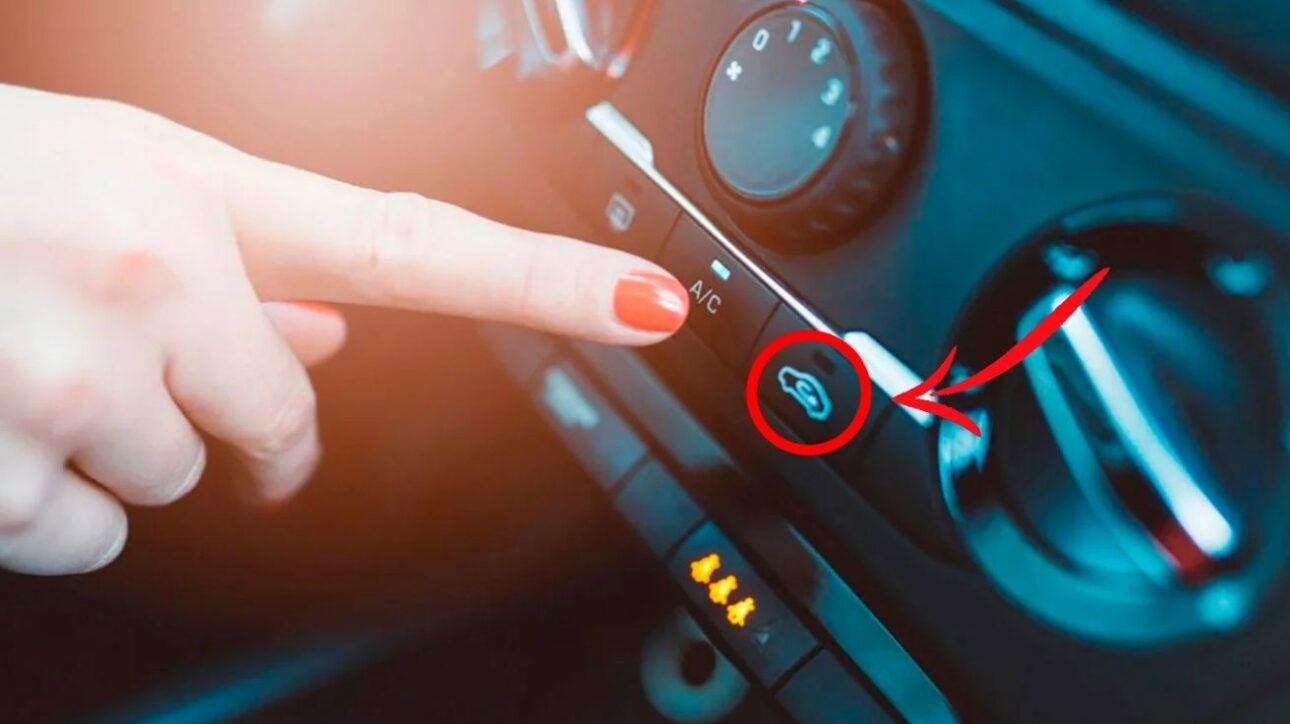
By preventing the entry of smoke, dust, or toxic gases, the button ensures greater comfort for the occupants and helps the air conditioning reach the ideal temperature more quickly.
This process reduces the load on the compressor, saves fuel, and improves system efficiency — a benefit especially important on very hot days.
What Are the Risks of Leaving the Recirculation On for Too Long?
Despite its usefulness, experts warn that prolonged use of the recirculation feature can be detrimental.
According to automotive consultant Boris Feldman, keeping the system recirculating the same air for hours prevents the entry of fresh oxygen and encourages the buildup of carbon dioxide (CO₂), a gas released during breathing.
“You’re inside the car, breathing and exhaling. If the air isn’t renewed, CO₂ levels rise. This directly affects brain and body function,” Feldman stated.
At elevated levels, CO₂ can cause symptoms such as dizziness, fatigue, headaches, mental confusion, and even fainting, especially in sensitive individuals like the elderly or children.
There have been reports of drivers feeling unwell after spending hours in vehicles with the recirculation mode continuously activated, without any intake of fresh air.
Technical Data: What Do Studies Say?
Research on air quality in enclosed spaces, such as cars, indicates that a concentration of CO₂ up to 1,000 ppm (parts per million) is safe.
Between 1,000 and 2,000 ppm, one can start to feel fatigue and loss of concentration.
Above 2,500 ppm, more serious effects arise, such as confusion and drowsiness, which is especially dangerous while driving.


An analysis from the Technical University of Munich, Germany, detected that CO₂ concentrations inside vehicles with the recirculation mode activated can reach 4,000 ppm after just 90 minutes, especially with two or more occupants.
This number exceeds the recommended limits for occupational environments and represents a significant warning for driver safety.
How to Use the Recirculation Button Correctly
Experts recommend using the recirculation button sparingly and consciously.
Activate the feature only when passing through polluted areas, places with smoke, or in heavy traffic, and deactivate it as soon as possible.
On long trips, the ideal is to alternate between recirculation and the intake of outside air every 30 to 45 minutes.
This switch ensures the renewal of oxygen and prevents excessive buildup of carbon dioxide.
Technology in Favor of the Driver
Some modern vehicles already feature automatic air management systems.
These models allow the use of recirculation while monitoring CO₂, ensuring that a small amount of outside air continues to enter the system to avoid cabin saturation.
Cars from brands like BMW, Volvo, Audi, and Toyota already incorporate this type of functionality, which enhances comfort without compromising health.
Additionally, certain models offer sensors that alert the driver about the quality of the internal air, suggesting the deactivation of recirculation when necessary.
Tips for Good Practices for Drivers
- When turning on the air conditioning, use recirculation for only a few minutes to cool the interior faster.
- On long trips, open the windows a little periodically to ensure air circulation.
- If possible, use ventilation with outside air intake on roads or long journeys.
- Pay attention to signs such as headaches, drowsiness, or nausea — they may indicate excessive CO₂ in the car.
- Familiarize yourself with the controls of your vehicle’s ventilation system to make adjustments safely and consciously.
The air conditioning recirculation button should be seen as a useful feature, but not as a standard for continuous use.
Understanding how it works and knowing the right time to activate it can prevent health risks and ensure greater safety on trips.








Excelente informação aos motoristas. Parabéns.
Extremamente importante.