





 Portuguese
  English
  Spanish
 3 min of reading


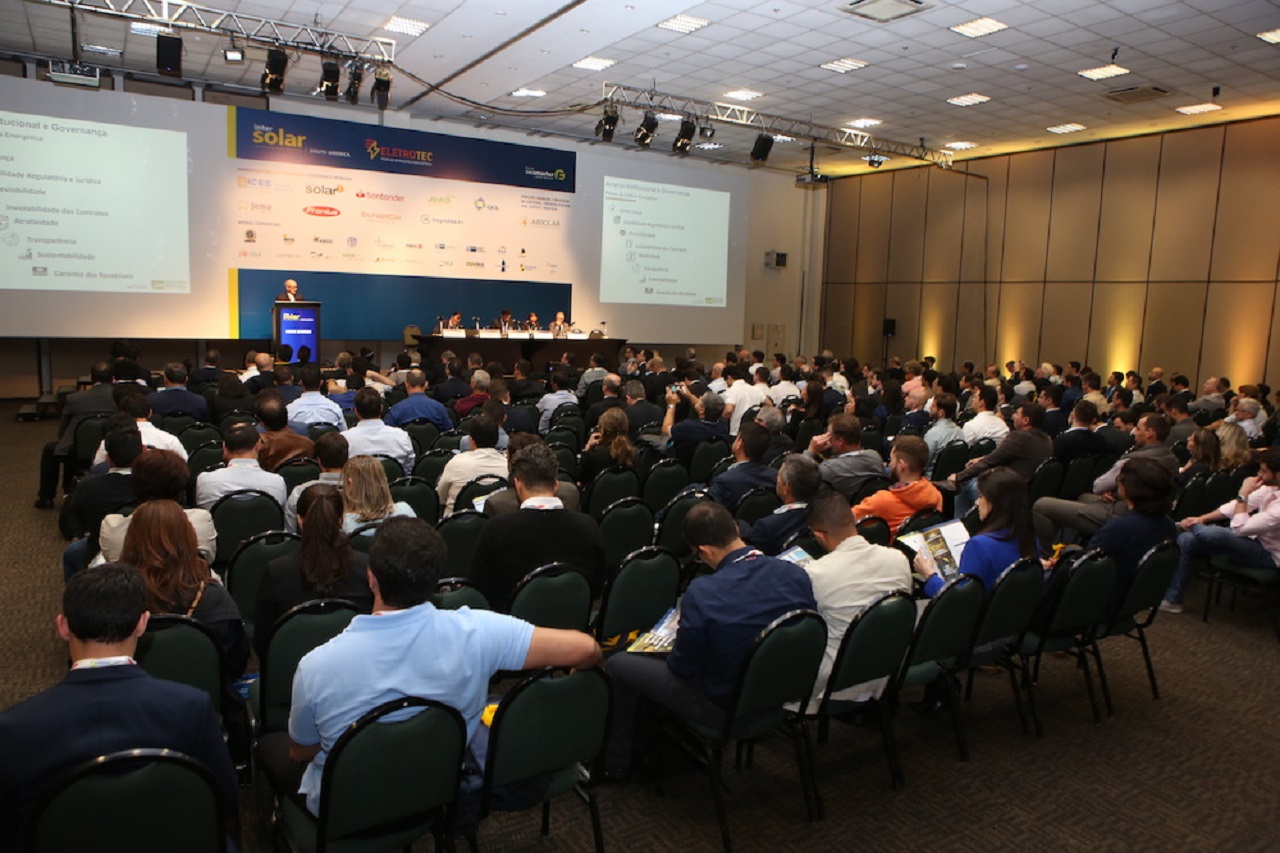
Green Hydrogen Is Being Embraced and Debated Globally; Project Implementation in Practice Is the Scope of the Panel “From Solar Energy to Hydrogen Derivatives”
São Paulo, August 2022 – With the goal of attracting investors, concessionaires, installers, manufacturers, and contractors from around the world to discuss Brazilian energy potential, the event The Smarter and South America took place in São Paulo – the Latin American hub for innovations for the new energy reality.
As part of the parallel event “Brazil-Germany: Innovative Solutions for Energy Storage Systems and Green Hydrogen (H2V)”, during the discussion session “From Solar Energy to Hydrogen Derivatives”, the implementation of projects in practice was debated. Brazil was identified as a potential market for many sectors, including fertilizers, transportation, steel production, urban mobility, oil, and steelmaking, among others.


Markus Francke, Director of the H2Brasil Project – GIZ Brazil, emphasized the importance of green hydrogen in helping to solve the energy problem in Europe. “It is surely the future, with challenges, regulatory, technical, and workforce, but nothing that prevents the development of this market in the coming years.”
-
A French brand placed a car on four huge red balloons to prove that its suspension made the vehicle “float,” and the surreal scene became one of the most iconic and unusual images in automotive history.

-
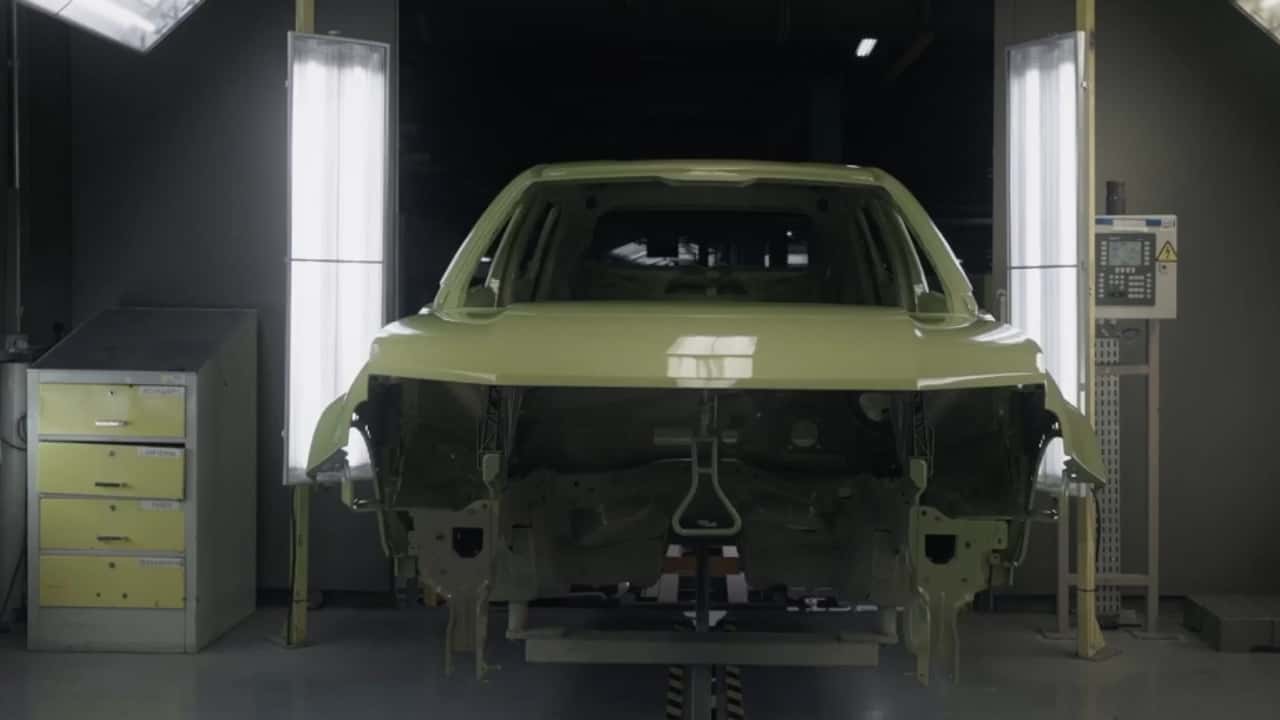
Jeep Avenger begins production in Brazil, debuting as the brand’s new entry-level SUV and inaugurating an unprecedented phase by becoming the first national Jeep manufactured outside of Goiana, as part of a R$ 3 billion plan.
-
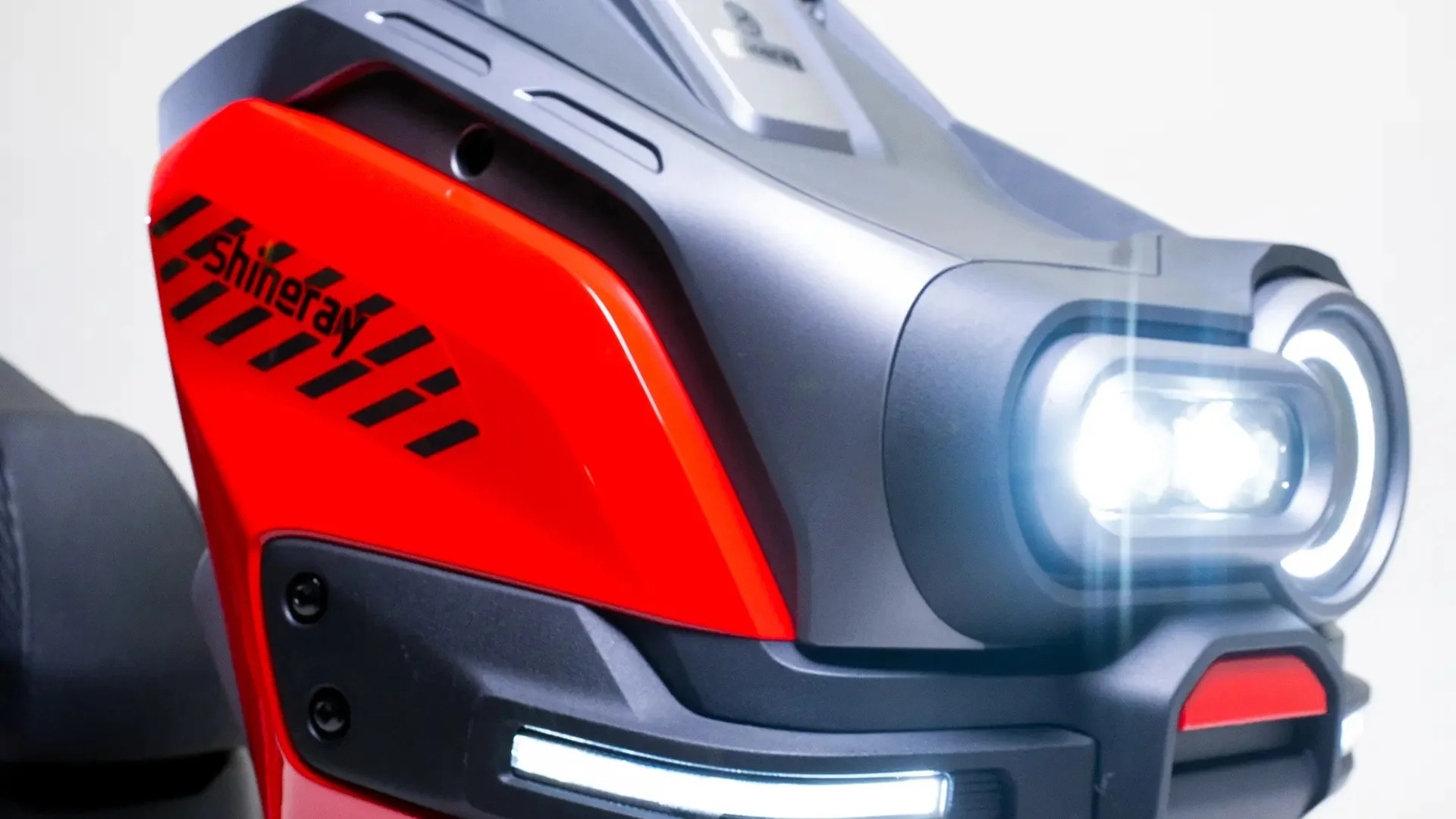
Costing R$ 12,490, the new Shineray Urban Lite 150 “cheap one” arrives in Brazil with a CVT transmission, digital dashboard, and LED lights, making it more affordable than the Biz and targeting those who want to abandon the bus.
-
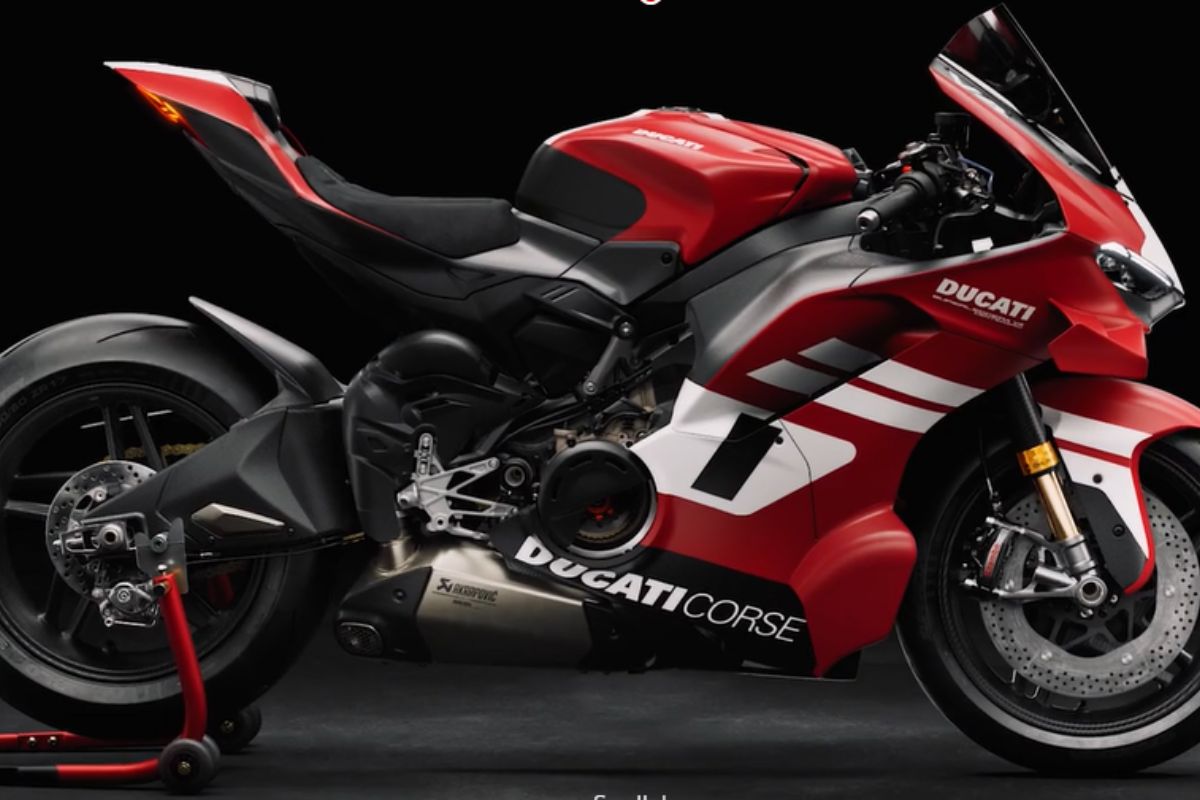
Ducati brings to Brazil the Superleggera V4 Centenario: 228 hp that become 247 with a track kit, carbon fiber and carbon-ceramic brakes, estimated price between R$ 1.5 and 2 million, deliveries only in 2027.

According to him, it is expected that around 2.5 million professionals or more will be needed, just in Brazil, for this sector. “We already have partnerships with several Brazilian universities in Rio de Janeiro, Santa Catarina, Paraná, and Minas Gerais, aiming to qualify the workforce, also giving students the opportunity to see how the production of green hydrogen works and its use in various applications,” he stated.
Marcus Silva, general manager for Brazil and Argentina at Air Products, mentioned the states of Ceará, Bahia, Rio Grande do Sul, and Rio de Janeiro as those offering interesting opportunities for green hydrogen projects. According to him, an immediate application would be injecting up to 10% of green hydrogen into the natural gas distributors’ networks.
About Hybrid Systems
Silva also commented on hybrid systems. “One way to store the energy produced is with hydrogen fuel cells, to ensure green energy for times when there is no wind or sun, providing this capacitance to electrical systems.” For the future, he pointed out that 5 to 10% of the Brazilian energy matrix, within 10 years, could be composed of green hydrogen, precisely to provide capacitance to the grid.
“Looking at the matrix as a whole, Air Products’ focus has been global, especially on mobility projects. We currently have projects in Saudi Arabia and the USA. In other countries, in the coming years, the use of green hydrogen as a matrix should reach a level above 10%, mainly for cargo transportation, trucks, trains, and ships,” he stated. Regarding the challenges, Silva highlighted the lack of young people for technical professions. “There will be demands for building infrastructure, operation, and maintenance,” he concluded.
Daniel Hubner, vice president of YARA, stated that climate change makes the energy transition urgent worldwide. “The challenges are mainly the cost and the fact that it is a new market. However, even if in small steps, we must start as soon as possible, taking advantage of the existing assets today,” he said.
Paulo Alvarenga, CEO Latin America of Thyssenkrupp, stated that one of the challenges for green hydrogen projects is the visibility regarding the development of prices related to gray hydrogen and petroleum derivatives. “Even so, we have a real market. Today, as a technology provider, we aim to expand our capacity by 2025 to meet the demand that is materializing. We have projects in the USA, Canada, Netherlands, Saudi Arabia, and Brazil, where the plant in Bahia is already under construction,” he reported.










Seja o primeiro a reagir!