





 Portuguese
  English
  Spanish
  4 min of reading
  4 comments


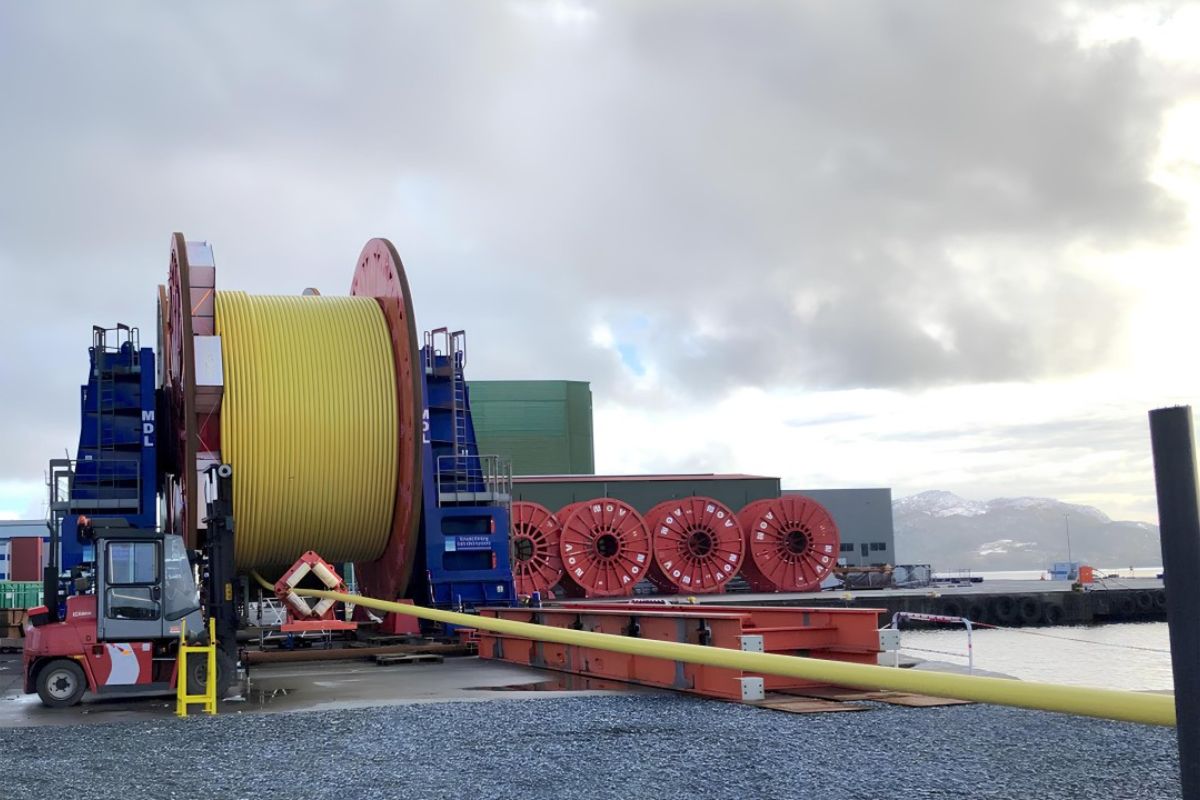


This Critical Component of Offshore Oil Exploration Must Withstand Extreme Pressures, and the Failure of the Pipeline Connecting the Well to the Platform Can Cause Environmental Disasters and Millions of Dollars in Losses.
In the complex world of offshore oil exploration, one component stands out for its importance and cost: the production riser. This is the pipeline that connects the well to the platform, functioning as a vital artery that transports oil and gas from the ocean floor to the surface. Known as a “flexible pipe,” its technology is so advanced that the cost can reach US$ 100,000 per meter.
Designed to be a marvel of engineering, the flexible riser is also a source of risk. Failures in its structure have already caused billion-dollar losses and led the industry to a race for new technologies, materials, and monitoring systems to ensure the safety and viability of production in ultra-deep waters.
What is the Riser, the Vital Artery of the Offshore Platform?
In simple terms, the production riser is the critical link between an underwater oil well and the floating platform on the surface. It transports production fluids (oil and gas), as well as injection and control fluids, overcoming one of the planet’s most hostile environments.
-
Spain surprises the world by erecting 62 artificial dunes, mixing sand with natural remains of posidonia, and causing the structure to lose only 1.4% of its volume in 1 year.

-
With 16 Bulava missiles, improvements in acoustic stealth, and a design focused on silent patrols, Russia’s nuclear submarine was born to ensure Moscow’s invisible retaliation and has become one of the pillars of its maritime strength.

-
‘Populous’ city in Rio among the worst in Brazil in national ranking and exposes silent development crisis.
-
Couple buys house in the South Zone of São Paulo, opens a hidden door in the garage, and finds a secret wine cellar with dozens of old wines forgotten since the 1970s.

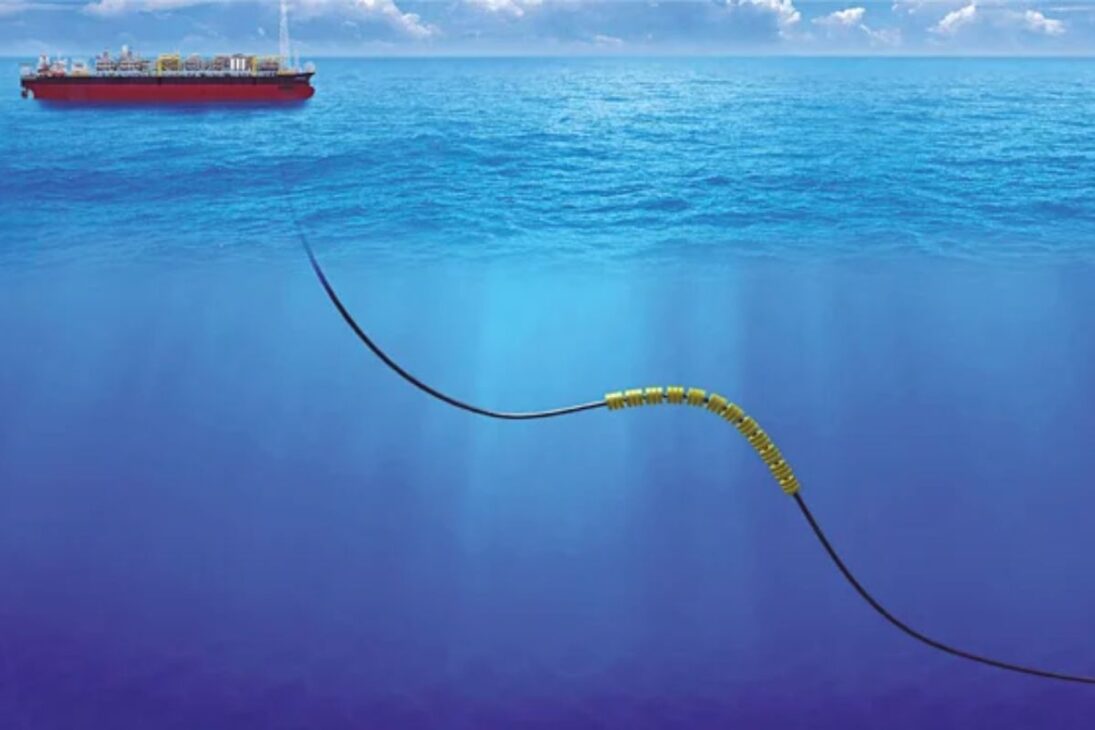
This pipeline that connects the well to the platform must withstand the immense external pressure from the water, which can reach depths of 3,000 meters, while simultaneously containing the extremely high internal pressure of oil and gas, which can exceed 1,000 bar (almost a thousand times atmospheric pressure). Additionally, it needs to be flexible to accommodate the constant movements of the platform caused by waves and currents.
The Multiple Layers of Steel and Polymers: The Engineering Behind the “Pipe”
The brilliance of the flexible riser lies in its construction. It is not a single tube, but a composite structure with multiple independent layers that slide over each other, ensuring flexibility and strength. The main layers are:
Inner Sleeve: the innermost layer, made of interlocked steel tape, that resists collapse from external pressure.
Internal Pressure Jacket: a layer of polymer that ensures sealing, preventing oil and gas leakage.
Pressure Armor: layers of steel wires that support the force of the high internal pressure of the fluid.
Tensile Armor: considered the backbone of the riser, these are multiple layers of steel wires that support the weight of the entire structure suspended in the water.
Outer Jacket: the outermost layer, made of polymer, that protects the steel layers from corrosion caused by seawater.
The Failure that Costs Millions: The Risk of Corrosion and Disasters in the Pre-Salt
Despite the sophisticated engineering of the pipeline that connects the well to the platform, the flexible riser has a Achilles’ heel: corrosion. A small flaw in the outer layer can allow seawater to enter, which in contact with the steel of the armor can lead to a catastrophic failure.
The problem has become critical in Brazil’s pre-salt fields. The combination of high pressure, high temperatures, and CO2-rich gas has created an extremely aggressive environment, causing an unforeseen type of failure known as Stress Corrosion Cracking (SCC-CO2). Risers designed to last 25 years were failing in just two or three. These incidents forced a massive billion-dollar campaign to replace the pipelines, such as a contract of approximately US$ 800 million for the replacement of just 11 risers in the Tupi field.
Real-Time Monitoring and the Pipelines of the Future
Failures in the pre-salt have led to a revolution in riser technology. The industry has shifted from an “install and inspect” model to one of “install and continuously monitor.” Companies like TechnipFMC and Baker Hughes have developed systems that use ultrasound and electromagnetic waves to inspect the internal layers of the pipeline in real time, creating a “digital twin” that allows for failure prediction.
The biggest innovation, however, lies in the materials. To eliminate the risk of corrosion, the industry is developing a new generation of pipelines:
Thermoplastic Composite Pipe (TCP): replaces steel with carbon fibers, making the pipe immune to corrosion and up to 90% lighter.
Hybrid Flexible Pipe (HFP): combines a corrosion-resistant composite core with external layers of steel armor, maintaining the necessary weight for stability at sea.
Why is a Pipeline that Connects the Well to the Platform So Expensive?
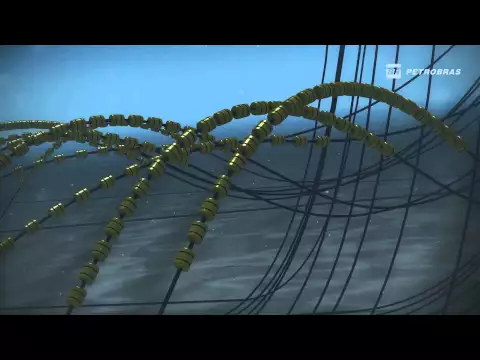

The high cost of a flexible riser is not only due to its complex manufacturing and advanced materials. The price reflects the immense risk involved in operation. A failure means not only the loss of the pipeline but a halt in production, which can cost millions of dollars per day, along with the risk of an environmental disaster of immeasurable proportions.
Therefore, the high value of a pipeline that connects the well to the platform is, in fact, an investment in safety and reliability. The embedded technology, constant monitoring, and new materials are designed to ensure that the vital artery of offshore production continues to pulse safely and efficiently, even under the most extreme conditions on Earth.







Se tiver algum problema de corrosão, procure o GRUPO GP, em Barueri, São Paulo, que fornece especialidades de camadas anticorrosivas em peças de aço do PRÉ-SAL.
Fornece a TECHNIP E BAKER COOPER CAMERON, AKER KVAERNER, FMC e todas demais maiores do mundo a mais de 45 anos.
É tanta propaganda, anúncios cobrindo a tela que não se consegue ler a matéria, bom desisti, é já não abro mais links da página, perda de tempo.
Lamentamos, para uma experiencia com pouco anuncio e mais fluída, baixe nosso app: https://en.clickpetroleoegas.com.br/aplicativo
Pirelli Cabos tentou produzir em 1995 esses dutos .
O problema a época foi aferir a espessura da camada de polímero , onde foi colocado um medidor de espessura de camada isolante onde depois da instalação que levou 3 dias, o operador perguntou que material era o do intertravamento.
O equipamento instalado era para material ferromagnetico, logo não era possível medir inox.
Eu trabalhava terceirizado na SINEC empresa de manutenção que atuava na manutenção dos equipamentos de produção da Pirelli Cabos.
Eu , que estava trabalhando no turno da noite, vi o tal equipamento medidor de espessura, onde constatei que a cabeça sensora era semelhante a do medidor de espessura de camada isolante que eu havia projetado anos antes na minha empresa, PADRÃO SERVIÇOS E COMÉRCIO LTDA, porém o medidor de espessura projetado por mim, conseguia medir espessura mesmo em inox.
Com o engenheiro da empresa Pirelli César Farias, mostrei o protótipo do meu medidor de espessura, logo depois fui chamado para passar a lista de material para ser comprado pelo técnico Jorjão.
Rsrsrs, lógico que o engenheiro de manutenção queria…