





 Portuguese
  English
  Spanish
 4 min of reading
  6 comments


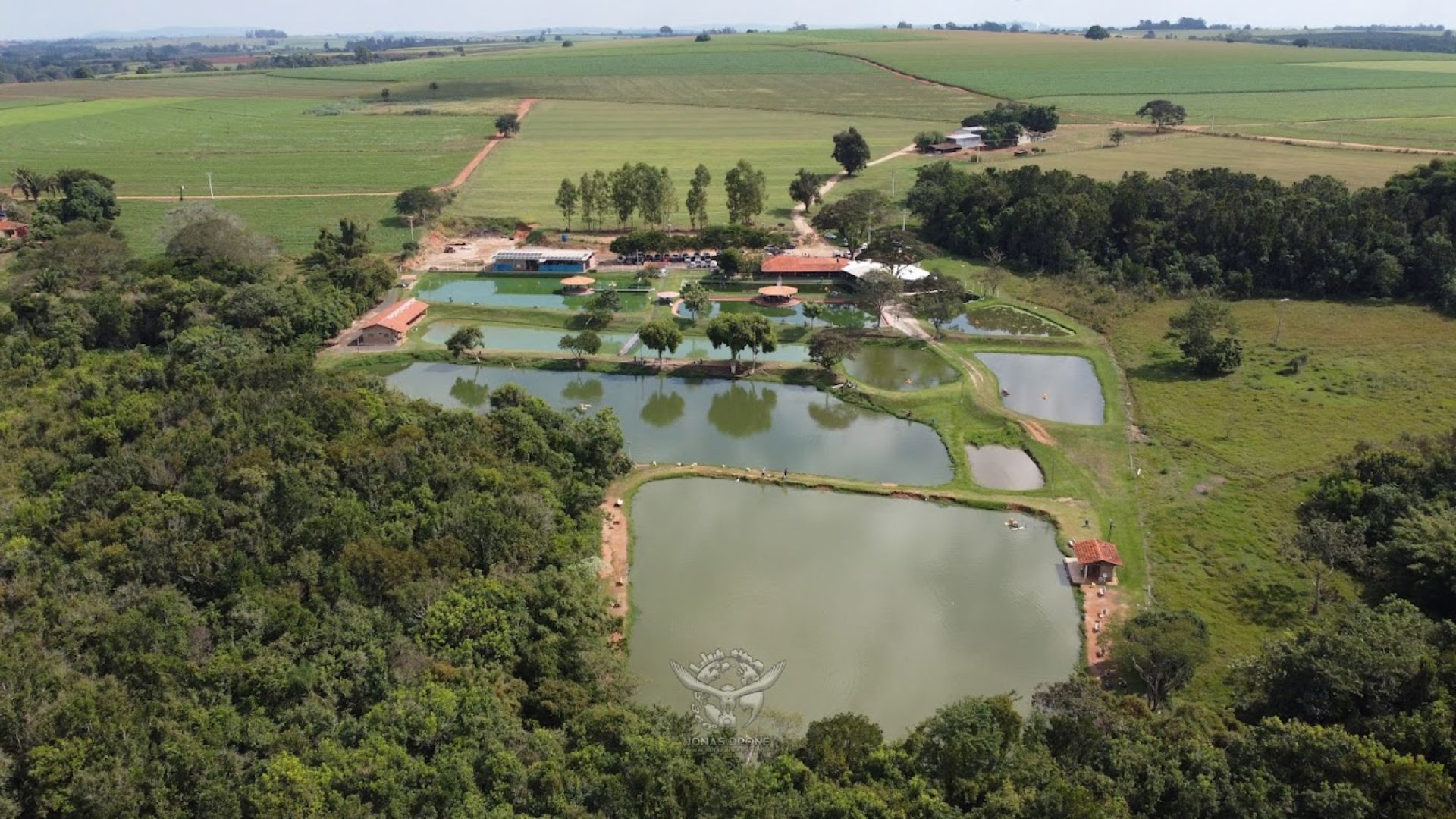


Small Farm in Tocantins Brings Together Artisanal Fish Farming, Typical Food, and Rural Visitation in Model Highlighted by Public Agencies as an Alternative Income for Family Farmers.
About 20 kilometers from the urban area of Palmas, in Tocantins, a small family property has been cited by public agencies as an example of income diversification in rural areas.
Chácara Recanto do Sossego, maintained by the couple Valdir Parreão de Souza and Isabel Lopes de Sousa, combines fish farming in a pay-to-fish system, food production for self-consumption, and services for visitors interested in spending the day in a rural setting, with meals prepared in the chácara’s own kitchen.
Rural Tourism in Palmas
According to information from the Tocantins Institute of Rural Development (Ruraltins), Recanto do Sossego is part of initiatives aimed at rural tourism around Palmas.
-
A Brazilian thought he was making a good deal but lost R$ 125,000 while trying to buy a Toyota Hilux on Facebook.

-
With a volume of 300,000 cubic meters, an old oil depot transforms into a giant thermos, heating an entire city in Sweden and potentially changing the way energy is stored worldwide.
-
A new study suggests that the Strait of Gibraltar may disappear because the rocks beneath it are triggering a subduction process that could reshape the entire Atlantic Ocean over the next 20 million years.
-
What is it like to live inside a $13 billion aircraft carrier where 5,000 military personnel eat 17,000 meals a day and spend months sleeping in cramped bunks?


The purpose of these actions, according to official documents, is to encourage activities that combine environmental preservation and income generation for family farmers who already live and produce in the region.
In this regard, the couple’s experience is presented by the agency as a combination of diversified agricultural production and leisure services.
Fish Farming with Hand-Dug Tanks

An article published by the government of Tocantins explains that the start of fish farming aimed at pay-to-fish marked a change in the property’s dynamics.
According to Isabel’s account, the first tanks were built on the family’s own land, primarily using manual labor.
Of the six tanks present at the time of the technical visit recorded by Ruraltins, four were dug with a hoe by Valdir and their eldest son, until they reached the shape and depth suitable for water supply and the insertion of juvenile fish.
This process gave rise to fish farming for two purposes: to supply the pay-to-fish and to ensure fish for family consumption and occasional sale.
After the initial operation, the activity began to receive support from the state government.
Ruraltins facilitated the family’s access to credit from the National Program to Strengthen Family Agriculture (Pronaf), which allowed for the construction of two more tanks, the purchase of juvenile tambaqui and piau fish, and the acquisition of equipment for fish farming and visitor services.
Structure to Welcome Visitors
With the tank structure established, the producer installed a small bar within the property, equipped with a pool table, to serve as a support to visitors.
The space offers beverages and meals prepared with products from the property, such as free-range chicken and fried fish.
According to data from Ruraltins, the goal is to maintain rural environment characteristics and meet the demand of city residents interested in activities related to the countryside.
Diversified Production on the Property

The income from the chácara does not rely solely on fish farming.
In the same space, the couple cultivates rice, corn, sweet potato, cassava, and vegetables, in addition to raising free-range chickens for home consumption and to complement the menu on busier days.
According to technicians from the state agency, this diversification helps reduce economic risks and keep the property productive throughout the year.
Technical Support from Ruraltins
In public reports, the technical support from Ruraltins is highlighted as an important element for structuring Recanto do Sossego as a rural tourism initiative in the region.
Professionals from the local office guide the couple on agricultural practices, fish farming, and vegetable cultivation, aiming to optimize the use of natural resources.
The institute also participates in drafting and forwarding credit projects, a step cited as essential for expanding existing infrastructure.
Expansion of Rural Tourism in the Region
The experience reported by the agency occurs in a scenario where other rural producers in the region are also considering the possibility of receiving visitors.

Among the proposals under analysis, according to Ruraltins, are trails to waterfalls, local wildlife and flora observation tours, horseback riding, and other leisure activities.
In this context, Recanto do Sossego is mentioned as one of the first properties to offer pay-to-fish and typical food, serving as a reference for neighboring farmers looking to develop similar initiatives.
Strategy for Supplementary Income
From the perspective of public policies, the case is used by the state agency to illustrate the strategy of promoting rural tourism as a supplementary income, without completely replacing agricultural production.
Fish farming in manually dug tanks, combined with visitor services, is cited by Ruraltins as an example of leveraging the existing structure and labor already present on the property.
Costs and Requirements of the Activity
The sustainability of the activity, however, requires ongoing care.
According to area technicians, managing a pay-to-fish system involves costs related to feed, tank maintenance, replenishment of juvenile fish, energy, water, and organizing to cater to visitors.
Serving the public also requires routines for cleaning and meal preparation.
For this reason, technical support and access to credit are considered key components for the model’s operation.






Lugar lindo Deus abençoe vocês sempre que vocês continuem cada vez mais
Aí vem o pessoal do MSR e invadem, fica fácil pra eles
Localização, telefone pra contato?