





 Português
  Inglês
  Espanhol
  3 min de leitura
  0 comentários


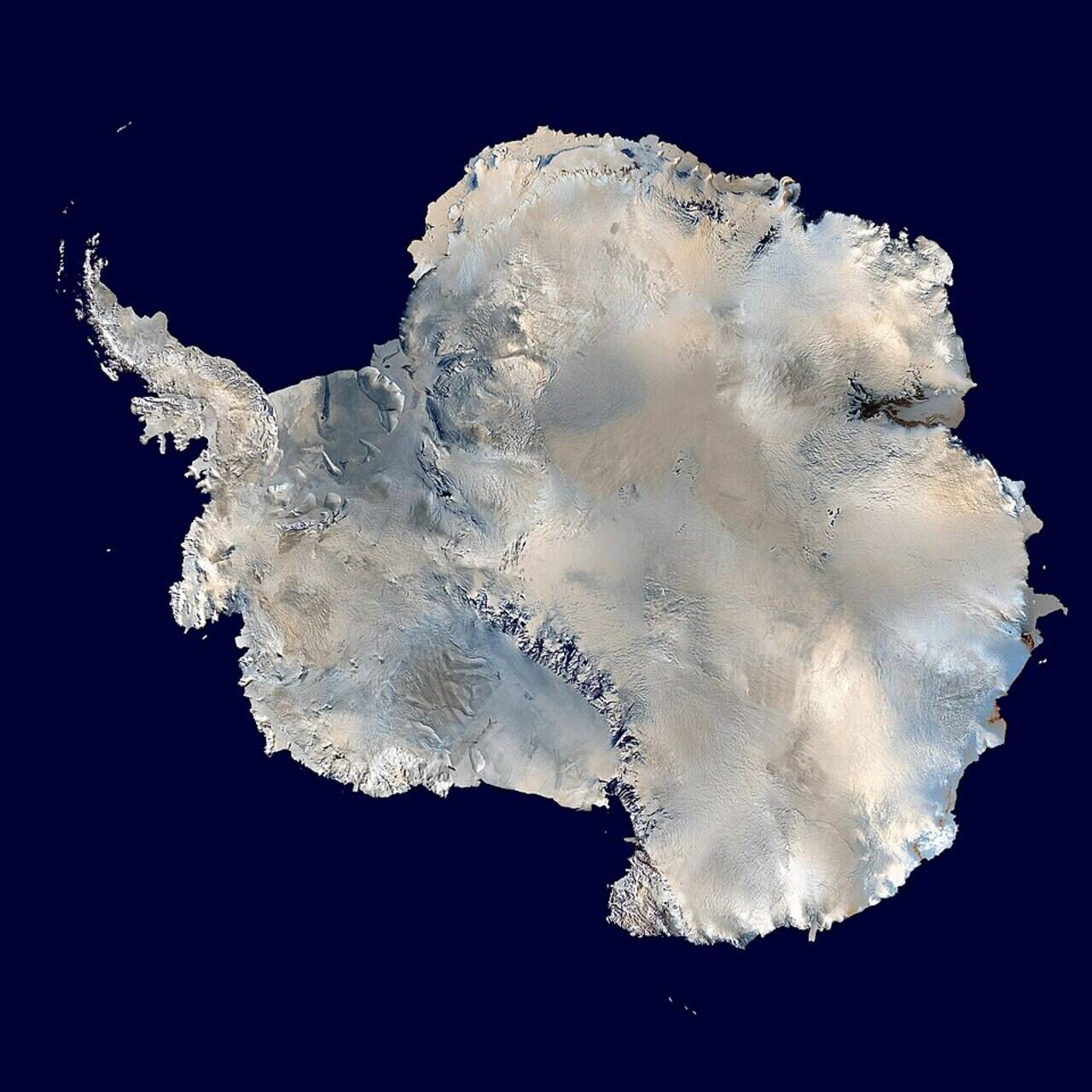
In Antarctica, No Country Rules: An International Treaty Regulates Research, Prohibits Disputes and Transforms the Continent Into a Pole of Science and Peace
A continent without cities, permanent residents, and an official flag. This is Antarctica, one of the most extreme territories on the planet.
With 14 million square kilometers, the region does not belong to any country and hosts more than 40 research stations from various nations.
The question that arises is simple: how does a place function where no one lives habitually?
-
The world’s first octopus farm wants to open in the Canary Islands and is already provoking an international reaction: the plan aims to produce 3,000 tons per year.

-
Drought may be creating stronger superbugs in the soil and helping antibiotic resistance reach hospitals, warns a study highlighting a problem that could grow alongside extreme weather.

-
The biggest scam in history: Napoleon’s France deceived the United States by selling them a territory that was Spanish.

-
Why is the Danakil Desert so dangerous? It has unstable terrain and how extreme temperatures and toxic gases turn the region into one of the most hostile environments on Earth.

Station by Station, Science Spreads on the Ice
Antarctica has become a large international research center. The main reason lies in the Antarctic Treaty, signed in 1961, which prevents military activities and focuses on scientific cooperation.
Thanks to this agreement, countries from different parts of the world maintain fixed or temporary bases on the continent.
China, India, and South Korea, for example, have been investing in new facilities. During the summer, even mobile bases emerge, used for specific studies.
Many stations operate year-round, even during the months when cold and isolation become extreme.
To ensure continuous operation, there are logistical missions with air and maritime transport, delivering essential supplies to researchers.
Without National Sovereignty: A Different Model of Governance
Unlike what happens anywhere else in the world, Antarctica does not belong to a single country.
The Antarctic Treaty established a unique management approach: a multinational committee oversees scientific and environmental interests. This ensured that the continent is used only for peaceful purposes.
Before the treaty, countries like Argentina, Australia, and Chile had already made territorial claims. These claims, however, have been frozen.
The current rules prevent land disputes and reinforce the idea of collaboration. This has made Antarctica a rare example of geopolitical coexistence without conflicts.
Why Scientists from Around the World Look to Antarctica
The frozen continent holds treasures that go beyond ice. Antarctica concentrates 70% of the Earth’s freshwater, making its glaciers an essential source of data about the planet’s climatic past.
Scientists use these records to understand global warming and predict sea levels.
Additionally, the location is home to unique forms of life that have adapted to extreme cold. This attracts biologists interested in studying evolution in hostile environments.
There is also interest from astrophysicists, who take advantage of the long polar night to conduct research on the universe.
Moreover, there are projects investigating rare microorganisms, with the potential to reveal how life could exist on other planets.
Survival in the Cold: What Is It Like to Live There for Months
Spending winter in Antarctica is not a simple task. Temperatures can reach -80°C, and snowstorms are violent.
Therefore, the bases are built with cutting-edge technology, designed to withstand severe weather and retain heat.
The scientists’ clothing is also special, with reinforced thermal insulation. Inside the stations, there are enough supplies to sustain everyone for long periods, in case transportation becomes impossible.
In some bases, there are even hydroponic cultivation systems. This allows for the production of fresh vegetables even in the depths of winter.
Preserving Is the Priority
Antarctica is one of the most protected places on the planet. Any human activity must undergo a rigorous environmental assessment.
The goal is clear: to avoid harm to a fragile and still little-known ecosystem.
Specific laws prevent foreign species from being brought to the continent, protecting the local fauna and flora.
The stations follow protocols to reduce pollution and manage waste. The goal is to maintain a balance between human presence and nature.
In the end, Antarctica remains a rare symbol of cooperation. In a world with so many disputes, it stands out by uniting countries around science and preservation.
With information from Estado de Minas.







Seja o primeiro a reagir!