





 Portuguese
  English
  Spanish
  4 min of reading
  0 comments


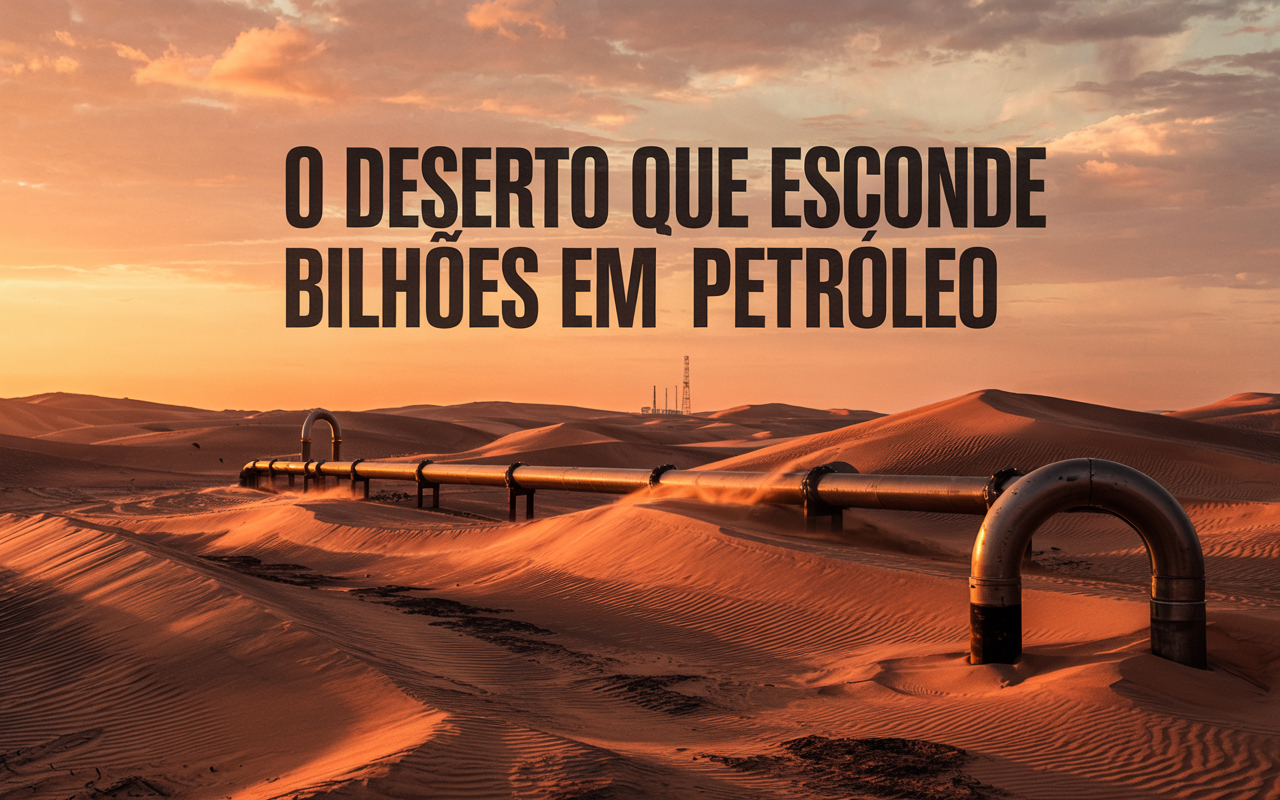
The Rub al-Khali in Saudi Arabia Holds One of the World’s Largest Hidden Oil Reserves, But Its Extreme Environment Poses Real Risks to Pipelines and Engineering Operations in the Desert.
The Rub al-Khali, known as the “Empty Quarter,” is the largest continuous sand desert in the world. It spans more than 650,000 square kilometers across the territories of Saudi Arabia, Oman, the United Arab Emirates, and Yemen. Its dunes, which can exceed 250 meters in height, hide beneath the surface one of the largest concentrations of desert oil known to the global energy industry.
With temperatures exceeding 50 °C and almost no annual precipitation, the region is practically uninhabitable. Still, it is home to highly productive oil fields, such as Shaybah, which has become a symbol of engineering’s ability to operate in extreme desert conditions. At the same time, the constant movement of sand dunes threatens to engulf operational cities, pipelines, and critical structures.
Shaybah Oil Field Holds Gigantic Reserves Beneath the Sands
The Shaybah field, operated by the state-owned Saudi Aramco, was discovered in 1968 and began commercial operations in 1998. It is located at the northern edge of the Rub al-Khali, over 800 kilometers from the capital Riyadh. According to official estimates, the region contains more than 14 billion barrels of light oil, along with vast reserves of natural gas.
-
Offshore industrial demand in Macaé skyrockets with the recovery of oil and gas and could grow by up to 396% by 2026 in the Campos Basin.
-
Offshore industrial demand in Macaé surges with the recovery of oil and gas and could grow by up to 396% by 2026 in the Campos Basin.
-
Brazilian giant expands borders in the Southeast: Petrobras confirms new oil discovery in ultra-deep waters in the pre-salt of the Campos Basin.

-
Alert in the global energy market: Severe tropical cyclone hits the coast and disrupts gas production at major plants in Australia, threatening global supply.

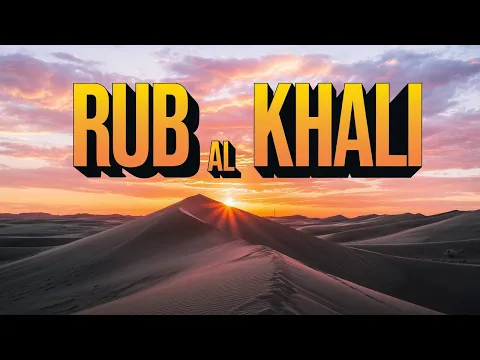

The average daily production can reach 1 million barrels, operating with pipelines, compression stations, power plants, and a runway. All infrastructure was built on elevated platforms to avoid being buried by sand. Furthermore, the extraction and transportation systems are connected by underground pipelines that cross unstable areas vulnerable to sandstorms and dune movement.
Dune Movement Represents a Constant Risk to Critical Infrastructure
The Rub al-Khali desert is dynamic. Constant winds move tons of sand daily, altering the terrain and shifting entire dunes. This geological phenomenon poses a direct climate risk to roads, power cables, pipelines, and areas inhabited by workers.
Desert engineering employs specific solutions to face these risks. Physical barriers, periodic mechanical cleaning, and mobile structures help maintain access to critical facilities. However, dune movement can block roads, bury pumping stations, and interrupt the flow of oil for hours or days, causing losses and requiring emergency actions.
Satellite studies, including radar images and thermal sensors, are used to predict sand behavior. Based on this data, engineers replan routes, reposition cables, and adjust contingency plans to avoid operational failures.
Operational Cities Cope with Isolation and Extreme Weather
Shaybah is more than an oil field. It is a remote city built in the middle of the desert, with accommodations, dining halls, medical centers, and recreational areas. About 1,000 to 1,500 people live and work there in a rotation system.
Despite modernization, isolation, extreme temperatures, and difficult access make daily life challenging. Workers contend with strong winds, sandstorms, and communication limitations with other regions. Any logistical failure can compromise the operation’s functionality and the team’s safety.
Hidden Reserves Continue to Be Explored
The Rub al-Khali Basin is still considered one of the frontiers with the highest unexplored oil potential in the world. According to the United States Geological Survey (USGS), there are hundreds of undiscovered oil and gas fields in the region. This data indicates that the energy resources of the desert could be much more extensive than currently known.
Studies suggest the presence of hidden reserves beneath thick layers of sand, requiring advanced remote sensing, drilling, and seismic analysis technologies to be identified. The geological complexity of the region requires high investments, but the potential return justifies the ongoing interest from the industry.
The Balance Between Exploration and Survival in the Desert
Saudi Arabia views the Rub al-Khali as a strategic area not only for its energy reserves but also for its geopolitical and environmental significance. Exploration must be conducted in balance with the natural risks of the environment — which requires robust planning, investment in infrastructure, and constant adaptation to changes in the terrain.
Maintaining pipelines, pumping stations, and operational facilities in the desert demands ongoing resources. In addition to natural impacts, there are also risks associated with mechanical failures, corrosion, and, on a smaller scale, local seismic events.
The Rub al-Khali, with its silent vastness and moving dunes, is both a fortress of resources and a terrain of invisible risks. Its hidden oil reserves sustain a significant part of the economy of Saudi Arabia and the global energy market, but coexistence with the environment requires constant vigilance.






Seja o primeiro a reagir!