





 Portuguese
  English
  Spanish
  3 min of reading
  0 comments


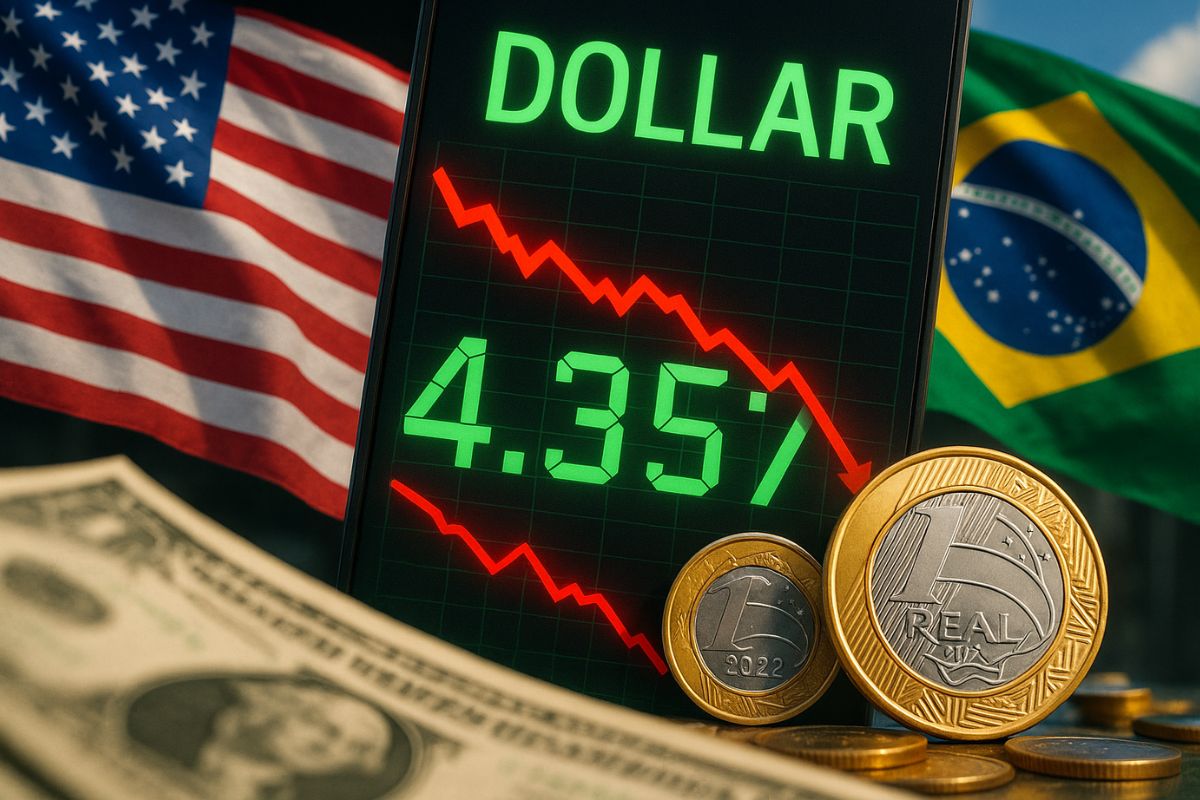
Dollar Could Fall More in Brazil with Fed Interest Rate Cuts. Expectation of Rate Reductions in the U.S. Could Strengthen the Real and Open Room for Cuts in the Selic
The dollar could fall more in Brazil due to the possibility of the Federal Reserve (Fed) starting a cycle of interest rate cuts later this year. The change, driven by signs of economic slowdown in the United States and negative revisions in employment data, could favor emerging currencies, especially the Brazilian real. If the dollar weakens in the global market, the exchange rate in Brazil could appreciate even more, helping to contain inflation and opening space for cuts in the Selic rate.
The scenario gains strength after statements from U.S. Treasury Secretary, Scott Bessent, who advocated for a cut of up to 0.5 percentage point already in the September meeting of the Fed. Although the market projects a more moderate adjustment — of 0.25 percentage point — there is expectation that the U.S. benchmark rate could end 2025 0.75 percentage point below the current level. For Brazil, this change could reduce pressure on the exchange rate and give the Central Bank more freedom to cut interest rates.
Why the Dollar Could Fall More in Brazil
The dollar could fall more in Brazil because lower interest rates in the U.S. reduce the attractiveness of dollar investments, leading investors to seek emerging markets with higher yields. With the Selic still elevated, the flow of dollars into the country tends to increase, appreciating the real. This movement could be enhanced by the recent decline in Brazilian inflation, which already indicates room for additional cuts in domestic interest rates.
-
BRICS is building its own payment system that could be operational by 2030, and experts say it could increase trade between the countries by up to 10% per year and add 3% to the GDP of each member of the bloc.
-
Government suspends over 3 million traffic fines in Brazil and drivers breathe a sigh of relief.

-
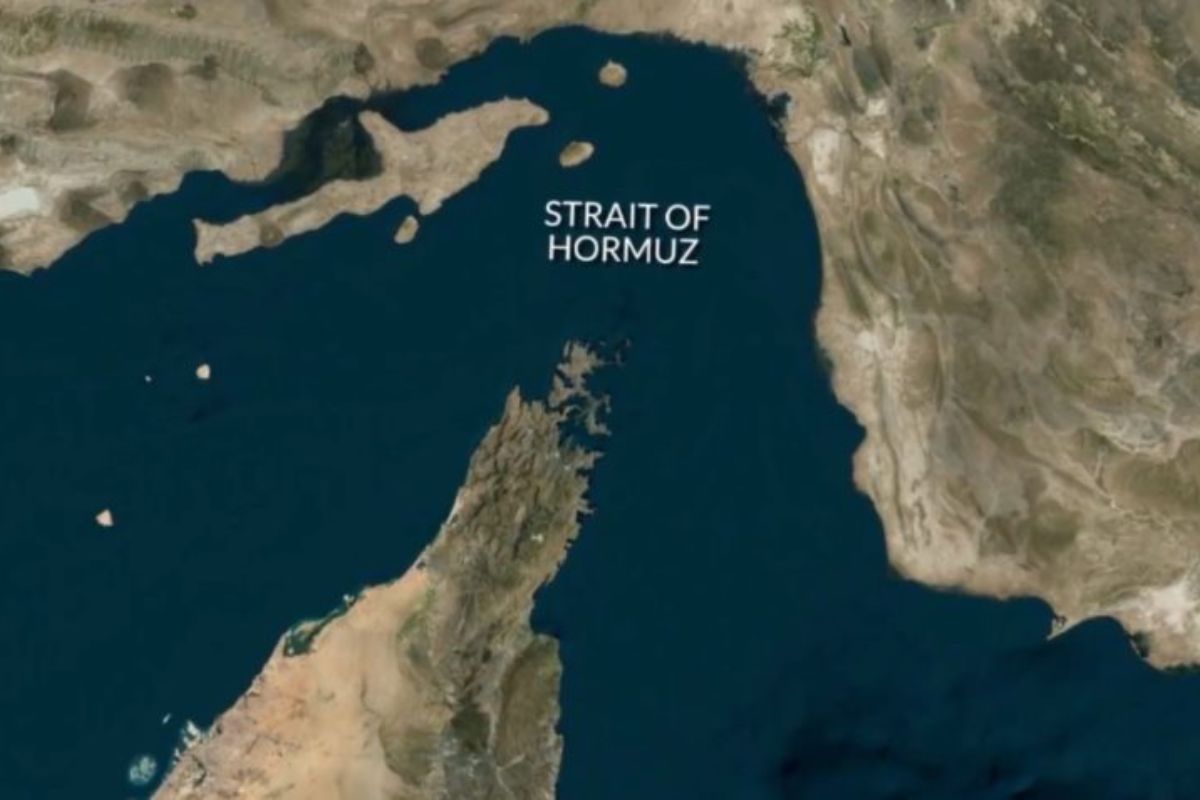
Iran has just approved toll charges for ships in the Strait of Hormuz and has completely prohibited the passage of vessels from the United States and Israel in the world’s most important maritime route for the global energy market.
-
Government cancels R$ 25 million “celebration” for Brasília’s anniversary and allocates funds to health.


Furthermore, a more favorable exchange rate reduces the cost of imports and helps control inflation, creating a positive cycle for the economy. Experts point out that, if the external scenario aligns, the real could continue to gain strength.
What is Driving the Change at the Fed
The Fed operates under a dual mandate to maintain price stability and full employment. In recent months, employment data released by the Bureau of Labor Statistics (BLS) has undergone significant revisions. In 2025, nearly half a million jobs initially reported were removed from the statistics, indicating a weakening labor market. This scenario, coupled with the gradual decline in inflation, increases pressure for interest rate cuts.
Compared to other central banks, the Fed maintains higher rates: 4.5% per year, against 2.15% at the European Central Bank and 0% at the Swiss National Bank. This gap reinforces the expectation that the U.S. will need to initiate a rate-cutting cycle soon.
Possible Impacts in Brazil
If the Fed reduces rates, the dollar could fall more in Brazil, keeping the exchange rate below R$ 5.40 and strengthening the real. This would help reduce the inflation of imported products and allow for quicker cuts in the Selic, currently around 15% per year.
However, analysts warn that external factors — such as the U.S. fiscal deficit, political uncertainties, and global volatility — could still influence the speed of this appreciation. The trajectory will depend on upcoming inflation and employment data from the U.S.
What to Expect Going Forward
In the short term, the market projects a cut of 0.25 percentage point in the September meeting of the Fed, with further reductions by the end of the year. For 2026, bets indicate U.S. interest rates near 3%, a level not seen in years. If this scenario materializes, the dollar could fall more in Brazil, and the Central Bank could accelerate the reduction of the Selic.
Do you believe that the decline in U.S. interest rates will help the real appreciate? And how could this impact your daily life? Leave your opinion in the comments — we want to hear from those who feel these effects in practice.









-

-

-

-

-

36 pessoas reagiram a isso.