





 Portuguese
  English
  Spanish
  3 min of reading
  0 comments


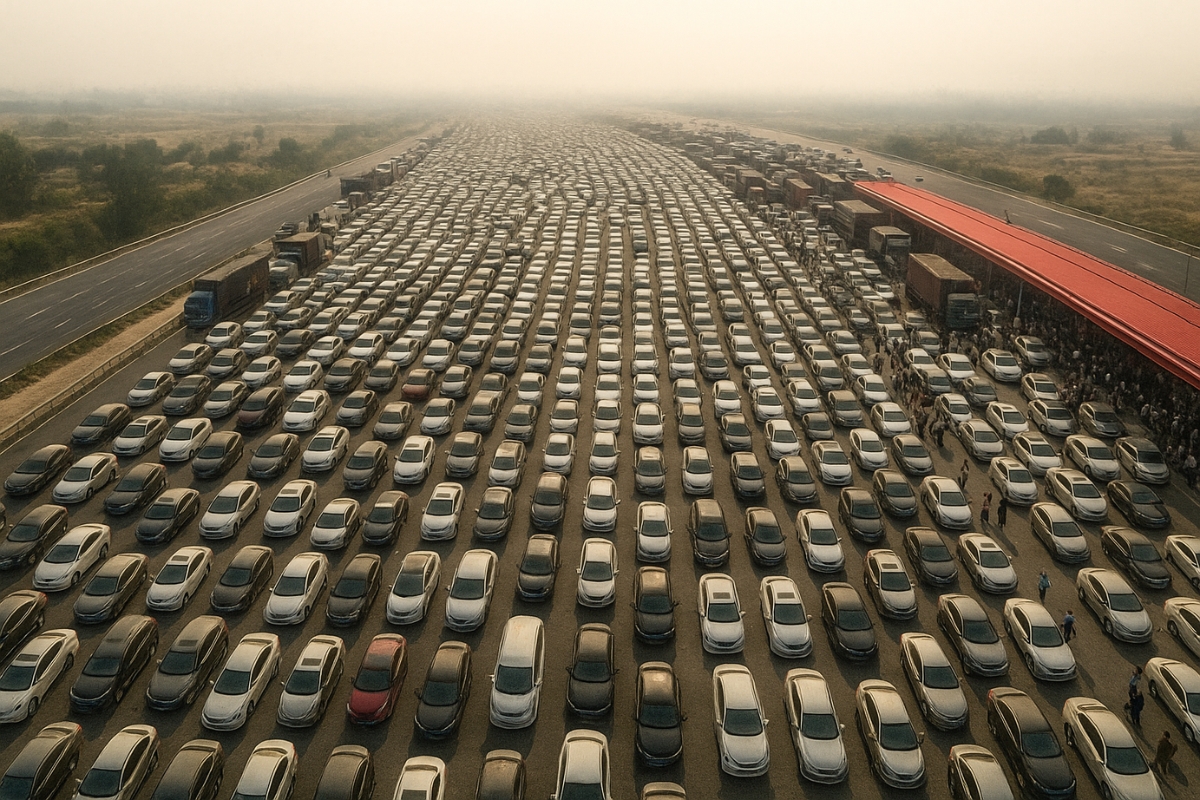
In 2010, China Faced the Largest Traffic Jam in History: Over 100 km of Cars Stuck for 12 Days on National Route 110, Where Drivers Created an Improvised Market Amidst the Chaos
In August 2010, a Chinese highway became the stage for one of the largest traffic collapses in modern history. Thousands of vehicles were stranded for 12 consecutive days on National Route 110, which connects Inner Mongolia to Beijing. The traffic jam stretched over more than 100 kilometers, and drivers progressed, on average, only one kilometer per day.
The event, which is still remembered as the worst traffic jam in history, started off seemingly normally but quickly escalated into a national crisis. Maintenance works, combined with the intense flow of trucks loaded with coal and construction materials, created an explosive mix that paralyzed traffic completely.
How The Chaos Began on National Route 110
Everything began on August 14, 2010. At that time, the Chinese government had reduced the number of lanes on the road for repairs, while thousands of trucks coming from Inner Mongolia transported coal toward the capital. The problem was that traffic was already 60% above the road’s original capacity.
-
The Argentine government celebrates the lowest poverty rate in 7 years, but experts warn that the methodology has changed, real wages have fallen, unemployment has risen, and the number of people on the streets of Buenos Aires has increased by 57% since Milei took office.

-
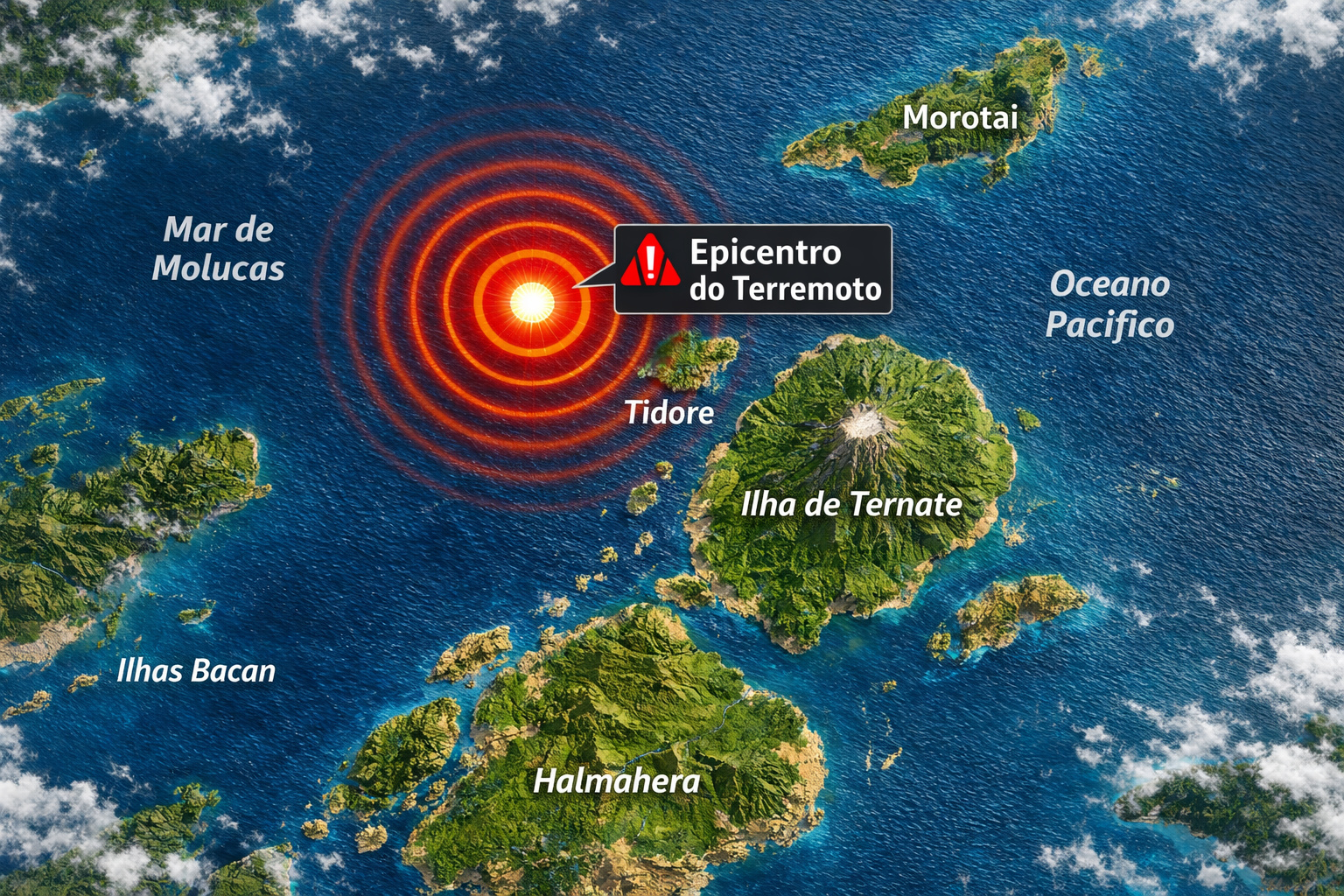
7.8 magnitude earthquake in Indonesia frightens the population, triggers tsunami alert, and hits an island with over 200,000 inhabitants this Thursday.
-
Google will finally let you change that embarrassing Gmail address you created in your teenage years without losing any accounts, logins, or old emails: the feature is already available in the United States.

-
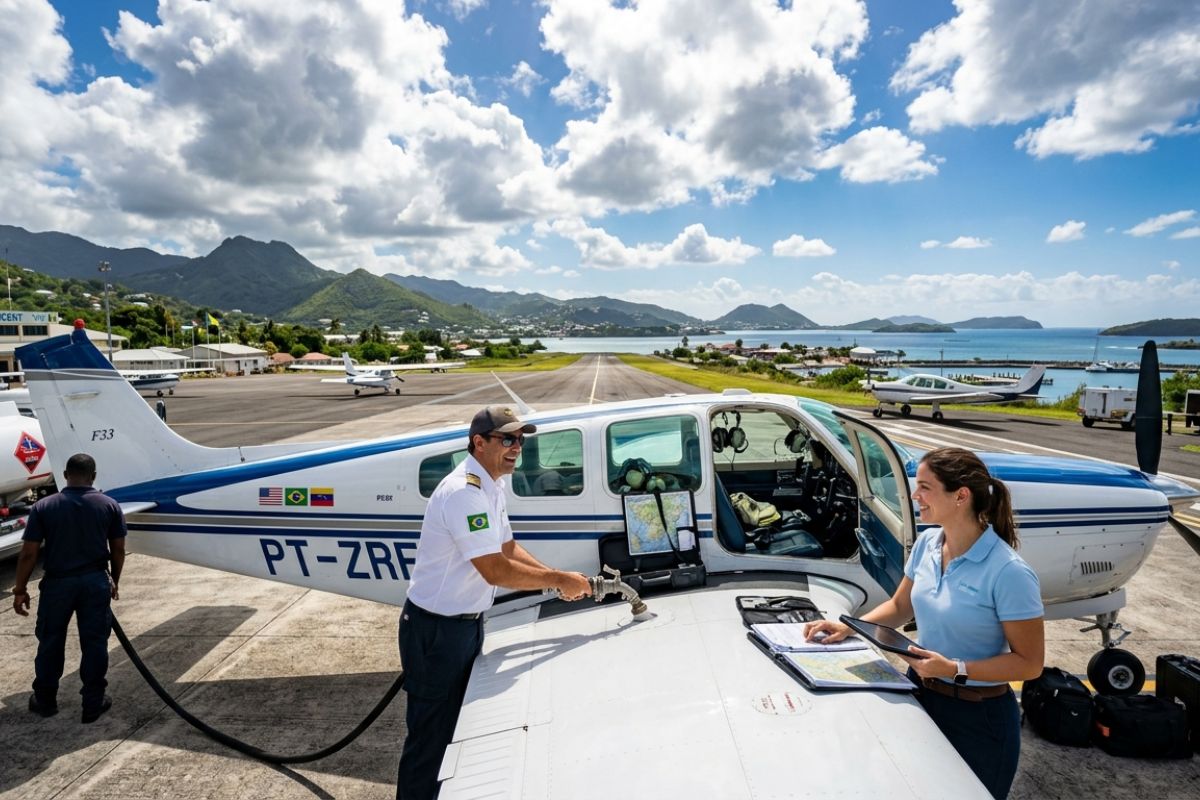
Heading to Brazil in a Bonanza F33 single-engine aircraft: a couple departs from Florida on a visual flight, makes technical stops in the Caribbean to refuel and organize paperwork, and begins the staged crossing until they reach the country.

The lack of railway infrastructure further worsened the situation, forcing companies to use road transport to meet the rising industrial demand. Within days, hundreds of thousands of vehicles were trapped in a massive line of turned-off engines, horns, and frustration.

A City Was Born in the Middle of Nowhere
As hours turned into days, drivers realized there was no way out. Many were stuck in isolated stretches, without water or food. It was then that local residents found an opportunity: they set up small improvised stalls to sell food, cigarettes, and bottles of water at exorbitant prices.
A liter of water, which normally cost 1 yuan, began to sell for 15. With no other alternative, drivers slept inside their vehicles or on their trucks, while the summer heat made the wait even more unbearable. The traffic jam had turned into a true makeshift city on the asphalt, with commerce, social interaction, and even occasional conflicts.
The Operation to Clear The Road
In light of the collapse, the Chinese government launched a massive operation to clear the traffic. Road patrols and rescue trucks were sent to the area, and authorities began to restrict truck access to Beijing during the day, allowing traffic only at night.
Even with these efforts, it took 12 full days to completely dissolve the traffic jam. In total, it is estimated that hundreds of thousands of vehicles were stuck, and the logistical and economic losses were incalculable.

The Greatest Traffic Jam in Modern History
Although the Guinness Book of Records recognizes a traffic jam that occurred in 1990 in Germany as the longest in terms of vehicles, many experts claim that the collapse on National Route 110 was the most enduring and emblematic in the world.
The event was so remarkable that it earned its own page on Wikipedia and remains a warning about the rapid growth of the Chinese fleet and the need for infrastructure that matches its economic development.
Since then, China has invested billions in expanding its road and railway networks, but the 2010 traffic jam still stands as a symbol of an era when progress outpaced the roads.









-

Uma pessoa reagiu a isso.