





 Portuguese
  English
  Spanish
  5 min of reading
  3 comments


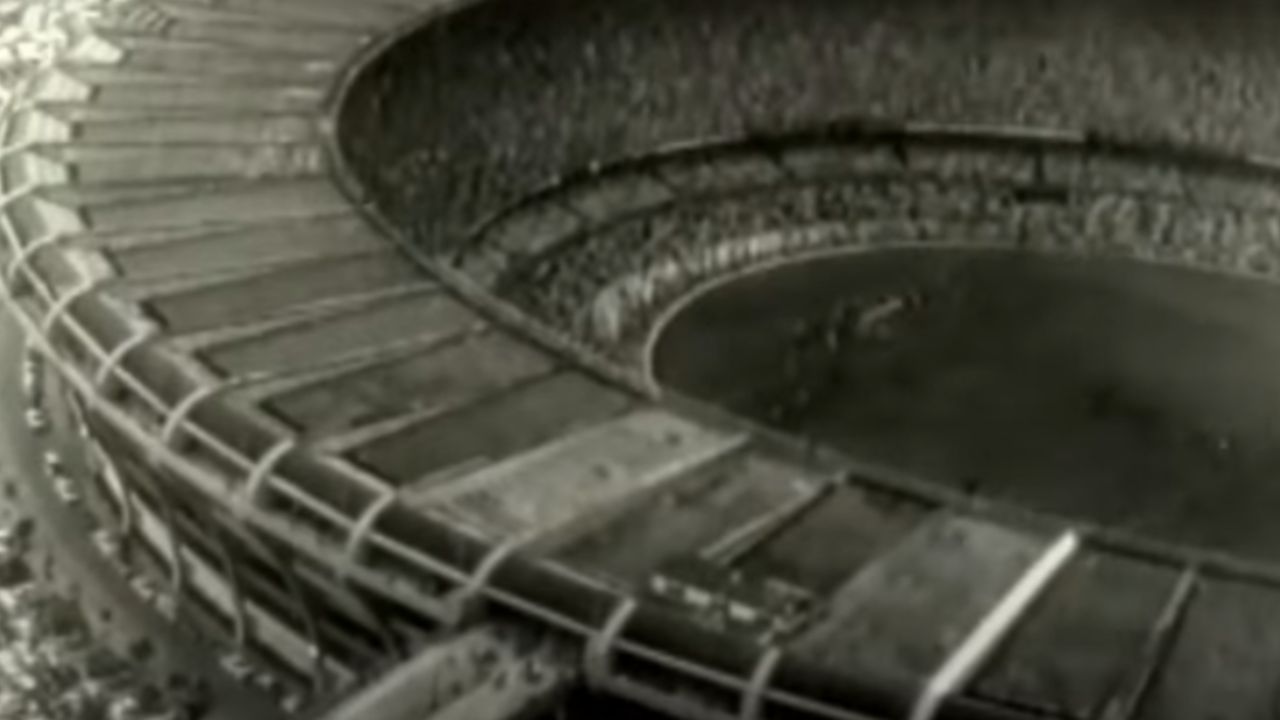


The Architecture of the Masses and Brazilian Ambition at the 1950 World Cup Made the Colossus of Rio de Janeiro Surpass the Scottish Attendance Record.
The year 1950 did not only mark the return of the World Cup after World War II, but also the inauguration of a work that would redefine the concept of sports gigantism: the Municipal Stadium, later known as Maracanã. With Brazil as the host country, the construction of the stadium was a national ambition project, focused on creating a symbol of modernity and, unequivocally, the largest stadium in the world at the time. The urgency and monumentality of the work, which employed up to 2,000 workers and was opened, albeit incomplete, on June 16, 1950, reflected the country’s determination to host the event with a structure worthy of its global aspirations (Acervo da Bola: Construction Details and Project Capacity of Maracanã (1950)).
The goal of creating the largest stadium in the world at the time was clear: to surpass the mark established internationally. The initial design of Maracanã planned for a total capacity of 155,000 spectators, a number that, while grand, was the nominal level of surpassing. However, the operational reality of the architecture of the masses allowed the stadium to achieve a public volume that greatly exceeded the project, cementing its global status and relegating its historical predecessor to a secondary position.
The Logic of Gigantism: Why Brazil Needed to Surpass Scotland


Before the inauguration of the Carioca colossus, the title of the largest sports venue on the planet belonged to Hampden Park in Glasgow, Scotland.
-
Friends have been building a small “town” for 30 years to grow old together, with compact houses, a common area, nature surrounding it, and a collective life project designed for friendship, coexistence, and simplicity.
-
This small town in Germany created its own currency 24 years ago, today it circulates millions per year, is accepted in over 300 stores, and the German government allowed all of this to happen under one condition.
-
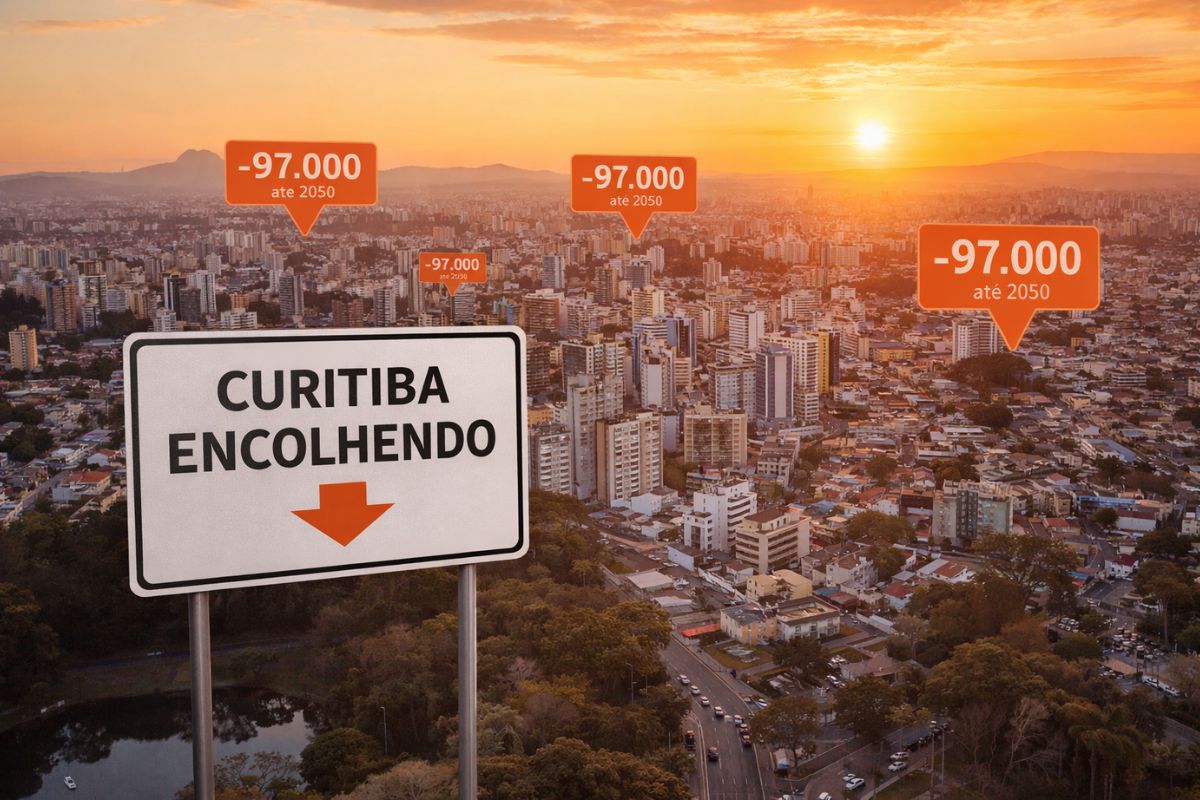
Curitiba is shrinking and is expected to lose 97,000 residents by 2050, while inland cities in Paraná such as Sarandi, Araucária, and Toledo are experiencing accelerated growth that is changing the entire state’s map.
-
Tourists were poisoned on Everest in a million-dollar fraud scheme involving helicopters that diverted over $19 million and shocked international authorities.

The Scottish stadium, which had been inaugurated in 1903, reached its maximum historical capacity in 1937, registering the impressive mark of 183,724 seats (Scottish Football: Historical Maximum Capacity of Hampden Park (1937)). This number not only set a British and European record for club matches but also defined the benchmark that Brazilian infrastructure needed to surpass to etch its name in history. The Brazilian ambition, as detailed in the initial project (Acervo da Bola: Construction Details and Project Capacity of Maracanã (1950)), was a mandate of monumentality.
The surpassing of Maracanã was verified not by the number of the initial design (155,000) but by the reality of attendance. Its baptism of fire, in the decisive match of the 1950 World Cup (the Maracanazo), proved that the stadium had fulfilled its role: the official registered attendance was 173,850 people, with popular estimates suggesting the presence of over 200,000 people (Fifa: Attendance Records of Maracanã (Confirmation of Surpassing)). This volume of spectators not only surpassed the record of Hampden Park but also consolidated Maracanã as the new and undeniable largest stadium in the world at the time.
The Architecture of the Masses: The Sociocultural Factor of 200,000 People
Who was the audience that filled the old Maracanã, and how did the stadium accommodate so many people? The secret to the massive volume, which exceeded the nominal project of 155,000 and the Scottish record of 183,724, lay in a unique social and architectural component: the Geral.
The Geral was the popular stands, a section without seats, where fans stood together, often very close to the field. This area not only facilitated access for vast low-income populations but was also fundamental to the social identity of the stadium. The maximum capacity of Maracanã did not rely on individual comfort or the number of seats but rather on an architecture that embraced the crowding of masses, reinforcing the cathartic and popular nature of Brazilian football. The gigantism of the project was, therefore, a matter of social policy expressed in architecture.
The official record of paying spectators in the history of the stadium confirms the surpassing: on August 31, 1969, a match between Brazil and Paraguay recorded 183,341 paying spectators. This number, despite being official and not accounting for the totality of unpaid estimates (which reached 200,000), is clear proof that the functional capacity of Maracanã surpassed the 183,724 limit of Hampden Park. The Maracanã of 1950 elevated the concept of capacity to a new level of volume, becoming the largest stadium in the world at the time and consolidating a new paradigm.
The Era of Reduction: Why the Capacity of 155,000 No Longer Exists
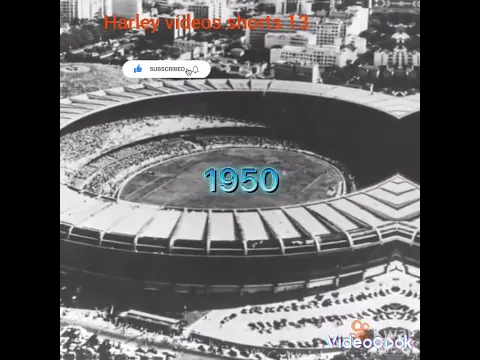
The legacy of the largest stadium in the world at the time did not last forever. Maracanã underwent a process of progressive reduction of its capacity, a transition from being a concrete “monument” to a modern “arena.”
The change was driven by a global imperative: the pressure from FIFA and international safety regulations. These norms began to require the mandatory implementation of numbered individual seats, eliminating standing areas like the iconic Geral. The first major reduction occurred for the 2007 Pan American Games, when the capacity was reduced to approximately 87,000 seats. The most significant transformation, however, came with the remodeling for the 2014 World Cup, when Maracanã conformed to the all-seater model (seating only). This work drastically reduced its capacity to approximately 78,838 seats.
The transition from a stadium accommodating 200,000 people to one with less than 80,000 seats illustrates the cost of compliance with international guidelines, prioritizing safety and comfort at the expense of massive capacity. The modern Maracanã, safe and functional, represents the dilution of the “aura” of the popular space of 1950, but its mark of having been the largest stadium in the world at the time with crowds around 200,000 remains unsurpassed in the history of contemporary sports architecture.
Inaugurated in 1950, Maracanã cemented its place in history as the largest stadium in the world at the time by surpassing the attendance mark of Hampden Park of 183,724, recording crowds approaching or exceeding 200,000 spectators (Fifa: Attendance Records of Maracanã (Confirmation of Surpassing)). Its gigantism was not only technical but social, reflecting the ambition and popular dimension of Brazilian sport.
Today, the stadium is a modern arena, but its capacity record is a testament to that era of monumentality.
Do you agree that Brazil exchanged part of its popular identity and record capacity for safety and standardization of modern arenas? Would you prefer Maracanã with the Geral and 200,000 people or the current all-seater model? Leave your opinion in the comments, we want to hear from those who lived the era of the “Greatest in the World” and those who follow the stadium today.








Seria mais charmoso e único se tivesse mantido o tamanho original , nunca deveria ter sido modificado e reduzido , tudo que é original , é mais charmoso , não deveria ter mexido na sua história !
Mais Gigante???? 😂😂😂😂
Tive um colega de trabalho que em 1950 era estudante de Agronomia no KM 47, como era conhecido o local da faculdade. Ele me falou que estava no Maracanã no fatídico 16 de julho, e que assistiu o jogo com o corpo de lado, espremido como sardinha em lata. Claro que o número das 200 mil pessoas foi um marco, mas não restam dúvidas de que ir aos estádios padrão FIFA de hoje é muito mais prazeroso.