





 Portuguese
  English
  Spanish
  4 min of reading
  10 comments


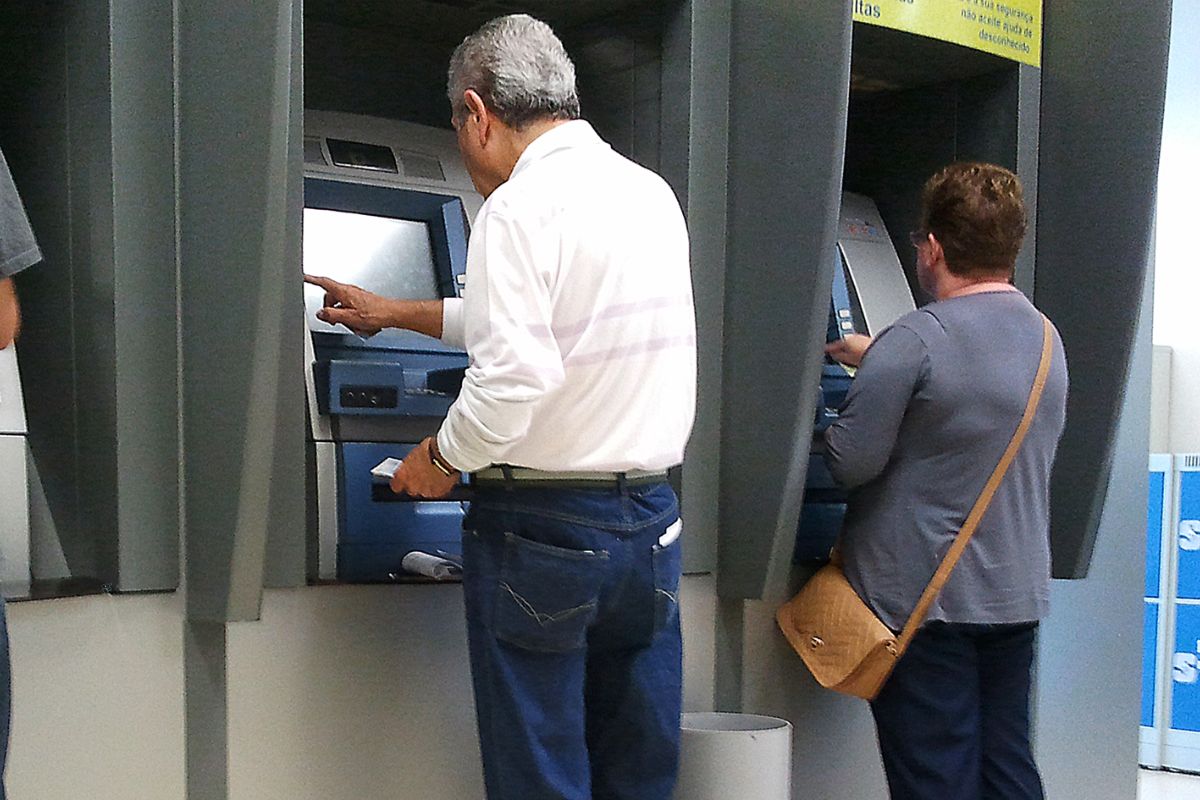


Brazilian Law Secures Benefits For Those 60 And Over, But Many Are Unaware Of These Guarantees And End Up Missing Essential Advantages In Their Daily Lives.
The Statute of the Elderly, in effect since 2003, establishes a series of rights for all Brazilians aged 60 and older. Despite more than 11 direct benefits provided by law, a large part of the elderly population is not fully aware of these guarantees, missing out on advantages that could improve their quality of life.
According to lawyer Cíntia Brunelli, in addition to the general rules, people aged 80 and older also have the so-called superpriority, which places this age group ahead of other elderly individuals in lines, processes, and services. Understanding these rights is essential, as many are not automatically applied and depend on the citizen’s initiative to be claimed.
Child Support And Right To Subsistence
When the elderly cannot support themselves, the law ensures that they can request child support from close relatives.
-
Brazilian city bets on the business environment to generate jobs and attract investments in the energy sector — secretary reveals strategy at Macaé Energy 2026.

-
50 viaducts, 4 tunnels, 28 bridges, and 40 kilometers of bike paths: BR-262 in Espírito Santo will receive 8.6 billion reais for the largest engineering project in the state’s history, inspired by the Immigrant Highway in São Paulo.

-
Brazil produces too much clean energy and doesn’t know what to do with it: over 20% of solar and wind capacity was wasted in 2025 while investors flee and 509 renewable generation projects were abandoned in the last year.

-
Piauí will produce a new fuel that replaces diesel without needing to change anything in the truck’s engine and reduces pollutant gas emissions by half: truck drivers from all over the Northeast are already celebrating the news that will arrive later this decade.


If no relatives can cover the costs, the government must ensure assistance through social benefits.
This right functions as a safety net for vulnerable situations, ensuring that no elderly person is deprived of minimum conditions for survival.
Discounts On Culture And Leisure
The statute provides half-price entry to shows, cinemas, theaters, and cultural events.
All that is needed is to present an identification document that proves the age to enjoy the benefit.
This measure expands access to leisure and culture, allowing the elderly to participate more actively in social life.
Even so, many are unaware of this right and end up paying the full price.
Priority Service In Services
Elderly individuals have priority in service at public offices, banks, hospitals, and private companies.
This right also extends to legal processes and the refund of Income Tax.
For those over 80, there is the superpriority, which guarantees maximum preference.
This means they go ahead of other elderly individuals.
Right To Dignified Housing
The statute guarantees that the elderly can live with family, alone, or in long-term care institutions (ILPIs).
In public vacancies, access must be requested from the CRAS (Social Assistance Reference Center).
This protection ensures that no one is deprived of adequate housing due to age or social condition.
Free Municipal And Interstate Transport
In municipal transport, free travel applies to individuals aged 65 and older.
For interstate travel, those aged 60 and over with an income of up to two minimum wages are entitled to two free seats per bus or a 50% discount on other tickets.
This is one of the most well-known rights, yet many still do not utilize it due to a lack of information about income criteria and required documents.
INSS Benefits And Retirement
Those who contributed to Social Security have access to retirement, death benefits, and sickness benefits.
The Statute of the Elderly reinforces that these benefits must be processed with priority.
This reduces waiting times for reviews and ensures faster release of essential amounts for survival.
Continuous Benefit (BPC/LOAS)
Elderly individuals aged 65 and older with a family income per capita below ¼ of the minimum wage are entitled to one minimum wage monthly, even if they have never contributed to INSS.
This benefit serves as assistance for those living in extreme vulnerability.
Rules On Consigned Loans
Retirees and pensioners can take out consigned loans, but the law imposes limits: the deduction cannot exceed 40% of the benefit.
Moreover, the elderly have the right to clear information about interest rates and contract conditions, avoiding financial traps.
Protection Against Over-Indebtedness
When the elderly can no longer manage their debts, they can turn to Procon or the Public Defender’s Office to negotiate fairer terms.
This measure protects against abusive practices by creditors and seeks to preserve the financial dignity of the citizen.
Review Of Abusive Interest
The statute also ensures that, in the case of charging interest above the limits allowed by law or unclear contracts, the elderly can request judicial review.
If abuse is proven, there is a right to reimbursement of undue amounts.
This mechanism ensures balance in the consumer relationship, preventing scams and financial exploitation.
Protection Against Violence And Abandonment


The elderly have the right to live free from physical, psychological, financial, or institutional violence.
Reports can be made at police stations, the Public Ministry, Elderly Councils, the Public Defender’s Office, or by calling 100.
This protection covers everything from mistreatment within the family to abandonment in hospitals or long-term care institutions.
The Statute of the Elderly represents a comprehensive network of rights and legal guarantees, but many remain unknown to the population.
According to Cíntia Brunelli, those who do not seek information end up losing fundamental benefits, which could improve their quality of life and reduce vulnerabilities.
And you, did you already know all these rights provided in the Statute of the Elderly? Do you think public agencies inform enough, or is there a lack of publicity for the elderly to fully exercise their guarantees? Leave your opinion in the comments — we want to hear from those living this reality in practice.









Essa é a famosa conversa pra **** dormir, no papel tudo funciona uma maravilha, más na prática só funciona as obrigações do setor privado, as obrigações do estado, só depois da morte.
Acredito que deveria serem mais divulgado os direitos dos idosos. Nas empresas públicas e privadas, nos sindicatos. E em especial nos municípios menores do país. O idoso ainda sofre muito pela desinformação…
Os bancos não permite que o idoso acima de 75 anos consiga empréstimo mesmo sendo consignado e a Lei do Estatuto do Idoso fala sobre esse assunto.