





 English
  Francês
  Alemão
  Italiano
  Japonês
  Norueguês
  Portuguese
  Spanish
  4 min of reading


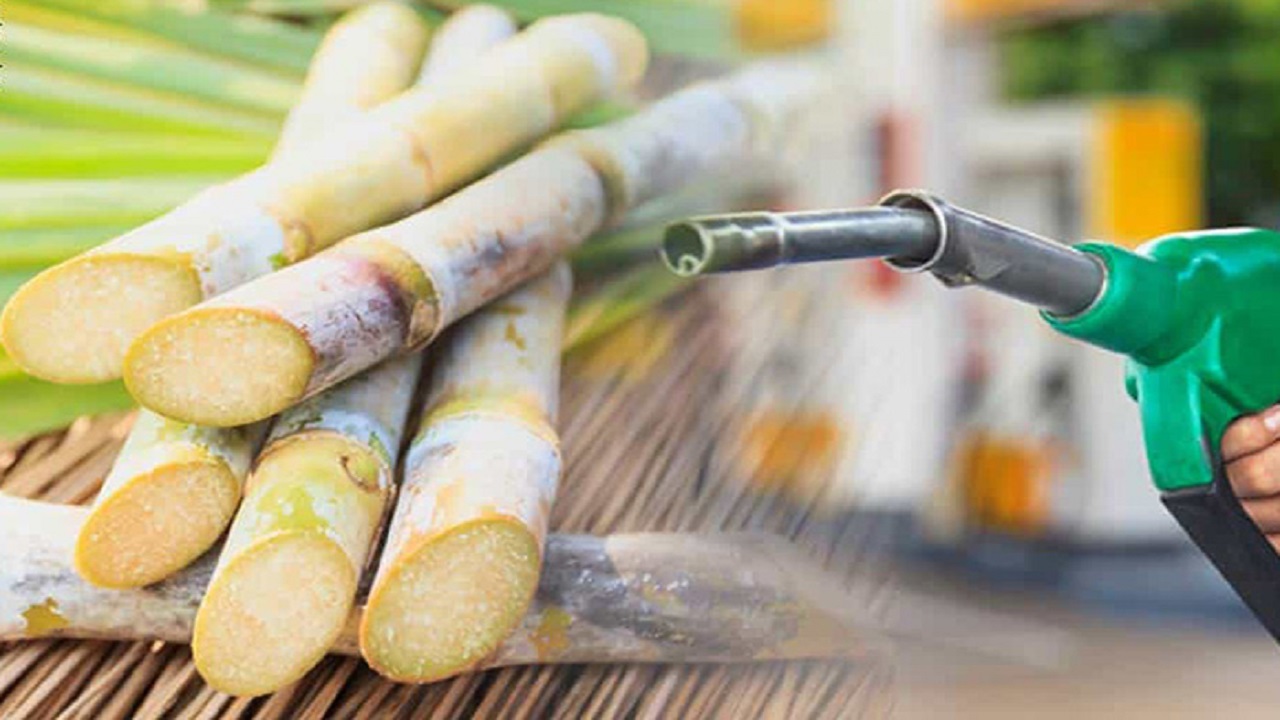
The New Wave of Ethanol Is Coming, and According to the President of Ceise BR, If Brazil Does Not Hurry, It May Be Left Out of the New Expansion of Fuel Due to Very High Taxes
The less pleasant estimates about Brazilian taxes claim that, within a decade, to meet the global fuel market, an injection of 20 billion liters of ethanol per year will be necessary. Ethanol has made significant progress, being important for the environment as it reduces carbon dioxide (CO2) emissions by 70% compared to a petroleum-derived fuel. The scenario is favorable for this biofuel, which is produced from sugarcane and corn, but Brazil may miss out on this growth due to the notorious “Brazil cost.”
Also Read
Ceise BR President Explains Why Brazil May Be Left Out of Ethanol Expansion
According to Luís Carlos Júnior Jorge, president of the National Center of Sugar-Energy and Biofuels Industries (Ceise BR), the country will be left out due to the Brazil cost. He states that we are not competitive regarding the heavy tax burden, but there is still time to fix the situation and prepare Brazil’s base industry for the major ethanol market that is approaching.
-
Petrobras finds high-quality oil in the pre-salt at 113 km from RJ and reignites expectations about strategic reserves in the Campos Basin.

-
Chinese giant worth nearly R$ 4 billion that manufactures cables for electric cars, solar energy, and robotics wants to open a factory in SC.
-
Many employers do not know, but the law guarantees domestic workers a 25% increase in salary during trips, 50% for overtime, 20% for night shifts, and 17 additional benefits that can lead to labor lawsuits if not paid.

-
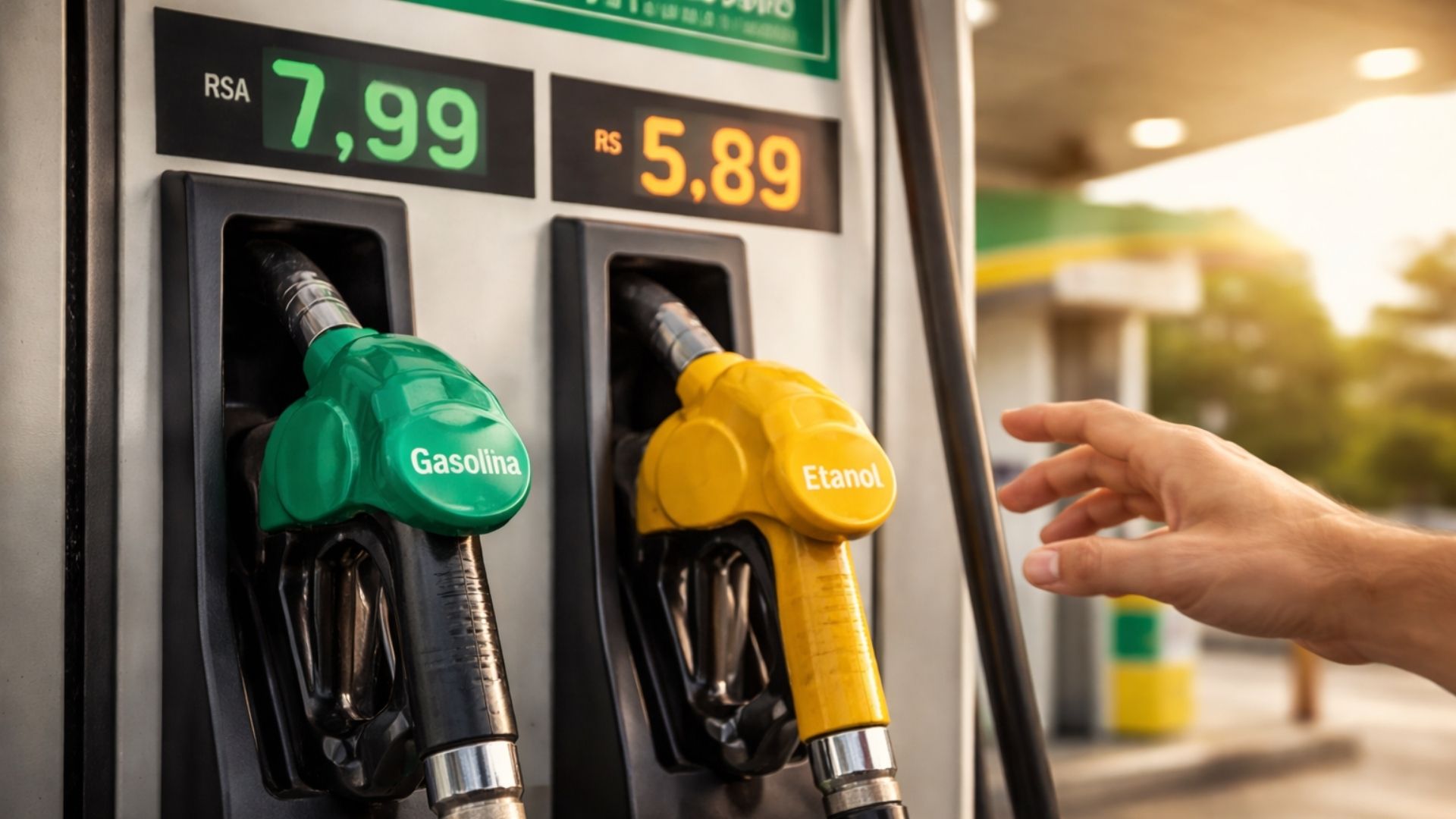
Gasoline prices soar and the question arises: is ethanol more advantageous? The 70% rule reveals the limit with gasoline.
In the coming years, the global anhydrous ethanol market is expected to require an additional demand of 19.4 billion liters per year due to increased blending of the fuel with gasoline in countries like the Philippines, India, Thailand, and China.

The estimate could be even greater, Luís claims. For this, in addition to planting sugarcane or corn, which are the raw materials for ethanol, it will also be necessary to install distilleries and mills. According to him, the base industry, composed of 3,500 companies, is ready and has been waiting for years for this recovery. Currently, we have a 30% idle capacity in the sector, and the closure of several companies in recent years due to a lack of orders shows that the industry is prepared.
The Main Villains of Fuel Expansion in Brazil – Taxes
According to him, for small and medium enterprises, the main villains are high interest rates and taxes that, even with low Selic rates, tend to exceed 10% when obtaining funds.
If we take into consideration, the profit margin is between 3% and 5%, at most. The government needs to understand that it will be a collaborative effort for the base industry to participate competitively in this new fuel expansion; otherwise, it will be virtually impossible.
If Brazil is not quick enough, it will miss the second wave of ethanol, just as it missed the first when ethanol made advances in countries like Colombia and Central American nations. Brazil was left out of the expansion due to taxes.
The Low Competitiveness of Brazil
Brazil’s competitiveness is 30% lower compared to industries in countries like China and India due to the tax burden. In the ethanol wave in Central American countries, Brazil’s costs affected not only the distilleries but also the boilers.
In India, even with inferior technology to ours, the boilers kept up with the wave. Luís states that it would be better to reduce the tax burden, as tax collection increases with higher income. Just like during Geraldo Alckmin’s government in São Paulo, when the ICMS on ethanol had to be reduced, leading to increased collection.
Ethanol Price Skyrockets at Pumps with Growing Consumption and Mills Releasing More Sugar; the Consumer Foots the Bill
Cane harvest failures cause a reduction in ethanol production at Brazilian refineries, and the consumer pays the price, as prices rise at distributors due to a lack of raw material. The estimate is that in the coming weeks, ethanol prices will reach unusually high values at distributors.
Even with some industries not operating at full capacity in the Southeast, other regions have been affected. Experts comment that consumers should replace their vehicles with more sustainable options to save money.
Ethanol Reaches Nearly 5 Reais at Pumps, Making Gasoline More Advantageous in Some Brazilian Regions
Ethanol, which before the pandemic cost an average of R$ 1.99 per liter, has completely changed, reaching R$ 5.00 per liter after a year of the pandemic. Brazilian fuel stations claim that prices have fluctuated due to the impacts of cane harvest failures.
After Bringing a Factory from the U.S. to Brazil, Bosch Bets on Using Ethanol to Power Electric Cars


With the idea of moving away from the need for electric car batteries, the multinational Bosch has decided to bet on ethanol and avoid the stress of plugs and recharges in the new generation of electric vehicles.
The goal is for the new technology from the multinational to compete in the market alongside batteries as a less polluting solution and ultimately making the vehicle lighter than the standard model. The CEO of Bosch advocates that their new fuel cell could revolutionize the automotive industry.

Formado em Jornalismo e Marketing, é autor de mais de 20 mil artigos que já alcançaram milhões de leitores no Brasil e no exterior. Já escreveu para marcas e veículos como 99, Natura, O Boticário, CPG – Click Petróleo e Gás, Agência Raccon e outros. Especialista em Indústria Automotiva, Tecnologia, Carreiras (empregabilidade e cursos), Economia e outros temas. Contato e sugestões de pauta: valdemarmedeiros4@gmail.com. Não aceitamos currículos!









Seja o primeiro a reagir!