Portuguese
  Spanish


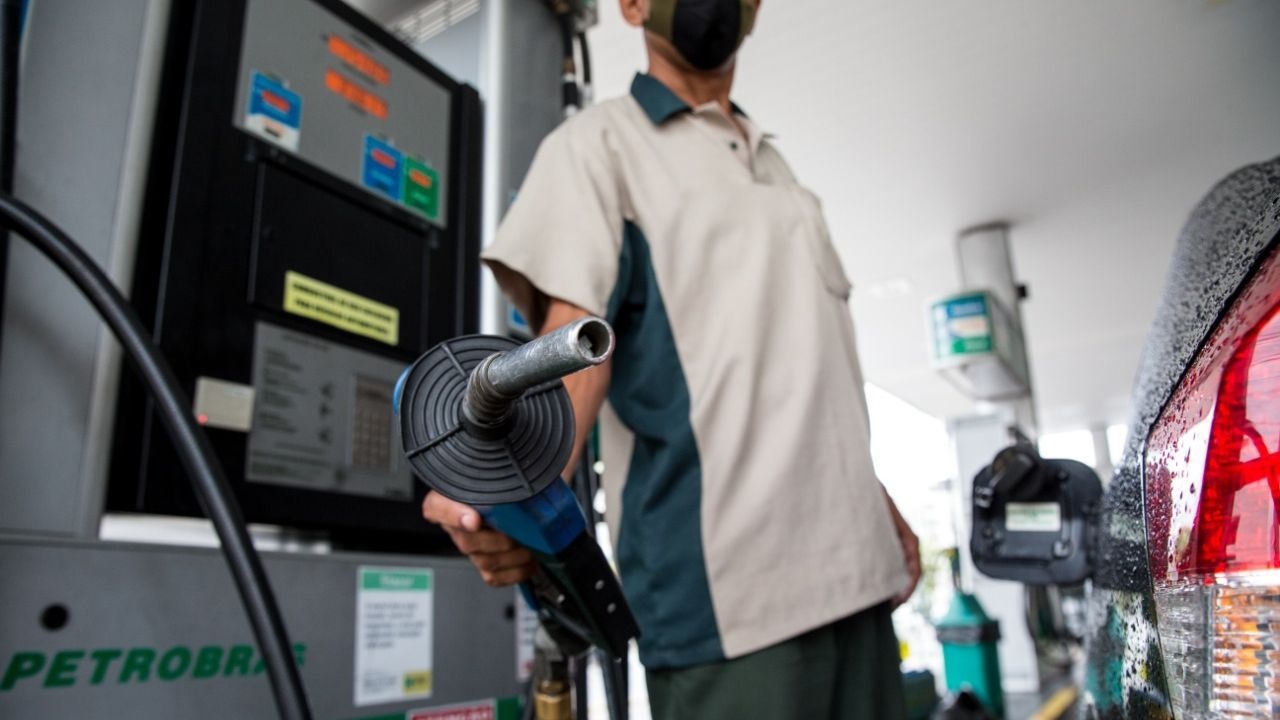

Shortage of Anhydrous Alcohol May Spike Fuel Prices, Cause Ethanol Shortages at Gas Stations, and Gas Stations Must Pass the Increase to Consumers
The exemption from the PIS and Cofins taxes for fuels ended last week, and entrepreneurs in the sector were not at all satisfied. At the time, the measure was created to curb the spikes in gasoline and diesel prices applied by the oil company Petrobras. Now, a new concern arises for entrepreneurs: the shortage of anhydrous alcohol. The lack of the input may spike fuel prices and cause ethanol shortages at gas stations, and in the end, it will hit the pockets of Brazilians.
Read Also
- Ethanol Price Spikes at the Pumps as Consumption Grows and Mills Take More Sugar; Consumers Are Left to Foot the Bill
- Ethanol Price Evaporates at Mills and Exporting the Biofuel to the U.S., the World’s Main Ethanol Consumer, Becomes a Well-Advantageous ‘Salvation’
- Ethanol Production Plummets and Mills Increase Sugar Production Due to the Low Price of Sugarcane
- Hydrogen Mixture with Ethanol Promises to Revolutionize Efficiency and Reduce Fuel Consumption in Flex Engines
- Ethanol Mills and Sugarcane Suppliers Clash Over the Division of Revenue from Carbon Credits Under the Federal RenovaBio Program
- Direct Sale of Ethanol from Mills Will Stimulate Competition and Curb the Rise in Gasoline Prices at Fuel Stations
According to André Marra, owner of gas stations in SP, the increase in components will impact consumers’ pockets, since gas stations cannot absorb the increases alone and therefore need to pass on the price.
“Importers and fuel producers are required to inform ANP about their acquisition and selling prices. Along the way, we have distributors that, for some reason, are not required to inform either their acquisition or selling prices. We, gas stations, are required every day to display our selling price for consumers. As a gas station owner, I would like to have the opportunity to inform not only consumers but also the press and everyone else about the price I pay for fuels,” said André.
-
As Brazil Expands Social Welfare, Survey Reveals 40% Blame Poverty on Laziness, While 58% Cite Lack of Opportunities

-
Brazilian Farmer Invents Low-Cost Tractor Using Motorcycle Parts, Efficiently Working 2 Acres on 1 Liter of Diesel

-
China Tightens Control on Antimony, Driving Prices from $22,000 to Nearly $40,000 per Ton as U.S. Rushes to Bolster Strategic Reserves

-
BlackRock Freezes $1 Billion in Brazilian Renewable Energy, Impacting 1.5 GW of Planned Projects and Highlighting Investor Concerns Over Infrastructure Bottlenecks Cutting Up to 25% of Solar and Wind Generation


Shortage of Anhydrous Alcohol Is Related to the Fact That International Sugar Prices Are High, so Mills Will Prefer to Produce Sugar
The executive director of the Brazilian Association of Independent and Free Fuel Resellers, Rodrigo Zingales, states that the shortage of anhydrous alcohol may be a reflection of market dynamics, based on the interests of the mills. “A sugar and alcohol mill is capable of producing sugar, hydrated ethanol, and, eventually, anhydrous ethanol. What happens is: if international sugar prices are high, the mill will prefer to produce sugar instead of ethanol,” he analyzes.
High Demand for Biofuel in the U.S. May Save Brazilian Mills That Have Operated at Negative Levels
Despite the 2021/2022 sugarcane harvest in Brazil, which began in April, being smaller than the previous one, the demand for ethanol in Brazil is expected to remain high this year due to the lockdowns from the coronavirus pandemic, according to estimates from consultancy StoneX. However, with lower domestic consumption and the high price of corn in the U.S. market, there are opportunities for exporting Brazilian biofuel to the United States, currently the world’s leading consumer of ethanol.
According to experts in the field, even though the market is tracking the new cycle, there is information regarding the strong entry of mills into the futures market to take advantage of high prevailing prices.
Ethanol and Gasoline Prices Spike and Petrobras Increases CNG by 39%
Petrobras announced a 39% increase in the selling prices of Compressed Natural Gas (CNG) to distributors. Starting in May, CNG, the main option for drivers who travel many kilometers daily and try to avoid rising gasoline and ethanol prices, will also impact the pockets of Brazilians. However, even with the increase, refueling with Natural Gas will continue to be advantageous, according to Copergás.
CNG has become popular in Brazil as it is used by app drivers and taxi drivers. This is because it offers better efficiency and is cheaper than ethanol and gasoline. According to the distributor BR, the savings is approximately 60%.
The switch to this fuel gained momentum earlier this year with the spike in gasoline and ethanol prices, which have accumulated increases of 40.76% and 25%, respectively. While the price per cubic meter of CNG is R$ 2.984, gasoline costs R$ 5.328 per liter, and ethanol R$ 3.818 in prices for São Paulo as measured by the ANP (National Agency of Petroleum, Natural Gas and Biofuels).