





 Português
  Inglês
  Espanhol
  3 min de leitura
  0 comentários


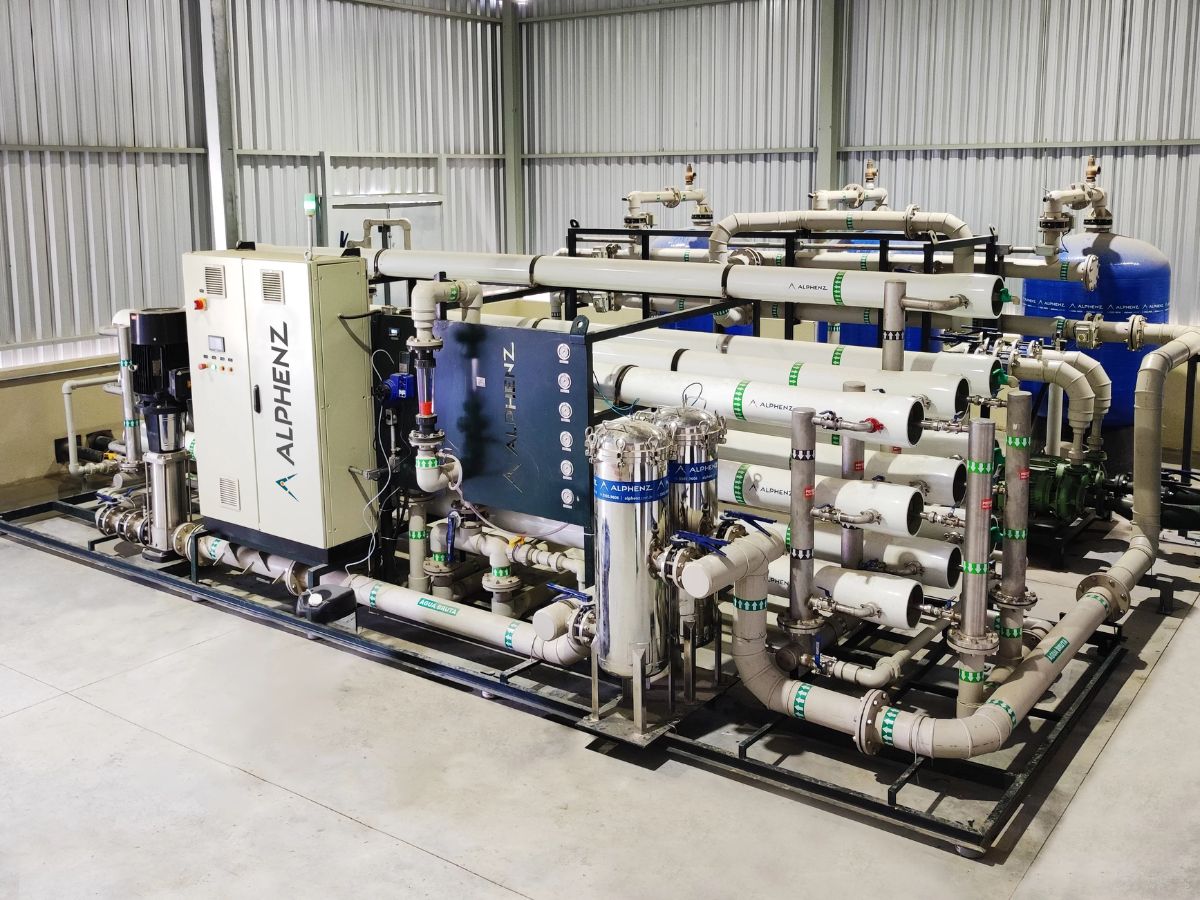
Get To Know The Technology Behind The Filter Of A Desalination Plant, From Its Microscopic Pores To The High Pressure That Makes It The Most Efficient Solution To Combat Water Scarcity
In a world where access to fresh water is a growing challenge, desalination has become a vital solution. The most important technology behind this process is reverse osmosis, which utilizes a high-precision filtration system. The heart of this system is the filter of a desalination plant, a membrane with pores so small that it can separate salt from seawater.
The process requires immense force and cutting-edge engineering to function. This technology not only makes seawater drinkable, but it does so in an increasingly efficient and sustainable manner, as seen in large plants around the world.
What Is Reverse Osmosis And How Does The Filter Of A Desalination Plant Work?
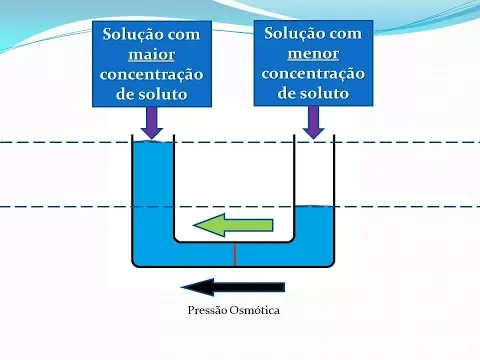
Reverse osmosis inverts a natural process. Instead of water moving from a less salty medium to a more salty one, the technology applies an external force to push seawater against a semi-permeable membrane. This membrane, which is the filter of a desalination plant, has tiny pores.
-
Drought may be creating stronger superbugs in the soil and helping antibiotic resistance reach hospitals, warns a study highlighting a problem that could grow alongside extreme weather.

-
The biggest scam in history: Napoleon’s France deceived the United States by selling them a territory that was Spanish.

-
Why is the Danakil Desert so dangerous? It has unstable terrain and how extreme temperatures and toxic gases turn the region into one of the most hostile environments on Earth.

-
With a height of 221 meters and a capacity for trillions of liters, Hoover Dam still holds a trick that makes water defy logic.

The size of these pores ranges from 0.0001 to 0.001 micrometers. To give you an idea, this is about 500,000 times smaller than the average diameter of a human hair. This fineness allows only water molecules to pass through, blocking salts, minerals, bacteria, and other impurities.
The Force Of Pressure, Why Is More Than 60 Bar Necessary To Desalinate Water?
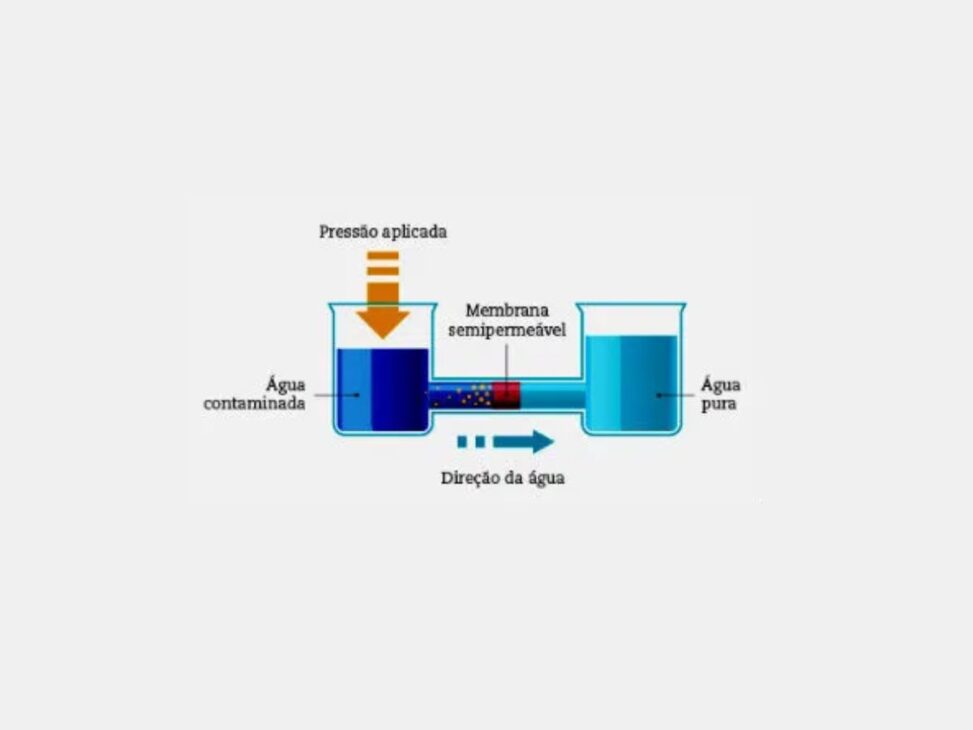
To force water through such small pores and overcome the natural osmotic pressure of saltwater, immense pressure must be applied. In plants that treat seawater, the operational pressure typically required is between 60 and 70 bar.
This high pressure is directly responsible for high energy consumption, which has historically been the biggest challenge of desalination. The high concentration of salt in seawater requires this force for the separation process to occur efficiently, ensuring the production of purified water.
Sorek II In Israel, The Plant That Became A Global Reference In 2025
An example of excellence in this technology is the Sorek II desalination plant in Israel. Considered one of the largest in the world, it began full operations in early 2025 and set a new standard for sustainability in the sector.
The plant has the capacity to produce 200 million cubic meters of drinking water per year. Sorek II Stands Out For Its Innovations, Such As A Self-powered Energy Station And A System That Captures CO2 To Use It In The Water Remineralization Process, Reducing Its Carbon Footprint By 30%.
The Revolution In Energy Efficiency Of Desalination
The high energy consumption of reverse osmosis has been drastically reduced thanks to Energy Recovery Devices (ERDs). This technology harnesses the hydraulic energy of the concentrated brine, which exits the system under high pressure, and transfers it back to the feed water.
With the use of ERDs, energy consumption in cutting-edge plants has dropped to around 2.08 kWh per cubic meter of water. This innovation Has Made Large-scale Desalination Much More Economically Viable, Boosting Reverse Osmosis As The Dominant Technology In The World.
The Challenges Of The Technology, Brine Management And Filter Lifespan

Desalination is not without its challenges. The main byproduct of the process is brine, water with a salt concentration even higher than that of seawater, which needs to be safely disposed of back into the ocean to avoid harming marine life.
In addition, the filter of a desalination plant is susceptible to the accumulation of organic matter and minerals, which requires rigorous pre-treatment of the water and periodic maintenance. The Lifespan Of A Reverse Osmosis Membrane Averages 2 To 5 Years, Depending On Water Quality And Maintenance.








Seja o primeiro a reagir!