





 Portuguese
  English
  Spanish
  3 min of reading
  0 comments


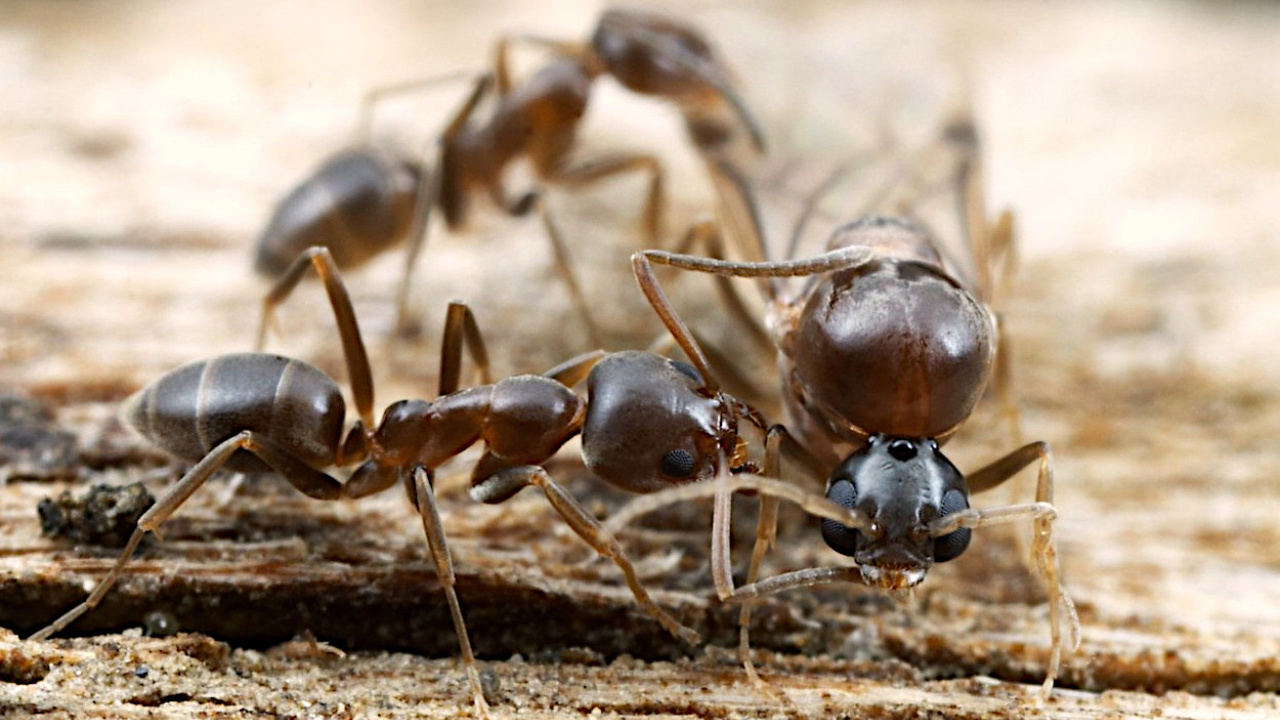
Research In Argentina Reveals That Native Fungus Beauveria bassiana Eliminates More Than 80% Of Argentine Ants In Up To Five Days, Offering Sustainable And Effective Biological Control
Researchers in Argentina have taken an unprecedented step in the biological control of Argentine ants, one of the planet’s most destructive invasive species. The breakthrough comes from a strain of native fungus that offers a sustainable alternative to traditional chemical methods.
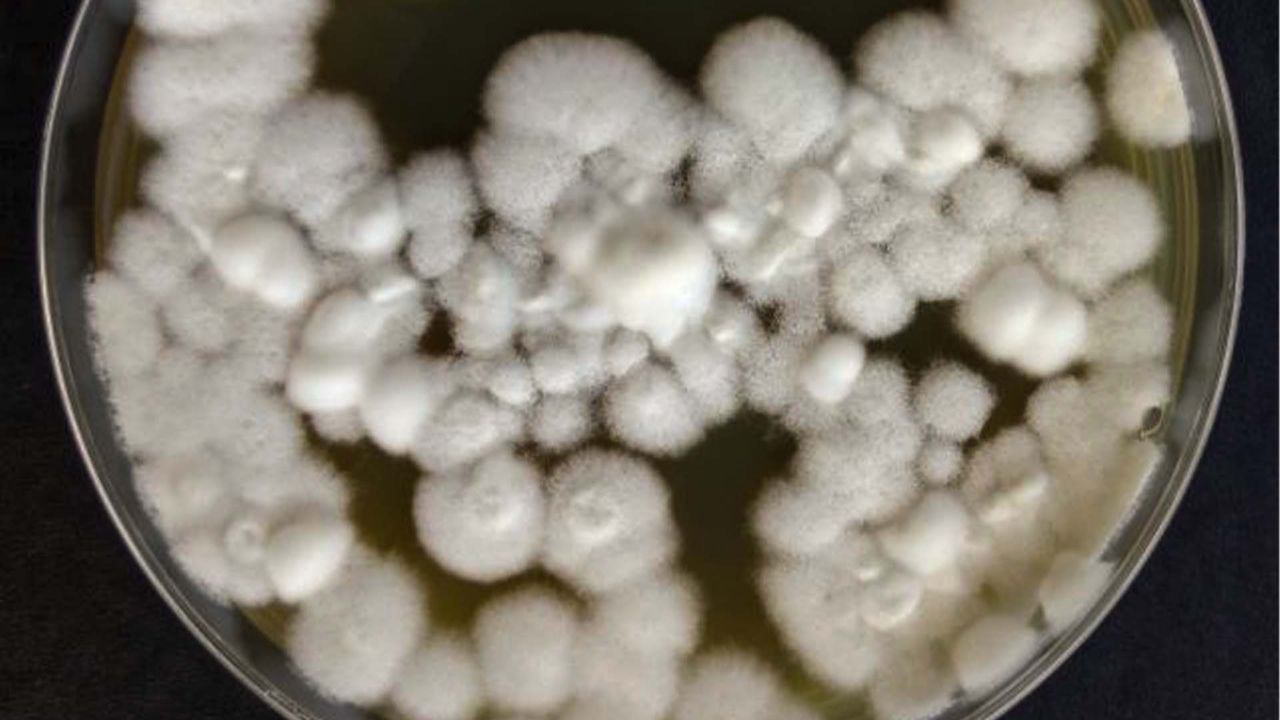
The Li053 strain of the entomopathogenic fungus Beauveria bassiana was tested in the laboratory and caused over 80% mortality in workers of the species Linepithema humile.
In just two to five days after exposure to the fungus, the ants began to die, revealing the potential of the microorganism as a combat tool.
-
Japan is transforming dirty diapers from babies and the elderly into an ambitious and surprising project that could forever change the way the world deals with one of the most difficult types of waste to dispose of.

-
Goodbye to waste: a Brazilian created a revolutionary brick that uses construction debris, has already entered the markets of the United Kingdom and the USA, and promises to shake up the global construction industry.
-
China has created a mass-produced hypersonic missile that costs the same as a Tesla, and this is changing everything in modern warfare because the United States cannot defend itself without spending millions.

-
100% Brazilian technology transforms agricultural waste into a meat-scented ingredient using fungi from the Amazon rainforest. The process does not use excessive water or chemicals, and it also increases the nutritional value of the final product.

The Danger Of Argentine Ants
Argentine ants form supercolonies that spread over vast regions, eliminating native species and disrupting ecosystems.
They have also become a headache for the agricultural sector and beekeeping: they invade hives, forcing bees to abandon their nests, protect pests such as aphids, and damage irrigation hoses by puncturing them.
The use of insecticides has been the main control strategy. However, it is an expensive solution, ineffective in the long term, and harmful to non-target organisms, such as pollinators and natural predators.
A Sustainable And Effective Solution
In search of less aggressive alternatives to the environment, the team led by scientists Patricia Folgarait and Daniela Goffré isolated six strains of fungi from dead ants collected in natural reserves in the province of Buenos Aires.
The laboratory tests involved three application methods: topical, spraying, and immersion. Each of them was applied to workers from four different supercolonies.
The Li053 strain of B. bassiana stood out in all cases, causing high mortality regardless of the origin of the ants or the type of inoculation.
Results That Impress
Infection by the fungus was confirmed in up to 92% of the analyzed carcasses. Additionally, higher concentrations of spores increased lethality and accelerated the time to death.
The median lethal dose (LC50) was estimated at 1 x 10⁶ conidia/mL, a promising rate for the development of bioinsecticides.
Other tested strains also caused deaths, but without recovery of the fungus from the bodies, which may indicate external causes or limitations in colonization.
The Li053, however, showed consistent and reliable performance.
Potential For Field Application
The use of a natural enemy like B. bassiana Li053 is promising as it is a specific, safe, and sustainable solution.
Being a native fungus species from the region, the risk of environmental imbalance is lower, favoring its large-scale application.
The next steps of the research involve field tests, commercial formulations, and in-depth ecological studies to ensure the environmental safety of use in open areas.
This advancement represents a new stage in tackling Argentine ants with technologies aligned with ecological management.
Click Here To Read The Research.








Seja o primeiro a reagir!