





 Portuguese
  English
  Spanish
  3 min of reading
  10 comments


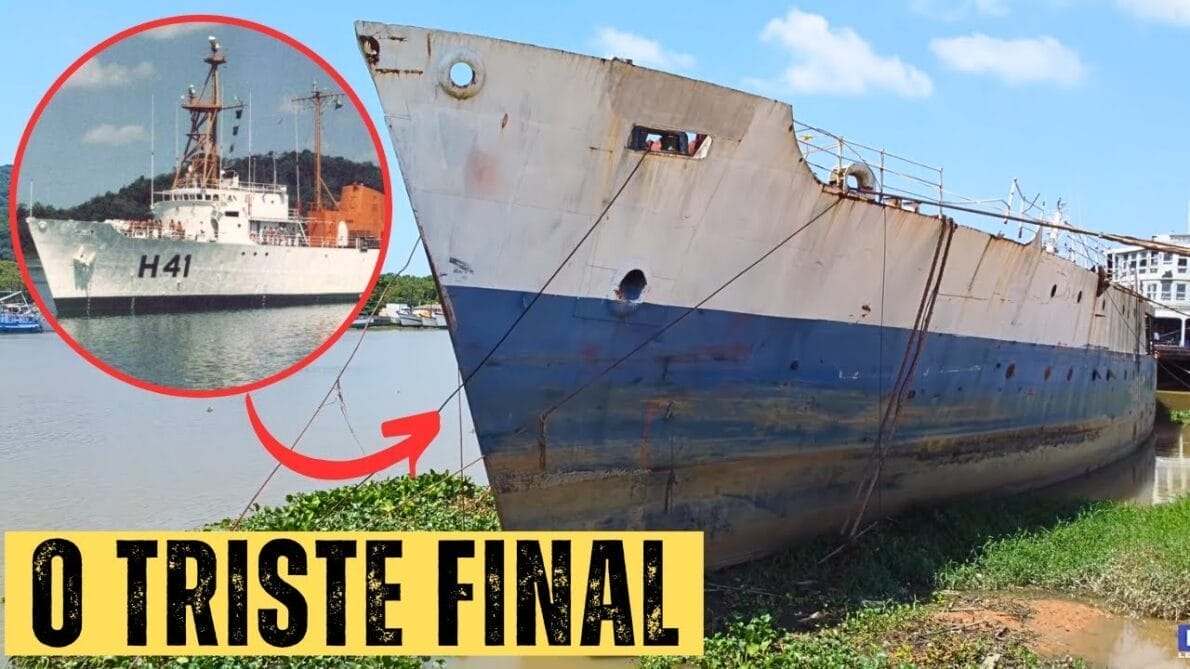

Know The History Of The Ship Admiral Câmara, Which Has Several Missions For The Brazilian Navy And United States, But Is Currently Abandoned On The Banks Of The Itajaí-Açu River.
How did a ship built in North America to serve the United States Navy end up abandoned on the banks of the Itajaí-Açu River? In this article, we will explore a bit of the history of the old ship Admiral Câmara, which also served in the Brazilian Navy and today lies as a pile of scrap.
The Trajectory Of The Ship Admiral Câmara
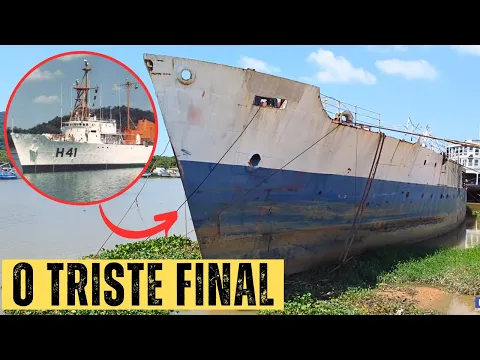

The ship Admiral Câmara began construction on August 23, 1962, by the Marieta Company, located in the state of West Virginia, United States. With hull number 911, the first of three ships of this type made for the United States Navy by the Builder, the ship was launched on September 14, 1963, sponsored by Miss Priscila Sands, accepted by the navy, and placed into service in what was then the Military Sealift Service on February 2, 1965, with Captain Jorge W. in command of the vessel.
In the United States Navy, the ship Admiral Câmara was named Sands and carried out several research and study missions. It conducted oceanographic geophysical research at sea and carried out experiments in underwater sound propagation.
-
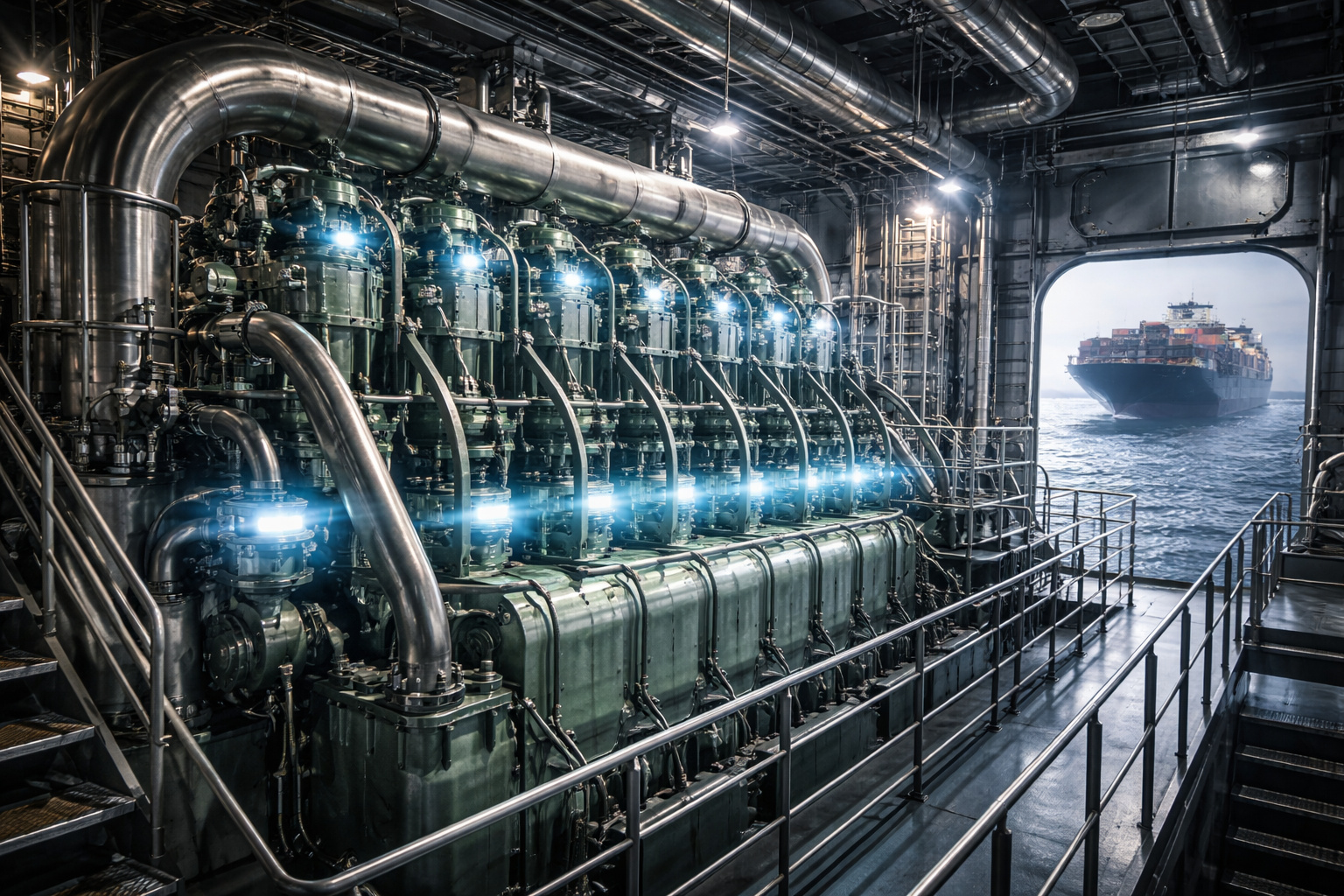
Europe is trying to create an ammonia-powered marine engine without auxiliary fuel, which could unlock the race for giant emission-free ships. The technology aims to eliminate one of the biggest obstacles to clean maritime propulsion.
-
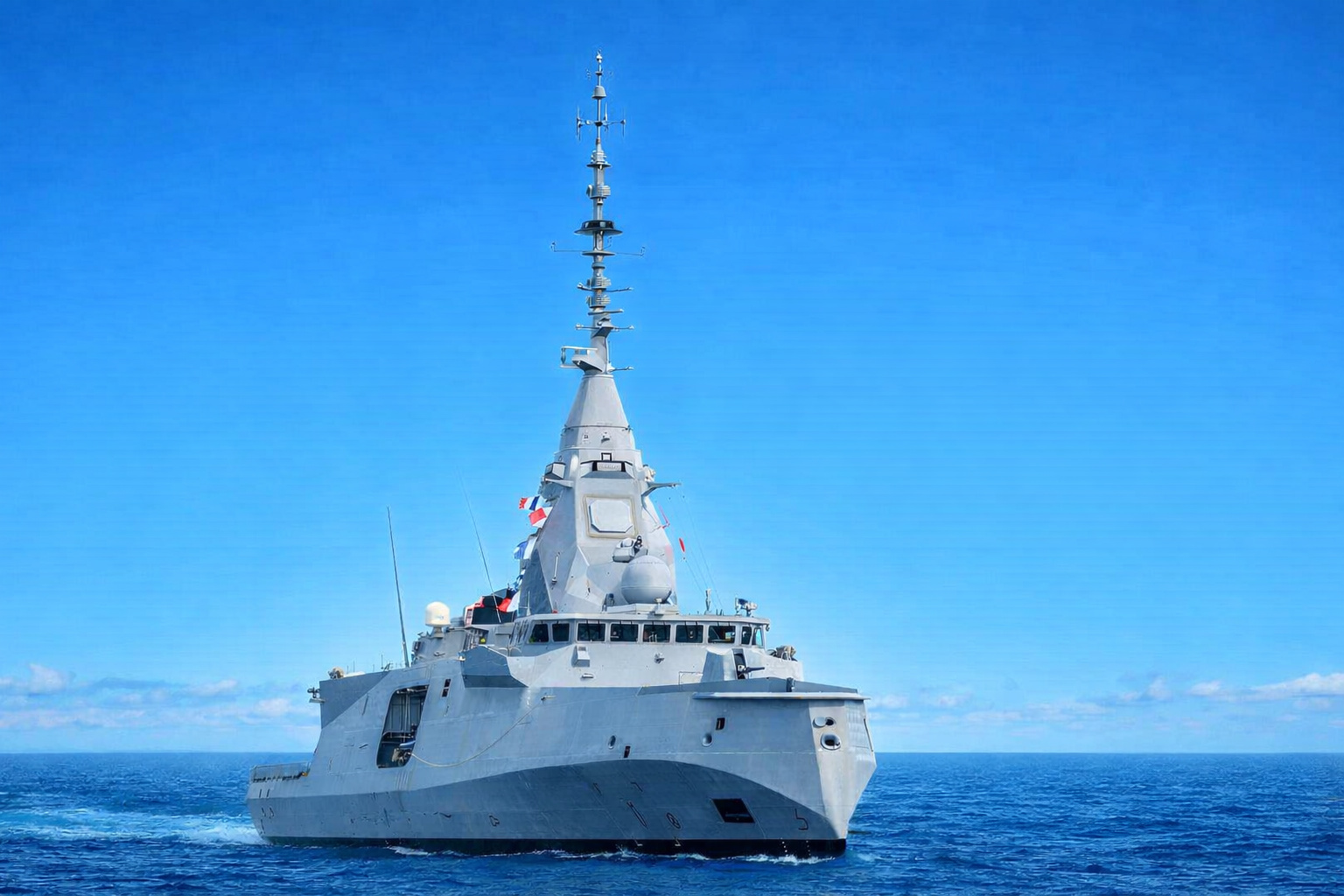
A 4,500-ton frigate with just over 100 crew members, state-of-the-art radar, and cruise missiles is being touted as the new standard of naval warfare in the 21st century.
-
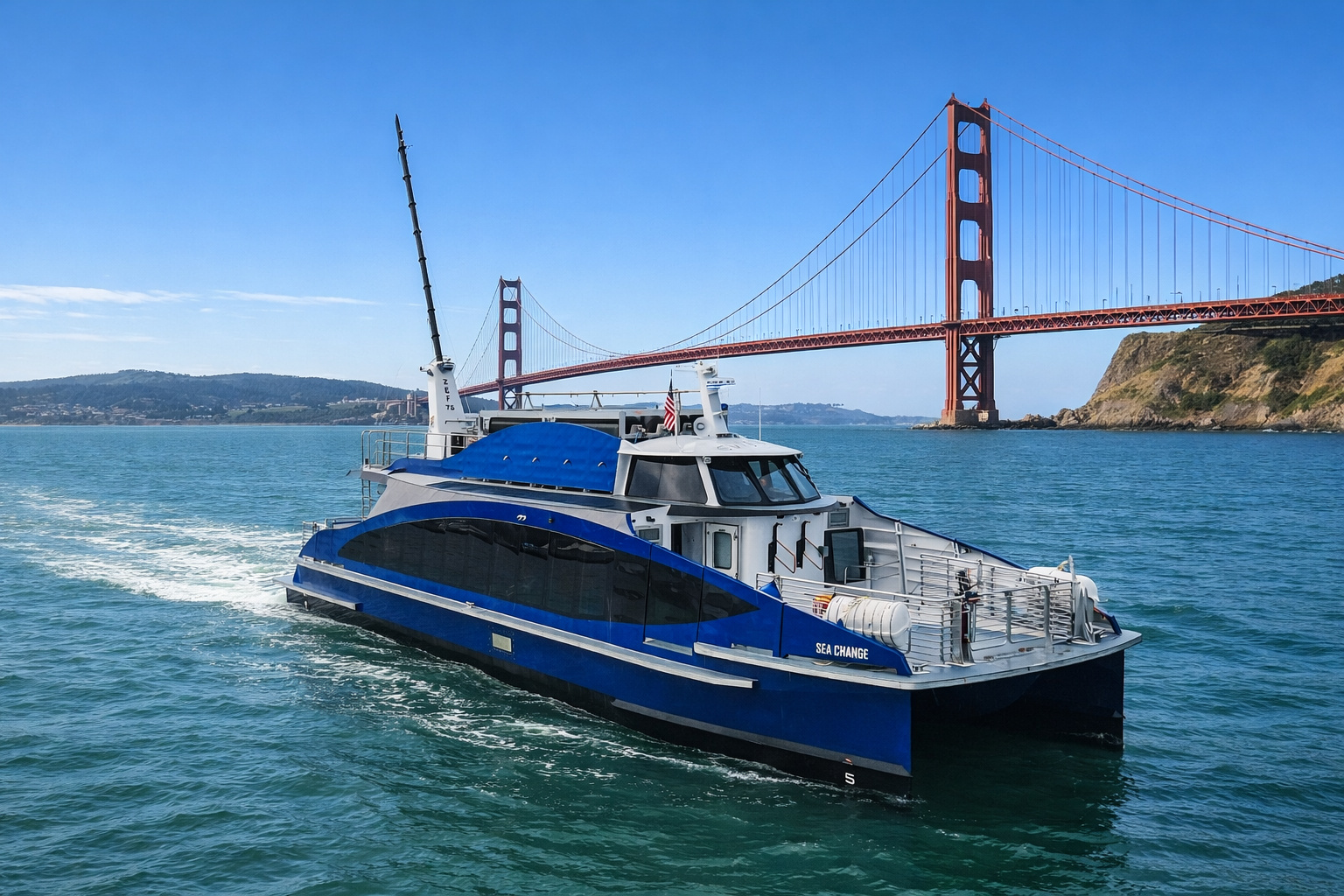
The first commercial hydrogen-powered ferry enters operation in the U.S., eliminates the use of diesel, uses fuel cells to generate clean energy on board, and transforms San Francisco Bay into a landmark of the new era of emission-free navigation.
-
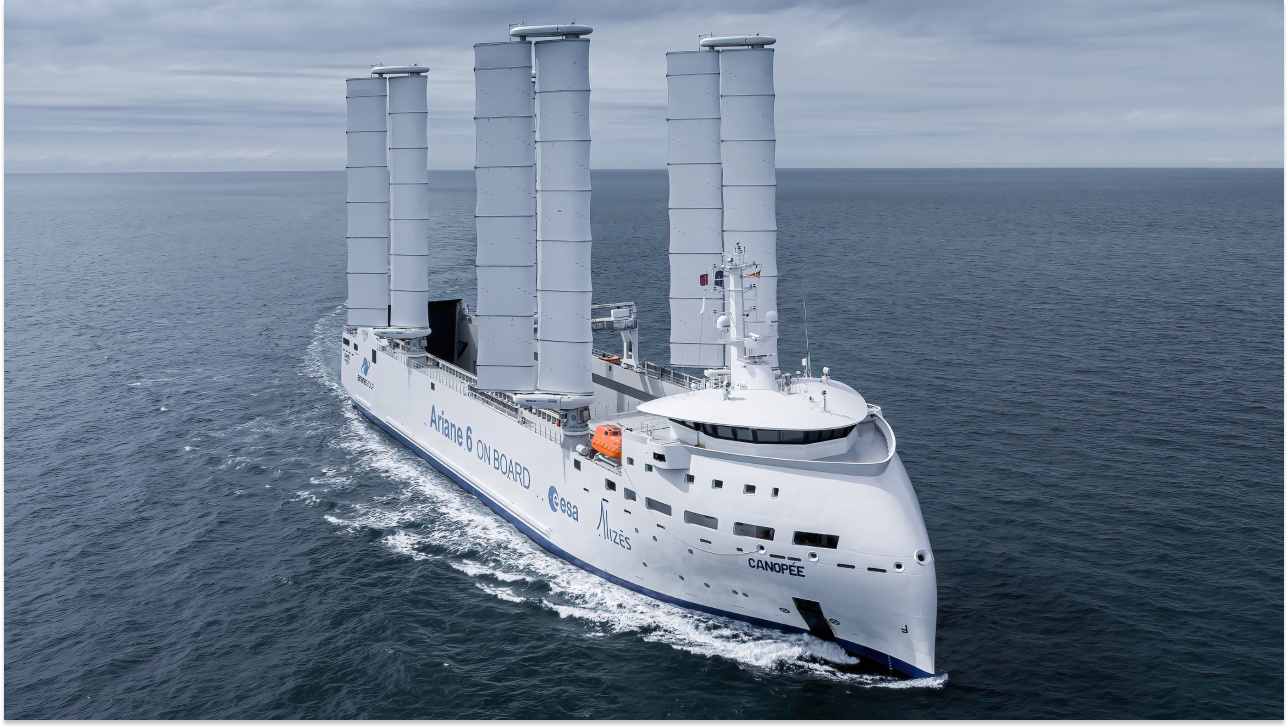
With a length of 121 meters and four rigid sails of 36 meters that automatically rotate to capture the wind, Canopée is the world’s first hybrid industrial cargo ship powered by wind, used to transport rockets and reduce fuel consumption by up to 30% on transoceanic routes.

In one of the missions, for example, in the early 1970s, the vessel deployed large vertical acoustic arrays on the seabed in the Tropical Atlantic. These arrays were unique for having long-term recording capabilities, allowing for the collection of acoustic data for several months on the seabed.
On July 1, 1974, the ship was leased by the Brazilian Navy and renamed Ship Admiral Câmara, in honor of a great supporter of Brazilian hydrography, Admiral Antônio Alves Câmara Júnior.
Brazilian Navy Bought The Ship In The 90s
In 1990, a purchase contract for the ship was signed by the Brazilian Navy at the end of the lease. The Admiral Câmara was involved in research in the South Atlantic for Brazil, including international operations with research and hydrography ships from the United States Navy and also carried out several support missions for the Brazilian Antarctic Program. In June 2002, it underwent the Extraordinary Efficiency Inspection, conducting 8 days at sea and sailing 850.7 miles.
The ship Admiral Câmara was decommissioned on August 7, 2003, in a ceremony at the Naval Base of Rio de Janeiro and subsequently sold at auction in 2004. The hull of Admiral Câmara was auctioned by Emgepron for 300 thousand reais and was sold for 425 thousand reais.
How Is The Ship Admiral Câmara Currently?
A businessman from the Itajaí Valley bought the ship at auction and towed it for navigators with the intention of transforming the Ship Admiral Câmara into a yacht, however, the project did not go forward, perhaps due to a lack of financial resources.
To give you an idea, the vessel has a length of 63.70 meters, 11.89 m of beam, and 4.90 m of draft. Its propulsion was provided by 2 Caterpillar D-378 diesel engines and one electric motor, generating 1,000 shp, coupled to 1 shaft with a controllable pitch propeller.
Equipped with a Bow Thruster and an auxiliary maneuvering propeller powered by a 620 hp gas turbine. It carried 211 tons of fuel, reaching a maximum speed of 13.5 knots.
Its range is 10,000 nautical miles at 12 knots. Additionally, its crew can accommodate up to 41 men, consisting of 8 officers, 18 ratings, and 15 oceanographers.






Eu estou trabalhando nele
Estamos cortando ele para sucata
Tive a hora de fazer parte da tripulação do H41 de1991 a 1994
Na época como CB EL Fernandes
Adiquiri muita experiência
Hoje resta apenas saudade
Almirante Camara é o Símbolo da Arte
Tive a honra de servir nesta belonave… fizemos a LEPLAC , área sudeste/sul….