





 Portuguese
  English
  Spanish
  3 min of reading
  41 comments





Federal Revenue Has Begun to Monitor Transactions Above R$ 5,000 for Individuals and R$ 15,000 for Companies. Stores and Services Are Already Restricting Payments via PIX to Avoid Tax Complications. Consumers Should Be Aware to Avoid Issues with the Tax Authorities. Find Out What Changes with This New Regulation.
Amid the Growing Popularity of PIX as a Fast and Practical Payment Method, a New Trend Has Started to Attract the Attention of Brazilian Consumers.
Some establishments Are Limiting or Even Refusing Payments via PIX, Especially for High-Value Transactions.
What Could Be Motivating This Change in a System That Revolutionized the Financial Market?
-
The Argentine government celebrates the lowest poverty rate in 7 years, but experts warn that the methodology has changed, real wages have fallen, unemployment has risen, and the number of people on the streets of Buenos Aires has increased by 57% since Milei took office.

-
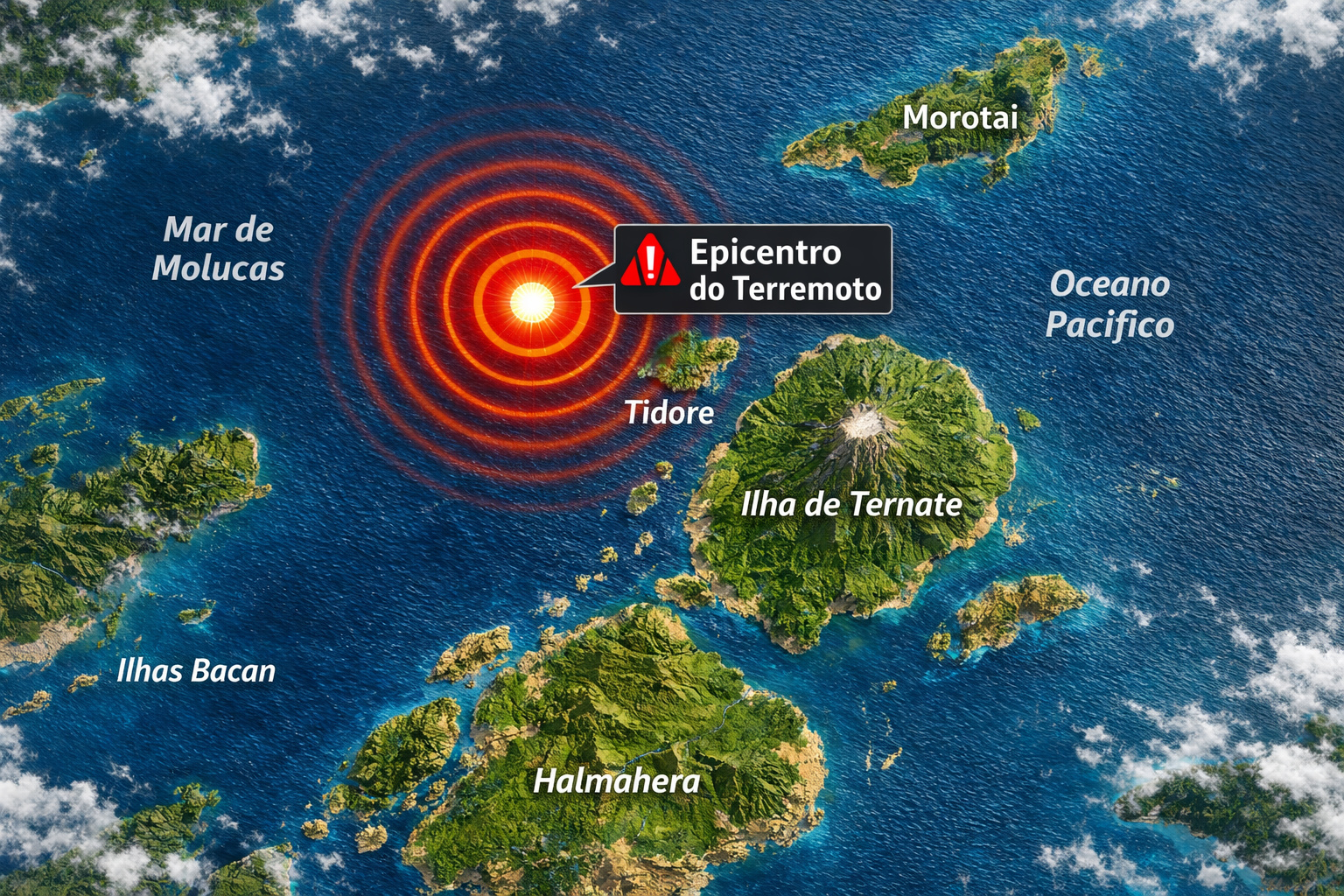
7.8 magnitude earthquake in Indonesia frightens the population, triggers tsunami alert, and hits an island with over 200,000 inhabitants this Thursday.
-
Google will finally let you change that embarrassing Gmail address you created in your teenage years without losing any accounts, logins, or old emails: the feature is already available in the United States.

-
The institute that trained the greatest aerospace engineers in Brazil has just opened its first campus outside São Paulo after 75 years: ITA Ceará will have R$ 445 million, new courses in energy and systems, and classes are expected to start in 2027.


The Answer Involves New Requirements from the Federal Revenue That May Directly Impact Consumers and Merchants.
The New Rule from the Federal Revenue
The Federal Revenue Has Implemented a New Measure That Requires Monitoring of Financial Transactions Above R$ 5,000 for Individuals and R$ 15,000 for Companies.
This Monitoring Extends to Transactions Carried Out by Credit Card Operators, Such as Card Machines, and Other Payment Institutions, Including PIX. Prior to This Change, Only Public and Private Banks Were Obligated to Report This Data to the Tax Authorities.
According to Political Journalist Fábio Kamoto, This Change Aims to Intensify Control Over Digital Financial Operations.
“The Federal Revenue Wants to Ensure That High-Value Transactions Are Properly Declared, Which Could Deter Fraud and Tax Evasion”, Analyzed Kamoto on His Eponymous Website.
Impacts for Consumers and Companies
This New Requirement Has Raised an Alarm for Consumers and Business Owners. Individuals Who Make Transactions Exceeding R$ 5,000 and Companies That Exceed R$ 15,000 Must Accurately Declare These Transactions to Avoid Issues with the Tax Authorities.
According to Fábio Kamoto, Failure to Adequately Declare May Result in Fines and Investigations.
“It Is Essential That Consumers and Businesses Pay Attention to the New Rules to Avoid Being Surprised by Penalties”, Highlighted the Journalist.
In Addition to PIX, the Measure Also Affects Transactions Made by Debit Cards, Withdrawals, Deposits, and Even Digital Currencies.
This Means That Any High-Value Financial Movements Must Be Properly Recorded and Declared.
The Reaction of Commerce
With the New Regulation, Many Merchants Have Started to Adapt. Some Have Imposed Limits on Payments via PIX, While Others Have Started Refusing Transactions Above Certain Values.
The Intention Is to Avoid Tax Complications and Possible Fines.
However, This Adaptation Is Not Universally Accepted. Some Business Owners Fear That This Restriction May Drive Away Customers and Harm Sales.
PIX Has Become an Essential Tool for Commerce Due to Its Speed and Lack of Fees Compared to Other Payment Methods.
Fábio Kamoto Assesses That the Situation Requires Balance.
“The Challenge Is to Adapt to the New Requirements Without Losing Competitiveness. Retailers Need to Find Ways to Comply with the Law Without Alienating Consumers”, Opined the Journalist.


What to Expect Going Forward with PIX
The Trend Is That More Establishments Will Adopt Restrictive Policies for Transactions via PIX While Adjusting to the New Standards.
Consumers Should Be Alert to Changes in Payment Policies and Ensure That Their Transactions Comply with Tax Requirements.
According to Kamoto, the Scenario May Evolve. “The Federal Revenue Will Continue Adjusting the Rules as the Market Responds. Therefore, Keeping Up with Updates Is Crucial to Avoid Unpleasant Surprises”, Warned.
For Those Who Prefer Security in Transactions, Considering Other Payment Methods May Be an Alternative Until the Rules Are Clearer.
And Now?
The Increase in the Federal Revenue’s Monitoring of Financial Transactions May Be Changing the Behavior of Stores and Consumers in Brazil.
PIX, Once Widely Accepted, Begins to Face Restrictions, Especially for High Amounts.
Companies Are Adapting to Avoid Tax Complications, and Consumers Need to Pay Extra Attention When Declaring Their Transactions.
How Do You View This Change in the Market? Do You Think Restrictions on PIX Could Negatively Impact Brazilian Commerce? Leave Your Opinion in the Comments!









Na realidade que iria taxar o PIX em 0,15% era o Bolsonaro e seu ministro Paulo Guedes, mas como o Bolsonaro perdeu, não conseguiu. É SÓ PESQUISAR E VERÃO A VERDADE…
Mudou para melhor. A receita a muitos anos recebe informações sobre as movimentações bancárias e de cartão acima de R$ 2.000 para pessoa física. Agora só vai receber de quem movimenta mais que R$ 5.000.
Se vc receber por cartão, pix, depósito em conta ted, e em dinheiro se vc depositar na conta também.
Outra mudança é que a receita recebia as informações mensalmente agora vai receber semestralmente
Governo precisa de dinheiro não sabe da onde tira ele está tentando de todos lado!