





 Português
  Inglês
  Espanhol
  4 min de leitura
  11 comentários


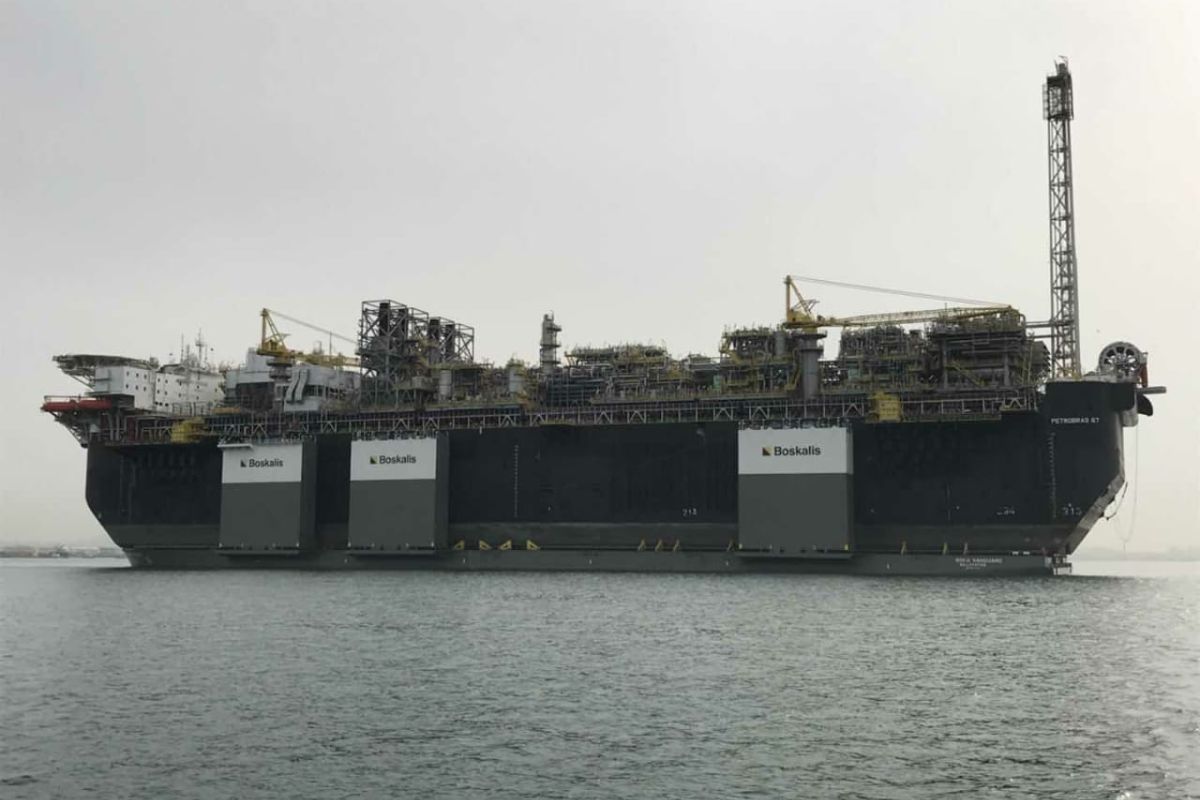


Built In China And Installed In The Largest Pre-Salt Field In Brazil, The FPSO P-67 Is A Symbol Of The Deep Energy And Industrial Partnership Between Brazil And China That Made The Asian Country The Main Destination For Our Oil.
In The Heart Of The Brazilian Pre-Salt, More Than 200 Km Offshore, Operates A Colossus Of Steel That Is Much More Than An Oil Platform. The FPSO P-67, One Of The Largest Production Units In The World, Is The Portrait Of One Of Brazil’s Most Important Strategic Partnerships In The 21st Century. Its Story, From Conception To Operation, Reveals How The Need To Drain The Wealth Of The Tupi Field Connected With China’s Hunger For Energy, Creating A True Oil Bridge Between The Two Countries.
Financed By Chinese Banks, Built In A Chinese Shipyard, And Producing The Oil That Primarily Fuels The Chinese Market, The P-67 Is The Physical Proof Of A Decade Of Agreements That Redefined Global Energy Geopolitics.
From The Petrobras “Replicants” To Construction In China
After The Discovery Of The Pre-Salt In 2006, Petrobras Needed A Fast And Efficient Way To Extract Oil. The Solution Was The “Replicant FPSOs” Strategy: A Series Of Eight Platforms With Standardized Designs To Accelerate Production. The P-67 Was One Of Them, Designed To Operate In The Giant Tupi Field.
-
The world’s first octopus farm wants to open in the Canary Islands and is already provoking an international reaction: the plan aims to produce 3,000 tons per year.

-
Drought may be creating stronger superbugs in the soil and helping antibiotic resistance reach hospitals, warns a study highlighting a problem that could grow alongside extreme weather.

-
The biggest scam in history: Napoleon’s France deceived the United States by selling them a territory that was Spanish.

-
Why is the Danakil Desert so dangerous? It has unstable terrain and how extreme temperatures and toxic gases turn the region into one of the most hostile environments on Earth.


The Original Plan Was To Build Most Of The Platforms In Brazil. However, A Deep Crisis In The National Shipyards, Marked By Delays And Investigations From Operation Car Wash, Paralyzed The Projects. In May 2015, The Solution Found Was To Transfer The Construction And Integration Of The P-67 To The COOEC Shipyard In China. For The Chinese, It Was A Historic Contract That Consolidated Their Shipbuilding Industry As One Of The Most Advanced In The World.
The Engineering Behind The FPSO P-67
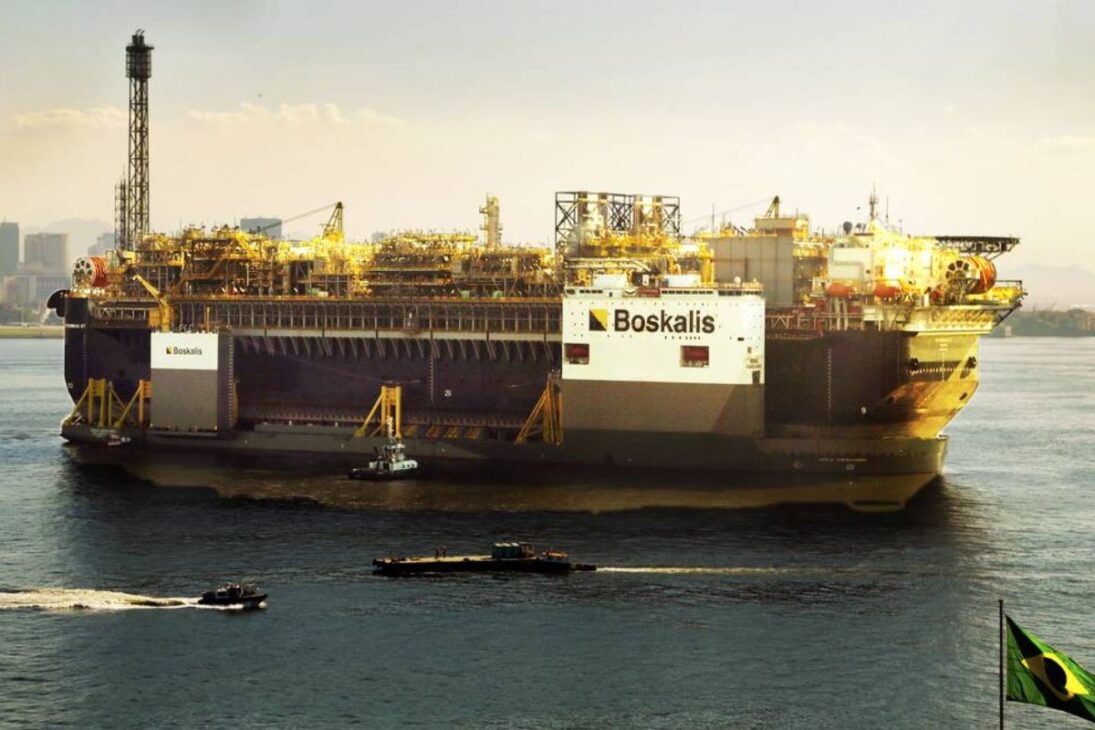
The Dimensions And Capacities Of The FPSO P-67 Are Impressive. The Platform Is Over 300 Meters Long And Can Process Up To 150,000 Barrels Of Oil Per Day, With A Capacity To Store 1.6 Million Barrels In Its Tanks.
After Completion In China In May 2018, Its Journey To Brazil Was An Engineering Operation In Itself. The 90,000-ton Platform Was Transported In A “Dry Tow” Aboard The Semi-Submersible Vessel Boka Vanguard. The Journey Lasted About 45 Days And Set A World Record As The Heaviest Load Ever Transported By This Method.
The P-67 In The Tupi Field In February 2019
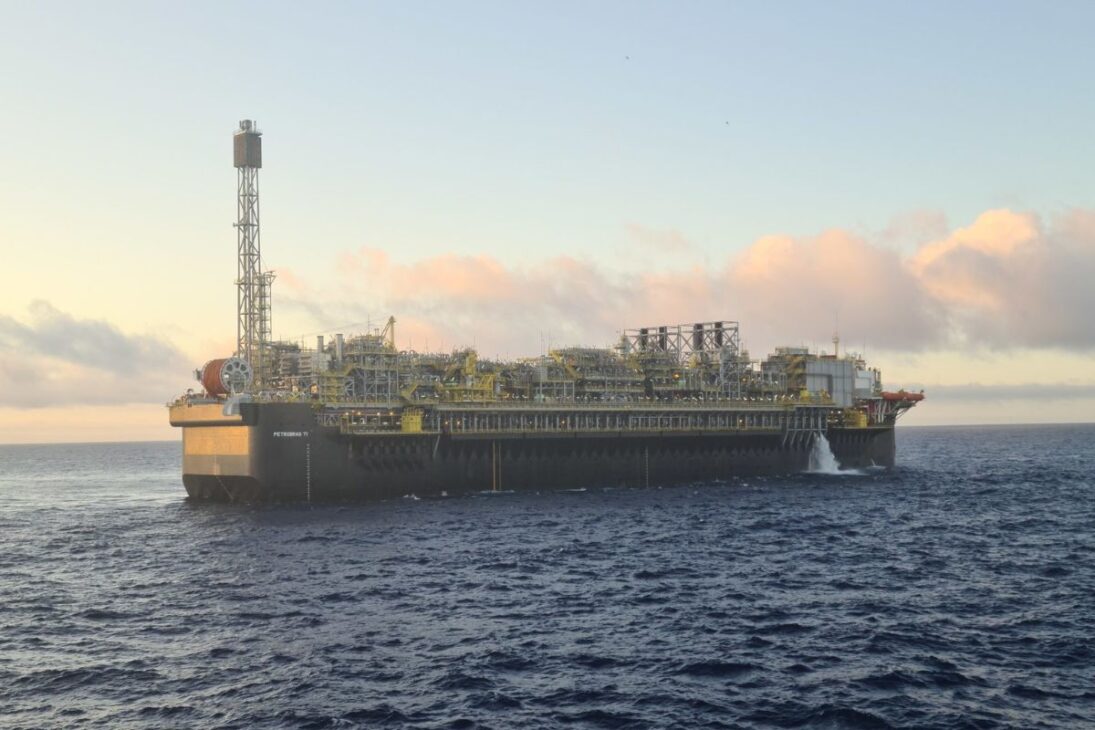
After Arriving In Rio De Janeiro In July 2018 For Final Adjustments, The FPSO P-67 Was Installed At Its Final Destination. In Early February 2019, The Platform Extracted Its “First Oil”, Officially Starting Its Operation In The Lula Norte Area Of The Tupi Field, The Largest And Most Productive Oil Field In Brazil.
The Commencement Of The P-67’s Operations, Along With Other Platforms During The Same Period, Was A Crucial Factor In The Significant Increase In Brazilian Pre-Salt Production In The First Half Of 2019, Consolidating The Country’s Position As An Energy Power.
The Brazil-China Oil Bridge: Financing, Construction And Export
The Story Of The FPSO P-67 Cannot Be Told Without Mentioning The Strong Financial Relationship Between Brazil And China. During The Petrobras Crisis, From 2014 To 2017, Chinese State Banks Became The Main Creditors Of The Brazilian Company Through “Oil Loan” Agreements.
These Loans Ensured That Petrobras Had The Necessary Capital To Continue Its Projects, While China Secured Long-term Supply Of Brazilian Oil. The Result Was An Impressive Surge In Exports: China’s Share As A Destination For Our Oil Jumped From 20% In 2014 To 63% In 2019, Making The Asian Country Our Main Customer.
The Destination Of The First Oil Load From The P-67
A Central Question Was Whether The First Load Of 1 Million Barrels Of Oil From The P-67 Went Completely To China, As A Symbol Of This Partnership. A Rigorous Analysis Of Available Sources Shows That There Is No Direct Confirmation Or Documentation Proving The Specific Destination Of This Inaugural Load.
However, The Absence Of This Pointing Evidence Does Not Diminish The Importance Of The Relationship. The Context Is Clear: Most Of The Oil Produced By The FPSO P-67 Since 2019 Has Indeed Had China As Its Final Destination. The True Symbolism Of The Platform Does Not Lie In A Single Ship, But In The Entire Chain It Represents: Funded, Built, And Largely Consumed By The Same Partner Nation, China.







Construído na China uma ova, a metade do casco sim e ainda com muita reparação de ultrason, a outra metade do casco e todo o resto é mérito de todos os brasileiros que trabalharam muito noite e dia para que ficasse pronto, sabem a onde ? No estaleiro rio grande no Rio Grande do Sul ( idade de rio Grande), e agora o mérito é dos chinas.
Nossos governantes são mesmo uma mera, deveriam dar mérito aos nossos proficionais, nao aos chineses, **** de corruptos miseráveis.
Parabéns sim ao nosso povo que construiu com muito sucesso e competência esta plataforma.
Orgulho de ser brasileiro.
A maioria dos comentários revelam pura e simplesmente muito desconhecimento, realizando uma crítica nacionalista fácil. Como disse o colega acima, melhor consultar os dados para conhecerem a realidade do negócio.
Brasil colônia, saem os americanos entram os chineses, e a mídia fala em excelente negócio, excelente para quem, cara pálida?