





 English
  Francês
  Alemão
  Italiano
  Japonês
  Norueguês
  Portuguese
  Spanish
 4 min of reading


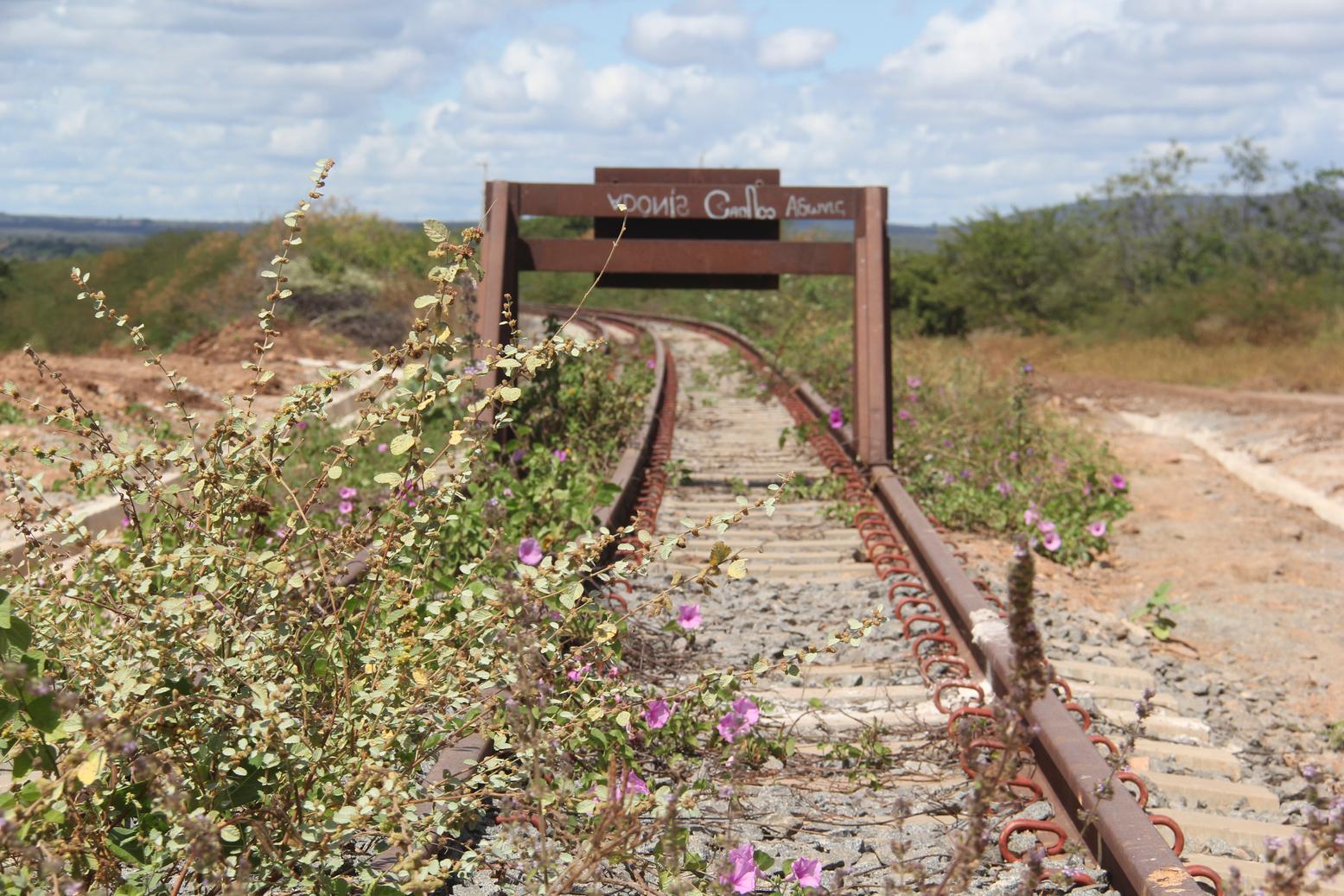
The Company Responsible for the Construction of the Long-Awaited Railroad Arm That Would Connect the Largest Port Terminal in the Northeast Abandoned the Project, Resulting in a Major Political Controversy with Exchanges of Barbs
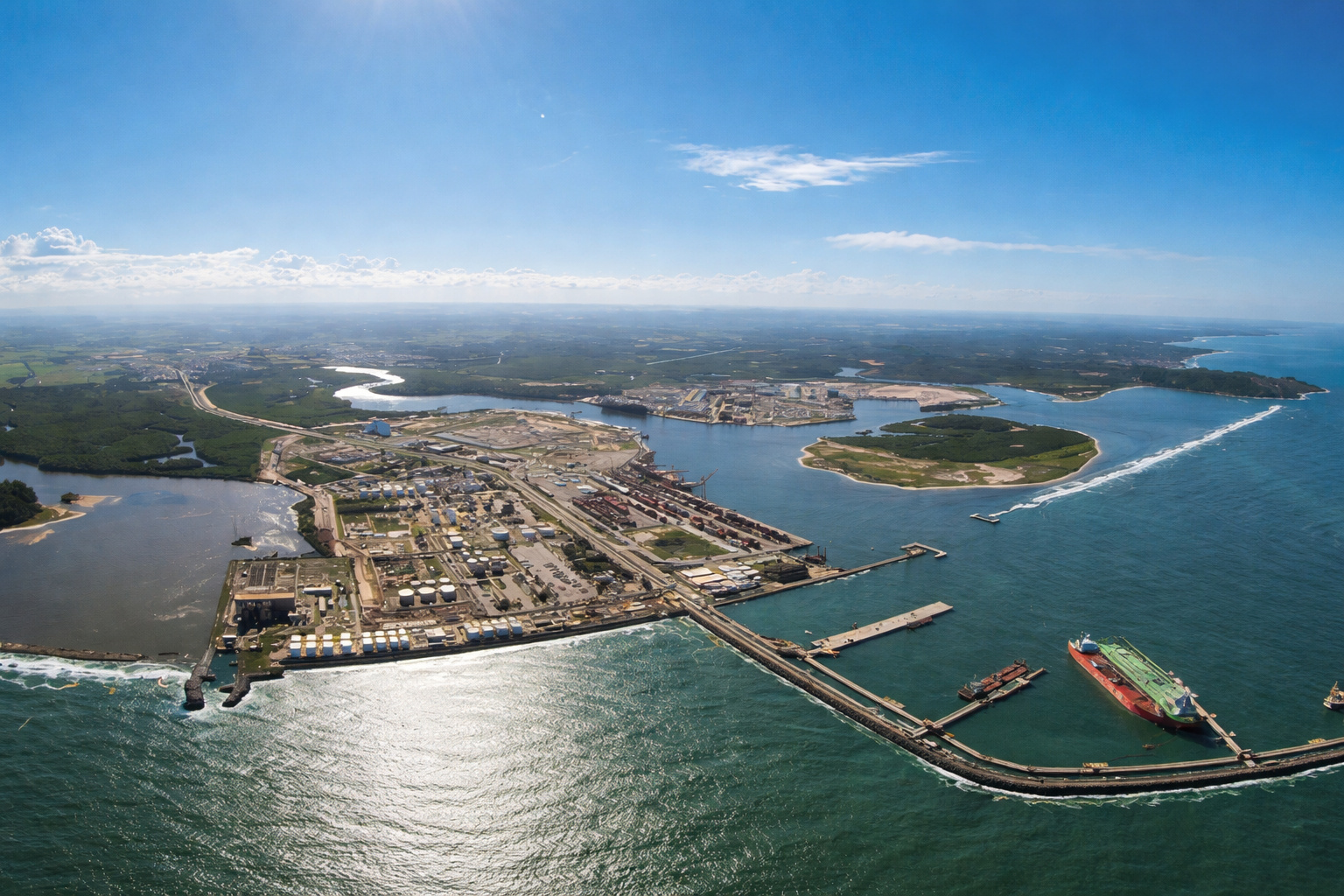
The Transnordestina Railroad was strategically designed as an integrated solution for the export of products from the mineral industry and agribusiness such as soy, corn, and cotton from Piauí and gypsum from Pernambuco, passing through the Port of Pecém, in São Gonçalo do Amarante (CE), and Suape, in Cabo de Santo Agostinho (PE), the largest port terminal in the Northeast. However, the company that holds the concession from the Union for the implementation of the project returned to the granting authority the Pernambuco stretch that would take the railway to the Pernambuco maritime terminal.
The decision by Transnordestina Logística to abandon the branch that would connect Suape caused significant dissatisfaction among political figures in Pernambuco. The state governor, Raquel Lyra, during one of her visits to Brasília, spoke with the Minister of Development and Social Assistance, Family and Fight against Hunger (MDS), Wellington Dias, who is one of the advocates for restarting the railway project, about financing alternatives to resume work and ensure that the initial project is fulfilled.
The abandonment of the Transnordestina stretch that would connect Suape was approved by the Bolsonaro government. The project change went through then Minister of Infrastructure, Tarcísio de Freitas, now the governor of São Paulo. This change did not result in penalties for the responsible company. Thus, the railway is currently projected to span 1,200 kilometers, from Elizeu Martins in Piauí to Pecém, passing through Salgueiro (PE), eliminating the second stretch of 500 km between Salgueiro and Suape.
-
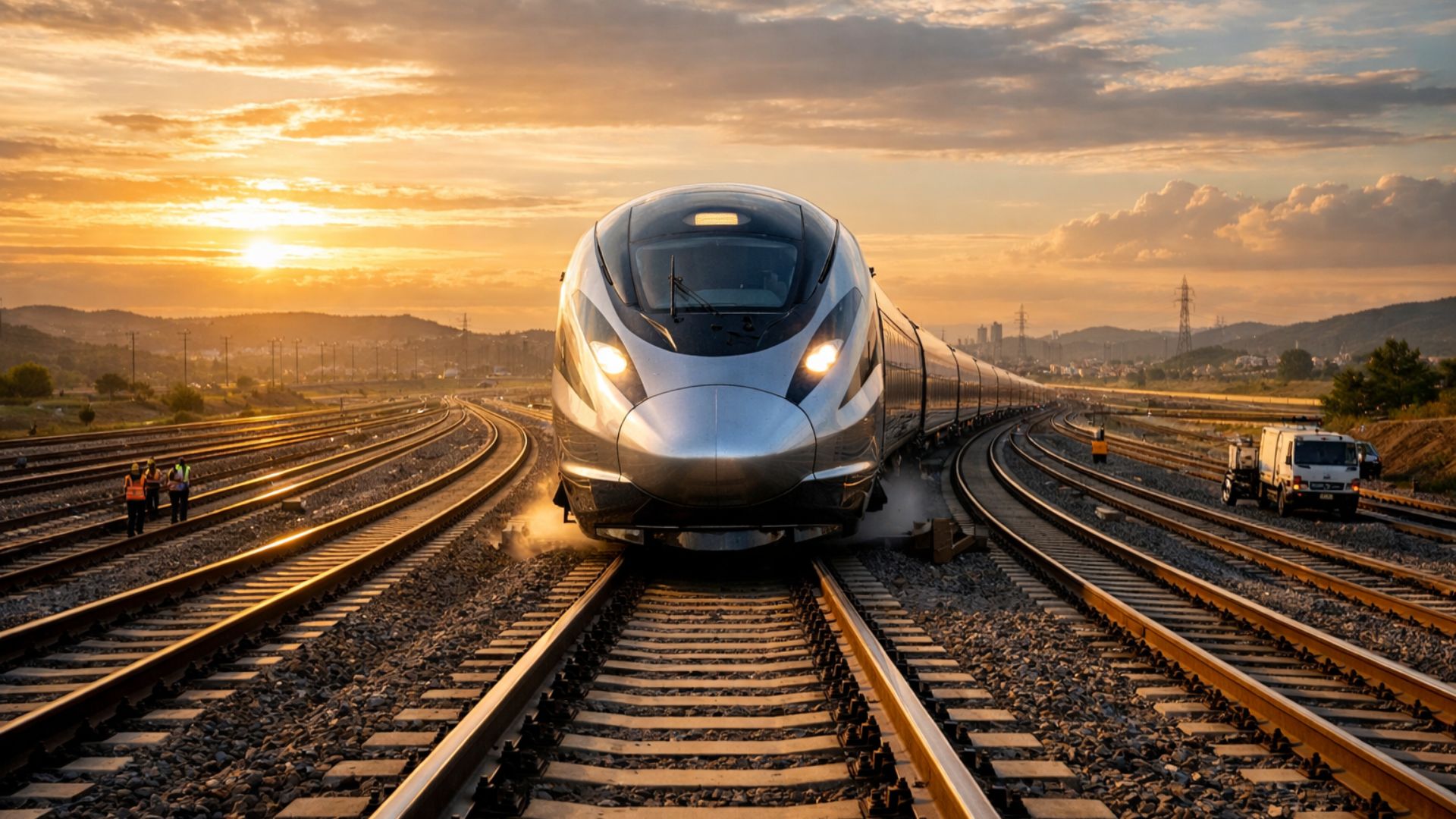
São Paulo surprises the world with a colossal railway network project that promises over 1,000 km of tracks, R$ 194 billion in investments, and 40 projects connecting the capital to the interior with fast and sustainable trains.
-
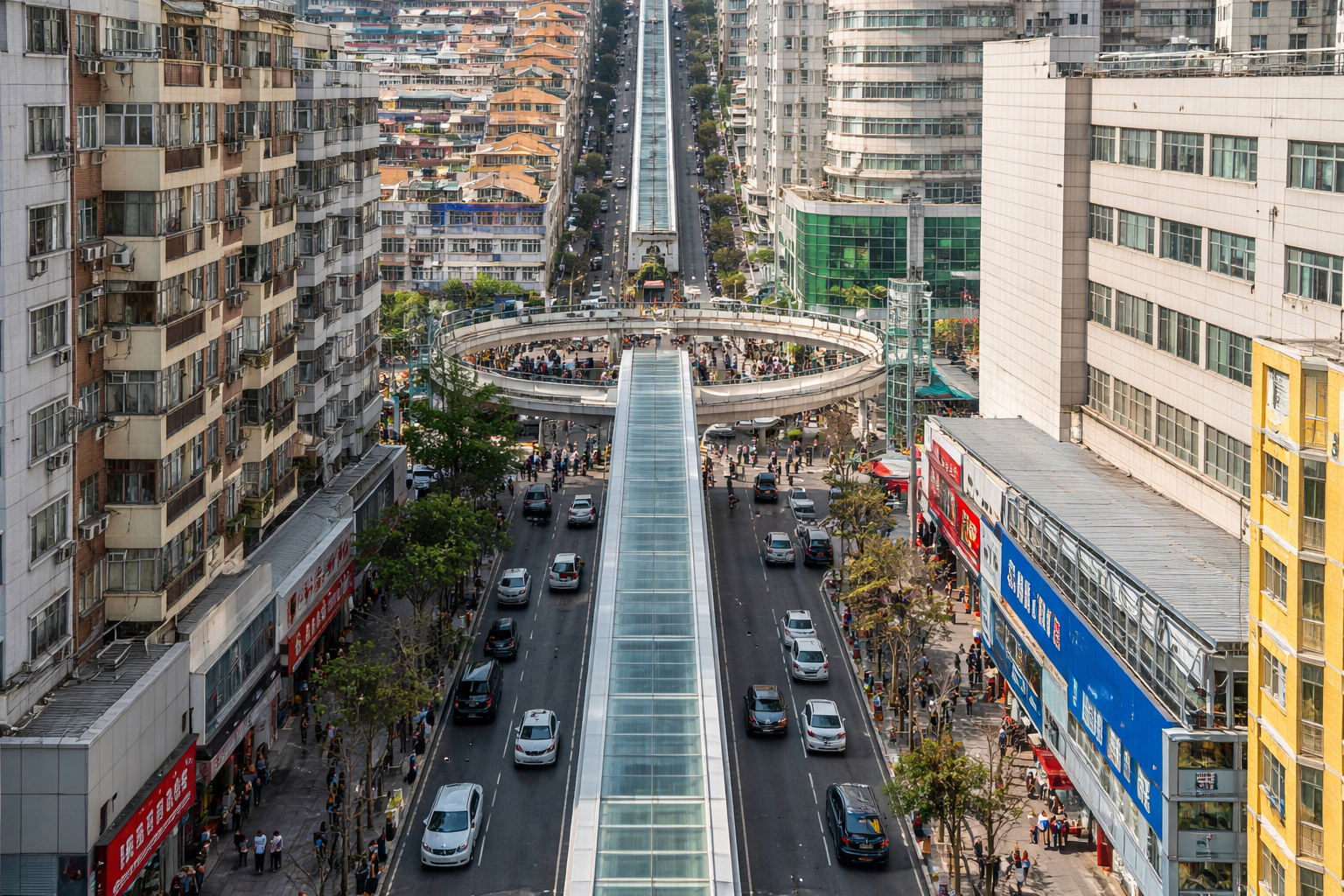
The world’s largest escalator, measuring 905 meters in China, reduces urban travel time from 1 hour to about 20 minutes and transforms mobility in mountainous regions with an engineering solution adapted to the terrain.
-
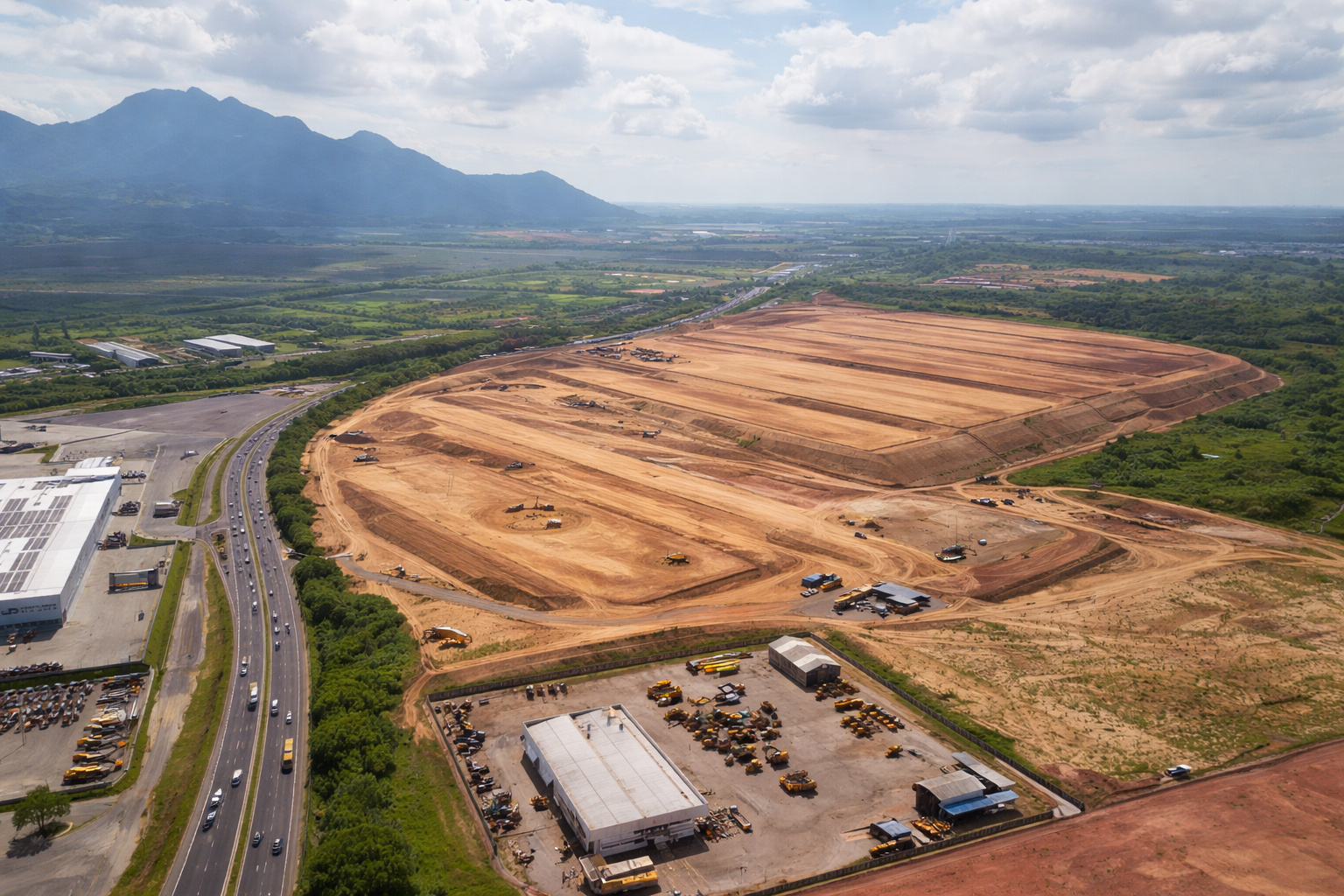
A R$ 300 million logistics giant is taking shape in Serra with over 100,000 m² and raises a question: how can this transform e-commerce and distribution in the state?
-
Could Uber Rides Lose Minimum Fare? Understand What’s Happening!


The former governor of Pernambuco, Paulo Câmara, now without a party, was pointed out as responsible for the abandonment of the Salgueiro-Suape stretch by the concessionaire. According to the controlling company, there are four situations that would cause the project to be modified: the works of a dam upon arrival at Suape, which would result in a detour of more than 42 km and would require new environmental licensing and expropriation permission; a new detour (not detailed in kilometers) to avoid urban stretches; the construction in the middle of the way of a private development built with the approval of the Government of Pernambuco; and the fact that there is no executive project, access lines, environmental licenses, or expropriation processes for access to Suape.
For his part, Paulo Câmara told a local blog that Transnordestina Logística “in 16 years of ‘work’, has only executed 35% of the project” and that “wanting to blame others for its inefficiency, already attested by the Federal Court of Accounts and ANTT, does not seem like the attitude of someone willing to resolve the issue.” In January, the release of federal funds was suspended after regulatory agencies found issues such as precariousness, informality, and imprecision in the project; discrepancies between physical and financial execution, with strong indications that payments made to date would exceed the value of the completed services; in addition to inaccuracies in the project budget.
Transnordestina: 15 Years of a Dream That Was Never Realized
The Transnordestina Railroad was announced as a structuring project for the Northeast. But it has been 15 years since the beginning of the works, over R$ 6.7 billion in investments, and several complications.
If it had already been completed, the prices of products would have dropped, because a large part of the cargo would have shifted from being transported by highways to being transported by trains.
The group that holds the concession no longer invests in the project. Much of what has already been spent to date also came from the Northeast Investment Fund (Finor) of the Superintendency for the Development of the Northeast (Sudene).
In 2016, the works were halted with 52% of the work completed. A year later, the Federal Court of Accounts recommended suspending public funding due to discrepancies between construction schedules and the financial amounts released.
In 2019, the works resumed with an investment of R$ 257 million made by the National Steel Company (CSN). But new chapters filled with controversy began after the announcement of the abandonment of the Salgueiro-Suape stretch and the suspension of federal funds.
The current federal government is trying to orchestrate the resumption of construction. “The sooner we have a proposal capable of providing more agility for the completion of the project, the sooner we will be able to open doors for investments from other sectors. The wealth that is in that region will only have a chance to become an economic factor with the delivery of the railway,” declared the Minister of Development and Social Assistance, Family and Fight against Hunger, Wellington Dias, after a meeting with governors of the states where the railway is projected to pass.







Seja o primeiro a reagir!