





 English
  Francês
  Alemão
  Italiano
  Japonês
  Norueguês
  Portuguese
  Spanish
  3 min of reading
  17 comments


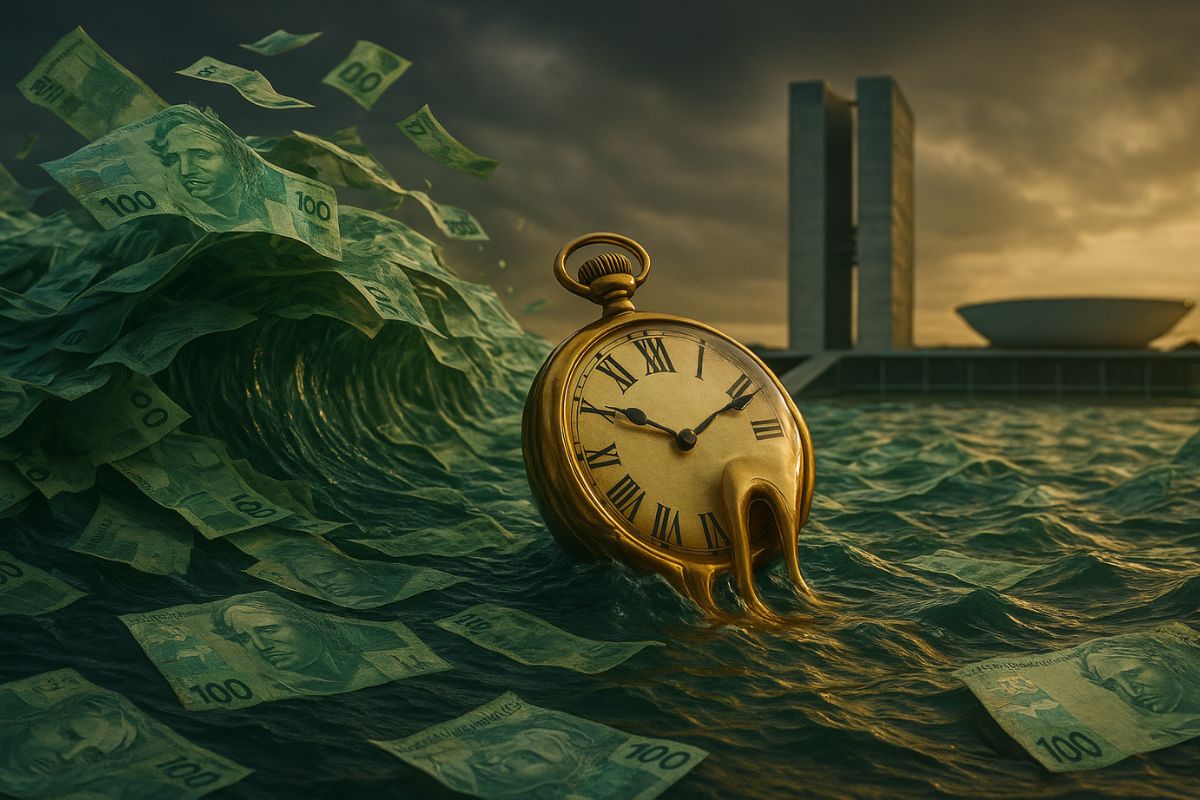


Brazil Pays R$ 941 Billion in Debt Interest in 12 Months, Public Debt Already Exceeds R$ 9.5 Trillion and Could Reach 82% of GDP by 2026
The Times Brasil revealed that Brazil spends almost R$ 1 trillion a year just on public debt interest, a burden that erodes the country’s finances. In the last 12 months alone, this amount reached R$ 941 billion, a figure that does not finance hospitals, schools, or security, but only pays those who lend to the government through public bonds.
In July 2025, the primary deficit was R$ 66 billion, meaning the government spent more than it collected, not counting interest. When these charges are included, the nominal deficit skyrockets to R$ 175 billion in just one month, showing how the cost of debt has become unsustainable.
Debt On the Rise and Domino Effect on Interest, According to CNBC


The gross debt of Brazil already exceeds R$ 9.5 trillion, equivalent to 77.6% of GDP, and is expected to reach 82% by 2026 if nothing changes. The biggest problem is that 55% of this debt is linked to the Selic rate. This means that for every 1 percentage point increase in the basic rate, the automatic expense with interest rises by R$ 55 billion per year.
-
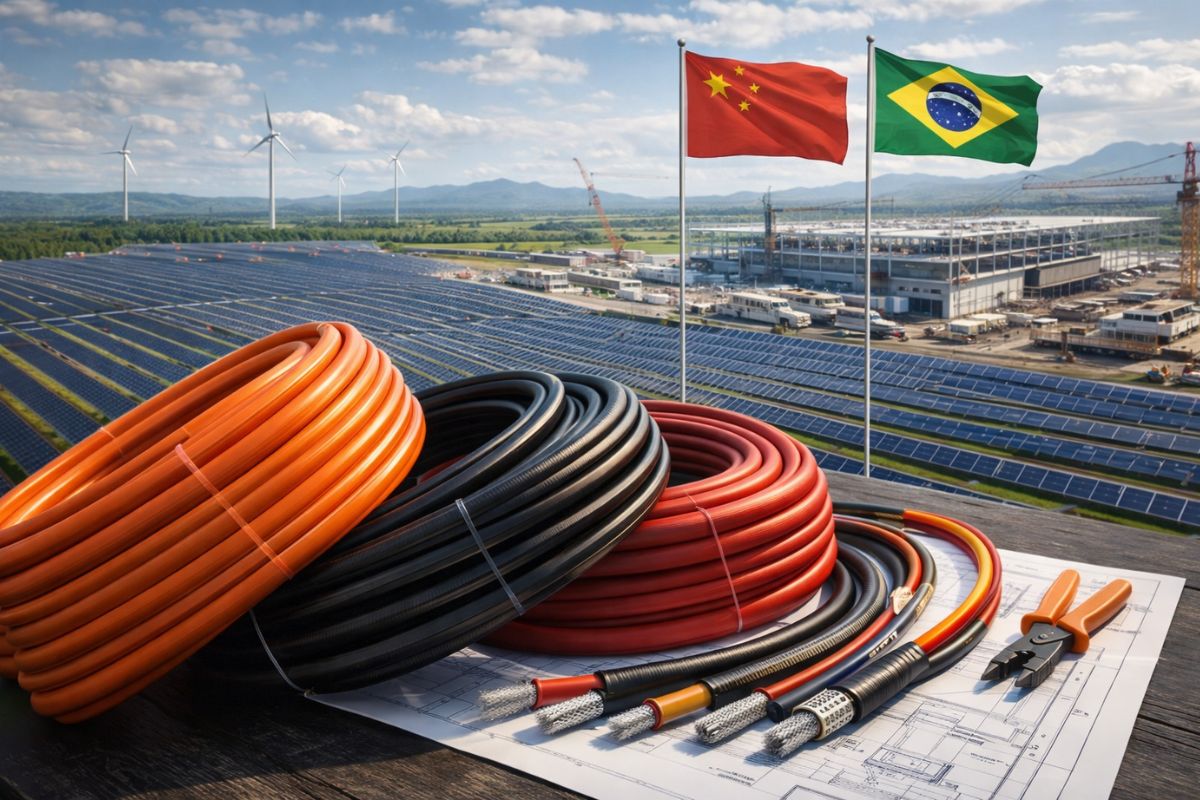
Chinese giant worth nearly R$ 4 billion that manufactures cables for electric cars, solar energy, and robotics wants to open a factory in SC.
-
Many employers do not know, but the law guarantees domestic workers a 25% increase in salary during trips, 50% for overtime, 20% for night shifts, and 17 additional benefits that can lead to labor lawsuits if not paid.

-
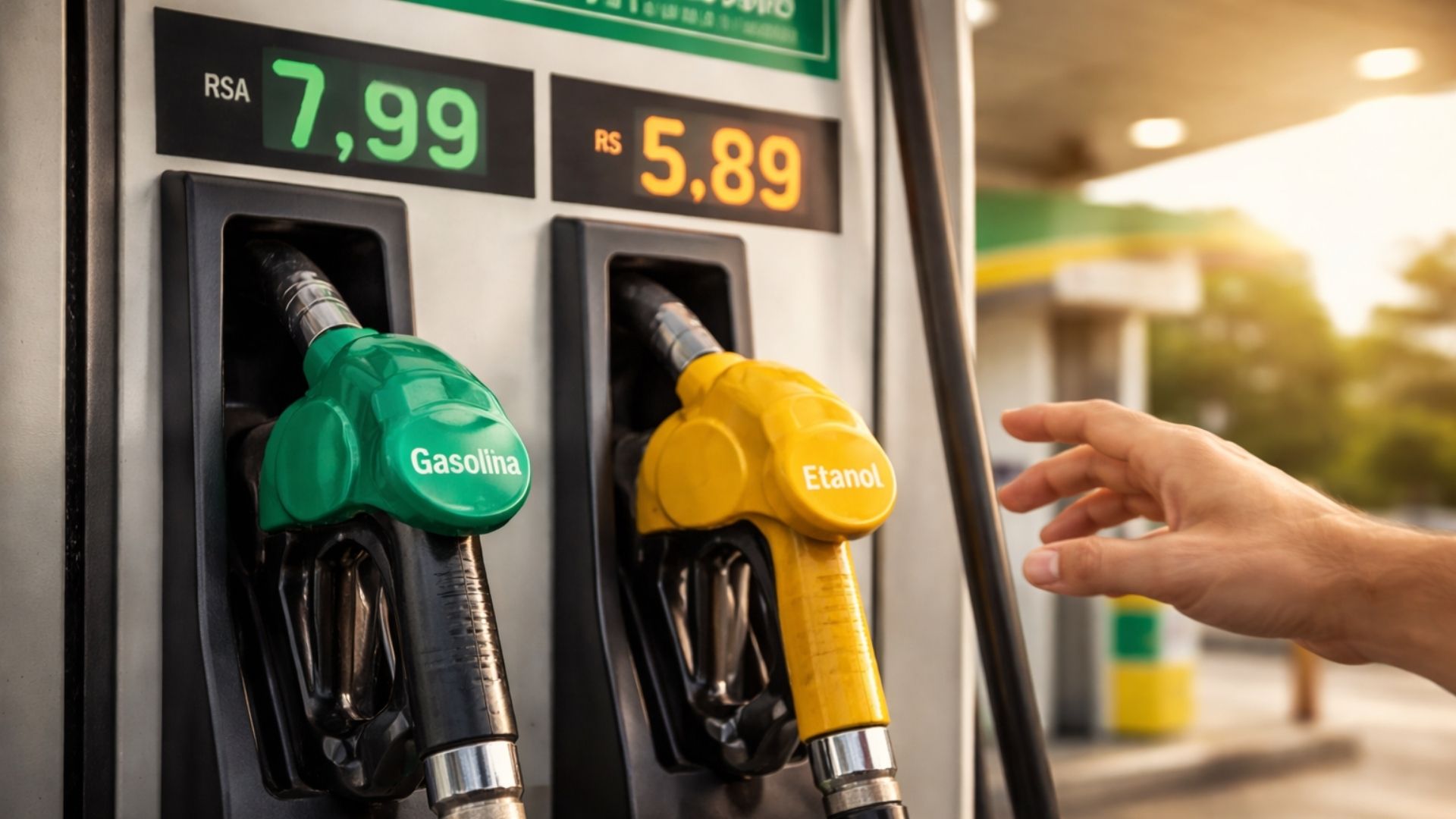
Gasoline prices soar and the question arises: is ethanol more advantageous? The 70% rule reveals the limit with gasoline.
-
The government has made a decision and is starting a test with more ethanol in gasoline, anticipating a mixture of up to 35%, diesel with 25% biodiesel, and a study to assess the impacts on engines.

This effect creates a vicious cycle: high debt increases risk, which raises interest rates, resulting in more debt. While countries like the USA and Japan also have huge debts (120% and 220% of GDP, respectively), the difference is that they pay much lower interest rates—around 2% in the USA and practically 0% in Japan. Brazil, on the other hand, pays an average of 11.5% per year, making its debt much more expensive.
The Contrast With the Official Discourse
In recent months, the government has spoken about “only 20 or 30 billion” to close the accounts, but the numbers show this amount is minimal against the bill of interest. While the Executive cuts specific expenses, financial spending grows by hundreds of billions automatically, consuming more than the entire federal budget for health, education, and security combined.
This contrast highlights the fiscal fragility of the country: the problem is not just in cutting expenses or increasing revenue, but in the structure of the debt. If there are no deep changes, Brazil will continue to spend more on interest and less on social investments.
What to Expect for the Coming Years
The challenge is double: to contain the trajectory of the debt and reduce the burden of interest. To achieve this, experts advocate for structural reforms and adjustments in debt management, aiming to reduce dependence on instruments linked to the Selic rate.
On the other hand, political pressure is high. Any attempt to cut spending in sensitive areas or increase taxes faces resistance in Congress and society. As a result, Brazil risks continuing to tread water, while the interest bill only increases.
The fact is that Brazil spends almost R$ 1 trillion a year just on interest, which limits investments in essential sectors and keeps the country in a fiscal trap. The discussion about cuts of “20 or 30 billion” seems small in this context.
And you, do you believe that Brazil needs to face the issue of debt interest head-on or that specific budget adjustments are already sufficient? Share your opinion in the comments—we want to hear from those who feel this impact in practice.










Nossa taxa de juros é calculada somando-se a nossa inflação, a inflação americana e o risco país e mais um pouco para forçar a queda da inflação. A parcela que poderia ficar melhor é o risco país que diminuiria muito se no Brasil houvesse responsabilidade fiscal com dívida decrescente, isso sim daria uma grande folga na taxa de juros, mas é quase impossível que ocorra pois nosso governo é gastador, perdulário e esbanjador. Na China todos os bancos são estatais e isso dá ao governo chinês bilhões para serem investidos em saúde, educação e infraestrutura, o que aqui não ocorre, o juros que pagamos deixa muito pouco de fora para os investimentos que o país precisa para crescer e se desenvolver. Precisamos urgente de reformas generalizadas, em tudo…
Nossa taxa de juros é calculada somando-se a nossa inflação, a inflação americana e o risco país e mais um pouco para forçar a queda da inflação. A parcela que poderia ficar melhor é o risco país que diminuiria muito se no Brasil houvesse responsabilidade fiscal com dívida decrescente, isso sim daria uma grande folga na taxa de juros, mas é quase impossível que ocorra pois nosso governo é gastador, perdulário e esbanjador. Na China todos os bancos são estatais e isso dá ao governo chinês bilhões para serem investidos em saúde, educação e infraestrutura, o que aqui não ocorre, o juros que pagamos deixa muito pouco de fora para os investimentos que o país precisa para crescer e se desenvolver. Nosso modelo financeiro, nossa política, nossa administração pública e nosso judiciário precisam de reformas pesadas e urgentes para que nosso país consiga respirar e se desenvolver com vigor, pois riquezas temos muitas, mas nos arrastamos enquanto outros países muito mais pobres avançam…
Governo gasta muito e gasta mal, funcionalismo público gigante com baixa produtividade e com muitos benefícios, muita gente ganhando acima do teto, esfola quem produz e quem trabalha, oferece pouco e com baixa qualidade e engana todos colocando a culpa no banco central porque os juros estão altos. E um monte de **** achando que tudo esta lindo, comerciais falando que o Brasil é lindo e os pobres ajudando elegendo corruptos, se mantem miseráveis e se contentando com a cesta básica.