





 Portuguese
  English
  Spanish
  4 min of reading
  0 comments


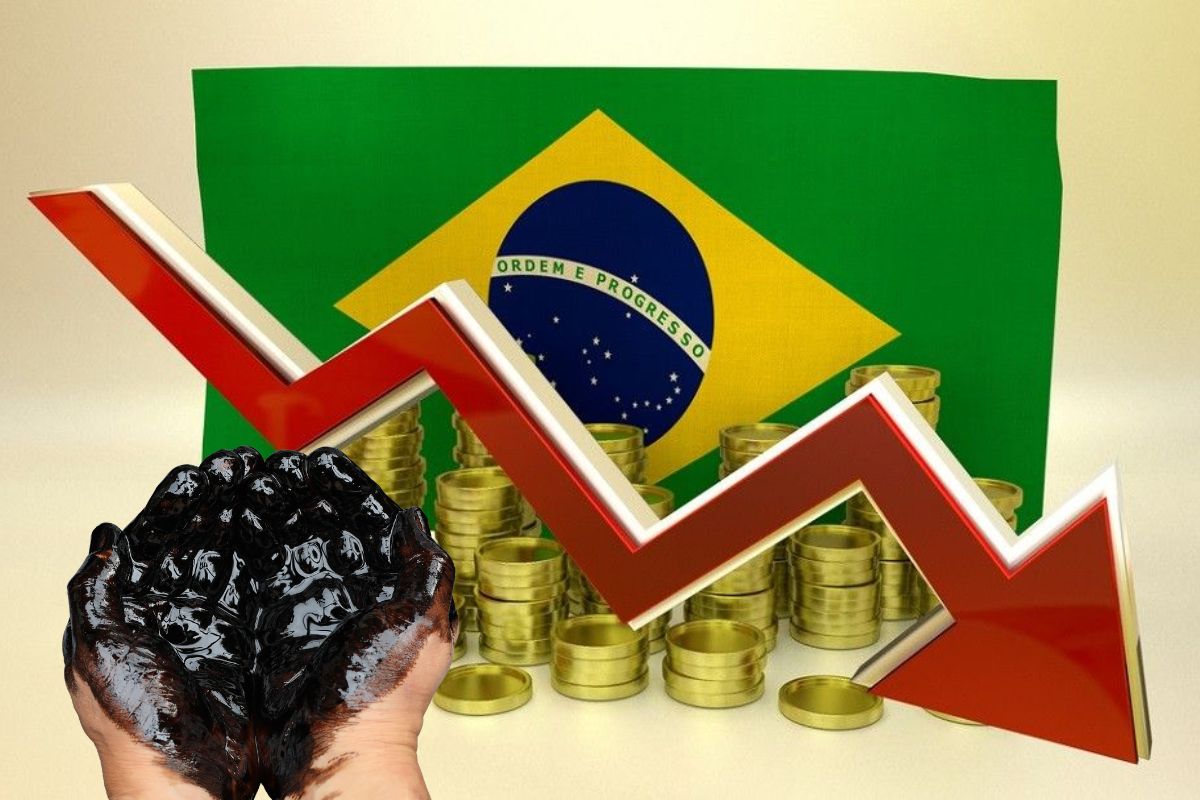
Federal Government Bets on R$ 58 Billion in Uncertain Revenues, Such as Corporate Debts and Oil Auctions, to Meet Fiscal Target for 2026
The federal government projected a primary surplus of R$ 34.3 billion for 2026, based on a fiscal surplus of 0.25% of GDP. To achieve this target, the administration plans resources from unreliable sources, such as asset sales, the Full Transaction Program (PTI), and oil auctions. The government’s fiscal target heavily relies on uncertain revenues, raising doubts about its effective implementation.
Among the bets, R$ 27 billion is expected to come from negotiating debts of large companies with the government, and R$ 31 billion from the sale of oil fields. According to the Valor Econômico portal, these revenues depend on external factors and approvals that are still underway, making the scenario uncertain.
The Strategy to Meet the Fiscal Target
The federal government mapped several sources of extraordinary revenues, but they come with a high degree of uncertainty. The main projected revenue source is the Full Transaction Program (PTI), which will allow for the negotiation of debts of companies with the government, mainly tax debts and pending issues with regulatory agencies. R$ 27 billion would be achieved through this program, but no company can guarantee that it will pay the amounts due on time.
-
A new Brazilian shopping center worth R$ 400 million will be built in an area equivalent to more than 4 football fields, featuring 90 stores, 5 cinemas, a supermarket, a college, and parking for 1,700 cars, potentially generating 3,000 jobs.

-
Larger than entire cities in Brazil: BYD is building a 4.6 km² complex in Bahia with a capacity for 600,000 vehicles per year, but the discovery of 163 workers in conditions analogous to slavery has shaken the entire project.

-
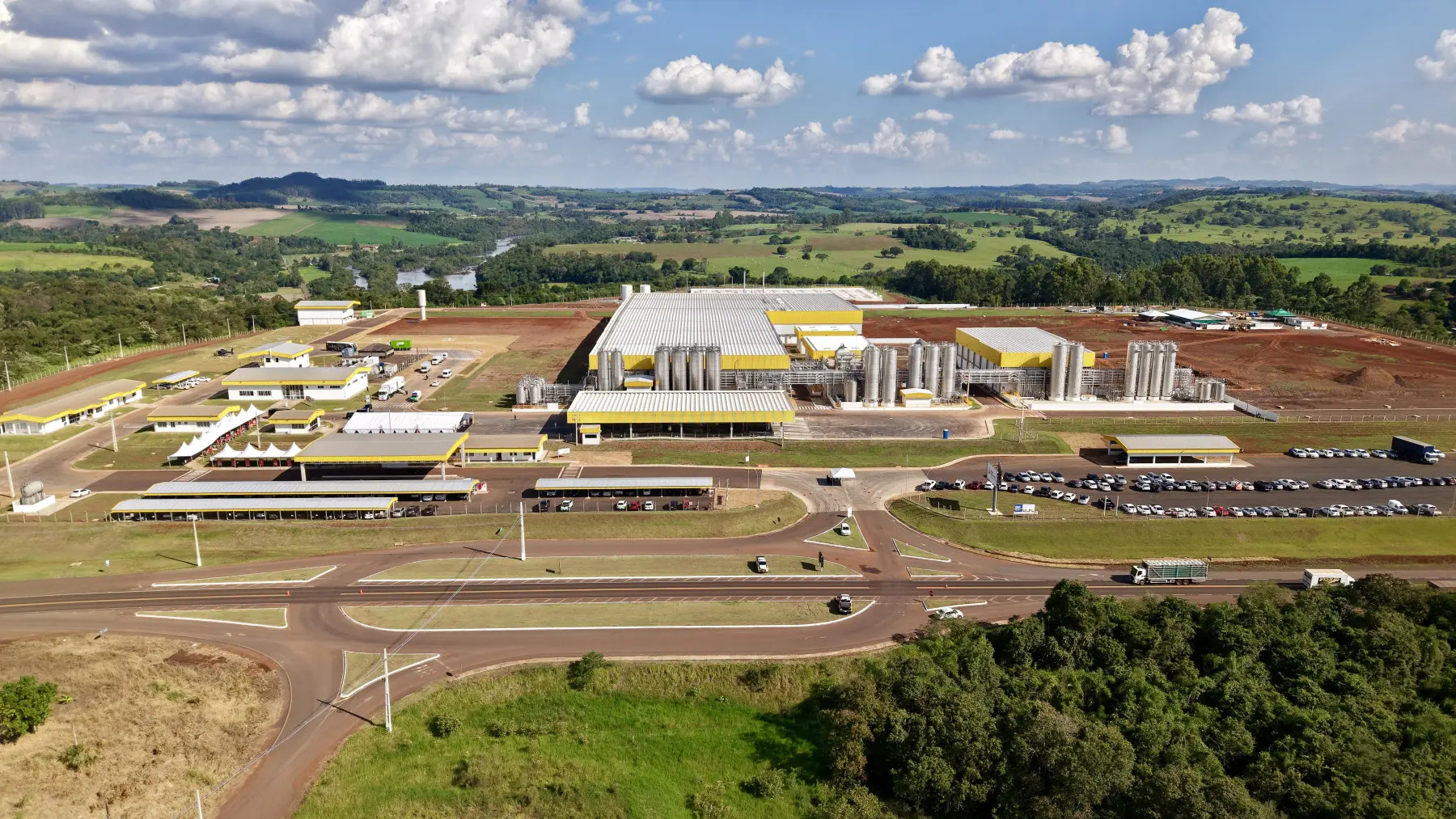
With an investment of R$ 612 million, a capacity to process 1.2 million liters of milk per day, Piracanjuba inaugurates a mega cheese factory that increases national production, reduces dependence on imports, and repositions Brazil on the global dairy map.
-
Brazilian city gains industrial hub for 85 companies that is equivalent to 55 football fields.


Additionally, the sale of the government’s stake in oil fields is expected to generate another R$ 31 billion, a measure already approved by Congress, but which depends on the auctions taking place in 2026. These resources have great potential, but are not guaranteed, as they depend on the effectiveness of the privatization process and the performance of the oil market.
Challenges to Meet the Fiscal Target
Despite the significant bets, the R$ 58 billion in uncertain revenues still do not guarantee compliance with the government’s fiscal target for 2026. Revenue from oil auctions and corporate debts carry high risks, and any unexpected events could compromise the fiscal surplus. Furthermore, the government also needs to address mandatory expenses, which have seen a significant increase.
The R$ 153.7 billion more forecasted for mandatory expenses in 2026 are primarily directed towards Social Security and an increase in benefit payments. To balance the accounts, the government will need extraordinary measures, and the ceiling for primary expenses has been set at R$ 2.428 trillion. These measures do not guarantee fiscal balance but are attempts to circumvent the growing debt and the difficulties in budget adjustment.
Additional Measures to Increase Revenues
Other sources of funding are expected with the cut in tax benefits, projected to generate R$ 19.6 billion. However, as part of this change is still pending approval in Congress, the amounts remain uncertain. The Provisional Measure 1.303 is also expected to generate R$ 10 billion, but its impact is still difficult to predict.
The government’s bet is to increase revenue without burdening public accounts with unexpected expenses, but without guarantees of success, the fiscal target for 2026 remains a significant challenge.
The Impact on Social Policies and the Minimum Wage
Among the measures planned, the minimum wage is one of the most visible. It will be adjusted to R$ 1,631, which represents an increase of 7.45% compared to the current amount. This adjustment is linked to inflation, but the major concern is the maintenance of investments in social areas. R$ 245.5 billion is guaranteed for health, and R$ 133.7 billion for education, but the rising debt may put pressure on these areas.
Although the increase in the minimum wage is positive, the public debt is a growing burden, and maintaining Brazil’s fiscal structure requires the government to continue seeking new sources of revenue, even with uncertainties in its execution.
The federal government bets on uncertain revenue sources to meet its fiscal target in 2026. The oil auction, the negotiation of corporate debts, and the cut in tax benefits are risky strategies with many variables. While the increase in the minimum wage is positive, dependency on extraordinary revenues and the growing public debt indicate that the fiscal target may be difficult to achieve without new adjustment measures.
Do you think these extraordinary measures are enough to ensure the fiscal surplus for 2026? Or could the lack of guarantees in revenues compromise the budget? Leave your opinion in the comments!









-

Uma pessoa reagiu a isso.