





 English
  Francês
  Alemão
  Italiano
  Japonês
  Norueguês
  Portuguese
  Spanish
 3 min of reading



The Madero Restaurant Group Has Reached a Purchase and Sale Agreement with the Biodiesel Producer BSBios to Supply Used Cooking Oil (UCO) as Raw Material for Biofuel Production.
This partnership provides for the monthly collection of 55 thousand liters of this input, without disclosing the amounts involved in the business. The news was announced this Wednesday through a joint statement from both companies.
The Madero Group is adopting a sustainable alternative for waste disposal, which is the use of UCO (used cooking oil). This solution has proven to be effective, as it contributes to the production of renewable fuel. According to Erasmo Carlos Battistella, president of BSBios, a leader in biodiesel sales in Brazil, this measure will be implemented in 270 Madero Group restaurants, including Madero Container, Madero Steak House, and Jeronimo Burger, spread across the country.
The companies state that the use of recyclable and renewable supplies is part of a circular economy model. This means that oil waste is collected by vehicles that supply restaurants, complying with current regulations, thus creating a reverse logistics process. This strategy provides a sustainable way to develop businesses.
-
A study reveals the expansion of renewable energy procurement in Brazil and shows how companies are taking advantage of opportunities to reduce expenses, ensure energy efficiency, and strengthen strategic environmental commitments.

-
Brazil accelerates decarbonization in the South: International forum in Foz do Iguaçu gathers leaders to discuss the advancement of biomethane in the energy matrix and the potential of “caipira pre-salt.”

-
Mato Grosso do Sul excels in the sugar-energy sector: the state reaches a milestone of 22 operating mills and accelerates the production of clean energy in MS with a focus on sustainability.
-
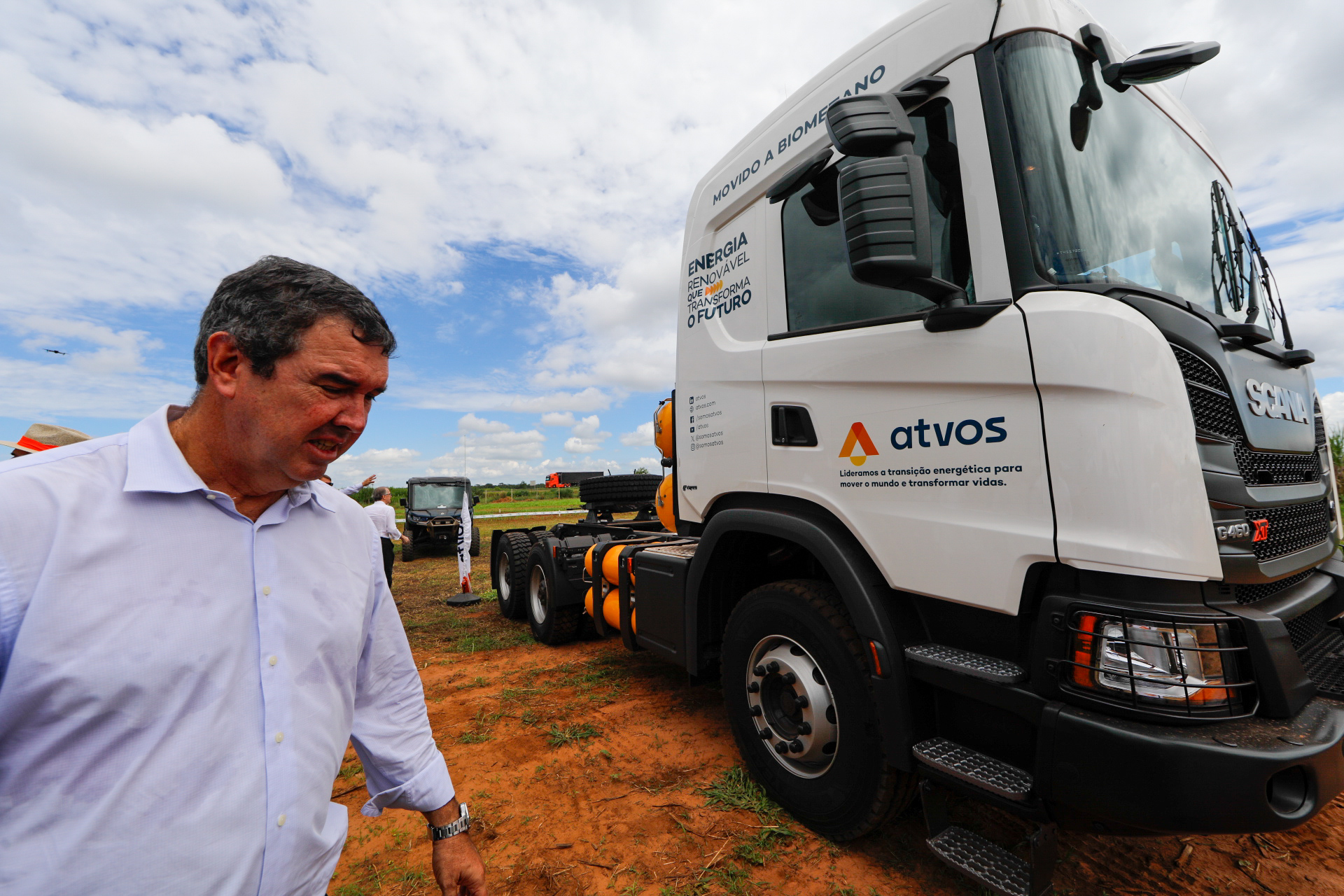
As diesel prices soar due to conflicts in the Middle East, a Brazilian city decides to test a little-known biofuel that promises to completely replace fossil fuel without adaptation and could change the future of energy in the country.
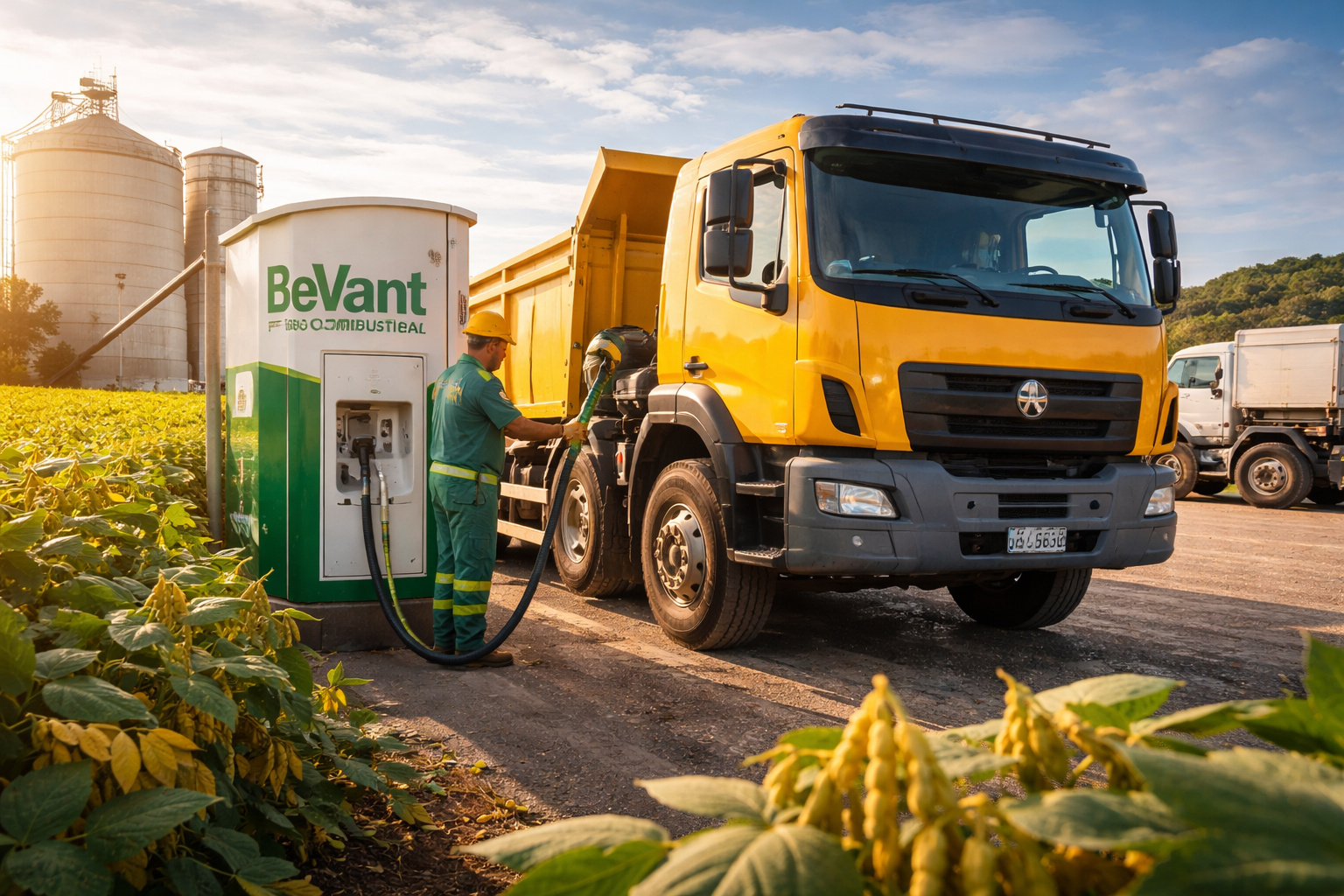

The CEO of Madero Group, Júnior Durski, emphasized that industrial cooking oil is a potential pollutant if not recycled properly. Therefore, to promote the decarbonization of biodiesel production, UCO is considered a residual raw material and does not generate GHG emissions. Thus, alternatives are needed to allow the recycling of this waste.
The partnership between BSBios and Madero for reverse logistics is extremely important to balance not only the environment but also the country’s economy. Data from ANP shows that UCO accounts for about 2.25% of the raw material used for biodiesel production in Brazil, but in this region, its share significantly increases to 20%. This alliance between the two companies has been fundamental in promoting sustainable development.
BSBios announced the expansion of UCO usage, which represented 4% of the raw material in 2022 for biodiesel production. The company also reported that it had received financing of 40 million reais at the end of the previous year from Santander Bank, with linked ESG commitments. Thus, the company reinforces its commitment to the environment and follows the ideals of social responsibility.
At the BSBios facility in Switzerland, local legislation requires the plant to exclusively use UCO from canola and, to a lesser extent, from sunflower, as raw material for biodiesel production. To meet this requirement, the agreed transaction also included the expansion of a social project for UCO collection in the city of Passo Fundo, Rio Grande do Sul.
Company Collects Used Cooking Oil and Transforms It into Biodiesel











Seja o primeiro a reagir!